

World War: Army Battle FPS 3D
- Reviews
- 4.3
- Version
- 0.1.9.5
- Installs
- 100,000,000+

Screenshots
 Analysis by Frivlyz
When I pick up a mobile shooter, I want to know quickly what it asks of me: whether there is a clear next objective, whether I can make progress in short sessions, and whether the action stays engaging once the novelty wears off. World War: Army Battle FPS 3D is an action game from Horus Entertainment built around first-person combat and a war setting. Its appeal is direct: get into the fighting, respond to what is happening around you, and improve your approach as you go. I found it easiest to enjoy when I treated each mission as a focused burst of action rather than expecting a deep military simulation.
What gives the opening its momentum
The early draw is the promise of a clear role: you are a soldier in a battlefield, not a commander poring over maps. That makes the game approachable if you want to start playing without learning a complicated strategy layer first. The missions give the action a purpose beyond simply firing, and the combination of movement, aiming, and reacting to threats is the basic loop I returned for. If you have only a little free time, this kind of direct objective is easier to pick up than a slower shooter that takes a long time to get going.
That straightforward setup also sets expectations. I would choose it for immediate action, not for a sprawling campaign whose appeal depends on elaborate character backstories or long tactical planning. Its strongest early hook is the feeling of being dropped into a combat situation and having to keep moving. For me, that works best when I focus on the current encounter and avoid treating every mission as a test of perfect marksmanship.
Immersive Battlefield Experience
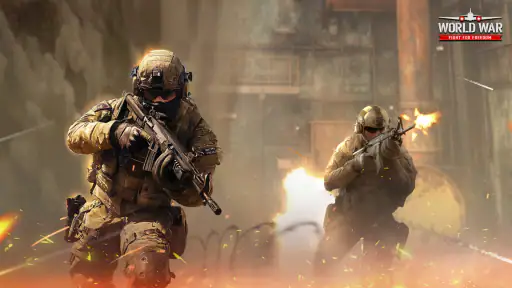
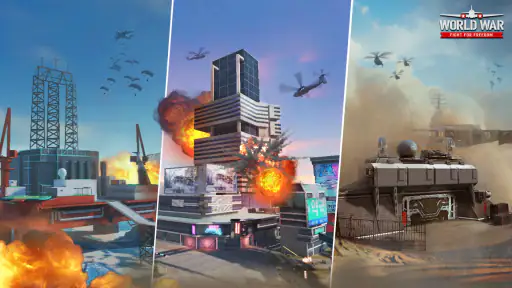
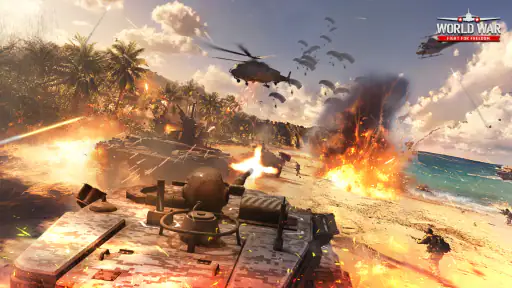
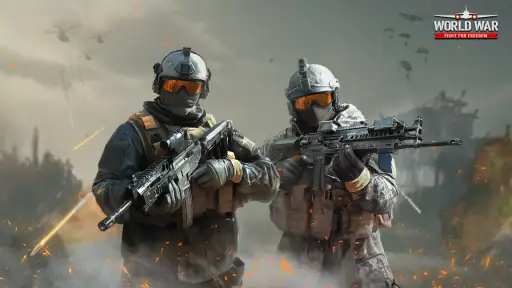
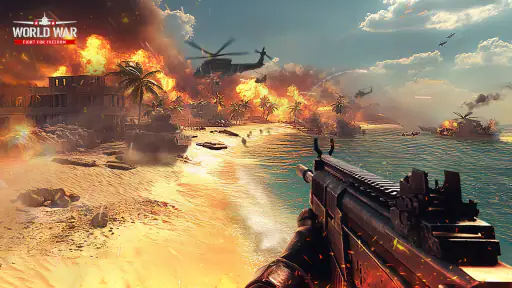
From the moment I launched the game, I was instantly pulled into the intense atmosphere of war. The graphics are impressive, especially for a mobile game, making you feel as if you’re right there in the trenches. The developers did a fantastic job with the attention to detail, from the authentic sound effects of gunfire and explosions to the realistic landscapes and environments. It’s almost like stepping into a war documentary, but with the thrill of being a part of the action.
Gameplay and Mechanics
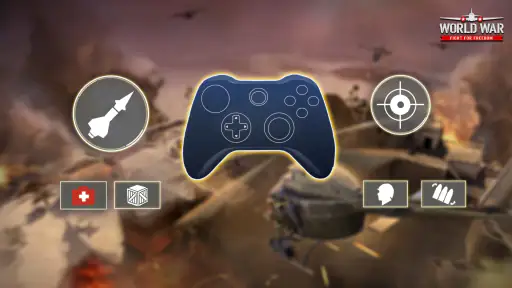
The gameplay is straightforward yet captivating. You’re thrown into various missions where strategy and quick reflexes are your best friends. The controls are intuitive, with options to customize them to your liking, which is a huge plus for those who are particular about their in-game settings. I found myself getting lost in the different missions, each offering a unique challenge and keeping me on my toes.
Reading progress without chasing every unlock
Progress in a shooter feels satisfying when I can connect a better result to something I have learned, not just to the next reward. With missions at the center of play, a useful personal measure is whether I am handling the situations more confidently: spotting danger sooner, keeping my aim under control, and choosing a sensible distance before engaging. Those small improvements can make a repeat session feel worthwhile even when I am not focused on unlocking everything immediately.
Weapons and upgrades give you another reason to keep experimenting, but I would avoid spending resources or attention on every option simply because it is available. Think about the way you actually play first. If you tend to engage from farther away, a setup that supports deliberate aiming makes more sense than chasing a close-range style you rarely use. If you prefer to push forward, the reverse may be true. This is a practical way to make customization serve your habits rather than turning progression into a checklist.
Gaming Stories You May Enjoy

Dancing Road Turns Short Breaks Into a Test of Rhythm and Timing

Super Stylist Makes Every Outfit a Test of Taste and Patience

Dominoes on Your Terms: Who Should Play and Who Should Pass

Pokémon GO Makes the Familiar World Feel New

Chess.com Turns Rematches Into Rivalries, but Community Has Its Costs

Archery Battle 3D Review: Sharp Aiming, Unclear Feedback
One useful trade-off is that testing a new weapon can make a familiar mission feel fresh, but changing too many things at once makes it harder to tell what helped. I would alter one part of my approach, then pay attention to whether the encounter feels more manageable. It is a simple way to get more out of the arsenal without assuming that the newest option is automatically the best one for every situation.
How the challenge changes as you settle in
The basic controls are easy to grasp, but ease of entry does not mean every encounter will feel effortless. A first-person shooter still asks you to manage aim, movement, and awareness together, and a small screen can make those demands feel sharper than they would on a larger display. I would start with the default control layout, learn how it feels during actual combat, and only then adjust it. Changing settings before you know what is uncomfortable can create a new problem while trying to solve an imagined one.
When a mission goes badly, I find it more useful to identify the immediate cause than to rush straight back in with the same plan. Was I trying to shoot while moving too much? Did I push into danger before checking the surroundings? Did I choose a distance that did not suit my weapon? These are concrete questions that help turn a frustrating attempt into practice. They also keep the difficulty from feeling like a vague wall, even when a stage asks for better timing or more careful decisions.
There is a limit to how much a mobile FPS can satisfy someone looking for finely layered tactics. The action-first structure is a benefit when I want to get straight into a fight, but it is not the right fit if my favorite part of a war game is planning a squad’s route or coordinating a broad campaign. Compared with slower tactical shooters, this is the kind of experience I would reach for when responsiveness matters more than elaborate preparation.
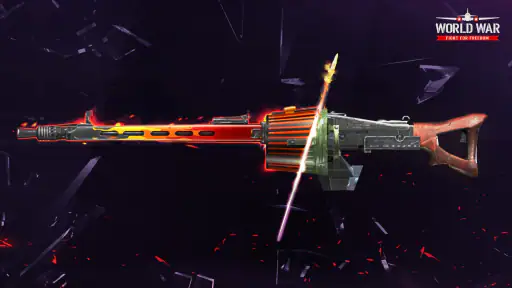
One of the standout features is the range of weapons available. Whether you’re a fan of sniping from a distance or prefer the up-close-and-personal approach with a shotgun, there’s something for everyone. The game allows you to upgrade and customize your arsenal, which adds an extra layer of depth and personalization to the experience.
Who will get the most from a session
I can see this working well for players who already enjoy mobile first-person shooters and want a war-themed option with missions, weapon choices, and multiplayer competition. It also suits someone who likes to learn through repetition: try an encounter, adjust their aim or positioning, and return with a slightly better plan. A short session after work or between other tasks can be satisfying if you are happy to focus on a few battles rather than expecting a long, uninterrupted story night.
For example, if I have ten minutes while waiting for a ride, I can open the game, concentrate on a mission or a quick match, and stop when that window closes. I would avoid starting when I need to put my phone away at any moment, though. Real-time combat rewards attention, and a sudden interruption is more annoying here than in a turn-based game where I can pause to consider my next move.
I would steer a newcomer to shooters toward patience rather than instant upgrades. First learn how the aiming and movement feel on your device, then decide whether you need to change the layout or lean toward a particular weapon style. Players who mainly want relaxed play, a quiet puzzle, or a story-led game with little pressure should probably choose something else. The same goes for anyone who dislikes competing against other people; multiplayer is a meaningful part of the appeal, not merely a reason to download it if competition is not your thing.
Free entry, optional spending, and retention
The game is free to download, so trying it does not require an upfront purchase. It does include in-app purchases, with listed item prices ranging from $1.49 to $104.99. That is a broad span, so I would treat purchases as optional and decide what, if anything, is worth paying for only after I know I will keep playing. A free starting point is useful, but it does not mean every progression choice will feel equally rewarding without spending.
My advice is to play long enough to learn whether the mission loop and weapon experimentation actually hold your interest before paying for convenience or extras. If you are enjoying the combat, consider what specific friction a purchase would solve rather than buying because a prompt appears during a session. If you are already feeling bored or pressured, spending more is unlikely to fix the underlying mismatch. That is especially worth keeping in mind for younger players: the content rating is Teen, and purchases should be approached deliberately rather than casually.
As a retention loop, missions provide immediate goals, while weapons and upgrades offer longer-term reasons to return. That can be a satisfying combination for someone who likes visible improvement, but it may also become repetitive if the same style of encounter stops feeling fresh. I would use multiplayer as a change of pace when I want human competition, while keeping expectations realistic: a competitive match is not automatically a better fit than a mission if I only have time for relaxed play.
How multiplayer changes the rhythm
If you’re like me and enjoy a bit of competition, the multiplayer mode is where World War: Army Battle FPS 3D truly shines. Battling it out against players from around the globe adds a new dimension of excitement. The matchmaking is relatively swift, and I rarely found myself waiting long to jump into a match. It’s perfect for those who thrive on the adrenaline rush of real-time combat.
The practical difference is that missions let me concentrate on learning the game’s feel, while multiplayer asks me to respond to less predictable opponents. I would use the former when I want to practice movement and weapon handling at my own pace, and the latter when I am ready for a more competitive test. If a match feels rough, switching back to missions can be a sensible reset rather than treating every loss as proof that the game is not for me.
That also makes the game a less obvious choice for someone seeking a purely solo experience. If the appeal of an FPS for you is only a carefully paced single-player story, multiplayer competition may not compensate for that preference. On the other hand, players who like comparing their decisions against real opponents get a different kind of challenge from the same basic combat skills.
Where it fits among mobile shooters
Compared with arcade shooters that make spectacle the whole point, this game’s missions and weapon upgrades give me more reason to think about how I approach an encounter. Compared with tactical games that demand careful planning before every move, its immediate action is easier to enter in a brief session. That middle ground is its clearest use case: I can enjoy a military setting and familiar FPS handling without choosing a slower strategy game every time I want combat.
The trade-off is that players who want a deep simulation, extensive team coordination, or a story that carries the experience may prefer a different kind of shooter. This is also not my first pick for a calm commute if I cannot give the screen steady attention. I would save a competitive match for a moment when I can focus, and use the mission structure when I want a more controlled way to play.
Device fit and practical expectations
The current version is 0.1.9.5, and the minimum operating system requirement is Android 7.0. Before installing, I would check that my device runs a compatible Android version and has enough room for another game. The visual and audio presentation helps create the battlefield mood, but those effects are also part of what makes the experience feel busy; if you prefer understated games or play on a small screen, you may need time to get comfortable with the amount happening at once.
The scale of its audience suggests it has broad appeal: it has an average rating of 4.3 from around 266,000 ratings, with over 100 million installs and around 4,800 written reviews. I see that as useful context, not a promise that every player will enjoy the same things. A large player base does not remove the personal questions that matter most: do you like mobile aiming, do you enjoy military action, and do missions plus competition give you a reason to return?
Final Thoughts
In conclusion, World War: Army Battle FPS 3D is a must-try for any FPS enthusiast. The combination of stunning graphics, engaging gameplay, and a robust multiplayer mode makes it a standout in the mobile gaming arena. Whether you’re looking to kill time or immerse yourself in a gripping wartime narrative, this game delivers on all fronts. So, gear up, soldier! It’s time to head to the front lines and see what you’re made of.
My more measured verdict is that it is worth trying if you want a free, action-focused war shooter with missions, weapon customization, and competitive play. I would not recommend it as a substitute for a tactical simulator or a story-heavy campaign, and I would keep purchases optional until its progression has genuinely earned a place in my routine. Horus Entertainment has made an accessible entry for players who want to get into the fighting quickly; whether it stays compelling depends on how much you enjoy repeating the loop, refining your approach, and testing yourself against other players.
World War: Army Battle FPS 3D Pros and Cons
Pros
- Immersive 3D graphics enhance gameplay.
- Wide range of weapons and gear.
- Realistic sound effects for better experience.
- Engaging and challenging missions.
- Smooth controls and user interface.
Cons
- In-app purchases can be expensive.
- Requires stable internet connection.
- Occasional lag on older devices.
- Ads can be intrusive at times.
- Limited offline gameplay options.
This Game in Other Languages
Frequently Asked Questions
What is World War: Army Battle FPS 3D?
World War: Army Battle FPS 3D is an action-packed first-person shooter game set in the intense atmosphere of World War II. Players are immersed in realistic battlefields, engage in tactical warfare, and complete missions that bring the challenges and excitement of wartime combat to life. The game offers an array of weapons, missions, and strategies to enhance the gaming experience.
What are the main features of World War: Army Battle FPS 3D?
World War: Army Battle FPS 3D boasts a variety of features that make it stand out. Players can enjoy realistic 3D graphics and sound effects that create an immersive battle environment. The game offers diverse weaponry and vehicles, multiple missions with varying objectives, and an online multiplayer mode to challenge and connect with other players globally.
Is World War: Army Battle FPS 3D free to play?
Yes, World War: Army Battle FPS 3D is free to download and play. However, it may offer in-app purchases that enhance gameplay, such as unlocking special weapons, upgrades, or additional missions. Players can choose to play without making purchases, but in-app purchases can provide a more customized experience.
What devices support World War: Army Battle FPS 3D?
World War: Army Battle FPS 3D is available for both Android and iOS devices. It requires a device with at least 2GB of RAM and a stable internet connection to enjoy the online multiplayer mode. Ensure your device's operating system is up-to-date to prevent any compatibility issues while playing the game.
How does multiplayer mode work in World War: Army Battle FPS 3D?
The multiplayer mode in World War: Army Battle FPS 3D allows you to connect and play with friends or other players worldwide. You can join teams, strategize to complete missions, and compete in leaderboards. This mode requires an internet connection and provides a dynamic and competitive environment where teamwork and strategy are key to success.


