

Little Panda: Princess Makeup
- Reviews
- 3.8
- Version
- 8.72.00.01
- Installs
- 100,000,000+

Screenshots
 Analysis by Frivlyz
When a child asks to play “princess,” it can be hard to know whether a makeup game will hold their attention beyond the first few taps. I found Little Panda: Princess Makeup easiest to approach as a small, imaginative activity: the appeal is trying looks and outfits, not mastering a complicated game. That makes it a potentially cheerful choice for a short break, especially for children who already enjoy drawing, colors, or dress-up.
What to expect when you open it
This is an educational game from BabyBus, built around a princess makeover theme. Its store summary points to getting a princess ready for a party, and the experience is aimed at children who like choosing visual details. The game is free to download, with in-app purchases listed at $1.99 to $3.99 per item. Its age rating is Everyone, while the in-game purchase option is worth keeping in mind if a child will be playing without an adult nearby.
The first screen is colorful and animated, so the general mood is clear quickly: this is pretend play, not a lesson with a fixed right answer. A child can treat the choices as a chance to make a character look festive, unusual, or simply amusing. I would set expectations accordingly. It is a better fit for playful experimenting than for a structured makeup tutorial or a deep-dive fashion design tool.
Our Stories on Little Panda: Princess Makeup
How Little Panda: Princess Makeup Blends Fun with Learning
NewsBaby Panda's Supermarket: A Colorful Journey of Learning and Fun
NewsDancing Road Turns Short Breaks Into a Test of Rhythm and Timing
NewsSuper Stylist Makes Every Outfit a Test of Taste and Patience
NewsDominoes on Your Terms: Who Should Play and Who Should Pass
NewsPokémon GO Makes the Familiar World Feel New
NewsA reassuring first session
Getting started should feel familiar to a child who has used touch-screen games. I would sit beside them for the first session, point out the main choices, and let them take over rather than trying to direct every selection. The useful first goal is simple: choose a look, see the character change, and decide whether to keep experimenting. That small loop gives a child an early sense of success without requiring reading-heavy instructions or a long introduction.
One practical tip is to turn the first play into a conversation rather than a test. Ask which colors feel like a party, or whether two accessories look good together. That keeps the activity open-ended and helps a child explain a choice without making the game feel like homework. It also gives a parent a natural way to stay involved while the child controls the play.
What can be confusing for adults
Makeover games can look like they offer a complete sequence even when a young player may just want to tap around and try options. If a child seems unsure, keep the prompt concrete: “What should we choose next?” works better than asking them to navigate every screen alone. I would also stay nearby when the game is first explored, particularly because the free download includes optional purchases. An adult can help distinguish ordinary play choices from anything that may involve spending.
It is also worth remembering that a colorful princess game is not automatically the right match for every child. Some children want a clear goal, a score, or a story that moves forward; others are happiest changing a character’s appearance. If your child loses interest when there is no obvious challenge, a puzzle game or a more structured educational activity may be a better choice.
Gaming Stories You May Enjoy

Chess.com Turns Rematches Into Rivalries, but Community Has Its Costs

Archery Battle 3D Review: Sharp Aiming, Unclear Feedback
Should You Switch to Geometry Dash Meltdown? A Test of Timing and Patience

Fidget Toys Trading・Pop It 3D: What Happens When the Game Stumbles
NBA LIVE Mobile Makes the Season the Main Event

Sonic Forces: PvP Battle Race - Speed and Strategy Combined
A World of Imagination
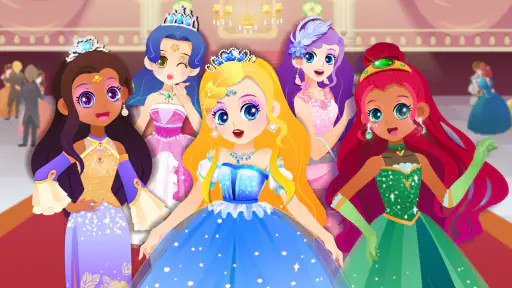
From the moment I opened Little Panda: Princess Makeup, I was greeted by a vibrant splash of colors and adorable animations that instantly had my attention. It's like stepping into a fairy tale where every touch unveils a new sparkle or twinkle. The app is designed with young users in mind, ensuring that navigation is smooth and intuitive, even for the tiniest fingers.
The Makeup Magic
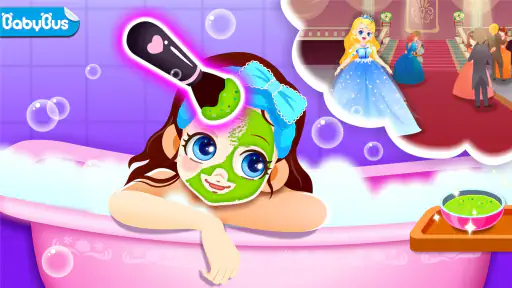
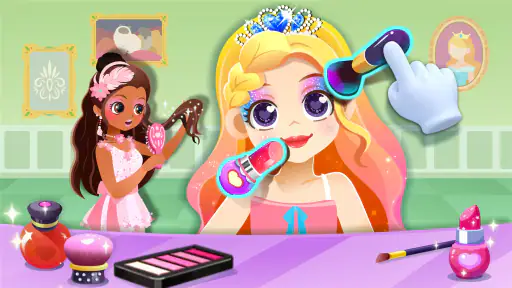
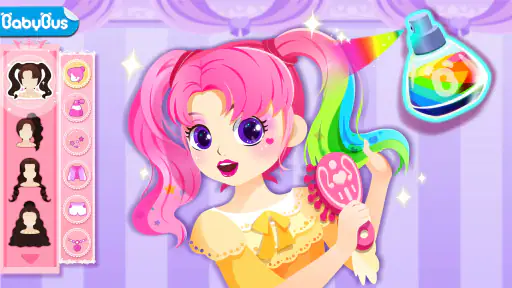
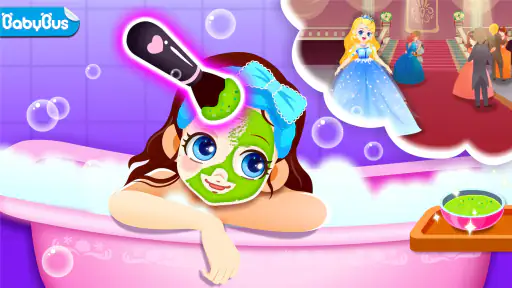
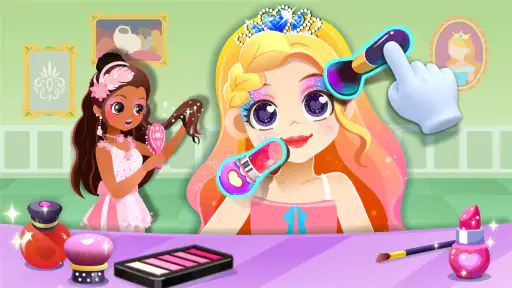
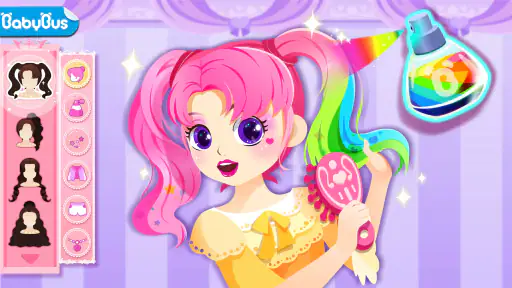
What I adore about this app is its vast array of makeup tools. Kids can indulge in a variety of cosmetics, from lipsticks to eyeshadows, and even glittery blushes. The selection is both fun and educational, allowing children to experiment with different looks, enhancing their creativity. The interactive design lets them try combinations that might just inspire the next big makeup trend!
For a more thoughtful play session, I would suggest letting the child pick one element at a time, then pausing to compare how the overall look feels. That turns rapid tapping into a simple exercise in noticing colors and making choices. It can also help a child who is overwhelmed by visual options: narrow the decision to one detail, such as a lip color, then invite them to choose the next. This is a low-pressure way to explore without assuming that the game teaches real-world cosmetic technique.
Dress-Up Galore
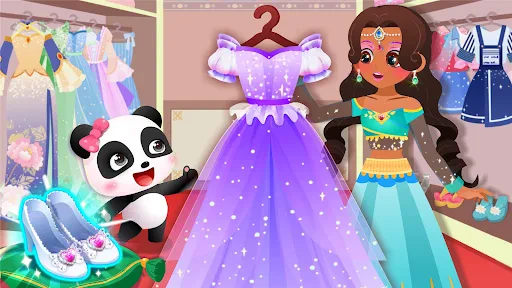
But wait, there's more! After the perfect makeup, it's time to dress up. The app offers an extensive wardrobe full of princess gowns, accessories, and shoes. The dress-up feature is incredibly detailed, offering endless combinations that keep the little ones engaged for hours. This section is particularly great for encouraging decision-making and style exploration.
A useful variation is to give the child a pretend occasion—perhaps a party, a family celebration, or a rainy-day royal adventure—and ask them to choose an outfit that suits it. The scenario comes from the adult, so it adds a bit of storytelling without needing the game to provide a particular plot. If the child prefers to make intentionally mismatched choices, that can be part of the fun too; the value here is in trying ideas, not producing a polished result.
Enchanting Mini-Games
Just when I thought it couldn't get any better, I stumbled upon the mini-games. These aren't just any games; they're enchanting little adventures that are both entertaining and educational. Whether it's solving a puzzle to find a lost crown or matching colors to win a prize, the mini-games provide a delightful break from the main activities, while still fitting perfectly within the magical theme.
Where it fits among children’s games
Compared with a conventional puzzle game, this one puts visual choice ahead of a single correct answer. Compared with a drawing app, it offers a character and a themed makeover context rather than a blank page. That distinction helps me decide who it suits: a child who likes arranging colors, clothing, and accessories may settle into it quickly, while a child who wants to build, draw freely, or solve increasingly difficult challenges may prefer another kind of game.
It can also work as a shared activity when an adult wants an easy way to join in without taking control. A child can make the selections while a parent asks open questions about the look or invents a small party scenario. I would avoid presenting the game as a way to learn beauty standards or adult makeup habits. Its strongest use is imaginative play, where the child is free to make choices and change their mind.
Choosing the right moment to play
A realistic use case is a short wait at home while dinner is being prepared: the child can explore a makeover, choose an outfit, and move between activities while an adult remains close enough to help. It is less suitable if you need a dependable, hands-off activity for a long stretch, since young children may need help understanding the choices and an adult should be attentive to optional purchases. For travel or a quiet waiting room, I would first try it at home so the child already knows how to move through the game.
Parents may also wonder whether the game is free in the everyday sense. It is free to install, but it includes optional in-app purchases priced from $1.99 to $3.99 per item. I would review purchase controls on the device before handing it over, then explain that spending decisions belong to an adult. That small bit of preparation can prevent an enjoyable play session from turning into a negotiation about buying something.
Who should try it—and who may prefer something else
I would recommend giving it a try if your child gravitates toward princess themes, enjoys making visual choices, and is content with imaginative play rather than a competitive target. The game has an Everyone content rating and is free, which makes trying it straightforward, though the purchase options still call for adult awareness. BabyBus has made a game with a clear child-focused presentation, and the experience is most rewarding when a grown-up treats it as a prompt for conversation instead of expecting formal instruction.
I would skip it for a child who dislikes makeover themes, wants a more demanding puzzle, or needs an activity with a strong learning sequence and measurable progression. It is also not the best choice if you want a realistic beauty simulator. The fantasy framing is part of its appeal, but it means the play is about imaginative styling, not practicing practical skills or following a detailed tutorial.
What the audience response suggests
The game has an average rating of 3.8 from around 159,000 ratings, with about 661 written reviews and over 100 million installs. I read that reach as a sign that the princess-makeover idea has broad appeal, not as a guarantee that every child will enjoy it. Ratings for children’s games can reflect very different expectations: some families want a calm dress-up activity, while others are looking for a deeper game or fewer purchase prompts. I would use the rating as context and let the child’s interests decide.
The current version is 8.72.00.01, and it requires Android 5.0 or later. Those details are useful before installing on an older device, but the best test is still a supervised first session. Give the child a little time to explore, see whether the choices hold their attention, and decide from there whether it belongs in their regular rotation.
In conclusion, Little Panda: Princess Makeup is more than just an app; it's a gateway to a whimsical world where imagination knows no bounds. It's perfect for young children who love to play dress-up and experiment with makeup, all while learning valuable skills. Whether you're a parent looking for a safe and educational app for your child, or a little one eager to dive into a world of fantasy, this app is a definite winner in the realm of children's entertainment. So go ahead, give it a try and watch your child's creativity soar!
Little Panda: Princess Makeup Pros and Cons
Pros
- Engaging and colorful graphics.
- User-friendly interface for kids.
- Educational content included.
- Boosts creativity and imagination.
- Safe and ad-free environment.
Cons
- Limited levels and features.
- Requires internet for updates.
- In-app purchases can add up.
- May be repetitive over time.
- Not challenging for older kids.
This Game in Other Languages
Frequently Asked Questions
What is Little Panda: Princess Makeup app about?
Little Panda: Princess Makeup is an engaging and educational mobile application designed for children, primarily focusing on creativity and fun. The app allows kids to explore various makeup styles and fashion trends by dressing up a virtual princess character. It aims to enhance creativity and imagination while offering a safe and child-friendly platform for young users.
Is Little Panda: Princess Makeup safe for children?
Yes, the Little Panda: Princess Makeup app is designed with the safety of children in mind. It features age-appropriate content, ensuring that all makeup and fashion activities are suitable for young users. The app does not include any inappropriate content or advertisements, providing a secure environment for kids to enjoy their creative playtime.
Are there any in-app purchases in Little Panda: Princess Makeup?
The Little Panda: Princess Makeup app offers a basic version that is free to download and play. However, it may include optional in-app purchases for additional features, makeup items, or outfits. Parents should be aware of these options and manage settings accordingly to prevent unauthorized purchases by children.
Does Little Panda: Princess Makeup require an internet connection?
Little Panda: Princess Makeup can be enjoyed without an internet connection, making it perfect for on-the-go play. However, certain features or updates may require internet access. Users can download content beforehand to ensure a seamless experience without the need for constant connectivity.
What age group is Little Panda: Princess Makeup suitable for?
Little Panda: Princess Makeup is primarily designed for children aged 4 to 10 years. The app's engaging and colorful interface, along with simple navigation and intuitive controls, make it easy for young children to use. It encourages creativity and interactive play, making it suitable for kids who enjoy makeup and dress-up games.


