

Blockudoku®: Block Puzzle Game
- Reviews
- 4.6
- Version
- 3.24.0
- Installs
- 100,000,000+

Screenshots



 Analysis by Frivlyz
When I have a few minutes to fill, I like a puzzle that starts quickly and doesn’t ask me to learn a long set of rules first. That is the appeal of Blockudoku®: Block Puzzle Game: it puts a spatial planning challenge on a familiar-looking board, and I can get into a round without much preparation. It is a free puzzle game from Easybrain, rated for Everyone, and its mix of straightforward moves and increasingly tight decisions makes it easy to return to.
A quick start, with decisions that take longer
The basic idea is easy to pick up: place blocks on a grid and clear completed lines or square regions. The controls are direct, so the early minutes are about understanding how the pieces fit rather than navigating menus. That makes the game convenient during a short break, though a simple start should not be confused with a consistently easy session. As open spaces shrink, each placement has more consequences, and I find myself pausing to compare options before committing.
That difference between quick interaction and considered play is central to its pace. A move takes little effort to make, but a crowded board can make the next move feel important. I would not choose it when I want a fast action game or a puzzle with a clear finish in every brief session. It works better when I am comfortable stopping after a small amount of play, or carrying a run a little further because I want to improve my result.
How I use the board, not just the pieces
It is tempting to place whichever block seems easiest to fit, especially when I am playing casually. I get better results when I first look for places where a move could clear more than one area, then check whether the remaining open space will still accept awkward shapes. Saving room for less flexible pieces is a useful habit; filling a large empty patch with a convenient block can look tidy but leave the board harder to manage a few turns later.
I also try to treat the board as a set of future options rather than a space to fill as quickly as possible. Before placing a piece, I look at the narrow gaps and at the sections that could be completed soon. This small pause is most useful when several placements seem legal. It does not guarantee a long run, but it helps me avoid moves that solve the immediate problem while creating a worse one.
That makes the game a good fit for someone who enjoys spatial puzzles and wants a little room to improve through practice. It is less appealing if you prefer word puzzles, number deduction, or a campaign built around a story and changing objectives. The block-placement format is the main event, so players who tire of repeatedly assessing a grid may find its simplicity limiting rather than relaxing.
What’s the Buzz About?
So, what makes Blockudoku® stand out in the crowded world of mobile puzzle games? It’s all about the blend of strategy and simplicity. The app cleverly combines the number-crunching thrill of Sudoku with the spatial reasoning challenge of Tetris-style block games. It’s simple to learn, but don’t let that fool you—mastering it is a whole different story.
Gaming Stories You May Enjoy

Dancing Road Turns Short Breaks Into a Test of Rhythm and Timing

Super Stylist Makes Every Outfit a Test of Taste and Patience

Dominoes on Your Terms: Who Should Play and Who Should Pass

Pokémon GO Makes the Familiar World Feel New

Chess.com Turns Rematches Into Rivalries, but Community Has Its Costs

Archery Battle 3D Review: Sharp Aiming, Unclear Feedback
Gameplay Mechanics
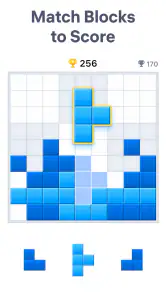
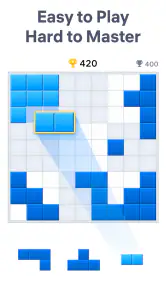
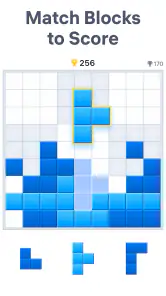
When you open the app, you’re immediately greeted with a soothing, minimalist interface. The game board consists of a 9x9 grid, similar to Sudoku, but instead of filling it with numbers, you’ll be placing blocks of various shapes. Your goal is to clear lines and 3x3 squares by strategically placing these blocks. It’s a satisfying blend of planning and quick thinking.
The blocks come in different configurations, and you’ll need to rotate and position them just right. Every move counts, and one wrong block placement can throw off your entire strategy. What I love is how the game forces you to think a few steps ahead, much like a game of chess.
For a realistic everyday use, I can imagine opening it while waiting for a takeaway or sitting through a short commute, playing carefully rather than trying to rush. It suits that stop-and-start rhythm because the core challenge is easy to understand again when I return to the board. If I am in a hurry, though, I would rather leave a difficult position alone than make a rushed placement that closes off useful space.
Features that Hook You In
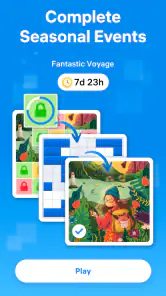
One of the standout features of Blockudoku® is its daily challenges. These are a great way to keep the game fresh and engaging. Completing daily tasks earns you rewards, which adds a nice layer of motivation to keep coming back.
The app also offers different modes, including a timed challenge for those who thrive under pressure, and a relaxed mode for when you just want to unwind. The customization options are a sweet touch too. You can choose from different themes, allowing you to personalize your gaming experience.
Those options matter because the same board-based idea can feel different depending on whether I want a measured session or a more pressing one. I would use a relaxed option when the point is to switch off, and reserve a timed challenge for a moment when I actually want urgency. That is a worthwhile distinction: a timer may sharpen attention, but it can also make careful planning less enjoyable, so it is not automatically the better choice.
Daily tasks give me a reason to check back, but I would not treat them as a requirement. If I only have time for one short round, I can focus on that rather than turning a casual puzzle into another obligation. Players who dislike recurring goals may prefer to ignore that layer and simply play when the mood strikes.
Visuals and Sound
The graphics are clean and simple, which is perfect for a puzzle game. It’s all about letting you focus on the task at hand without any unnecessary distractions. The color palette is easy on the eyes, making it comfortable to play for extended periods.
As for the sound, it’s delightfully subtle. The background music is calming, which helps maintain focus. The sound effects are satisfying without being intrusive, adding to the overall immersive experience.
In practical use, the restrained presentation supports the puzzle rather than competing with it. I can pay attention to the arrangement of the blocks without needing to follow animated action or a stream of narrative text. If I want a game that delivers spectacle, varied environments, or a strong sense of progression through a world, this understated approach will probably feel too quiet.
Choosing it over other puzzle styles
Compared with a conventional Sudoku game, this asks me to judge shapes and empty space rather than solve number relationships. Compared with a falling-block game, it gives me time to inspect a placement instead of asking me to react to pieces moving down the screen. That makes it a useful middle ground: more spatial than number Sudoku, but less reflex-driven than arcade block games.
The trade-off is that the central activity remains familiar from round to round. Someone who enjoys improving a personal score and refining their placement habits can get plenty from that loop. Someone who needs new rules, a large collection of puzzle types, or a guided sequence of increasingly distinct stages should look elsewhere. I would pick a traditional Sudoku app for number logic, and a real-time block game when quick reactions are the point.
Why You’ll Love It
What really sets Blockudoku® apart is its ability to be both a relaxing pastime and a serious mental workout. It’s one of those games that you can play for a few minutes between tasks or dive into for an extended session. The sense of accomplishment when you clear the board is immensely rewarding.
Plus, it’s perfect for all ages. Whether you’re a kid looking to challenge your brain or an adult seeking a quick escape, this game has something for everyone.
Its audience is broad, but not universal. I would recommend it to people who like visual planning, short repeatable challenges, and the satisfaction of making a crowded board workable. I would skip it if I wanted a puzzle with a definite endpoint every time, or if I tend to get annoyed when a good run depends on making careful choices with limited room. The most useful approach is to value a thoughtful move, not just a high score.
One small habit can make a session feel less frustrating: scan the whole board before placing each piece, especially when a block has an unusual shape. It is easy to focus on the largest open area and miss a tighter space that only one piece can use. I also avoid filling every available gap just because I can; preserving a few connected spaces often gives me more flexibility for the next set of blocks.
Reliability and device fit
Blockudoku has a 4.6 average from around 1.3 million ratings, and it has been installed over 100 million times. Those figures suggest that it has found a large audience, but they do not tell me how it will behave on every phone. I would judge the experience by the basics that matter for this kind of game: whether the board remains easy to read, whether placing a piece feels responsive, and whether I can resume a casual routine without needing to relearn the rules.
The current version is 3.24.0, and the minimum operating system requirement is Android 8.0. That makes checking compatibility worthwhile before installing it on an older device. Since the game’s main activity is a static puzzle board rather than a visually demanding action sequence, I would expect its play style to be less taxing than a graphics-heavy game, but actual speed and battery use can still vary by device and how long I play.
If a session is interrupted, the practical question is whether I can comfortably return to the same kind of puzzle routine, not whether the game promises a particular recovery feature. I would avoid starting a timed round when I know I may need to put my phone away at any moment. A relaxed session is the safer choice for waiting rooms and other unpredictable stretches of time.
The game is free to download and includes optional in-app purchases, with items priced at $14.99 each. I would approach those as optional extras rather than something needed to understand the basic appeal. If I am deciding whether it belongs on my phone, I would first see whether the core block-placement loop suits me before spending anything.
Final Thoughts
If you’re on the hunt for a new puzzle game to spice up your routine, Blockudoku®: Block Puzzle Game is definitely worth a download. It’s a refreshing take on puzzle gaming that combines strategy, skill, and a bit of luck. And the best part? It’s free to play, with optional in-app purchases. So why not give it a shot? You might just find your new favorite pastime.
Head over to your app store and get ready to embark on a block-busting adventure. Trust me, once you start playing, it’s hard to put down. Happy puzzling!
My recommendation is specific: try it if you want a compact spatial challenge that rewards patience more than speed, and if repeating a familiar board does not bother you. Easybrain keeps the premise approachable, while the pressure of managing open space gives the choices some bite. I would not call it a substitute for every puzzle game, but as a free option for a short mental reset, it is an easy one to consider.
Blockudoku®: Block Puzzle Game Pros and Cons
Pros
- Engaging and addictive gameplay.
- Simple controls for easy play.
- Visually appealing interface.
- Regular updates with new features.
- No internet required for play.
Cons
- Contains ads that can be disruptive.
- Limited customization options.
- May drain battery quickly.
- Some in-app purchases are costly.
- Lacks multiplayer mode.
This Game in Other Languages
Frequently Asked Questions
What is Blockudoku® and how do you play it?
Blockudoku® is a unique blend of Sudoku and block puzzle games that challenges players to strategically place blocks on a grid to clear lines and 3x3 squares. The goal is to keep the board clear while maximizing your score. It requires strategic thinking and foresight, making it both challenging and addictive.
Is Blockudoku® free to play, or does it have in-app purchases?
Blockudoku® is free to download and play. However, it offers in-app purchases that can enhance the gaming experience. These may include options to remove ads, purchase hints, or obtain special themes. While the game is fully playable without spending money, these extras can add convenience and personalization.
Can Blockudoku® be played offline?
Yes, Blockudoku® can be played offline, making it a perfect game for those moments when you don't have access to Wi-Fi or mobile data. This feature allows players to enjoy the game anytime and anywhere, whether you're on a long flight or in a remote area.
Does Blockudoku® offer any social features or leaderboards?
Blockudoku® includes leaderboards that let you compare your scores with friends and other players worldwide. While it doesn't have extensive social features, the leaderboard provides a competitive edge that can motivate you to improve your skills and achieve higher scores.
Is Blockudoku® suitable for all ages?
Blockudoku® is suitable for players of all ages. Its simple mechanics make it easy for younger players to understand, while the strategic depth offers a challenge for older users. It's a great way for families to enjoy a brain-teasing, fun activity together, promoting cognitive skills and strategic thinking.


