

Clash of Clans
- Reviews
- 4.5
- Version
- 17.126.20
- Installs
- 500,000,000+

Screenshots
 Analysis by Frivlyz
Ever wondered what it’s like to be both a strategist and a builder at the same time? Well, with Clash of Clans, you can be both and more! This game has been around for a while, but it never seems to lose its charm. Let me take you through my experience with this epic mobile game.
A routine that makes village growth manageable
The best way I’ve found to approach a village is to give each visit a small purpose. I might collect what has accumulated, start one useful upgrade, adjust my army, and then decide whether I have time for a raid. That keeps the game from turning into a string of distracted taps, especially when a building or troop upgrade is already underway. Since construction takes patience, I treat the waiting as a reason to plan my next move rather than a demand to stay online.
That rhythm suits short breaks particularly well. A quick check can be enough to set an upgrade in motion, while a longer session is better saved for careful attacks or clan activity. I wouldn’t recommend expecting every visit to deliver a dramatic breakthrough: progress is built from many small choices. The satisfying part is seeing those choices add up, not rushing through them.
Our Stories on Clash of Clans
Why Clash of Clans Remains a Strategic Powerhouse
NewsClash of Clans: Outmaneuvering the Competition
NewsHow Trivia Crack 2's Live Trivia Feature Elevates the Game
NewsHow Clash Royale Became a Mobile Gaming Phenomenon
NewsMastering Strategy in Lords Mobile: Kingdom Wars
NewsEvony: The King's Return – A Strategic Powerhouse in Mobile Gaming
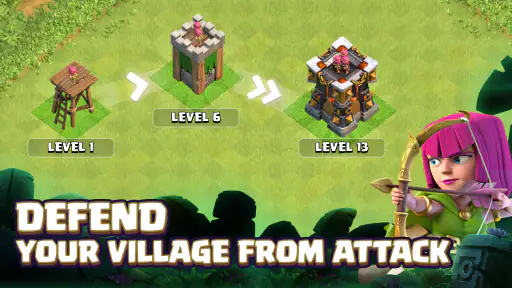
NewsWhen I’m deciding what to improve, I try to think beyond the next available button. A defensive building can make the village harder to raid, while troop improvements support the attacks I actually like to use. Spreading resources across unrelated goals may feel productive, but it can leave the village without a clear strength. I get more value from choosing a priority and keeping my spending aligned with it.
Settings and habits worth checking
Before settling into a routine, I recommend looking through the game’s settings and interface at your own pace. The most useful choice depends on how you play: someone who checks in often may welcome a different notification routine from someone who prefers to open the game only when they have time. I keep alerts purposeful, because a game that fits around the day is more enjoyable than one that constantly interrupts it.
I also take a moment to inspect what is selected before committing to a battle. Army composition, available spells, and the opponent’s layout all affect whether a plan makes sense. It is easy to enter an attack on autopilot, but a few seconds spent reviewing the setup can prevent a poor match between the troops I brought and the defenses I face. That simple pause is one of the most reliable habits I’ve picked up.
For new players, the interface is approachable, but the number of buildings, resources, and upgrade paths can still feel busy. I’d focus on learning what each choice does rather than trying to memorize everything at once. If you’re playing with someone else nearby, it can also help to agree on a sensible stopping point; the game’s ongoing timers can make “one more thing” tempting even when you meant to take a short break.
Gaming Stories You May Enjoy

Dancing Road Turns Short Breaks Into a Test of Rhythm and Timing

Super Stylist Makes Every Outfit a Test of Taste and Patience

Dominoes on Your Terms: Who Should Play and Who Should Pass

Pokémon GO Makes the Familiar World Feel New

Chess.com Turns Rematches Into Rivalries, but Community Has Its Costs

Archery Battle 3D Review: Sharp Aiming, Unclear Feedback
Faster patterns without careless play
A repeatable attack routine helps me move faster without turning battles into guesswork. I first look for the most important defensive threats, then consider where troops can enter and what might distract them from the intended route. I place units with a purpose instead of dropping everything at once. Even a rough plan—clear an edge, open a path, then send in the main force—gives me a better chance than reacting only after the fight has begun.
I also avoid copying an army simply because it worked once. A layout that was easy to attack may be very different from the next one, and the same force can produce a different result when its entry point changes. If a raid goes badly, I try to identify one cause: perhaps defenses stayed active too long, troops split apart, or I misjudged the route. Learning one lesson from a loss is more useful than changing the whole approach without knowing why.
There is a practical trade-off between speed and attention. Routine village checks can be brief, but a battle deserves enough focus to inspect the base and deploy thoughtfully. If I’m walking into a meeting or only have a few seconds, I’d rather leave the attack for later than start one carelessly. That distinction makes the game easier to fit into real life and helps avoid the feeling that every spare moment must become a session.
For players who like improving through repetition, keeping a mental note of which troop combinations and entry choices suit different layouts is more useful than chasing a single universal strategy. The game rewards adaptation: a dependable habit is to observe first, choose a clear objective, and then commit. It is a small workflow, but it makes each raid feel more like a decision than a gamble.
Building Your Empire
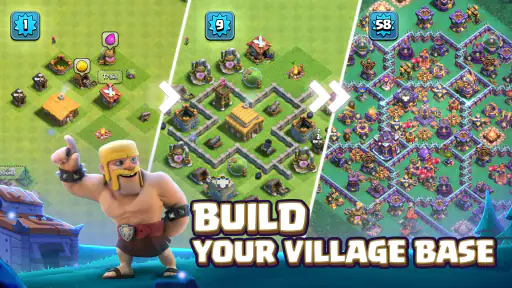
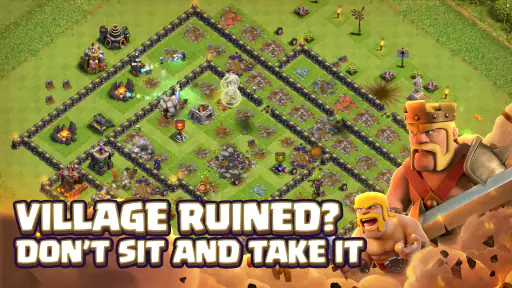
Clash of Clans is all about building your village from scratch. You start with a few huts and gradually expand your empire into a bustling city with fortresses, walls, and an army to boot. It's a little like playing SimCity with a medieval twist. The satisfaction you get from seeing your village grow is absolutely top-notch.
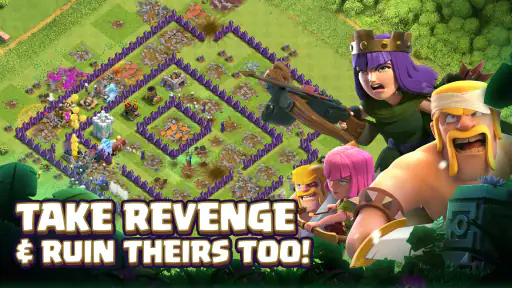
Now, the game doesn’t just let you build willy-nilly. You need resources, and that’s where the strategy comes into play. You’ve got to manage your gold, elixir, and dark elixir wisely to keep upgrading your village and troops. And let me tell you, the thrill of raiding other players' villages for resources is exhilarating!
Strategic Battles and Raids
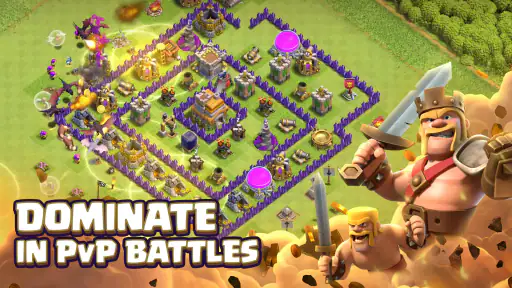
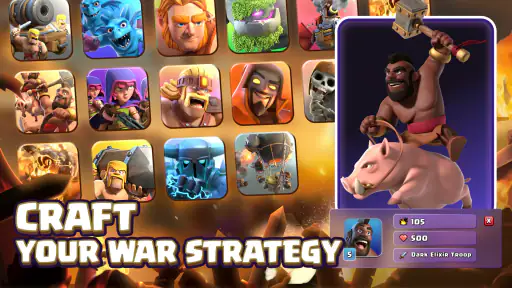
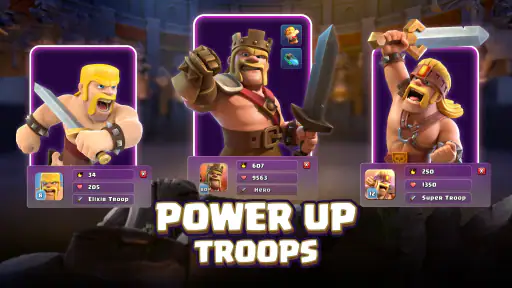
This is where Clash of Clans truly shines. The battles are as strategic as they are fun. You assemble your army from a variety of troops, each with its own strengths and weaknesses. Think of it like a game of chess, but with barbarians, archers, and dragons. You need to plan your attacks carefully to outsmart and overpower your opponents.
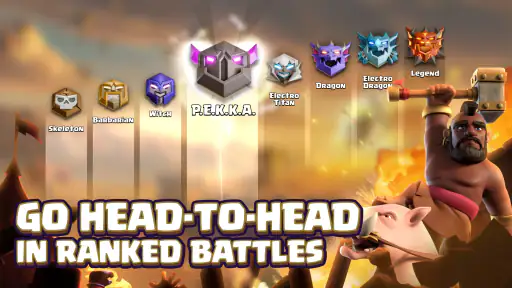
Joining a clan adds another layer of excitement. Clan wars are massive, and the camaraderie you build with your clanmates is a big part of what makes the game so engaging. You can donate troops, strategize together, and climb the ranks as a team. It’s like being part of a medieval brotherhood!
What clan play changes about the experience
Clan participation gives the game a social rhythm that solo village building cannot provide. It can be a good fit if you enjoy coordinating with other people, sharing advice, and contributing to a common effort. It is less appealing if you want a completely private, pause-anytime experience: other players’ plans and group activity can make the game feel more demanding than a solo strategy title.
I’d treat clan involvement as a choice, not a requirement for enjoying the core loop. A quiet player can still spend time improving a village and learning attacks, while a social player may find that discussing plans makes battles more interesting. Before committing to a group, consider how often you want to play and how much coordination sounds fun. The right fit is one where participation feels welcome rather than like an obligation.
For an everyday example, I might check in during a lunch break to collect resources and start an upgrade, then return later when I have enough attention for a raid. If clanmates are organizing an activity, I can decide whether that timing works instead of trying to squeeze it into a rushed moment. That flexibility is one of the game’s strengths, though its longer-term goals can still tempt you to check more often than you intended.
Where it sits among strategy games
Compared with turn-based strategy games, this one asks for decisions during live attacks rather than letting me consider every move indefinitely. Compared with city-building games focused mainly on peaceful planning, it ties village development to defense and raids. That combination is the distinctive appeal: building is not just decoration or management, because the layout and upgrades connect to the competitive side.
The trade-off is that people looking for a self-contained campaign or a strategy game that can be completed in a few focused sessions may prefer something else. Clash of Clans is designed around ongoing development and repeated play. I find it strongest when I enjoy gradually refining a base and learning from opponents; I would choose a more story-driven game if I wanted a clear ending, or a purely creative builder if battles and competition were distractions.
It is free to start, which makes it easy to try, but optional in-app purchases range from $0.29 to $239.99 per item. I’d set my own spending boundaries before playing, particularly if I’m prone to paying to speed up progress. Purchases are not a substitute for understanding attacks or choosing upgrades well. If you prefer games with no optional spending at all, this is worth considering before you invest time in its long-term progression.
Graphics and User Experience
One thing I have to give props for is the graphics. The colorful and vibrant design of the game keeps things visually interesting. Even after hours of play, the lively animations and detailed environments keep the experience fresh and enjoyable. Plus, the user interface is pretty intuitive, which makes navigation a breeze even for beginners.
Another aspect worth mentioning is the regular updates. The developers are always adding something new, whether it’s seasonal events or new troops and buildings. This constant refresh keeps players coming back for more, ensuring that the game doesn’t become stale.
Who will enjoy it—and who may not
I’d recommend it to someone who likes a steady project, tactical attacks, and the satisfaction of seeing a plan improve over time. It also works well for players who enjoy comparing approaches with friends or a clan. The strategic layer is accessible enough to begin learning, yet there is room to make more deliberate choices as you get comfortable with troop roles, defenses, and resource priorities.
I’d be more cautious about recommending it to someone who dislikes timers, recurring resource decisions, or competitive multiplayer. It may also be a poor match if you want every session to end with a complete chapter or a fixed amount of progress. Because the game is built around gradual growth, a relaxed attitude toward waiting makes a real difference. If a timer feels like a chore rather than a planning interval, a self-contained puzzle or campaign game may be a better use of your time.
The age rating is Everyone 10+, so I’d still make the usual family decision based on the player and the household’s expectations around online interaction and optional purchases. The game’s colorful presentation can look simple at first, but its battles and social elements are better approached with a little guidance for younger players. I would also help them understand that spending is optional and decide in advance whether purchases are allowed.
Knowing the limits of a well-practiced routine
Experience makes the basic loop smoother, but it does not remove every uncertainty. A familiar army can still struggle against a different layout, and no quick checklist guarantees a strong raid. I’ve found that the useful distinction is between a routine and a rigid script: the routine reminds me to inspect, plan, and deploy, while the actual choices change to suit the opponent.
There is also a limit to how much planning pays off when I’m not in the mood to focus. If I’m tired, I’m more likely to place troops without a clear purpose or spend resources on whatever is immediately available. On those days, a short village check is a better choice than forcing a battle. Knowing when not to attack is a small but valuable part of playing well.
The current version is 17.126.20, and the game comes from Supercell, the developer behind its continuing upkeep. It has been available since September 30, 2013, and its reach—over 500 million installs, with an average rating of 4.5 from around 62 million ratings—shows how widely it has been played. Those figures tell me it has staying power, but they don’t guarantee that its pacing will suit everyone; the best test is whether you enjoy the routine of building, planning, and returning.
The game requires Android 5.0 or later, and it is free to download. Those details make it straightforward to try on a compatible device, though I’d still think about how much time I want to give a persistent strategy game before making it part of my daily routine. Its content rating is Everyone 10+, and the optional purchases are the main practical consideration for anyone setting boundaries around spending.
A lasting strategy game, if its pace suits you
In conclusion, Clash of Clans is a game that masterfully blends strategy and creativity. Whether you're a seasoned gamer or a newbie looking for a fun way to pass the time, this game offers something for everyone. So, what are you waiting for? Grab your phone, gather your troops, and start building your empire today!
My recommendation comes with one qualification: approach it as a gradual hobby, not a race to finish. Give yourself a simple routine, spend resources with a purpose, and save focused attention for attacks and clan plans. If that kind of incremental strategy sounds satisfying, there is plenty to learn and enjoy here. If you want a short, self-contained experience without timers, ongoing competition, or purchase prompts, I’d choose a different game instead.
Clash of Clans Pros and Cons
Pros
- Engaging multiplayer battles.
- Regular updates with new content.
- Diverse troop and building options.
- Strategic gameplay elements.
- Strong community support.
Cons
- Requires constant internet connection.
- Can be time-consuming.
- In-app purchases can be costly.
- Progress can be slow without spending.
- Occasional balancing issues.
This Game in Other Languages
Frequently Asked Questions
What is Clash of Clans and how do I play it?
Clash of Clans is a popular mobile strategy game where you build and upgrade your village, train troops, and engage in battles with other players. The goal is to earn resources, trophies, and to join or create a clan to participate in clan wars. The game involves strategic planning, resource management, and multiplayer combat. It's available on both Android and iOS platforms.
Is Clash of Clans free to play, or are there in-app purchases?
Clash of Clans is free to download and play; however, it includes in-app purchases. Players can buy gems, which can be used to speed up progress, buy resources, or acquire special items. While the game can be enjoyed without spending money, some players opt for purchases to advance quickly. It's important to manage spending, especially for younger players.
What are the system requirements for downloading Clash of Clans?
For Android devices, Clash of Clans requires at least Android 4.4 or higher, with a stable internet connection. For iOS users, the game requires iOS 10.0 or later. The game is compatible with both iPhone and iPad. It's crucial to ensure your device meets these requirements to enjoy smooth gameplay and to receive updates regularly.
Can I play Clash of Clans with friends?
Yes, Clash of Clans is a social game that allows you to play with friends. You can join or create a clan to participate in clan wars together, share troops, and enjoy collaborative events. The game encourages teamwork and communication, making it more enjoyable when played with friends or fellow clan members from around the world.
How often does Clash of Clans receive updates and new content?
Clash of Clans receives regular updates to introduce new features, balance changes, and special events. Supercell, the developer, frequently adds new troops, defenses, and gameplay mechanics to keep the game fresh and engaging. Players can expect seasonal events and challenges, ensuring there's always something new to explore and enjoy.


