

Fashion Show: Makeup, Dress Up
- Reviews
- 4.6
- Version
- 3.3.5
- Installs
- 100,000,000+

Screenshots
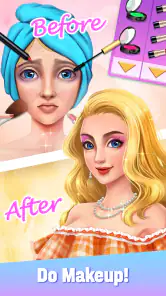
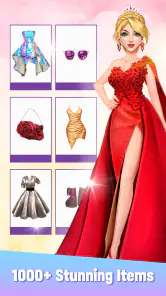

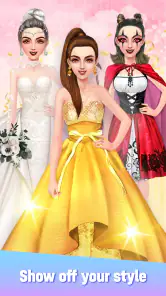

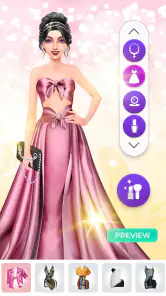
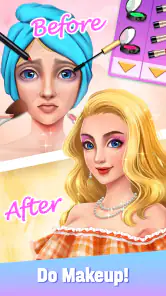
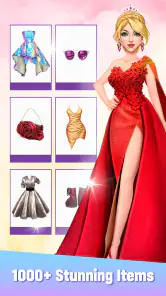
 Analysis by Frivlyz
Before opening Fashion Show: Makeup, Dress Up, I’d set expectations around its central appeal: making fashion and makeover choices in a light simulation game. The idea is easy to understand, so a first-time player does not need to arrive with styling knowledge or a plan. I would treat the first session as a chance to explore the fashion-show premise and see whether choosing looks is relaxing fun for me, rather than expecting a deep fashion-design toolkit or a detailed simulation of working in the industry.
That distinction matters when choosing between dress-up games. Some lean heavily on story, others on collecting items or competing, and some offer tools intended for careful outfit creation. This game’s clear starting point is fashion-show styling, which is a good fit if you want an approachable creative activity. If you are mainly looking for realistic garment design, extensive control over every detail, or a strategy game with layered systems, I would compare alternatives before settling in. A fashion theme alone does not guarantee that a game will suit every kind of fashion fan.
What a first session is best for
I’d begin with a small goal: make a look that feels coherent to me, rather than trying to create the “perfect” outfit straight away. That makes the first meaningful success personal and achievable. Pick an overall mood first—such as polished, playful, or dramatic—and use that as a guide when making styling choices. Even when a game gives you a broad set of fashion decisions, a simple theme helps avoid the familiar trap of selecting appealing pieces that do not feel like they belong together.
Our Stories on Fashion Show: Makeup, Dress Up
Fashion Show: Mastering the Art of Style and Strategy
NewsFashion Show: Makeup, Dress Up Transforms with AR and OS Updates
NewsDancing Road Turns Short Breaks Into a Test of Rhythm and Timing
NewsSuper Stylist Makes Every Outfit a Test of Taste and Patience
NewsDominoes on Your Terms: Who Should Play and Who Should Pass
NewsPokémon GO Makes the Familiar World Feel New
NewsThis is also a useful way to tell whether the game’s pace works for you. If choosing and adjusting a look feels enjoyable, there is a reason to keep exploring. If you find yourself wanting more control, more context, or a different kind of challenge, that is useful information too. I would not treat a short first session as a test of fashion talent; the point is to see whether the basic activity is satisfying.
Starting without overthinking the setup
For a new player, the easiest path is to install the game, open it, and follow the choices presented on screen rather than searching for an advanced strategy before beginning. It is a free simulation game from Dress Up Games for Girls, and its fashion-show focus gives you a straightforward reason to try it: explore styling and makeover play. The game is rated Everyone, so its stated age classification is broad, though parents should still make their own decisions about a child’s use of any app and its in-app purchase options.
It runs on Android 7.0 or later. If you are setting it up on a device shared with a child, I recommend checking purchase controls before handing it over. The game is free to download, but it offers in-app purchases priced from $0.99 to $49.99 per item. That range is worth knowing before play, especially if a child might tap purchase prompts or if you prefer to keep entertainment spending predictable. You can decide your household’s rules in advance instead of having that conversation mid-session.
The first styling decision that pays off
My practical tip is to choose a focal point before making any other styling decisions. Decide whether the look should be led by makeup, clothing, or the overall fashion-show impression, then make the remaining choices support it. This is more useful than trying to make every element the star. It gives you a simple creative constraint, and constraints often make a dress-up activity feel more rewarding rather than less free.
Gaming Stories You May Enjoy

Chess.com Turns Rematches Into Rivalries, but Community Has Its Costs

Archery Battle 3D Review: Sharp Aiming, Unclear Feedback
Should You Switch to Geometry Dash Meltdown? A Test of Timing and Patience

Fidget Toys Trading・Pop It 3D: What Happens When the Game Stumbles
NBA LIVE Mobile Makes the Season the Main Event

Sonic Forces: PvP Battle Race - Speed and Strategy Combined
After that, pause once to review the whole look instead of judging each choice in isolation. Ask whether the pieces seem to share a mood and whether one detail is distracting from the rest. This quick final check is a better first-session habit than endlessly changing individual choices. It also gives you a clear stopping point: when the look expresses the idea you started with, you have succeeded, even if you could keep tweaking it.
A realistic everyday use is a short break between other tasks. I might open a fashion game while waiting for a meal to finish or unwinding after school, set myself one small styling idea, and stop when I have completed that look. That makes the experience easier to fit into an ordinary day than approaching it as a long commitment. If I have only a few minutes, I can focus on making one deliberate set of choices; if I have longer, I can experiment with a different mood rather than repeating the same approach.
The Glamorous World of Dress-Up
First things first, let’s talk about what makes this app a standout in the sea of fashion games. Fashion Show: Makeup, Dress Up is not just about dolling up avatars; it’s about creating a fashion statement. As soon as you launch the app, you’re greeted with a vibrant and user-friendly interface that makes navigation a breeze. Whether you’re a novice or a seasoned player, you’ll find it easy to dive into the fashion frenzy.
Customization Galore
One of the best features of this app is the sheer variety of customization options available. From chic hairstyles to trendy outfits, the choices are endless. You can mix and match to your heart’s content, ensuring your avatar is runway-ready. And let’s not forget the extensive makeup palette that allows you to craft the perfect look for any occasion. The app provides a real sense of freedom, making you feel like a true fashion designer.
When I’m deciding whether to keep playing a dress-up game, I pay attention to how the choices work together, not only to how many options appear. Fashion is often about editing: a strong look can come from a few compatible decisions, while adding more can make the result feel less focused. A helpful personal workflow is to settle on the overall impression first, make the main styling choices, and then stop before changing things simply because another option is available. That keeps the activity creative without turning it into an endless search for a supposedly flawless combination.
There is a trade-off here for different kinds of players. Someone who enjoys trying styles without pressure may find the open-ended premise appealing. Someone who wants precise control over garment construction or a realistic professional workflow may find a dress-up format too limited. I would choose this kind of game for playful visual experimentation, not as a substitute for a design program or a source of technical fashion instruction.
Challenges and Competitions
But wait, there’s more! The app spices things up with regular challenges and competitions that keep you on your toes. These events are not only fun but also a great way to showcase your styling prowess. Winning a challenge feels incredibly rewarding, and the in-game prizes are pretty sweet too. Plus, competing against other players adds an exciting social element to the game.
For a first-time user, the sensible approach is to explore the game at your own pace and use any goals the game presents as optional prompts, rather than assuming you need to chase every reward or keep up with every activity. In fashion games, a challenge can be a useful creative constraint: it gives you a reason to try a look you might not otherwise choose. But the enjoyment should still come from making choices, not from feeling pressured to spend or to play longer than you want. If a purchase prompt appears, take a moment to decide whether the item is genuinely worth paying for; the free entry point does not mean every extra is necessary.
Another useful trade-off is between guided play and self-directed styling. A prompt can make it easier to get started when you are staring at a blank slate, while making up your own theme offers more freedom. I’d alternate between the two approaches if both are available: use a prompt when I want a quick direction, and choose my own mood when I want the session to feel more personal. That advice does not depend on chasing a particular result; it is simply a way to keep a dress-up activity from becoming repetitive.
Learning Through Creativity
What I love about Fashion Show: Makeup, Dress Up is that it encourages creativity while subtly teaching fashion basics. You’ll find yourself learning about color coordination, fashion trends, and even the importance of personal style. It’s like a mini fashion school wrapped up in a game!
I’d describe that benefit as informal practice rather than a promise of structured lessons. Making visual choices can help a player notice how color, mood, and personal taste affect a look, but playful styling is not the same as studying fashion design. For a young player, it can be a pleasant way to explore preferences and talk about why one combination feels right. For an adult who wants instruction in sewing, materials, or professional styling, a dedicated learning resource would be a better match.
The same distinction helps answer whether this is suitable for someone who does not usually play games. Its fashion-show concept is easy to approach, and you can judge the appeal by trying the central styling activity rather than learning complex rules first. However, if you do not enjoy making appearance-based choices at all, the theme may not hold your interest. I’d recommend it to someone who likes visual creativity and casual simulation, not to someone looking for action, a demanding management system, or a long narrative as the main attraction.
How it fits beside other fashion games
Compared with fashion games built around a long story, a collection of characters, or intricate resource management, this title is most naturally approached as a direct fashion-show and makeover experience. That makes it easier to recommend to a friend who wants to get to styling without first committing to a complicated premise. The flip side is that anyone who values a substantial plot or deep strategic progression should look for those qualities specifically in another game rather than assuming they come with the fashion theme.
It also differs from non-game styling tools. A wardrobe planner or drawing app is more suitable if your goal is to organize real clothes, sketch original designs, or plan an outfit for an actual event. A dress-up simulation is better when the goal is low-stakes play: try a visual idea, enjoy the theme, and move on. I would not use an in-game look as a substitute for checking weather, comfort, dress codes, or what I own in real life. The useful comparison is about purpose, not which kind of app is universally better.
For quick variety, I’d give each session a different constraint: build around one mood, try a contrasting direction, or keep the overall impression simple. This is a small but effective way to make repeated styling feel more intentional. It also reveals whether the game’s central activity has enough appeal for you: if changing the idea makes the process enjoyable, the format may suit you; if the choices still feel repetitive, another type of game may be a better use of your time.
What to know before spending or settling in
The game is free, and its purchase options range from $0.99 to $49.99 per item, so I would separate “free to start” from “everything is free.” That is particularly relevant for families and for players who like to make impulse purchases in games. A simple rule—do not buy anything during the first session—gives you time to decide whether you enjoy the basic experience before considering optional spending. If you do decide to purchase, check the item and price carefully and use your device’s purchase protections where appropriate.
Its audience figures suggest that many people have tried it: it has a 4.6 average from around one million ratings, with over 100 million installs. Those numbers can offer reassurance that it is an established choice, but they cannot tell me whether its particular style of play will suit an individual. I’d use them as context, then judge by the actual appeal of fashion-show styling and by whether the game feels comfortable to use on your device.
The current version is 3.3.5, and the game was released on September 7, 2020. Those details are useful when checking that you have the intended title and a compatible Android device, but they are not a reason on their own to expect a particular feature or performance level. On iOS, check the relevant store’s compatibility information before installing. In either case, I’d make sure there is enough time to open the game and explore calmly instead of rushing through the first choices.
One question a parent may have is whether the Everyone rating means the game is automatically right for every child. I would treat the rating as a helpful starting point, not a replacement for family preferences. The fashion and makeover focus may appeal to children who enjoy visual play, while purchase prompts and time spent in games are still worth managing. Another common question is whether a new player needs to know fashion terminology. No: a personal theme and a willingness to experiment are enough to begin.
And if you are wondering whether you need to pay to enjoy it, I’d start with the free experience and make that decision only after you know what you like about the game. The presence of in-app purchases does not mean you must buy something to decide whether the basic fashion-show idea is for you. If you are seeking a more detailed creative tool, a story-led game, or a competitive experience as your main priority, compare options in that specific direction before spending.
In conclusion, if you’re someone who loves fashion or simply enjoys a good simulation game, Fashion Show: Makeup, Dress Up is a must-try. It’s a fun, engaging, and educational experience that offers more than just dress-up. Trust me, it’s not just a game; it’s a doorway into the dazzling world of fashion. So why not download it now and let your inner fashion guru shine?
Fashion Show: Makeup, Dress Up Pros and Cons
Pros
- Wide range of fashion items.
- User-friendly interface.
- Exciting makeup options.
- Regular updates with new content.
- High-quality graphics.
Cons
- Some items require in-app purchases.
- Occasional ads can be disruptive.
- Limited offline functionality.
- Requires a stable internet connection.
- May consume significant storage.
This Game in Other Languages
Frequently Asked Questions
What is Fashion Show: Makeup, Dress Up?
Fashion Show: Makeup, Dress Up is an engaging mobile game available on both Android and iOS that allows users to unleash their creativity in the world of fashion. Players can style models with a variety of clothing, makeup, and accessories to create stunning looks for different fashion events.
Is Fashion Show: Makeup, Dress Up free to play?
Yes, Fashion Show: Makeup, Dress Up is free to download and play. However, it offers in-app purchases that allow players to unlock additional features, outfits, and accessories to enhance their styling experience. These purchases are optional and not necessary to enjoy the basic gameplay.
What are the main features of Fashion Show: Makeup, Dress Up?
The game features a wide array of clothing items, makeup options, and accessories to choose from, allowing players to customize their models for various fashion events. It also includes challenges where players can compete in fashion shows to win prizes and unlock new items, keeping the gameplay exciting and engaging.
Can I play Fashion Show: Makeup, Dress Up offline?
Fashion Show: Makeup, Dress Up requires an internet connection to access certain features, such as updates and online competitions. However, players can enjoy the basic gameplay and styling options offline, making it convenient for those who want to play without internet access.
Is Fashion Show: Makeup, Dress Up suitable for kids?
Fashion Show: Makeup, Dress Up is designed for a wide audience, including kids, as it promotes creativity and fashion sense. The game is rated for ages 3 and up, ensuring that it is suitable for children. Parents can also monitor in-app purchases to ensure a safe gaming experience for their kids.


