

Criminal Case
- Reviews
- 4.6
- Version
- 2.44.3
- Installs
- 100,000,000+

Screenshots
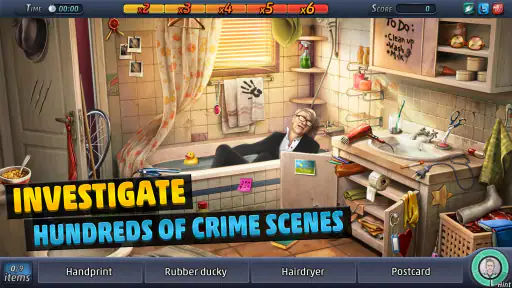
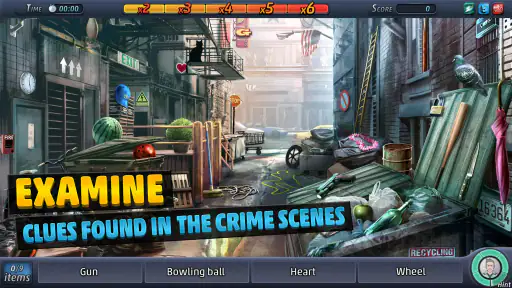
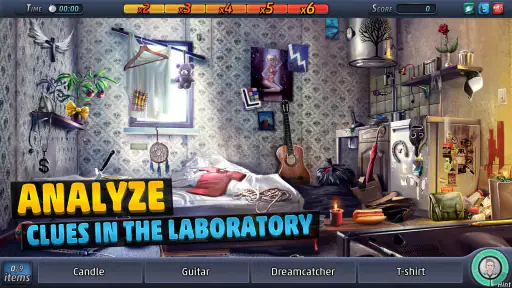

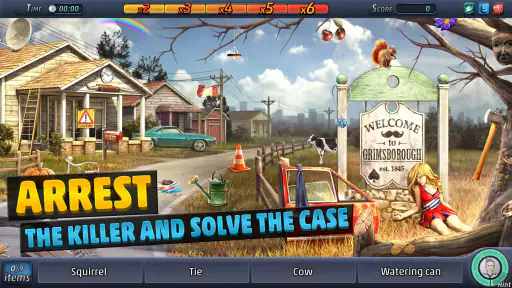
 Analysis by Frivlyz
Have you ever found yourself itching to unleash your inner detective? If so, you might want to check out Criminal Case. This game has been keeping me up way past my bedtime, as it's just that hard to put down. Let's dive into what makes this app tick.
Getting Started with Criminal Case
Jumping into Criminal Case is like opening the first page of a thrilling mystery novel. The game kicks off with a murder scene that needs your sharp eye for detail. You become part of the Grimsborough Police Force, tasked with solving a series of gruesome crimes. The vibe is a mix of eerie and intriguing, and it hooks you right from the start.
The First Search and Its Rhythm
The first useful habit is to scan a scene in a consistent way rather than tapping at random. I work across one area at a time, checking shapes and corners before moving on. That makes the hidden-object action feel more like a methodical search and less like a race. When I get stuck, I pause and look at the whole scene again; a brief reset of attention can be more helpful than rapid tapping.
The basic loop is easy to understand: search a crime scene, use what you find to move the investigation forward, then return for another stretch of detective work. The immediate feedback comes from locating objects and seeing the case progress. That clear response is part of the appeal, though it also means a missed object can interrupt your momentum. I enjoy that tension in short bursts, but it can feel less satisfying if I want every action to produce a major story revelation.
A Deep Dive into Gameplay
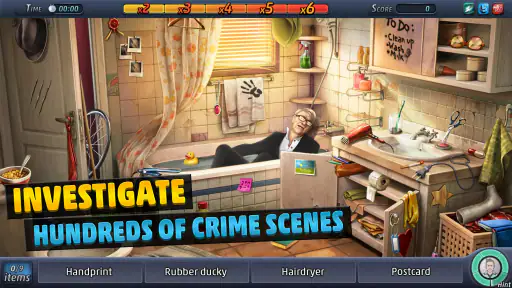
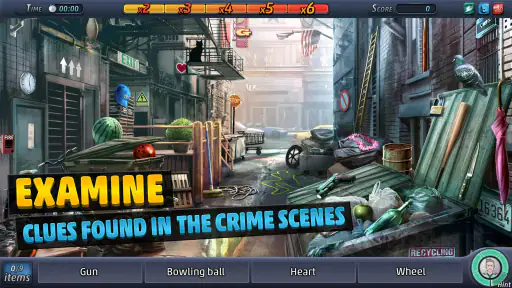
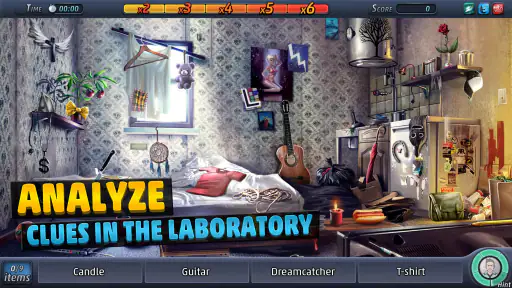
The gameplay revolves around finding hidden objects, examining clues, and interrogating suspects. Each case is like a puzzle that demands your attention. The scenes are beautifully designed, but don’t let the eye candy distract you! You’ll need to find items that are sometimes cleverly hidden. It’s a game that keeps your brain engaged and your fingers tapping.
One thing I appreciate is how the game gradually ramps up the difficulty. Early levels are forgiving, allowing you to get comfortable with the mechanics. As you progress, the challenge intensifies, making you feel like a true detective honing his skills.
That progression works best when I treat each search as a small task, not as a test I have to finish in one sitting. If a clue is proving elusive, forcing myself to keep tapping tends to make the scene blur together. I get better results by taking a short break and returning with fresh eyes. It is a simple strategy, but it makes the object-hunting side feel fairer and keeps frustration from replacing curiosity.
Gaming Stories You May Enjoy

Dancing Road Turns Short Breaks Into a Test of Rhythm and Timing

Super Stylist Makes Every Outfit a Test of Taste and Patience

Dominoes on Your Terms: Who Should Play and Who Should Pass

Pokémon GO Makes the Familiar World Feel New

Chess.com Turns Rematches Into Rivalries, but Community Has Its Costs

Archery Battle 3D Review: Sharp Aiming, Unclear Feedback
For a realistic everyday use, this suits a quiet wait: I can open a case during a break, focus on one scene, and stop when I have had enough. It is less suited to a moment when I need to react quickly to messages or split my attention, because searching depends on noticing small details. I would also avoid starting when I have only a few seconds to spare; the story and clue sequence are more enjoyable when I can give them a little focus.
The Storytelling Element
The storylines in Criminal Case are crafted with attention to detail. Each character you meet has their quirks, secrets, and potential motives. The dialogues are witty and sometimes even darkly humorous, which adds depth to the narrative. You’ll find yourself emotionally invested, eager to uncover the truth behind each crime.
It’s like being in your favorite crime drama, where every clue matters and each suspect has a story to tell. The plot twists keep you guessing, urging you to piece together the mystery before the final reveal.
What the Rewards Actually Add
The reward is not only reaching a culprit or seeing a case move on; it is the feeling that the objects I spotted have contributed to a larger investigation. That connection gives a small search more purpose than a standalone find-the-item puzzle. The narrative supplies a reason to return, while the changing scenes help keep the repeated action from feeling identical.
Still, the payoff depends on what I want from a mystery game. If I want to reason through a tightly branching detective puzzle, this is not the same experience as a deduction game built around drawing conclusions from a large web of evidence. Here, the pleasure is more immediate: look carefully, uncover clues, follow the case. I find that approachable, though players who want every mystery solved mainly through their own theory-making may prefer a more investigative alternative.
Another useful trade-off is that the game’s rhythm can make a short session feel complete even when the broader story is not. I can enjoy the search itself without needing to remember every plot detail, but I get more from the character motives if I return with the recent events in mind. If I have been away for a while, I take a moment to reorient myself before rushing through the next scene.
Visuals and Soundtrack
Visually, the game is a treat. The artwork is detailed and atmospheric, perfectly setting the tone for a crime-solving adventure. Each crime scene is distinct, with its own unique flavor and set of challenges. It’s clear that a lot of love and attention went into crafting these environments.
The soundtrack complements the visuals well, with suspenseful tunes that enhance the tension as you hunt for clues. It's like having your own personal soundtrack to your detective journey, making the experience all the more immersive.
The artwork also affects how I approach the search. Scenes have plenty to look at, so I try not to treat every decorative detail as a clue; instead, I scan for the requested objects and use the scene’s overall layout to keep track of where I have already looked. That makes the visual richness an asset rather than a distraction. If you prefer a very clean, minimal puzzle board, though, the busy crime-scene presentation may take more concentration than you want.
Choosing the Right Kind of Session
The reward-and-reset pattern is simple: finish a piece of investigative work, enjoy the sense of progress, then decide whether to continue or leave the next part for later. I like that it gives me a natural stopping point. On a commute or during a lunch break, I can play in small portions; at home, I may be tempted to carry on because a fresh clue makes the next step sound appealing. That “one more scene” pull is a strength, but it is also why I would not open it right before bed if I know I have trouble stopping.
Compared with casual match-and-clear games, this asks for visual observation rather than quick combinations. Compared with story-heavy adventure games, it puts more of the moment-to-moment work into finding objects than exploring a freely navigable world. I would pick it when I want a crime story paired with focused searches, and choose another style when I want fast reflexes, open-ended exploration, or deduction with fewer repeated scene searches.
It is also a better fit for someone who enjoys a familiar structure with a new case to follow than for someone who needs a radically different mechanic every few minutes. The central action stays recognizable, and the variety comes largely from the scenes, clues, and unfolding mystery. That consistency makes it easy to return to, but players who tire quickly of repeated hidden-object play may notice the pattern sooner than the story can refresh it.
Social Element and In-App Purchases
If you’re into social gaming, you’ll appreciate the ability to team up with friends or compete against them. Sharing your progress or asking for help can make the experience more engaging. Plus, there’s nothing like a little friendly competition to spur you on.
Now, let's talk about the elephant in the room: in-app purchases. Yes, they exist. While you can enjoy the game without spending a dime, there are options to buy energy packs or unlock new content faster. It's not overly aggressive, but if patience isn’t your strong suit, you might be tempted to spend a little here and there.
The practical choice is to decide before a session whether I am playing casually or trying to push through several steps. The game is free to start, and optional purchases range from $0.99 to $99.99 per item, so I would treat spending as a convenience rather than a requirement. If I am happy to stop and return later, I can avoid turning impatience into an unplanned purchase. Anyone who dislikes energy-based pacing or purchase prompts should consider that friction before settling in.
For the social side, I see it as an extra rather than the main reason to play. Friends can make progress feel more shared, but the core appeal remains the personal search and the crime story. If you prefer a completely solitary experience, you can still focus on the investigation; if friendly comparison keeps you motivated, the social option adds another reason to check back.
Who Will Enjoy the Investigation
Pretty Simple’s adventure game has found a large audience: it has an average rating of 4.6 from around 4.3 million ratings, with over 100 million installs. Those figures suggest broad appeal, but they do not mean the repeated search loop suits everyone. I would recommend it to people who like crime fiction, enjoy spotting details, and are comfortable progressing through a story in manageable pieces.
I would steer away from it if you want a realistic police simulation, demanding logic puzzles as the main activity, or a game that can be played with almost no attention. Its Teen content rating is worth keeping in mind for younger players and families choosing a game together, especially because the premise involves crimes and murder scenes. It is an adventure built around investigation, not a gentle object hunt with a purely cheerful setting.
The game is free, runs on Android 6.0 or later, and version 2.44.3 is the current release. That makes it an accessible option for many Android users, while the purchase range is a reason to set a personal spending boundary if you are prone to buying convenience items. I would also leave room on the device for an experience that is built around illustrated scenes and ongoing cases, rather than expecting a tiny, disposable puzzle session.
Final Thoughts
Overall, Criminal Case is a captivating game that combines the thrill of a mystery novel with the challenge of a puzzle. Whether you're a seasoned detective or a newbie to the genre, there's something here for you. The blend of storytelling, engaging gameplay, and stunning visuals makes it a standout app worth exploring.
So, if you're ready to don your detective hat and dive into the world of crime-solving, give Criminal Case a try. Just be prepared for some late nights as you unravel the mysteries of Grimsborough!
Criminal Case Pros and Cons
Pros
- Engaging storyline keeps players hooked.
- Variety of cases ensures fresh content.
- Graphics are detailed and immersive.
- Simple interface makes navigation easy.
- Regular updates with new challenges.
Cons
- Energy system limits playtime.
- In-app purchases can be costly.
- Requires constant internet connection.
- Some cases feel repetitive over time.
- Advertisements can interrupt gameplay.
This Game in Other Languages
Frequently Asked Questions
What is the main objective of Criminal Case?
Criminal Case is a captivating hidden object adventure game where players take on the role of a detective. The main objective is to solve a series of murder cases by finding clues, analyzing evidence, and interrogating suspects. Players progress through different crime scenes, piecing together evidence to catch the culprit and deliver justice.
Is Criminal Case free to play, and are there in-app purchases?
Yes, Criminal Case is free to download and play, but it offers in-app purchases. These can enhance gameplay by providing additional energy, hints, or tools to solve cases faster. While in-app purchases can speed up progress, they are entirely optional, and players can enjoy the full experience without spending money.
What are the system requirements for playing Criminal Case on mobile devices?
Criminal Case is available on both Android and iOS platforms. For Android devices, it typically requires Android 4.4 or later, while iOS devices need iOS 9.0 or later. Ensure your device has sufficient storage space and a stable internet connection to download and play the game smoothly.
How does the energy system work in Criminal Case?
In Criminal Case, energy is a crucial resource used to investigate crime scenes. Each action, like searching for clues, consumes energy. The energy replenishes over time, or players can use in-game currency or real money to refill it instantly. This system encourages strategic gameplay and time management.
Can I play Criminal Case with friends or in multiplayer mode?
Yes, Criminal Case offers social features that allow you to play with friends. You can connect the game to your Facebook account to invite friends, send and receive gifts, and even compete on leaderboards. However, the core gameplay remains a single-player experience focused on solving cases independently.


