

Masha and the Bear Educational
- Reviews
- 4.4
- Version
- 9.5.8
- Installs
- 100,000,000+

Screenshots

 Analysis by Frivlyz
Hey there! So, I recently got my hands on this adorable app called Masha and the Bear Educational, and I just couldn’t wait to share my thoughts with you. If you’ve got little ones or you're just curious about what's out there in the world of educational apps, this might just be the perfect find!
What’s the Buzz About?
Masha and the Bear Educational is a delightful app aimed at young children, inspired by the popular animated series. It’s designed to be fun and interactive, blending entertainment with learning in a way that keeps kids engaged. The characters are as charming as ever, and the app offers a range of activities to help kids learn and grow.
That familiar cast is also the main reason I’d choose it for a particular kind of screen-time moment: when a child already enjoys Masha and the Bear and is more willing to try an activity because the characters feel familiar. It is a free educational game from DTC Lab, rated for everyone, and its 4.4 average from around 309,000 ratings suggests that plenty of families have found it appealing. Those numbers are a useful sign of reach, not a guarantee that every child will enjoy the same activities.
For a caregiver, the practical question is less “Will this replace a lesson?” and more “Can this make a short stretch of waiting or quiet time feel purposeful?” I’d use it as a playful extra, not as a substitute for talking, drawing, reading together, or hands-on practice. A child can make choices and try tasks on screen, while an adult can turn a moment of play into a chance to ask what they noticed or how they worked something out.
Features That Stand Out
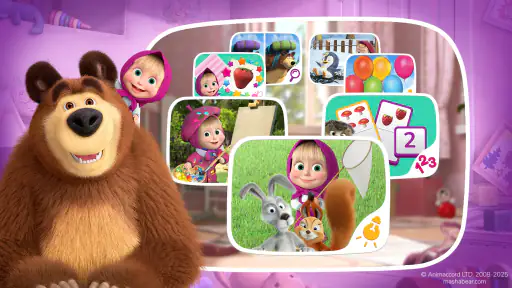
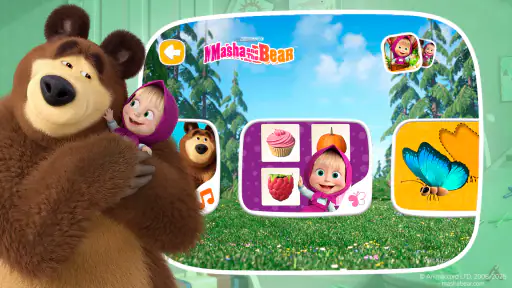
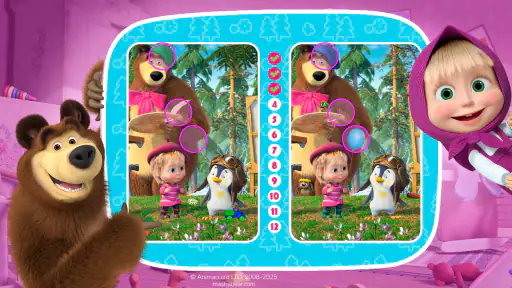
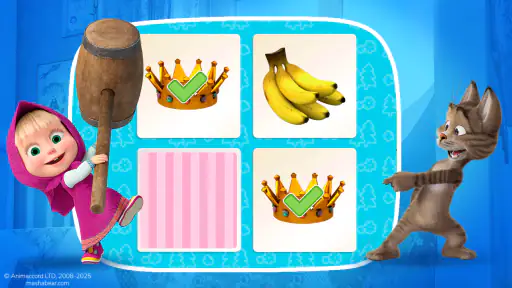
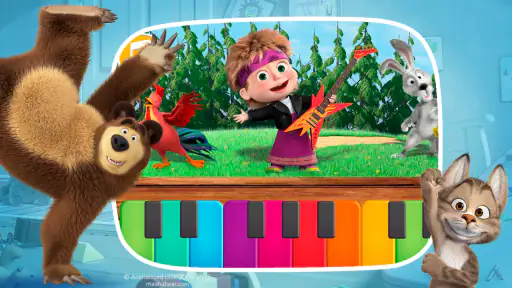
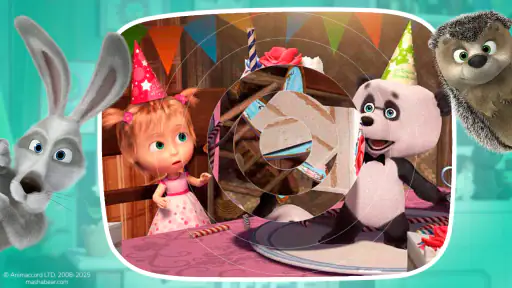
First off, the graphics are super cute and vibrant, perfectly capturing the essence of the beloved show. The app includes various mini-games and puzzles that focus on different educational topics like math, reading, and even basic problem-solving skills. Each game is designed to be simple enough for kids to grasp quickly, yet challenging enough to hold their interest.
The art direction gives the activities a recognizable home rather than making them feel like a stack of unrelated exercises. That can help a young player settle in: familiar characters and bright scenes give a clear cue that this is play, while the puzzle or task supplies the goal. I like that balance, though it also means the appeal depends partly on whether a child likes the show’s look and characters. A child who wants a quieter, more neutral learning tool may find the colorful presentation distracting.
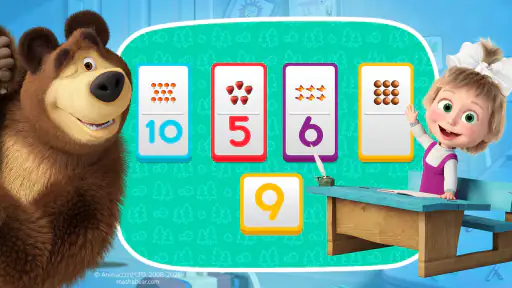
I was particularly impressed with the variety of activities available. There are games that help with counting, memory, and even some basic language skills. The app cleverly integrates these educational elements with the fun antics of Masha and the Bear, making learning feel like playtime.
Gaming Stories You May Enjoy

Dancing Road Turns Short Breaks Into a Test of Rhythm and Timing

Super Stylist Makes Every Outfit a Test of Taste and Patience

Dominoes on Your Terms: Who Should Play and Who Should Pass

Pokémon GO Makes the Familiar World Feel New

Chess.com Turns Rematches Into Rivalries, but Community Has Its Costs

Archery Battle 3D Review: Sharp Aiming, Unclear Feedback
That mix is useful for families who want to see which kind of task catches a child’s attention without committing to one narrow subject. I’d let the child try a few different activities, then notice what they return to: enjoying a memory challenge is not the same as being ready for more number practice. A helpful routine is to sit nearby at first, ask the child to explain a choice, and then give them room to continue independently if they understand what to do.
Compared with a basic alphabet or counting app, this game’s character-led presentation is its clearest distinction. A focused learning app may be a better fit when an adult wants sustained practice in one skill, while this one makes more sense when variety and familiarity are likely to keep a young child interested. I would not treat the range of activities as proof of a structured course; it works better as an inviting way to explore simple learning tasks.
Easy to Use
One of the things I really appreciated was the intuitive interface. It’s clear that a lot of thought went into making this app user-friendly for kids. Navigating through the different sections is a breeze, and the instructions are easy to follow. Plus, the voiceovers are delightful and engaging, which adds an extra layer of fun for the kids.
The voice and visual cues give the experience a more guided feel than a worksheet-style app. That is handy when a child is still learning how to follow a game’s instructions, but I would still be close by the first time they open it. A young player may understand the immediate prompt yet need help deciding where to go next, and a parent can quickly see whether the activity feels comfortable or frustrating.
A realistic use would be a short wait before an appointment: I’d open the game, let the child choose an activity, and stay within earshot rather than handing over the device and assuming every step will be self-explanatory. If the child gets stuck, I’d encourage them to listen again or describe what they think the task is asking. That turns the screen into a prompt for thinking instead of simply a way to fill time.
The app also includes a reward system where kids can earn stars and unlock new levels. This feature adds a motivational element, encouraging kids to continue playing and learning.
Rewards can be a useful nudge when a child is reluctant to try a new task, but I’d pay attention to whether the stars are helping them persist or becoming the only reason they play. If the child rushes through an activity just to reach the next unlock, slowing down and talking about the task may be more valuable than extending the session. I’d also treat progress as a reason to celebrate effort, rather than as a measure of how much a child has learned.
Learning Through Play
The developers have done a fantastic job of ensuring that the educational content is woven seamlessly into the gameplay. Whether it's solving puzzles or participating in interactive stories, kids are constantly learning without even realizing it. It’s a brilliant way to keep them entertained while also nurturing their cognitive development.
In everyday use, I’d keep expectations modest and specific. The game can offer practice and encourage a child to notice patterns or make choices, but it cannot tell a caregiver whether a skill has transferred beyond the screen. After a counting activity, for example, an adult could ask the child to count a few objects nearby. That small follow-up makes the play more meaningful without turning a relaxed game into a formal lesson.
The pacing is best judged by the child in front of you. Some young players will enjoy moving from one activity to another, while others may need a pause or a reminder to take a break. I would not use the reward loop to push through signs of tiredness or frustration. If the child starts tapping without paying attention, it is probably a good moment to stop and return another day.
Moreover, the app doesn’t bombard kids with ads, which is a huge relief for parents. It’s really refreshing to see an app that prioritizes the learning experience over monetization.
One practical point for parents is that the game is free to start, with optional in-app purchases ranging from $1.99 to $64.99 per item. I’d review purchase settings before handing a device to a child, and make clear that buying something is an adult decision. The game has reached over 100 million installs, but its popularity does not remove the need to set boundaries around spending or screen time.
It is also worth checking that the device can run it: the current version is 9.5.8 and the minimum operating system is Android 8.0. The game was released on September 29, 2017, so it has had a long time to find an audience; for a parent, the more immediate question is whether the child’s device and current interests make it a comfortable fit.
Final Thoughts
So, would I recommend Masha and the Bear Educational? Absolutely! It’s a fantastic tool for young children to explore and learn in a safe and engaging environment. The app does a great job of balancing fun and education, making it a win-win for both kids and parents.
I’d recommend it most to a young child who already enjoys Masha and the Bear, likes colorful character-led activities, and benefits from variety rather than a single, tightly focused lesson. It may be less suitable for a child who is easily overstimulated by bright visuals, wants a more open-ended creative activity, or needs targeted practice guided by an adult. In those cases, a quieter puzzle, a physical book, or a dedicated subject-focused learning tool could be a better choice.
If you’re looking for an app that keeps your little ones entertained while also giving them a head start in learning, this is definitely worth checking out. Plus, who can resist the charm of Masha and her lovable bear companion?
My main advice is to try it together before making it part of a regular routine. Notice whether the child can follow the prompts, whether they enjoy more than the reward moments, and whether the activities leave room for a calm stopping point. Those observations will tell you more than popularity alone about whether it belongs in your family’s rotation.
Overall, Masha and the Bear Educational is a solid choice for parents who want their kids to enjoy screen time in a constructive way. So go ahead, give it a try, and watch as your kids learn and grow with a smile on their faces!
Masha and the Bear Educational Pros and Cons
Pros
- Engaging and colorful graphics.
- Variety of educational mini-games.
- User-friendly interface for kids.
- Promotes learning through play.
- No in-app purchases needed.
Cons
- Limited content in free version.
- Repetitive game mechanics.
- Requires constant internet connection.
- Ads can be distracting.
- Updates may be infrequent.
This Game in Other Languages
Frequently Asked Questions
What is the main objective of Masha and the Bear Educational?
Masha and the Bear Educational is designed to provide an engaging learning experience for children. It combines educational content with interactive gameplay, focusing on developing skills such as memory, logic, and creativity. The app leverages the popular characters from the Masha and the Bear series to make learning fun and appealing for young users.
Is Masha and the Bear Educational suitable for all age groups?
The app is primarily targeted at children aged 3 to 8 years. It features age-appropriate content that focuses on foundational skills like basic math, language, and problem-solving. While older children might find it less challenging, the vibrant graphics and interactive elements can still be entertaining.
Does the app require an internet connection to function?
Masha and the Bear Educational can be used offline, making it convenient for travel or areas with limited internet access. However, some features, such as updates or additional content downloads, may require an internet connection. It’s advisable to check these requirements before downloading.
Are there any in-app purchases or ads in Masha and the Bear Educational?
The app offers a freemium model, which means it may include in-app purchases for unlocking additional content or features. While the core functionalities are accessible for free, users should be aware that some sections might prompt purchases. The app is generally ad-free, providing a safe environment for children.
How can parents monitor their child’s progress in the app?
Masha and the Bear Educational includes a parental dashboard where parents can track their child’s progress and achievements. This feature helps parents understand which areas their child excels in or might need more practice. It’s a great way to stay involved in their child’s learning journey while using the app.


