

Draw Climber
- Reviews
- 4.1
- Version
- 1.16.07
- Installs
- 100,000,000+

Screenshots
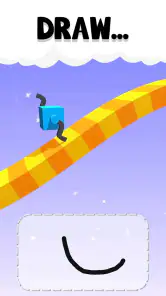
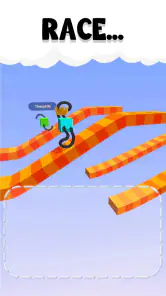
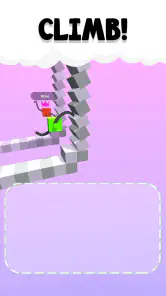
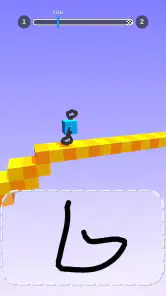
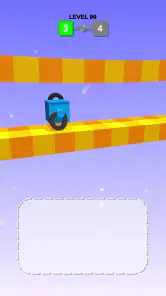
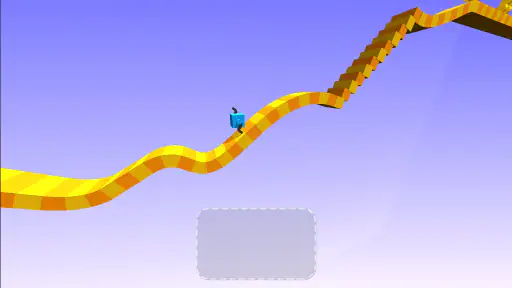
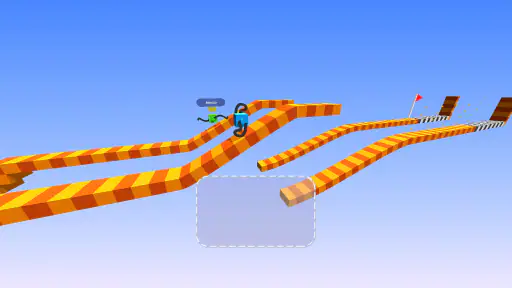
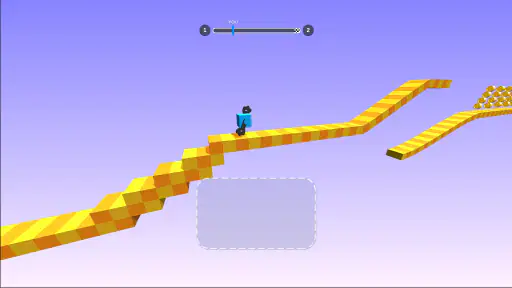
 Analysis by Frivlyz
I like arcade games that give me something to figure out without asking for a long session or a complicated setup. Draw Climber has a playful hook: I shape the legs for a small racer, then see how that design handles the course. The appeal is not artistic skill so much as noticing how a simple change in shape affects movement. It makes each attempt feel like a tiny experiment, which is why I can see it fitting a spare moment in a day.
A quick game built around a hands-on idea
Made by VOODOO, this free arcade game is rated Everyone and has reached over 100 million installs. Its average rating is 4.1 from around 363,000 ratings, so it has clearly found a large audience, though popularity alone does not tell me whether its style will suit you. I would describe it as a lightweight, playful alternative to arcade games built mainly around tapping or dodging: here, the central choice is what to draw and how that choice changes the run.
The basic idea is easy to grasp, but the interesting part is learning through trial and error. A shape that seems clever on the drawing screen may behave awkwardly once the character meets an obstacle. Rather than treating a failed attempt as proof that you need better reflexes, I find it more useful to ask what the design is doing: is it too short, too wide, or simply not suited to the section ahead? That small moment of diagnosis gives the game more substance than its simple premise first suggests.
Our Stories on Draw Climber
Draw Climber: Redefining Arcade Gaming with Creative Mechanics
NewsMaster Sword Play! Ninja Slice Runner with Pro Tips
NewsDancing Road Turns Short Breaks Into a Test of Rhythm and Timing
NewsSuper Stylist Makes Every Outfit a Test of Taste and Patience
NewsDominoes on Your Terms: Who Should Play and Who Should Pass
NewsPokémon GO Makes the Familiar World Feel New
NewsWhat drawing changes from one attempt to the next
The drawing mechanic encourages quick adjustments instead of elaborate planning. I would start with a straightforward shape, watch how it moves, then change one part rather than redesign everything at once. That makes the result easier to understand: if the next run handles a section differently, I have a better idea which alteration mattered. It is a practical way to experiment, especially when a course is asking for a different kind of movement than the previous one.
There is a trade-off, though. The freedom to sketch can be amusing, but it does not mean every shape is equally useful or that an unusual design will always succeed. Some attempts may feel more like testing the game’s response than solving a carefully explained puzzle. I would approach it with curiosity and a willingness to redraw, not with the expectation that a single clever sketch will carry me through every challenge.
Fairness, spending, and what I would check
The game is free to download and offers in-app purchases at $2.99 per item. That gives me a clear purchase fact to weigh, but it does not tell me what an item changes or whether buying anything is necessary to enjoy the core drawing idea. I would not assume that spending provides a competitive advantage, nor would I claim that it has no effect on progress; those details are not established here. If you prefer to avoid surprise spending, check the purchase choices before handing the phone to a child, and use your device’s purchase controls as you normally would.
Likewise, the presence of races makes fairness a reasonable thing to wonder about, but I would separate what is known from what is not. I can judge the central mechanic as a design-and-reaction challenge; I cannot make a firm claim about how opponents are selected, how results are matched, or whether every contest uses the same conditions. If competitive balance is your main reason for downloading an arcade game, you may want a title whose rules and matchmaking are more transparent to you. If you mainly want to experiment with shapes, that uncertainty is less central to the appeal.
Gaming Stories You May Enjoy

Chess.com Turns Rematches Into Rivalries, but Community Has Its Costs

Archery Battle 3D Review: Sharp Aiming, Unclear Feedback

Should You Switch to Geometry Dash Meltdown? A Test of Timing and Patience

Fidget Toys Trading・Pop It 3D: What Happens When the Game Stumbles

NBA LIVE Mobile Makes the Season the Main Event

Sonic Forces: PvP Battle Race - Speed and Strategy Combined
Getting Started
Jumping into Draw Climber is a breeze. The game kicks off with a simple yet engaging tutorial that teaches you the ropes—or should I say, the lines. The concept is straightforward: you draw legs for your cube-shaped character, and those legs help it climb through various obstacles. The creativity lies in how you choose to draw those legs, as each design affects the character’s mobility.
Gameplay Dynamics
Here’s where things get interesting. The game’s physics engine is surprisingly robust, making every stroke count. I found myself sketching everything from spindly spider-like legs to chunky, elephantine stumps, each with its own unique impact on how my little cube tackled the course. It’s like a puzzle and a canvas rolled into one. As the levels progress, the challenges become more intricate, demanding a bit more thought and creativity with each new drawing.
The beauty of Draw Climber lies in its simplicity and the joy of experimentation. There’s no right or wrong way to play, which means you can really let your imagination run wild. Sometimes, the craziest designs yield the best results, which keeps the gameplay fresh and exciting.
Visuals and Sound
Visually, the game is minimalistic but effective. The bright colors and clean lines keep your focus on the task at hand, and the smooth animations make the whole experience feel fluid. The sound design complements the visuals perfectly, with light-hearted tunes and satisfying sound effects that match the whimsical nature of the game.
It’s the kind of game you can pick up for a quick five-minute break, but don’t be surprised if you find yourself still playing an hour later. The addictive nature of drawing and redrawing to conquer each level is what makes this game so captivating.
Final Thoughts
In a world filled with complex games requiring hours of dedication, Draw Climber stands out as a refreshing escape. It’s perfect for those moments when you just want to relax and let your creativity lead the way. Whether you’re a seasoned gamer or just someone looking for a bit of fun, this game has something to offer.
So, grab your virtual pen and get ready to climb to new heights with Draw Climber. It’s a delightful mix of creativity and strategy that’s sure to keep you entertained. And who knows? You might just discover a hidden talent for drawing in the process!
Making a useful attempt instead of guessing
For a short session, I would treat each run as a simple test: begin with a shape that looks stable, observe where it struggles, then make one deliberate change. Altering several things at once can be entertaining, but it makes it harder to tell why the next attempt worked or failed. This one-change approach is a small but useful way to get more out of the drawing mechanic without turning a casual game into homework.
It also helps to think about the shape in relation to the obstacle immediately ahead, rather than searching for one universal design. A long, narrow outline and a compact, broad one will not behave alike, and the game’s appeal is in seeing those differences play out. When a design gets through one section but falters at the next, I would adjust it for the new demand instead of assuming the previous result was a fluke. That keeps experimentation focused and makes repeated attempts feel less random.
Who will enjoy it, and who may want another arcade game
I would recommend it to people who like playful physics, quick decisions, and the satisfaction of watching an idea become an on-screen result. It is also a reasonable choice for someone who enjoys drawing casually but does not want a dedicated art app: the sketches have a practical purpose, and success is about adapting a shape rather than making it look polished. A parent looking for an Everyone-rated game may find the concept easy to explain, though I would still check purchase controls before a child uses a device.
On the other hand, I would skip it if I wanted a precise platform game with consistent, tightly controlled movement, or a serious head-to-head racer where competitive rules are the main attraction. Compared with a typical reflex-based arcade title, it gives more weight to preparation and improvisation; compared with a puzzle game, it is looser and more kinetic. That blend is its identity, but it also means players who dislike trial and error may find the central loop repetitive rather than relaxing.
A realistic place for it in the day
Imagine having a few minutes before an appointment, with enough time for one quick distraction but not enough to settle into a story-driven game. I would open this, try a course, and make a small adjustment if the first shape did not handle it well. The same idea works during a quiet break: there is a clear thing to do, and the drawing gives the session a little personal input. If I had a longer stretch of free time, I might still play, but I would not choose it when I wanted deep progression, a detailed narrative, or a carefully structured competitive ladder.
That distinction matters because a simple premise can invite expectations the game is not built to meet. I would not download it for drawing tools, open-ended construction, or a guaranteed test of pure reflexes. The sketches are part of an arcade challenge, not a substitute for an art program, and the fun comes from seeing a design affect movement. Knowing that before starting helps set the right mood: it is a compact diversion, not a broad creative sandbox.
Version, compatibility, and purchase expectations
The current version is 1.16.07, and the minimum Android requirement is 7.0. That is useful to check before downloading, especially if you are installing on an older device. The game has been available since January 31, 2020, and its long-running presence alongside a large install base suggests that the central idea has had staying power. Still, I would judge it by whether the drawing-and-racing loop sounds enjoyable to me, not by install totals alone.
Because the game is free to start and individual in-app purchases are priced at $2.99, I would decide in advance whether I am comfortable with optional spending on a casual title. The price per item is clear, but what those items provide is not established here, so I would inspect the purchase screen rather than assume they unlock a particular benefit. You do not need to treat a purchase as a prerequisite just because the option exists; equally, I would avoid promising that every part of the experience is unaffected by purchases. That is the honest limit of what I can say about spending.
What remains uncertain, and my trust verdict
For a player concerned about fairness, the key unanswered points are practical: what exactly purchases change, how races are arranged, and whether opponents face identical conditions. I would not fill those gaps with guesses. The game’s basic appeal is understandable without those answers, but anyone choosing primarily for balanced competition should check the in-game details and decide whether they are comfortable with what they find. If those mechanics matter more to you than the drawing itself, a more explicit competitive arcade game may be a better fit.
My overall view is positive but measured. VOODOO has a distinctive arcade hook here, and the combination of sketching and movement gives me a reason to try another shape rather than simply repeat the same input. Its best quality is that experimentation feels immediate; its main limitation is that the loose, trial-and-error style will not satisfy everyone. I would give it a try if you want a free, approachable game for short breaks and enjoy learning by tweaking an idea. I would look elsewhere if you need clear competitive assurances, deeper long-term structure, or a game where careful precision matters more than playful improvisation.
Draw Climber Pros and Cons
Pros
- Simple and intuitive controls.
- Engaging and addictive gameplay.
- Colorful and vibrant graphics.
- Quick and easy levels.
- Suitable for all ages.
Cons
- Limited levels can feel repetitive.
- Contains ads between levels.
- In-app purchases for extra features.
- Requires internet connection.
- Some levels lack challenge.
This Game in Other Languages
Frequently Asked Questions
What is Draw Climber and how does it work?
Draw Climber is a unique and engaging mobile game where players draw legs for a cube to help it navigate through various obstacles and terrains. The gameplay is simple but requires strategic thinking as different levels present different challenges. The game uses physics-based mechanics, where the shape and length of the legs you draw directly affect the cube's ability to climb and move efficiently.
Is Draw Climber available for both Android and iOS devices?
Yes, Draw Climber is available for both Android and iOS devices. You can download it from the Google Play Store for Android devices and the Apple App Store for iOS devices. The game is free to download, but it offers in-app purchases to enhance the gaming experience, such as removing ads or gaining additional features.
Are there any ads or in-app purchases in Draw Climber?
Yes, Draw Climber is a free-to-play game, which means it is supported by ads. Players might encounter ads during gameplay, but there is an option to remove them through an in-app purchase. Additionally, there are other in-app purchases available that can enhance the gameplay experience, such as unlocking new skins or game features.
What are some strategies to succeed in Draw Climber?
To succeed in Draw Climber, players should focus on drawing legs that are well-suited to the specific obstacles in each level. Experimenting with different shapes and lengths can help find the most efficient way to climb and move. Additionally, paying attention to the terrain and adjusting your strategy accordingly can greatly improve your performance. Practicing and learning from each attempt will also lead to better results.
Is an internet connection required to play Draw Climber?
Draw Climber does not require a constant internet connection to play, making it a great option for offline gaming. However, an internet connection is necessary for downloading the game, accessing certain features, and making in-app purchases. It's also needed to display ads, unless you opt for the ad-free version through a purchase.


