

My Little Pony: Magic Princess
- Reviews
- 3.9
- Version
- 11.1.1a
- Installs
- 100,000,000+

Screenshots
 Analysis by Frivlyz
I’d choose My Little Pony: Magic Princess if I wanted a gentle, character-led game to dip into between other things, rather than a fast challenge that demands my full attention. Its appeal is a mix of Ponyville building, pony collecting, quests, and small diversions, all wrapped in the bright world of the series. That combination makes it especially inviting for fans, but it also means the game is best judged as a relaxed, ongoing project—not as a compact story with a quick finish.
What kind of play suits it?
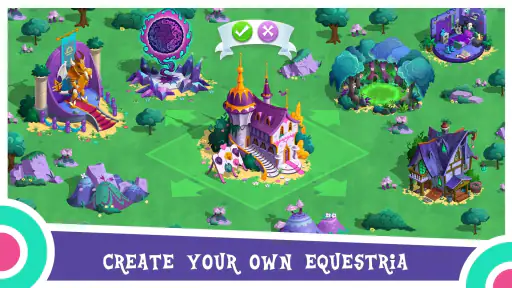
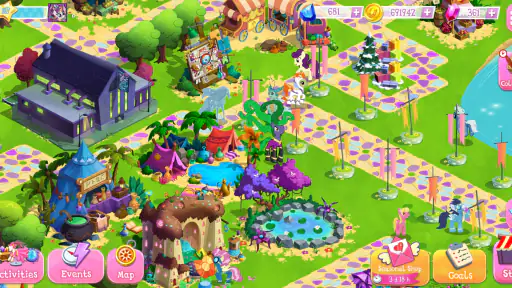
The key question is whether you enjoy tending to a place over time. In a typical session, I might check what I can build or improve, work through a quest, and then switch to a mini-game when I want a change of pace. That variety helps the game feel less like a single repeated action, though the town-building and collecting remain its center of gravity. If your favorite mobile games are about designing, checking in, and gradually filling out a world, this is a natural fit.
It is also a casual game from Gameloft SE, and its long-running presence is reflected in its 3.9 average from around 1.4 million ratings, alongside over 100 million installs. Those figures suggest a large audience, but they are not a guarantee that every player will enjoy its pace. I would treat them as context, then decide based on whether Equestria’s characters and the steady town-building loop sound appealing to you.
A useful everyday rhythm
For me, the best way to approach a game like this is to fit it around the day instead of letting it dictate the day. A short break after school, a quiet moment while waiting for an appointment, or a few minutes on the sofa can be enough to choose a task and make a little progress. I would not start a session expecting a tightly paced adventure; I’d open it with one or two small goals, such as advancing a quest or earning resources for a planned town change.
That approach also makes the resource side easier to live with. Rather than spending as soon as a new option appears, I’d decide what I actually want to add to Ponyville and save toward it. This is a practical trade-off in a free-to-play game with optional purchases: patience can keep the experience comfortable, while rushing expansion may make the in-game currency feel more pressing. The game is free, with in-app purchases ranging from $0.49 to $119.99 per item, so I’d set a spending boundary before handing a device to a younger player.
Where its charm has an edge
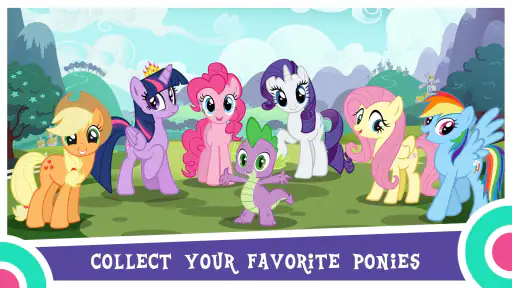
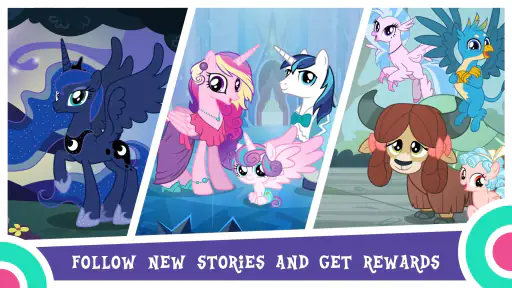
The familiar cast is a real strength, but it can also shape the experience more than the building mechanics alone. Recognizing Twilight Sparkle, Rainbow Dash, and the other ponies adds personality to everyday tasks; if those characters mean nothing to you, the same activities may feel more like routine town management. I’d recommend it first to people who enjoy the show’s tone or simply like cheerful character collections, rather than to someone looking for a deep construction simulator.
There is a helpful choice to make when playing: focus on the next task the game presents, or pause and make the town feel like your own. Following quests gives direction when you are unsure what to do, while taking time to plan where your attention goes can make the gradual development more satisfying. I find the second approach better for players who enjoy decorating and collecting, and the first easier for anyone who wants a clear short-term objective.
Gaming Stories You May Enjoy

Dancing Road Turns Short Breaks Into a Test of Rhythm and Timing

Super Stylist Makes Every Outfit a Test of Taste and Patience

Dominoes on Your Terms: Who Should Play and Who Should Pass

Pokémon GO Makes the Familiar World Feel New

Chess.com Turns Rematches Into Rivalries, but Community Has Its Costs

Archery Battle 3D Review: Sharp Aiming, Unclear Feedback
How it compares with other casual games
Compared with puzzle-focused casual games, this one offers more attachment to a persistent place and its characters, but less of the instant, self-contained satisfaction of solving a single board. Compared with open-ended building games, it brings a distinct pony setting and quest-led structure, while its appeal depends more on liking that world than on having unlimited design freedom. If you want a quick test of reflexes, a competitive score chase, or a story that ends after a few focused sessions, another kind of casual game may suit you better.
It is rated Everyone, which makes its presentation broadly approachable, but I would still help younger players understand that optional purchases exist. The game was released on November 8, 2012, and its current version is 11.1.1a; it requires Android 7.0 or later. Those details matter when deciding whether an older device can run it and whether the installed version is current enough for the experience you expect. On iOS, I’d check the device’s compatibility in the relevant store before installing.
A Dash into Equestria
Diving into the game, you're instantly whisked away into the whimsical world of Equestria. The visuals are nothing short of enchanting, with vibrant colors that pop off the screen and animations that bring all your favorite ponies to life. Honestly, it's like stepping right into the show.
The game kicks off by introducing you to the land of Ponyville, where you get to build your own little slice of pony paradise. You start with some basic structures and characters, but as you progress, the game opens up a plethora of options to expand and customize your town. It's like a dollhouse, but with ponies, and who doesn't love that?
Questing and Adventures
What's a pony game without a few quests, right? My Little Pony: Magic Princess offers a variety of missions to keep you engaged. The quests are well-crafted, often mirroring the themes and adventures from the TV series. Whether you're helping Twilight Sparkle organize a library or joining Rainbow Dash on a daring adventure, there's always something exciting to do.
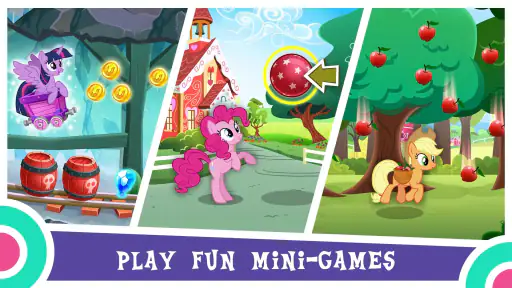
One of the cool features is the mini-games. They serve as a delightful break from the usual city-building and questing. From apple picking with Applejack to flying with the Wonderbolts, these mini-games are a fun way to earn extra coins and gems.
Building Friendships
The game truly shines in its social aspects. You can connect with friends, visit their towns, and even trade items. It adds a whole new layer of community to the game, making it more than just a solo experience. Plus, there's something really satisfying about showing off your well-developed Ponyville to your pals.
And let's not forget the magic of friendship that the series is all about. The game encourages you to collect different ponies and build relationships with them. Each pony brings its own unique charm and abilities to your town, making the collecting aspect genuinely rewarding.
What to know before settling in
Because this is a collection-and-growth game, I would not treat every available pony or town option as a must-have. A more satisfying approach is to choose the characters you care about and let your town develop at a pace that feels enjoyable. That keeps the collection from turning into a checklist and makes each new addition feel like a choice rather than an obligation.
The social side is best thought of as a bonus, not a requirement for enjoying the central appeal. Visiting friends’ towns can give you another way to appreciate how differently people develop their Ponyville, but a player who prefers quiet solo play can still focus on quests, characters, and town progress. If you are deciding whether to involve a child, it is worth checking how they use social features and purchases on the device, then agreeing on boundaries together.
Keeping progress enjoyable
One small habit can make the resource loop feel less demanding: pick a personal priority before spending. That might mean saving for a structure that changes the look of the town, or choosing a character you are especially eager to add. When several goals compete for the same currency, a simple priority prevents scattered spending and gives each session a clearer purpose.
I would also avoid measuring progress against players who have been building for longer. The pleasure here is in seeing your own Ponyville take shape, not in making every corner match someone else’s. If you find that checking in feels like a chore, it is reasonable to step away and return when you want a light, familiar diversion; the game works best when its pace feels welcoming rather than compulsory.
Challenges and Magic
Of course, no game is without its challenges. Managing resources can be a bit tricky, especially when you're trying to expand your town quickly. The in-game currency is crucial for building and upgrading, and while you can earn it through gameplay, there are always options to purchase more. It's a common mechanic in mobile games, but it doesn't feel overly intrusive here.
Another magical element is the events. The developers frequently roll out seasonal and special events that offer exclusive ponies and items. These events are a great way to keep things fresh and exciting, and they're usually packed with limited-time rewards that you won't want to miss.
When a different game is the better pick
If I wanted short rounds with a clear win or loss, I would choose a puzzle or arcade game instead. If I wanted a town-builder where visual planning mattered more than licensed characters and questing, I would look for a different building game. This one sits between those alternatives: its strongest reason to play is the combination of Ponyville, familiar characters, and gradual goals. That is a specific kind of comfort, not a universal substitute for every casual game.
There is also a trade-off in limited-time events. They can give returning players a fresh reason to play and make the world feel active, but a player who dislikes timed goals may feel better ignoring them and concentrating on the regular town. I would not let a missed reward spoil the experience; the lasting appeal is building a place you enjoy, not chasing every temporary opportunity.
Final Thoughts
So, should you give My Little Pony: Magic Princess a try? If you're a fan of the series, it's a no-brainer. The game captures the essence of My Little Pony beautifully, offering a delightful mix of city-building, quests, and social interaction. Even if you're not a die-hard fan, the game's charming graphics and engaging gameplay might just win you over.
It's a magical journey that beckons you to explore, build, and make friends along the way. And let's be real, who couldn't use a little more magic in their life?
Ready to embark on your pony adventure? Download the game and start building your very own Equestria today!
My recommendation
I’d give it a try if you want a colorful, low-pressure game that lets you make gradual progress in a world you already enjoy, or if you like the idea of collecting characters and shaping a little town. I would skip it if resource management, recurring event goals, or optional spending tends to sour mobile games for you. The strongest reason to install is not that it replaces every other casual game; it is that few alternatives offer this particular mix of pony characters, Ponyville building, quests, and mini-games.
For a first session, I’d explore the town, try a quest and a mini-game, then see whether the rhythm feels relaxing or repetitive. If you are still curious after that, keep playing at your own pace and set a clear purchase limit if needed. That is the fairest way to find out whether this gentle Equestrian routine belongs on your phone.
My Little Pony: Magic Princess Pros and Cons
Pros
- Engaging storyline with iconic characters.
- Vibrant graphics appeal to all ages.
- Regular updates keep content fresh.
- Easy to learn for young players.
- Encourages creativity and problem-solving.
Cons
- In-app purchases can be costly.
- Requires a stable internet connection.
- Some tasks may feel repetitive.
- Limited offline functionality.
- Ads can be intrusive at times.
This Game in Other Languages
Frequently Asked Questions
What is My Little Pony: Magic Princess about?
My Little Pony: Magic Princess is a mobile game that allows players to build and manage their own version of Equestria. You can interact with your favorite characters from the My Little Pony universe, complete various quests, and engage in fun mini-games. It's designed to be a fun, colorful experience for fans of all ages.
Is My Little Pony: Magic Princess free to play?
Yes, My Little Pony: Magic Princess is free to download and play. However, it offers in-app purchases that can enhance the gameplay experience. These purchases include gems and other resources that can speed up progress or unlock special items. Always monitor purchases to avoid unexpected charges.
What devices are compatible with My Little Pony: Magic Princess?
My Little Pony: Magic Princess is available for both Android and iOS devices. You'll need a device running Android 4.1 or later or iOS 9.0 or later. Ensure your device has sufficient storage space and meets the necessary system requirements to enjoy smooth gameplay.
Can I play My Little Pony: Magic Princess offline?
No, My Little Pony: Magic Princess requires an internet connection to play. This connectivity is necessary for accessing online features, updates, and syncing your progress. Make sure you have a stable internet connection to fully enjoy the game’s features and avoid losing progress.
Are there any parental controls in My Little Pony: Magic Princess?
Yes, My Little Pony: Magic Princess includes parental controls to help manage in-app purchases and screen time. Parents can use these settings to ensure a safe and controlled gaming environment for younger players, making it suitable for children while monitoring their activities.


