

Wordling: Daily Word Challenge
- Reviews
- 4.4
- Version
- 2.5.0
- Installs
- 1,000,000+

Screenshots
 Analysis by Frivlyz
I like a word puzzle best when I can understand what it wants from me without a tutorial, then decide for myself how much thought to give it. That is the appeal of Wordling: Daily Word Challenge: it makes a compact word-guessing task feel like a small appointment with my attention rather than a sprawling game to manage. I can see it fitting into a quiet pause, though the repeated focus on a single daily challenge will not suit everyone.
A quick puzzle with a familiar rhythm
The basic loop is easy to grasp: I try possible words, read the feedback, and use it to shape the next guess. That structure gives each attempt a purpose. Instead of entering guesses at random, I can treat the clues as a process of elimination, keeping track of which letters seem useful and where they may belong. For me, that makes the puzzle satisfying even when I do not solve it immediately.
Wordling is a word game from TapNation, released on January 7, 2022. It is free to download, rated for Everyone, and its current version is 2.5.0. The game has an average rating of 4.4 from around 36,000 ratings, with more than a million installs. Optional in-app purchases range from $0.99 to $64.99 per item, so I would check the purchase details before spending if I prefer to keep a free game free.
Reading the clues and making a plan
The most useful habit I have found is to make each guess test something. Early on, I try a word that gives me a broad spread of letters; after that, I pay closer attention to what the feedback rules out and avoid spending a turn repeating information I already have. This is a small strategic choice, but it turns a short puzzle into a more deliberate exercise in deduction.
There is a trade-off in the daily format. A new puzzle can give the game a pleasant sense of routine, but it also means this is not the right pick when I want an endless stream of levels or a long session with steadily increasing difficulty. If I miss a day or get stuck, the appeal depends on whether I enjoy returning to a brief challenge rather than having a large backlog to work through.
Gameplay Experience
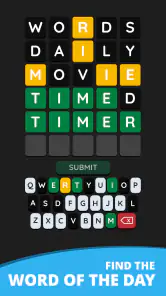
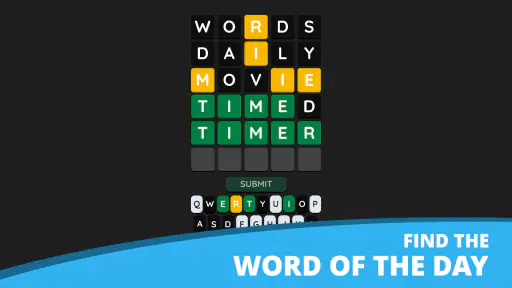
The moment you fire up Wordling: Daily Word Challenge, you’re greeted with a sleek, minimalist interface that’s refreshingly easy on the eyes. The game’s premise is simple yet addictively challenging: guess the secret word in six tries. Each guess must be a valid word, and the game gives you feedback on how close you are to the solution by highlighting correct letters and their positions.
What I love about Wordling is how it keeps you on your toes. Every day presents a new puzzle, and there’s this thrilling sense of accomplishment when you crack it. It’s not just about luck; it’s about strategy and expanding your vocabulary. If you’re anything like me, you’ll find yourself eagerly awaiting the next day’s puzzle.
Gaming Stories You May Enjoy

Dancing Road Turns Short Breaks Into a Test of Rhythm and Timing

Super Stylist Makes Every Outfit a Test of Taste and Patience

Dominoes on Your Terms: Who Should Play and Who Should Pass

Pokémon GO Makes the Familiar World Feel New

Chess.com Turns Rematches Into Rivalries, but Community Has Its Costs

Archery Battle 3D Review: Sharp Aiming, Unclear Feedback
Features That Stand Out
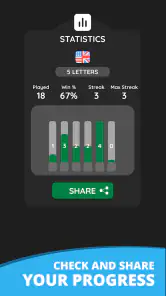
One of the standout features of Wordling is its intuitive design that makes navigation a breeze. It doesn’t bombard you with ads, which is a huge relief in today’s ad-heavy app landscape. Plus, it’s got this nifty feature where you can share your scores with friends. Trust me, nothing beats a little friendly competition to spice up your day.
Another aspect worth mentioning is the game’s accessibility. Whether you’re a word novice or a seasoned puzzle solver, Wordling accommodates all skill levels. The daily challenges are crafted to be just the right mix of challenging and fun.
Using it in ordinary moments
I would reach for this game when I have a few quiet minutes before an appointment, during a break at home, or while waiting for someone who is running late. A realistic routine might be to open it after lunch, spend a few guesses testing letters, then stop when the puzzle is solved or the available tries are used. That natural endpoint is useful: the game can fill a pause without encouraging me to lose a whole evening to an endless level list.
For a more considered solve, I would jot down the confirmed letters and exclusions on paper rather than rely on memory, especially if I return after being interrupted. This is not a game-specific tool; it is a simple way to keep the clue pattern clear. I would also avoid trying obscure spellings just to use a turn. A familiar word that tests several untried letters can often teach me more than a guess chosen only because it seems clever.
How it compares with other word games
Compared with a crossword, Wordling asks for less broad knowledge and offers a more direct feedback loop: I make a guess, then revise it based on the letter clues. That can make it easier to approach when I do not want to scan a whole grid or work through several clues at once. Compared with an anagram game, it places more weight on deduction and the position of letters than on rearranging a fixed set of tiles.
The same simplicity is also its limit. Players who want a large library of puzzles, themed categories, a story, or a head-to-head match may be better served by another kind of word game. I would choose Wordling for a focused daily brainteaser, not as my only source of word-game variety. The free entry point makes it easy to try, while the listed purchase range is broad enough that I would pay attention to any optional purchase screen rather than assume every part of the experience is cost-free.
Readability, controls, and different needs
The uncluttered presentation described in my experience helps keep attention on the letters and their feedback, which is valuable when a busy screen would make a puzzle harder to follow. Still, visual simplicity is not the same as a guarantee that every player will find the text comfortable. People who need larger lettering, strong contrast, or a particular screen-reader experience should check the game on their own device before settling into a daily routine.
The interaction is based on entering words and interpreting visual clues, so it is naturally suited to someone comfortable typing on a phone and looking closely at the screen. If repeated taps are tiring, or if fine motor control is a concern, even a short game may feel less relaxing than it sounds. I would test one puzzle at an unhurried pace and see whether the input feels manageable rather than assuming that a simple ruleset means effortless controls.
It can work well in a calm waiting room or at home, but it is a poor match for situations that demand attention elsewhere. I would not play while crossing a street, driving, or trying to follow a conversation; a puzzle that seems brief can still draw the eyes and concentration away from what is happening around me. On a noisy commute, it may be more practical to wait until I am seated and able to focus, since the game’s value comes from reading the feedback carefully.
Who is likely to enjoy the daily format?
I would recommend it to someone who likes language puzzles but wants a small, contained challenge rather than a sprawling campaign. It may also suit a casual player who wants to build a modest routine: take a short break, think through a few guesses, and leave the game when the puzzle is done. The all-ages content rating makes it broadly approachable, although younger players may still benefit from playing alongside someone if unfamiliar words become frustrating.
I would steer away from it if you mainly enjoy open-ended play, frequent new levels, or puzzles that can be adjusted to match a particular difficulty preference. A daily word puzzle can feel repetitive if the central guessing mechanic is not already appealing to you. Likewise, if a missed challenge feels like a lost opportunity rather than a pleasant routine, a game with a larger set of replayable stages may be a better fit.
One practical question is whether I need to be an expert at word games to start. I do not think so: the basic task is understandable, and the useful skill is learning to make guesses that narrow the possibilities. Another is whether it is a good choice for a very short break. It can be, but I would open it only when I can give the screen a little attention; the puzzle is not something I would try to solve while multitasking.
Why You Should Try It
If you’re someone who enjoys word games and puzzles, Wordling is a must-try. It’s not just a game; it’s a daily ritual that sharpens your mind and enriches your vocabulary. I’ve noticed that since I started playing, my brain feels more alert, and I’m catching onto words quicker. It’s like a workout for your brain, only more fun.
In a world where apps come and go, Wordling: Daily Word Challenge holds its ground by offering a unique blend of challenge and simplicity. It’s a game that respects your time and rewards your efforts. So, why not give it a shot? You might just find yourself hooked on this daily dose of word fun.
My inclusive verdict
I see Wordling as an easy-to-understand option for people who enjoy letter-based deduction and appreciate a clear finish to a session. Its strongest point is the focus: a daily puzzle gives me a reason to think carefully without asking me to learn a complicated system. Its main limitation is that the same compact format can feel restrictive for anyone seeking varied modes, adjustable challenges, or long-term progression.
My recommendation is to try it if you want a short word puzzle and are comfortable reading clues and entering guesses on your phone. Give it a fair test in a quiet moment, and pay attention not only to whether you solve the word but also to whether the visual and typing demands feel comfortable. If they do, it can make a pleasant daily pause; if they do not, a crossword, a spoken word activity, or a game with a different input style may be a more welcoming choice.
Wordling: Daily Word Challenge Pros and Cons
Pros
- Engaging daily challenges keep users coming back.
- Expands vocabulary through fun gameplay.
- User-friendly interface with intuitive controls.
- Regular updates with new features and words.
- Encourages cognitive skills and quick thinking.
Cons
- Limited hints can frustrate some players.
- In-app ads can disrupt gameplay flow.
- Requires internet for daily challenges.
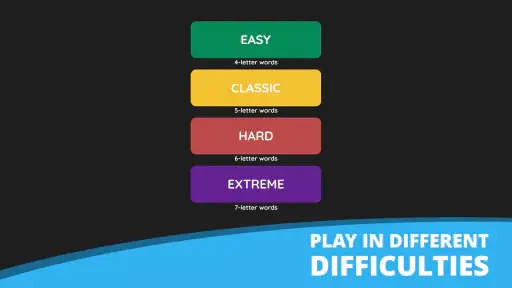
- Difficulty level may not suit all players.
- Lack of multiplayer or social features.
Frequently Asked Questions
What is Wordling: Daily Word Challenge?
Wordling: Daily Word Challenge is an engaging mobile app designed for word enthusiasts who enjoy testing their vocabulary skills. Every day, the app presents users with a new word puzzle challenge, encouraging them to guess the correct word within a limited number of tries. It's available on both Android and iOS platforms, making it accessible to a wide audience of players who delight in daily mental exercises.
How do I play Wordling: Daily Word Challenge?
To play Wordling: Daily Word Challenge, you start by guessing the word of the day. The app will indicate which letters are correct and in the right position, which are correct but in the wrong position, and which are not in the word at all. You have a limited number of attempts to guess the word, making each try crucial. The game promotes daily engagement and helps improve vocabulary and problem-solving skills.
Is Wordling: Daily Word Challenge free to download and play?
Yes, Wordling: Daily Word Challenge is free to download and play. However, the app may offer in-app purchases or advertisements to enhance the user experience or provide additional features. These might include hints, extra attempts, or ad-free gameplay. While the core functionality remains free, some users may choose to make purchases for an enhanced experience.
Can I play Wordling: Daily Word Challenge offline?
Wordling: Daily Word Challenge primarily requires an internet connection to download the daily puzzles and sync your progress. However, once a puzzle is downloaded, you might be able to play offline temporarily. Keep in mind that certain features, like leaderboards and daily updates, will not be accessible without an internet connection. It's best enjoyed with regular online access.
What makes Wordling: Daily Word Challenge different from other word games?
Wordling: Daily Word Challenge stands out for its daily puzzle feature, ensuring fresh content every day to keep users engaged. Unlike other word games, it offers a unique challenge that combines word guessing with strategic thinking, as users must deduce the correct word within a set number of attempts. Its simplicity yet captivating gameplay makes it appealing to a broad audience, from casual players to word game aficionados.


