

Wordlike - Word Roguelike
- Reviews
- 4.0
- Version
- 1.4
- Installs
- 100+

Screenshots

 Analysis by Frivlyz
Wordlike - Word Roguelike is an innovative mobile game that marries the best of two genres: word games and roguelikes. With its unique premise and engaging gameplay, it’s a must-try for puzzle enthusiasts and adventurous gamers alike.
A word game with a tactical twist
What makes this idea appealing to me is the change in mindset it asks for. In a conventional word puzzle, I’m usually hunting for a correct answer or a high-scoring arrangement. Here, the appeal is the combination of word-making and the longer-term decisions associated with a roguelike. A useful word is not only a linguistic achievement; it can also be part of how I approach a run. That extra layer gives familiar letter play a more adventurous purpose.
That distinction also helps set expectations. This is not the best choice if I want a quiet crossword-style task with a single neat solution, or a quick round of a standard board game. I’d pick it when I’m in the mood to think about both vocabulary and consequences, and when repeating a run sounds like part of the fun rather than a drawback.
The game is a paid word title from Roadtrip Games, listed at $4.99, with an Everyone age rating. Its 4.0 average comes from around 15 ratings, so I’d treat that as a modest indication of player response rather than a sweeping verdict. It has over 100 installs, which also makes it a smaller, less widely established choice than familiar word-game staples. The current version is 1.4, and it supports Android 6.0 or later.
Discovering the World of Wordlike
At first glance, Wordlike - Word Roguelike might seem like just another word puzzle game, but once you dive in, you'll realize it's so much more. This app combines the intellectual challenge of word games with the strategic depth of roguelikes. Imagine Scrabble meeting Dungeons & Dragons – that’s the kind of thrill we’re talking about here!
I’d approach a session with a little patience rather than expecting to understand every strategic possibility right away. In a hybrid like this, it can take a few attempts to see how word choices and the wider journey fit together. A practical habit is to pause before committing to a word and ask whether I’m choosing it only because it is easy to spot, or because it seems useful for the situation. That small check keeps the word-finding part from becoming automatic.
Gameplay Mechanics
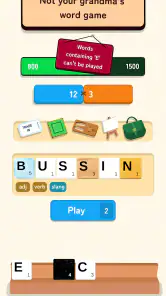
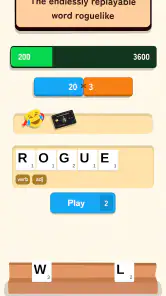
The core gameplay revolves around forming words to progress through procedurally generated dungeons. Each dungeon is a new challenge, with different obstacles and enemies that require strategic thinking and a good vocabulary to overcome. You’ll need to spell your way out of tricky situations, and the game’s dynamic nature ensures that no two plays are ever the same.
Gaming Stories You May Enjoy

Dancing Road Turns Short Breaks Into a Test of Rhythm and Timing

Super Stylist Makes Every Outfit a Test of Taste and Patience

Dominoes on Your Terms: Who Should Play and Who Should Pass

Pokémon GO Makes the Familiar World Feel New

Chess.com Turns Rematches Into Rivalries, but Community Has Its Costs

Archery Battle 3D Review: Sharp Aiming, Unclear Feedback
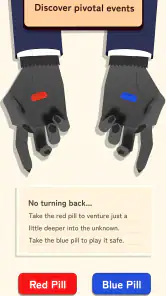
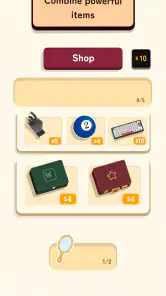
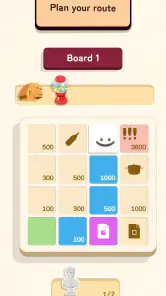
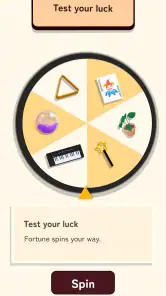
As you advance, you’ll encounter various power-ups and items that can aid in your quest. The roguelike elements shine through as you make choices that affect your journey, from the words you create to the paths you choose to explore. It’s a game of wit and wisdom, where every decision counts.
That structure is a good reason to play in focused bursts. If I have a short break, I can treat one attempt as a complete little problem: look at what is available, form a word, and consider the next choice instead of leaving the game open while distracted. For a longer session, I can pay more attention to how one decision shapes later options. The trade-off is that a run may ask for more concentration than a simple daily word puzzle, so it is less suited to playing while I’m trying to do something else.
One useful approach is to keep a mental note of the kinds of words I overlook. It’s easy to default to the first familiar word that comes to mind; deliberately checking for shorter alternatives or a different arrangement can help me think more flexibly. I would not assume that the longest possible word is always the best move, because the game’s strategic framing makes the situation matter as much as the spelling itself.
Compared with a crossword, the challenge here is less about following clues toward a fixed answer and more about adapting to a changing run. Compared with Scrabble-like games, the emphasis is not simply on competing over a shared board or maximizing one move’s score. Those alternatives are better when I want a clearly defined puzzle or direct competition; Wordlike is the more distinctive pick when I want wordplay tied to progression and tactical choices.
Visuals and Sound
Visually, Wordlike - Word Roguelike is a treat. The graphics are crisp, with a charming art style that enhances the overall experience. The dungeons are detailed and atmospheric, drawing you deeper into the game’s world. Coupled with a fitting soundtrack that matches the game’s adventurous tone, it creates an immersive environment that keeps you hooked.
The presentation matters most when I’m settling in for a run, because an inviting game world can make repeated attempts feel like part of an adventure rather than a string of disconnected word exercises. Still, atmosphere is a matter of taste: someone who wants a clean, minimal interface and little sensory framing may prefer a plain word grid. I’d choose this one for its fantasy-leaning mood, not as a substitute for a stripped-back spelling drill.
For an everyday example, I can imagine opening it after dinner when I have enough time to concentrate but don’t want to commit to a long story-driven game. I can work through a run at my own pace, test how I handle a new set of obstacles, and stop once I’ve had my fill of word strategy. If I’m waiting in a noisy place or only have a moment to spare, a quieter, more familiar word app may be the easier fit.
Replayability and Challenges
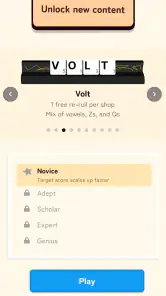
One of the standout features of Wordlike is its replayability. Thanks to the procedurally generated levels, you can expect a fresh experience every time you play. The game also offers various difficulty levels and challenges, ensuring that both newcomers and seasoned players find it engaging. The challenge lies not just in forming words, but in using them strategically to navigate through the game’s many layers.
In addition to the main gameplay, the app includes daily challenges and leaderboards, providing an avenue for competitive play. Whether you’re aiming to top the charts or simply improve your personal best, there’s always something to strive for.
For me, the strongest replay value comes from having to respond to a different arrangement rather than repeating a memorized solution. To get more out of that, I’d try changing my approach between attempts: favor a cautious choice one time, then see whether a more adventurous word strategy works better. That makes a loss or an imperfect run useful, because I can identify a decision to reconsider instead of treating the result as simply good or bad.
The daily and leaderboard elements also make the game more appealing to players who like a reason to return, but they won’t matter equally to everyone. If I prefer open-ended practice without comparison, I can focus on the run itself; if I enjoy seeing how my performance stacks up, those competitive hooks offer another goal. I wouldn’t buy it solely for leaderboards, though: the word-and-roguelike blend is the central reason to choose it.
There are limits to that variety. Procedural change can refresh the path, but it does not automatically make every run equally satisfying, and repeated attempts may feel less rewarding if I’m not interested in refining my decisions. Nor is the game an ideal fit for someone who wants a broad social word-game experience or a familiar daily puzzle with a predictable format. Those players may be happier with a conventional crossword or a competitive word-board app.
One fair question is whether this is approachable for someone who likes word games but has little experience with roguelikes. I think the word-making premise gives that player a recognizable starting point, while the strategic side is something to learn through play. A different question is whether it suits someone who already knows roguelikes but has only an average vocabulary: that depends on how much they enjoy experimenting with words, rather than expecting the genre elements alone to carry each run.
Final Thoughts
Wordlike - Word Roguelike is a delightful blend of wordplay and adventure. It’s perfect for those who love a good puzzle and don’t shy away from a challenge. With its unique concept and engaging mechanics, it’s a game that promises hours of fun and intellectual stimulation. So, if you’re looking to expand your vocabulary while embarking on an epic quest, Wordlike is your go-to app.
My recommendation is clearest for curious word-game fans who want their vocabulary choices to sit inside a larger run, and for roguelike players who are happy to trade combat-focused play for spelling and strategy. I’d skip it if I mainly want a free, instantly familiar puzzle, or if I dislike repeating attempts and learning through changed circumstances. The $4.99 price makes it worth considering as a deliberate purchase rather than an impulse download, especially if this particular genre mix is what I’m after.
Ready to embark on your wordy adventure? Download Wordlike - Word Roguelike today and see how far your words can take you!
Wordlike - Word Roguelike Pros and Cons
Pros
- Engaging word puzzle gameplay.
- Challenging roguelike elements.
- Visually appealing interface.
- Regular updates with new content.
- Offline play available.
Cons
- Limited hints in difficult levels.
- In-app purchases can be pricey.
- Occasional crashes reported.
- Ads can be intrusive.
- Requires frequent updates.
Frequently Asked Questions
What is Wordlike - Word Roguelike?
Wordlike - Word Roguelike is an innovative word puzzle game that combines elements of traditional word games with the strategic depth of roguelike mechanics. Players must form words from a grid of letters and navigate through levels filled with various challenges and enemies. The game is designed to test both your vocabulary and strategic thinking skills, making it a unique addition to the genre.
How do the roguelike elements work in Wordlike?
In Wordlike, the roguelike elements are integrated into the gameplay by incorporating procedurally generated levels and permanent death mechanics. Each time you play, the levels and challenges are different, providing a fresh experience. If your character dies, you lose all progress and must start over, adding a layer of difficulty and replayability.
Is Wordlike suitable for all ages?
Yes, Wordlike - Word Roguelike is suitable for players of all ages. The game is designed to be accessible, with intuitive controls and a tutorial for beginners. While the game can be challenging due to its roguelike elements, it does not contain any inappropriate content, making it appropriate for younger audiences as well.
Can I play Wordlike offline?
Yes, Wordlike can be played offline. This makes it a great option for users who may not always have access to a stable internet connection. Whether you're on a commute or in an area with limited connectivity, you can enjoy the game's challenging word puzzles and roguelike adventures without any interruptions.
Are there in-app purchases in Wordlike?
Wordlike does offer in-app purchases, which can enhance the gaming experience by providing additional content or power-ups. However, these purchases are optional, and the game can be fully enjoyed without spending money. Players can progress through the game and unlock features through skill and gameplay, ensuring a balanced experience for all users.


