

War and Order
- Reviews
- 3.9
- Version
- 4.0.28
- Installs
- 10,000,000+

Screenshots
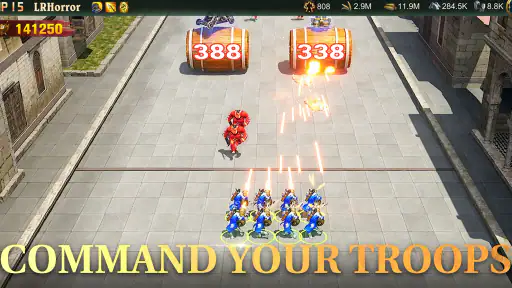
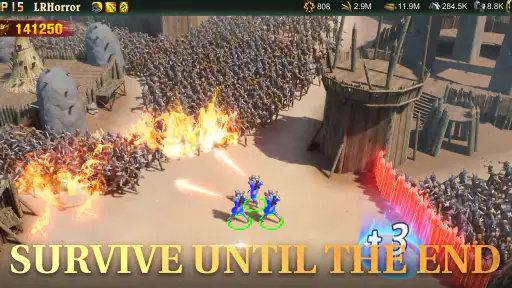
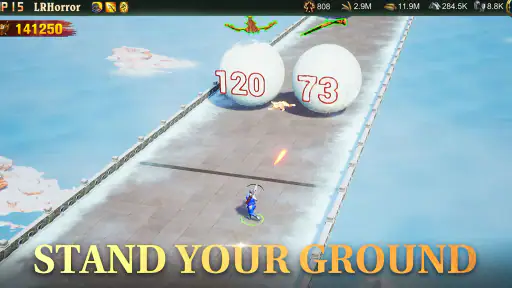
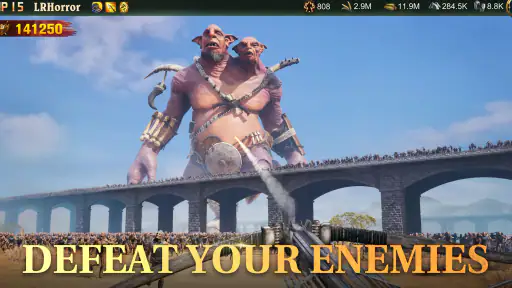
 Analysis by Frivlyz
I tend to judge a mobile strategy game by how well it fits into the gaps of an ordinary day. War and Order is best approached as a continuing fantasy campaign rather than a match you finish in one sitting: you build an empire, keep an eye on its development, and take part in battles alongside other players. That ongoing rhythm can be satisfying, but it also means the game asks for attention beyond the moments when you are actively fighting.
It is a free strategy game from CamelStudio, released in 2016, and its fantasy setting brings orcs and elves into a world built around competing empires. The game has an average rating of 3.9 from around 532,000 ratings, with more than 10 million installs. Those figures suggest a large audience, though they do not guarantee that its social pace or long-term commitment will suit every player. Its Teen content rating is another useful point to consider if you are choosing a game for a younger player.
What kind of pace should you expect?
I would not pick this up expecting a quick, self-contained strategy puzzle. The appeal is in making decisions that contribute to a larger campaign: developing your stronghold, choosing how to approach conflict, and coordinating with other people. That structure gives routine check-ins a purpose, but it can feel less rewarding if you want every play session to have a clear beginning and end.
For a practical routine, I would separate brief check-ins from longer play. Use a short visit to review what needs attention and decide on your next priority; save the more focused stretches for planning with allies or engaging with a battle. That simple habit helps keep the game from turning into aimless tapping. It also makes it easier to tell whether the ongoing strategy is enjoyable to you, rather than just compelling because there is always something else to check.
The fantasy presentation gives the empire-building a clear identity, and the visuals help make the setting inviting. Still, attractive scenery is not a substitute for a pace you enjoy. If you prefer a strategy game where the main challenge is a tightly designed sequence of short levels, this style of persistent world may feel diffuse. If you like seeing a base and a wider position develop over time, the slower build-up is more likely to land.
When the game gets busy
The most demanding moments are likely to be the ones that involve other players. Planning an attack or responding to a threat is different from quietly improving your own position: timing and coordination start to matter, and an alliance can make your decisions feel connected to a group. That shared context is a genuine strength, but it also changes the game from a private pastime into something that may compete with your schedule.
A realistic example is opening the game during a break, noticing that your alliance is discussing a move, and then having to decide whether you have time to follow through. I would avoid starting a commitment-heavy session when I know I will have to leave immediately. Instead, I would use that short visit to read the situation and return when I can give the plan proper attention. This is a useful distinction for anyone who wants to enjoy the social layer without letting it dictate every spare moment.
Gaming Stories You May Enjoy

Dancing Road Turns Short Breaks Into a Test of Rhythm and Timing

Super Stylist Makes Every Outfit a Test of Taste and Patience

Dominoes on Your Terms: Who Should Play and Who Should Pass

Pokémon GO Makes the Familiar World Feel New

Chess.com Turns Rematches Into Rivalries, but Community Has Its Costs

Archery Battle 3D Review: Sharp Aiming, Unclear Feedback
There is also a trade-off in group play: allies can make a large world feel welcoming, but they may expect more involvement than a casual player wants to give. I would look for a group whose pace matches mine rather than joining one simply because it seems powerful. A relaxed alliance can make the game easier to fit around work, school, or family; a highly active one may suit someone who wants coordination to be a central part of play.
Reliability, learning, and the return loop
For a game built around ongoing progress, reliability is about more than whether it opens. It is also about whether I can understand what deserves attention when I return. New players have a lot to absorb, and the early explanations may not answer every strategic question that comes up later. I would treat the first stretch as a learning period: focus on a small number of goals, watch how each choice affects the empire, and avoid trying to master every system at once.
That approach is more useful than jumping between every available activity. When I return after a break, I would first identify the immediate task, then decide whether it supports a longer-term plan. This keeps a busy interface from turning into a list of disconnected chores. It also helps reveal whether I enjoy the underlying decisions or mainly the feeling of collecting progress.
The game’s continuing world can make returning appealing because there is a broader campaign to rejoin, but the same design can make a missed stretch feel like lost momentum. If I need a game that pauses cleanly whenever I leave, I would choose a level-based alternative instead. Here, the better fit is someone comfortable with a world that keeps its social and strategic context in view, even when they are not playing continuously.
Device fit and spending choices
The current version is 4.0.28 and requires Android 7.0 or later. I would check that requirement before installing, especially on an older device. Strategy games with detailed fantasy scenes and a persistent world can be less comfortable on a phone that already struggles with demanding apps, so it is sensible to close other heavy tasks if performance feels uneven. I would not assume that every device will feel equally smooth simply because it meets the minimum system requirement.
Because the game is free to start and offers in-app purchases ranging from $0.99 to $394.99 per item, I would decide on a personal spending boundary before playing. The wide range makes it especially important not to treat a purchase as a routine shortcut. I would first see how the normal progression feels and whether the alliance and planning side holds my interest. If spending is part of your decision, check the purchase prompts carefully and use the device’s purchase controls in a way that fits your household.
Compared with turn-based strategy games built around separate scenarios, this is a more social and ongoing experience. Compared with solitary castle-management games, its appeal leans more heavily on competition and cooperation with other players. Neither approach is automatically better: the right choice depends on whether you want a campaign that unfolds around a community or a contained challenge you can complete at your own pace.
The Epic World of War and Order
First off, let me just say that War and Order quickly pulls you into its epic fantasy world filled with orcs, elves, and dragons. The graphics are stunning, with intricate designs that make the game visually appealing on both Android and iOS platforms. From the start, you get a sense of the vastness of the world you’re about to conquer, which is both exciting and a bit daunting.
Gameplay Mechanics
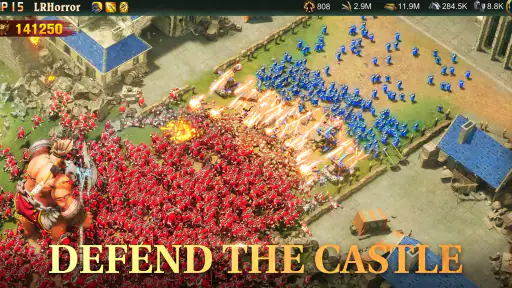
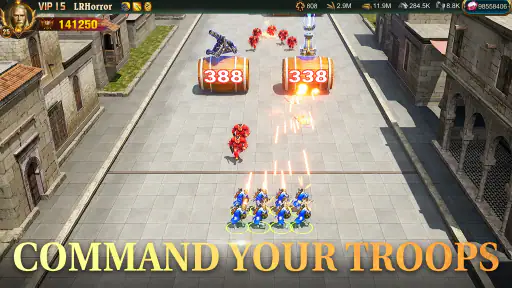
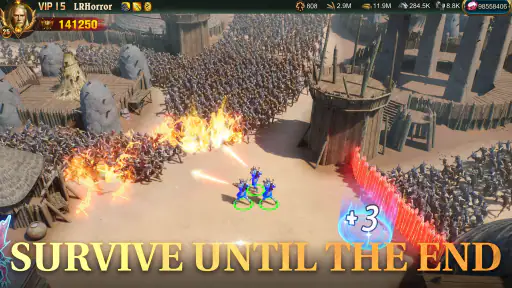
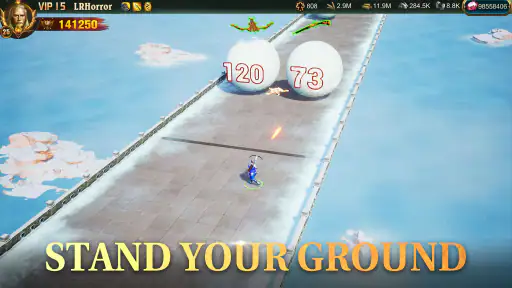
What I really appreciate about the game is the seamless blend of different game genres. You’re not just stuck managing resources or upgrading your castle; there’s a whole world of strategy involved in building alliances and planning attacks against your enemies. The real-time battles are intense, and the thrill of seeing your army clash against foes is quite satisfying. You have to think on your feet, and every decision can have a significant impact on your success.
The game also offers a variety of troops to train and deploy, from archers to mages, each with unique strengths and weaknesses. This diversity allows you to customize your strategy and keeps the gameplay fresh. Also, the castle-building aspect is engaging, providing a sense of progression as you expand and upgrade your empire.
Social Interaction and Alliances
One of the highlights of the game is its emphasis on social interaction. Forming alliances is not just an option; it’s a necessity if you want to succeed. The community is active, and there’s always something happening, whether it’s a massive alliance war or a friendly chat with fellow players. This social aspect adds a layer of depth to the game, making it more than just a solo experience.
I found myself constantly checking in to see how my allies were doing and planning our next moves. It’s this camaraderie that really sets the experience apart from other strategy games. You’re not just playing against the computer; you’re part of a living, breathing world.
Challenges and Rewards
Of course, no game is without its challenges. The game can be demanding, especially for new players. The tutorial does a decent job of explaining the basics, but there’s a lot to learn. However, the rewards are worth the effort. Successfully defending your castle from an invading army or capturing new territories feels incredibly rewarding.
The game also offers various events and quests, which provide opportunities to earn valuable resources and items. These events keep the game dynamic and give you extra goals to work towards, which is fantastic for maintaining long-term engagement.
In conclusion, this is a rich, engaging experience for strategy enthusiasts who enjoy fantasy, empire-building, and the company of other players. I would recommend it to someone who likes planning over time and wants an alliance to be part of the fun. I would skip it if I wanted short, fully self-contained matches, disliked persistent social play, or needed a game that never invites optional spending. For me, its strongest draw is the combination of a growing stronghold and shared strategic decisions; its main drawback is that the same ongoing commitment can feel like pressure rather than entertainment. If that balance sounds right for you, it is worth trying with a clear idea of how much time and money you want to give it.
War and Order Pros and Cons
Pros
- Immersive real-time strategy gameplay.
- Vibrant graphics and detailed animations.
- Global player alliances and battles.
- Regular updates with new content.
- Engaging storyline and quests.
Cons
- Requires stable internet connection.
- In-app purchases can be costly.
- Complex for beginners to master.
- Consumes significant device storage.
- Battery drains quickly during play.
Frequently Asked Questions
What is War and Order about?
War and Order is a real-time strategy game that combines elements of fantasy and medieval warfare. Players build and upgrade their castles, recruit armies of humans, orcs, and elves, and engage in massive battles to conquer territories. The game offers both PvE and PvP modes, allowing players to fight monsters or compete against others globally.
Is War and Order free to play?
Yes, War and Order is free to download and play. However, it offers in-app purchases that can enhance gameplay, such as buying resources, speed-ups, and other premium items. These purchases are optional, but they can provide a strategic advantage, especially in competitive scenarios.
What platforms is War and Order available on?
War and Order is available on both Android and iOS platforms. Players can download it from the Google Play Store for Android devices or the Apple App Store for iPhones and iPads. The game requires a stable internet connection to play, as it involves real-time interactions with other players.
How does the alliance system work in War and Order?
The alliance system in War and Order allows players to team up with others to form powerful groups. Joining an alliance offers strategic benefits, such as coordinated attacks, resource sharing, and protection from enemy attacks. Players can communicate with alliance members via chat and participate in alliance events to earn rewards.
Are there any tips for beginners in War and Order?
For beginners in War and Order, it's crucial to focus on building a strong foundation. Prioritize upgrading your castle and resource-generating buildings. Joining an active alliance early can provide support and guidance. Additionally, regularly complete quests and events for rewards, and always keep your army busy with training or battles to maximize growth.


