

Vita Mahjong
- Reviews
- 4.9
- Version
- 2.42.1
- Installs
- 100,000,000+

Screenshots

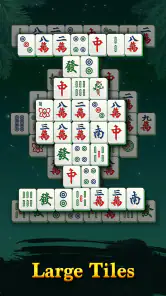
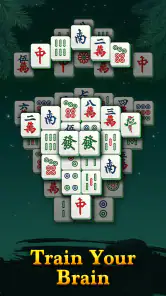
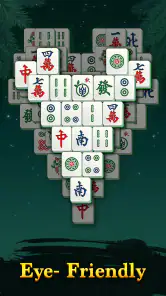
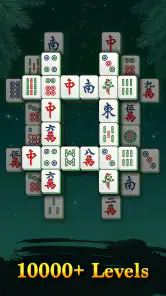
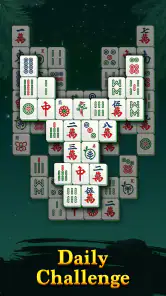
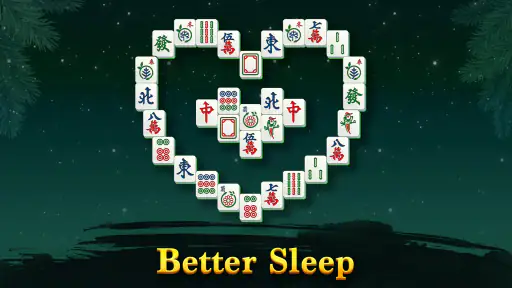
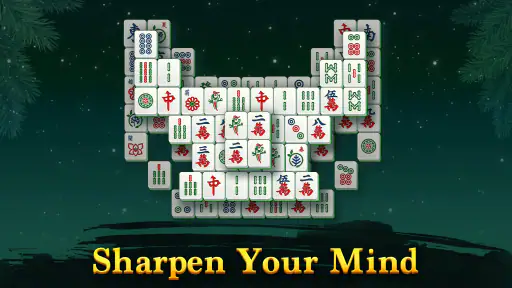
 Analysis by Frivlyz
When I want a puzzle that asks for attention without demanding a long session, a tile-matching game is an appealing choice. Vita Mahjong turns that familiar idea into a calm board game for phones: scan the layout, find a pair you can remove, and keep looking for a route through the remaining tiles. I like that the basic goal is easy to understand, while the order of your choices gives each board a little more thought than a quick visual match.
Small goals make it easy to begin
The first useful goal is simply to understand which tiles are available and how clearing one pair changes what you can reach next. A beginner can start by looking for obvious matches, but it soon pays to pause before tapping. Removing a pair may reveal access to tiles underneath or leave fewer options elsewhere, so a move that looks convenient is not always the one that keeps the board open. That modest decision-making is the part I find satisfying: the game stays approachable, but I am still doing more than matching identical pictures at random.
The tutorial is a practical starting point if this is your first solitaire-style Mahjong game. It helps with the central interaction without turning the opening into a long lesson. Once the rules click, I would treat each board as a short planning exercise: identify a few accessible pairs, notice which matches are likely to open up more choices, and avoid clearing a promising pair just because it is the first one you spot. This habit is useful even when you are playing casually, because it makes the puzzle feel deliberate rather than automatic.
Our Stories on Vita Mahjong
How Vita Mahjong Blends Tradition with Modern Gaming
NewsHow Happy Color®: Coloring Book Crafts a Habit-Forming Mobile Experience
NewsHow Chess Became a Strategic Powerhouse in Mobile Ecosystems
NewsDancing Road Turns Short Breaks Into a Test of Rhythm and Timing
NewsSuper Stylist Makes Every Outfit a Test of Taste and Patience
NewsDominoes on Your Terms: Who Should Play and Who Should Pass
NewsProgress is in the board, not just the finish
In a game like this, the clearest progress signal is the layout changing as pairs disappear. You can see the available choices shrink and new possibilities emerge, which gives a small sense of momentum even before the board is complete. I prefer that immediate feedback to a puzzle that hides all evidence of progress behind menus. It also makes it easy to stop after a board: there is a natural endpoint, rather than an obligation to keep a session running for a long time.
That visible progress can help you learn from a stuck position. If the remaining tiles no longer offer a useful match, think back to the choices that removed access or narrowed the board. On a later attempt, try clearing a different available pair first and see whether it preserves more routes. It is a simple way to improve your eye for layouts without turning a relaxing game into homework. I would not judge a session only by whether I cleared everything; noticing why a choice worked or failed can be worthwhile on its own.
Exploring the Game Mechanics
At its core, Vita Mahjong stays true to the classic Mahjong roots. If you’ve played Mahjong before, you’ll find the gameplay quite familiar. The objective is to match pairs of tiles to clear them from the board, and ultimately, to clear the entire board. Sounds simple, right? But don’t be fooled! The game requires a keen eye and strategic thinking, especially as the layouts become more complex.
What’s cool about this app is its ease of use. The interface is clean and intuitive, making it ideal for both newbies and seasoned players. You’re not bombarded with unnecessary options, just the essentials to get you playing right away. There’s a helpful tutorial for beginners, which is a nice touch to ease you into the game.
Gaming Stories You May Enjoy

Pokémon GO Makes the Familiar World Feel New

Chess.com Turns Rematches Into Rivalries, but Community Has Its Costs

Archery Battle 3D Review: Sharp Aiming, Unclear Feedback

Should You Switch to Geometry Dash Meltdown? A Test of Timing and Patience

Fidget Toys Trading・Pop It 3D: What Happens When the Game Stumbles

NBA LIVE Mobile Makes the Season the Main Event
How the challenge and pace feel
The difficulty comes from the layout and the visibility of useful pairs, not from complicated controls. That makes the learning curve friendly at the start, while denser arrangements can call for more careful scanning and planning. I would not expect every board to feel equally relaxing: when several choices look alike, a slower pace and a second look can prevent a rushed move from making the rest harder. If you want a game built around fast reactions or direct competition, this measured puzzle rhythm may feel too quiet.
One practical way to keep a session comfortable is to decide whether you are playing to unwind or to solve carefully. For a brief break, take the obvious matches and enjoy the visual progress. When you have more time, look for pairs that open access or leave you with several options, rather than clearing tiles in the order your eyes happen to find them. This small change makes the same matching rule serve two moods: casual decompression and a more attentive puzzle.
Compared with a crossword or a word puzzle, this is a more visual kind of concentration: there is no clue to interpret or vocabulary to retrieve, just a board to read and choices to weigh. Compared with quick-match games, it is less about speed and more about keeping possibilities open. If you want a traditional Mahjong experience involving a table, opponents, and a full set of rules, this tile-clearing format is not a substitute; it is better understood as a solo matching puzzle inspired by Mahjong tiles.
When a quiet puzzle fits—and when it doesn’t
I can picture opening it during a quiet coffee break, while waiting for an appointment, or at home when I want something more engaging than scrolling but less demanding than a story-heavy game. A useful approach is to finish one board before switching tasks, rather than starting a puzzle when you know you will need to put the phone down immediately. That gives the session a natural stopping point and makes the game’s compact, self-contained rhythm work in your favor.
The offline play is especially handy for travel or places where a connection is inconvenient; it lets the puzzle remain an option when browsing or online games are not. It is also a good fit for players who prefer a calm solo activity and do not need leaderboards or social pressure to stay interested. On the other hand, if your idea of a board game is shared play, tactical interaction with another person, or a steadily unfolding campaign, I would choose a different kind of game. This one earns its place through the board in front of you, not through a larger social or narrative framework.
For someone who has never tried this style, the central question is whether matching and planning feel pleasant enough to repeat. The tutorial lowers the barrier, and each completed board gives a clear sense of closure. For an experienced player, the appeal is more about having an accessible version of a familiar tile puzzle available on a phone. Neither audience should expect a deep ruleset; the pleasure is in reading a layout and making sensible choices within a simple framework.
A small but useful trade-off is that clean presentation makes the game easy to approach, yet a quiet, uncluttered puzzle may not provide much novelty once the basic rhythm becomes familiar. I would use it as one option in a broader mix rather than expect it to replace every other mobile game. If a board starts to feel like a routine, taking a break is better than forcing a longer session. The game is strongest when its calm pace matches your mood, not when you are seeking constant new stimuli.
What to expect from the app itself
Vita Studio developed this free board game, and its broad appeal is reflected in an average rating of 4.9 from around 2.2 million ratings, alongside more than 100 million installs. It is rated for Everyone, so its straightforward visual puzzle is suitable for a wide range of players. The game includes optional in-app purchases, with items ranging from $0.99 to $49.99; I would keep that in mind if you prefer to avoid spending inside free games. The core appeal is the tile puzzle, so decide whether you are comfortable with optional purchases before installing rather than treating the free price as a promise that every extra is free.
It was released on January 9, 2024, and version 2.42.1 is the current version. The stated minimum operating-system requirement is version 7.0. Those details are useful when checking whether it is a fit for an older device, but the practical choice still comes down to screen comfort: tile patterns need to be easy for you to distinguish, especially when a board becomes visually busy. I would try a short session in a comfortable setting before relying on it as a regular travel or waiting-room game.
The visual and audio experience
One of the standout features of Vita Mahjong is its stunning visuals. The tiles are beautifully designed with vibrant colors and intricate patterns that really pop on any screen. It’s like having a mini art gallery at your fingertips. The backgrounds are serene and calming, making the whole gaming experience super relaxing.
Now, let’s talk about the sound. The app comes with a soothing soundtrack that perfectly complements the gameplay. It’s not overpowering but rather adds to the overall zen-like atmosphere. I found myself getting lost in the rhythm of matching tiles, which is exactly what you want in a good mobile game.
For a more comfortable session, I would pay attention to where I play and how long I look at the board. A bright, busy environment can make tile patterns harder to scan, while a quieter spot lets the background and measured pace do their work. If I am playing in a shared space, I can keep the sound low or play without relying on it; the central task is visual, so the soundtrack is atmosphere rather than something needed to understand a move. That distinction makes the game easier to fit around everyday surroundings.
Keeping the game in its proper place
There is a reason I would recommend this to a friend who wants a gentle phone puzzle, but not to everyone who enjoys board games. Its strength is that a board gives you a clear, manageable problem and then lets you decide how carefully to solve it. It does not need a lengthy tutorial or a complicated setup, and offline play makes it convenient when a connection is unavailable. Those qualities make it a particularly easy game to keep in mind for brief stretches of downtime.
The flip side is that this same simplicity sets a ceiling on what the experience offers. Players who need changing objectives, multiplayer decisions, or a strong sense of long-term advancement may find that tile matching alone does not hold their attention. Someone who enjoys traditional Mahjong with other players should also look for a game built around that version of the pastime, rather than assuming this solo format supplies the same social strategy. I see the distinction as important: a familiar tile motif does not make every Mahjong game the same kind of game.
There is also a practical question about spending. The game is free to install, while optional purchases are available. If you are cautious about in-app spending, check purchase prompts carefully and set your device’s usual spending controls before handing the phone to a child. The Everyone age rating makes the game broadly accessible, but that does not mean every household has the same approach to purchases. A little preparation keeps a low-pressure puzzle from becoming an unexpected expense.
For a typical day, I would save it for a commute with a dependable offline stretch, a short wait before an appointment, or the quiet few minutes after finishing a task. I would not open it when I need to stay alert to announcements or when I have only a moment and will be interrupted repeatedly; the puzzle is easiest to enjoy when I can give a board enough attention to see how its choices connect. That is a small but meaningful distinction between a game that is technically portable and one that fits every situation.
My advice for a new player is to resist treating the first available match as automatically best. Scan for pairs that leave room to work, and when a board becomes awkward, use that moment to notice which earlier move limited your options. For a returning player, the more useful question is whether the game’s calm presentation and compact puzzle loop still suit the mood you want from a phone game. In either case, a short trial tells you more than expecting the app to provide a different kind of challenge from the one its tile layouts offer.
Why you should download it
If you’re someone who enjoys puzzle games or is looking for a way to relax during a busy day, Vita Mahjong is definitely worth checking out. It offers a great balance of challenge and relaxation, making it a versatile addition to your app collection. Plus, with its offline mode, you can play anytime, anywhere, without worrying about data usage.
In summary, with its elegant design, user-friendly interface, and engaging gameplay, Vita Mahjong is more than just a game—it’s an experience. Whether you’re a Mahjong enthusiast or a newcomer to the game, this app promises to deliver hours of enjoyment. So why not give it a try? You might just find yourself hooked!
Vita Mahjong Pros and Cons
Pros
- Engaging gameplay with varying difficulty levels.
- Beautifully designed tiles and backgrounds.
- Smooth and intuitive controls.
- Regular updates with new puzzles.
- Offline play available.
Cons
- Limited free puzzles without purchases.
- Ads can be intrusive during gameplay.
- Some puzzles are overly simplistic.
- Occasional game crashes reported.
- No multiplayer mode available.
This Game in Other Languages
Frequently Asked Questions
What is Vita Mahjong and how is it different from traditional Mahjong?
Vita Mahjong is a modern twist on the classic game of Mahjong, designed specifically for mobile devices. Unlike traditional Mahjong, which is often played with four players using a set of tiles, Vita Mahjong offers a single-player experience with a variety of puzzles and challenges. The game incorporates beautiful graphics and soothing music to enhance the player's experience, making it perfect for both beginners and experienced Mahjong enthusiasts looking for a relaxing way to enjoy the game.
Is Vita Mahjong free to play, and are there any in-app purchases?
Yes, Vita Mahjong is free to download and play. However, the game does offer in-app purchases. These purchases can include additional tile sets, themes, and power-ups to enhance gameplay. While these purchases are optional, they can provide a more personalized experience and help players progress faster through challenging levels. Players are encouraged to enjoy the game at their own pace, whether they choose to make purchases or not.
What are the system requirements for installing Vita Mahjong on Android and iOS devices?
To install Vita Mahjong, users must ensure their devices meet the minimum system requirements. For Android users, the app requires Android version 5.0 or higher. For iOS users, the game is compatible with devices running iOS 10.0 or later. Additionally, a stable internet connection is recommended to download updates and access online features. Ensuring your device meets these requirements will provide the best gaming experience.
Does Vita Mahjong offer any multiplayer or social features?
Vita Mahjong primarily focuses on providing a single-player experience, but it does include social features that allow players to connect with friends. Users can share their progress, achievements, and high scores on social media platforms. While direct multiplayer Mahjong games are not available, these social elements add a layer of interaction and competition among friends, enhancing the overall experience.
Are there any tips for beginners to start playing Vita Mahjong effectively?
Beginners should start by familiarizing themselves with the basic rules and objectives of Mahjong. Vita Mahjong includes a helpful tutorial that guides new players through the game's mechanics. Players are advised to take their time and plan their moves strategically, as this will lead to better scores. Utilizing power-ups when available and experimenting with different tile sets can also enhance the learning experience. Patience and practice are key to mastering the game.


