

Underdog Fantasy Sports
- Reviews
- 4.7
- Version
- 24.14.1-00254eac
- Installs
- 500,000+

Screenshots
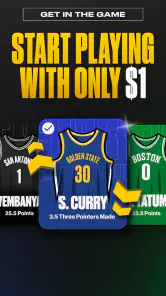



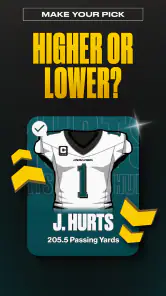


 Analysis by Frivlyz
I first approached Underdog Fantasy Sports as a sports fan looking for something that could fit around a busy week rather than demand another full-time hobby. Its appeal is the idea of making fantasy play feel quick to enter and easy to revisit. But this is not simply a scores app or a conventional league manager: it is a real-money fantasy sports game, so the stakes change how casually I would recommend it. I’d treat the entertainment as the main draw and set clear limits before taking part.
First impressions: quick entry, real stakes
The app is free to download, but that should not be confused with playing for free. Its contests involve real money, and the potential to win is part of the appeal. I’d only use it if I were comfortable with that distinction and old enough to participate: it is rated for adults 18 and over. For anyone under that age, or anyone who wants fantasy sports without wagering, a free league or a standard sports game is the better fit.
There is a useful range of commitment here. A season-long draft can suit someone who enjoys planning ahead, while a daily player-pick format is easier to approach in a short window. That variety makes the app less demanding than a traditional league in one respect: you do not have to coordinate every decision with a group or follow a roster all season just to have something to do. The trade-off is that real-money entries reward a more deliberate approach than casual tapping through a game.
In a normal week, I could imagine checking a matchup after work, looking over the available player choices, and deciding whether I actually want to enter a contest that day. The useful habit is to make that decision before getting absorbed in sports news or a close game. That keeps the app in the role of an optional activity, rather than letting a live result push me into spending more than I planned.
The experience behind the contests
Underdog is a sports game from Underdog Sports Wagering, LLC. It has a 4.7 average from around 13,000 ratings, with over 500,000 installs. Those figures suggest that plenty of sports fans have tried it, but popularity does not tell me whether its real-money format suits a particular person. I would judge that by the style of play I want and by whether I can keep the activity within a firm budget.
How its fantasy formats shape the mood
Gone are the days when you needed a spreadsheet to keep track of your fantasy league scores. Underdog Fantasy Sports simplifies everything with its sleek, user-friendly interface. Setting up your team is a breeze, thanks to its intuitive design and helpful prompts. I love how the app caters to both newbies and seasoned players, offering a range of games from traditional drafts to daily pick'em contests. The app really shines with its ability to quickly adapt to the sports season, ensuring there's always something exciting to participate in.
The strongest design choice is the contrast between formats. A draft asks me to think about a group of players over a longer horizon; a pick’em entry narrows the decision to the predictions in front of me. That difference affects the pace as much as the strategy. Drafting is a more considered activity, while a pick’em can feel like a brief check-in. I would choose based on the kind of attention I can give, not just which contest looks most tempting in the moment.
Gaming Stories You May Enjoy

Dancing Road Turns Short Breaks Into a Test of Rhythm and Timing

Super Stylist Makes Every Outfit a Test of Taste and Patience

Dominoes on Your Terms: Who Should Play and Who Should Pass

Pokémon GO Makes the Familiar World Feel New

Chess.com Turns Rematches Into Rivalries, but Community Has Its Costs

Archery Battle 3D Review: Sharp Aiming, Unclear Feedback
For someone trying fantasy sports for the first time, a small, familiar slate of choices is more manageable than attempting to follow every sport at once. I would start by focusing on one league or a few players I already watch. That makes it easier to understand why I made a particular prediction and to review the decision afterward. It also avoids turning a lively sports app into a stream of unfamiliar names and stats that are hard to evaluate.
Draft strategy and the value of less upkeep
One of the standout features of this app is the Best Ball format, which changes the fantasy sports game. You draft your team at the beginning of the season, and that's it – no trades, no waivers, just pure strategy. This hands-off approach is perfect for those of us who want the thrill without the constant upkeep. The app also boasts a variety of sports including NFL, NBA, and MLB, keeping the action going year-round.
The low-maintenance aspect is not just convenient; it changes what kind of player benefits. If I know I will miss busy stretches of a season, a format that does not require ongoing roster moves is easier to live with than a league where inactivity can undermine the whole experience. On the other hand, anyone who enjoys managing a roster, reacting to injuries, and negotiating trades may find that hands-off structure too restrictive. The format removes chores, but it also removes some of the control that makes traditional fantasy leagues satisfying.
A practical drafting tip is to avoid treating the draft as a test of how many players I can name. I would think about how much time I want to spend following the team afterward and choose a format accordingly. A long-season commitment can still be a poor match if I only want occasional play; the absence of waivers does not mean the season itself stops mattering. For a casual schedule, entering fewer contests with more attention can be more enjoyable than drafting repeatedly just because the option is available.
Daily picks, timing, and decision discipline
Moreover, the pick'em games are a great way to engage with the app daily. You can predict player performances and earn rewards based on your accuracy. It’s a fun way to get involved without having to draft a whole team, making it perfect for those short on time.
The convenience has a drawback: a quick entry can make a real-money decision feel smaller than it is. I would decide on a personal spending cap before opening the contest screen, and I would not raise it to chase a result. A prediction can be wrong for many reasons, and a good sports read is not a guarantee. The app works better as a contained form of entertainment than as a plan for making money.
Timing also matters. If I am checking choices while distracted, I may miss how a player’s role, opponent, or current news affects my reasoning. A useful routine is to look at the available picks, identify what I actually know about each player, and skip the ones where I am guessing. Passing on a slate is a valid decision. That is a less obvious but important part of using a daily format sensibly: the app may offer a contest, but I do not need to participate every time I open it.
Compared with a free pick’em pool among friends, this format adds the pressure and potential reward of a paid entry. Compared with a traditional fantasy league, it can require less coordination and less ongoing roster management. Neither difference makes it universally better. A free pool is better if friendly competition is the point and money would spoil the fun; a deep league is better for someone who enjoys long-term team building and active management.
Social play and the limits of community
The community aspect of Underdog Fantasy Sports is another huge plus. The app fosters a lively community where you can join public leagues or create private ones with friends. The chat feature is a nice touch, allowing for some friendly banter or serious strategy discussions. I’ve found myself spending more time than I’d like to admit chatting with other sports enthusiasts, crafting the perfect team strategy together.
Playing with friends can make a contest feel more personal, especially when everyone follows the same sport and enjoys debating player choices. Still, I would keep social pressure separate from spending decisions. A private group can make participation more fun, but it should not make anyone feel obliged to enter or increase a stake. If the group’s preferred pace or risk tolerance is different from mine, a free fantasy league may be a more comfortable way to stay involved together.
For a new user, I would also separate learning the format from trying to keep up with every conversation. First get comfortable with how a contest works and what a prediction asks of you; then use community discussion as another perspective, not as a substitute for your own judgment. Other players can offer useful context, but their confidence is not proof that a pick is sound.
Presentation, sound, and the rhythm of use
As a fantasy sports app, its atmosphere is built chiefly around the sports decisions and the movement between contests, not a fictional world or a conventional game campaign. That makes the interface’s job practical: get me to the relevant choices without making the experience feel like a spreadsheet. The energy comes from following real players and matchups, while the format determines whether a session is a short daily check or a longer draft-focused visit.
I would not choose this game for an elaborate audiovisual experience. Its appeal is the fantasy activity itself, and the most useful way to assess its presentation is whether I can understand the contest I am considering. During a close game, the urge to check results can make the experience feel more intense, but that intensity comes from the sports context and the real-money stakes rather than from a story or a carefully staged game world.
That distinction helps set expectations. Someone seeking a sports title with animated matches, career progression, or a traditional single-player campaign should look elsewhere. Someone who wants to make fantasy decisions connected to live sports may find the quieter, utility-focused rhythm more suitable. I would use it in short sessions rather than leave it open as background entertainment, especially because a quick glance can turn into repeated checking when a contest is underway.
Compatibility, updates, and deciding whether it fits
The game is free, was released on July 17, 2020, and its current version is 24.14.1-00254eac. It requires Android 8.0 or later. I would check that my device meets that requirement before downloading, and keep the app current so I am using its latest available build. Its rating and reach make it a familiar option in the fantasy sports space, but neither replaces checking whether real-money fantasy play is legal and suitable where I live.
The app has regular updates, and the team behind it is constantly adding new features and fixing bugs, which shows their commitment to providing the best experience possible. It’s always a good sign when developers are actively engaged with their user base.
Who is it for? I think it fits adults who already follow sports, enjoy making player predictions, and can treat entries as entertainment with a predetermined limit. It is also a reasonable option for a busy fan who likes fantasy competition but does not want the weekly maintenance of a conventional roster league. Who should skip it? Anyone under 18, anyone who wants a strictly free experience, and anyone who finds money-based competition stressful should choose a non-wagering alternative instead.
One question I would ask before installing is whether I need to pay to download it: no, the app itself is free, though its fantasy contests involve real money. Another is whether I can use it casually; daily picks make brief sessions possible, but they are still decisions tied to real stakes. And if I prefer a season-long group with trades and active roster management, the draft formats here may not deliver the same kind of involvement as a conventional fantasy league. Knowing which of those experiences I want is more useful than assuming one app can cover every style of play.
Overall, if you’re looking for a fresh take on fantasy sports, Underdog Fantasy Sports is worth a try. It combines the thrill of traditional fantasy leagues with innovative formats and a strong community vibe. Whether you’re a hardcore sports fan or just someone looking to have a bit of fun, this app has something for everyone.
My atmosphere verdict
I would narrow that recommendation: it is worth considering if you are an adult who wants sports-centered fantasy contests, understands the money involved, and can keep participation within limits you set in advance. Its best quality is the choice between a draft that asks for strategic planning and quick picks that fit a shorter session. Its main friction is that convenience can encourage frequent checking, while real-money play makes every casual choice more consequential.
For a free, low-pressure way to compete, I would pick a friend-run league or another no-stakes option. For hands-on roster management, I would choose a traditional fantasy league. But if the appeal is making focused predictions around sports you already follow, and you are comfortable with the adult-only, real-money nature of the game, this can be a lively addition to your routine. I would use it selectively, keep the entertainment budget fixed, and be just as willing to sit out as to enter.
Underdog Fantasy Sports Pros and Cons
Pros
- User-friendly interface for easy navigation.
- Wide variety of fantasy sports leagues.
- Real-time updates and notifications.
- Secure and fast payment processing.
- Engaging social features for interaction.
Cons
- Limited customer support availability.
- Occasional app crashes reported.
- Some leagues have high entry fees.
- Limited customization for leagues.
- Not available in all countries.
Frequently Asked Questions
What is Underdog Fantasy Sports all about?
Underdog Fantasy Sports is a dynamic platform that allows sports enthusiasts to engage in fantasy sports contests. Users can draft teams, participate in daily and season-long competitions, and potentially win prizes. The app emphasizes simplicity and user-friendliness, making it accessible for both beginners and seasoned fantasy sports players. It covers a wide range of sports, offering diverse opportunities for users to test their sports knowledge and strategic prowess.
How does Underdog Fantasy Sports ensure fairness in its contests?
Underdog Fantasy Sports is committed to maintaining fairness and transparency in all its contests. The app employs a random draft order system and uses advanced algorithms to ensure that all participants have an equal chance of success. Additionally, the platform is regularly audited by third-party agencies to uphold integrity and prevent fraudulent activities, providing a trustworthy environment for all users.
Are there any costs associated with using Underdog Fantasy Sports?
While downloading the Underdog Fantasy Sports app is free, participating in certain contests may require entry fees. These fees contribute to the prize pools that users compete for. However, the app also offers free-to-play contests for users who prefer to enjoy the platform without financial commitment. It's important for users to review the terms and conditions related to entry fees and potential winnings.
What sports are available on Underdog Fantasy Sports?
Underdog Fantasy Sports offers a wide array of sports for users to engage with, including popular leagues such as NFL, NBA, MLB, and NHL. In addition to these major leagues, the platform occasionally features contests for niche sports, providing a comprehensive fantasy sports experience. This diversity ensures that users with varying sports interests can find something that suits their preferences.
Is Underdog Fantasy Sports safe and secure to use?
Yes, Underdog Fantasy Sports prioritizes user safety and data security. The app utilizes state-of-the-art encryption technology to protect user information and financial transactions. Furthermore, the platform adheres to industry standards and regulations to ensure a secure gaming environment. Users can feel confident that their personal and financial data is safeguarded while enjoying the app's features.


