

Train Station 2: Rail Tycoon
- Reviews
- 4.3
- Version
- 4.10.0
- Installs
- 10,000,000+

Screenshots
 Analysis by Frivlyz
I judge a railway strategy game by what it asks me to do after the first few trains are moving. A promising start is easy; keeping goals understandable while making each next step feel earned is the harder part. Train Station 2: Rail Tycoon builds its appeal around that steady shift from a small operation to a wider network, with train collecting and contract work giving me reasons to plan instead of simply watch.
Small jobs make a useful start
The opening tutorial introduces the basic rhythm without asking a new player to understand everything at once. I found that welcome: the early goals give the railway a practical purpose, because dispatching trains and fulfilling contracts connect the collection side of the game to a clear task. Rather than treating locomotives as decorations, I have to think about which ones will help me meet the work in front of me.
That structure suits short visits. I can check what a contract needs, set a train to work, and return later to consider the next step. It is a more satisfying loop than tapping through a collection with no job attached, although it also means progress can feel tied to waiting for the railway to do its work. Players who want constant action from the first minute may find the measured rhythm less compelling.
Progress feels clearest when I plan ahead
Train Station 2 is a strategy game from Pixel Federation Games, but its strategy is approachable rather than demanding in the way of a deep simulation. The visible signs of progress come from expanding the train collection, taking on contracts and gradually managing a broader rail operation. For me, the appeal is less about mastering a complicated control system and more about making sensible choices with the trains and tasks available.
A useful habit is to look at the next contract before committing a train to a job. That small pause can help avoid sending the locomotive I need elsewhere, especially when several objectives compete for attention. I also like treating the collection as a working roster: a train that is not the rarest or most impressive may still be the practical choice for the current job. That is a modest but real planning decision, and it gives the tycoon framing some purpose.
How the challenge and pace change
As the operation grows, the game asks for more thought about resource management and route choices. The basic actions remain easy to grasp, but juggling contracts efficiently becomes more important. I appreciate that increase in complexity because it gives returning players something to consider; at the same time, anyone hoping for a hands-on train-driving game should know that the emphasis is on managing the railway, not personally steering every journey.
That distinction also helps when comparing it with the usual alternatives. A conventional train simulator is the better fit if the pleasure comes from controlling a locomotive and experiencing a route directly. A broader city or business-management game may offer more kinds of systems to oversee. Train Station 2 stays focused on collecting trains, assigning work and growing a railway, so it is easiest to recommend to someone who enjoys planning around a specific theme rather than wanting a sprawling simulation.
Gaming Stories You May Enjoy

Dancing Road Turns Short Breaks Into a Test of Rhythm and Timing

Super Stylist Makes Every Outfit a Test of Taste and Patience

Dominoes on Your Terms: Who Should Play and Who Should Pass

Pokémon GO Makes the Familiar World Feel New

Chess.com Turns Rematches Into Rivalries, but Community Has Its Costs

Archery Battle 3D Review: Sharp Aiming, Unclear Feedback
Good habits for a busy day
In everyday use, I would treat it as a game to check between other activities rather than one that needs my full attention for a long session. For example, I might review a contract during a break, assign a suitable train, then come back after work or another task to see what needs attention. The practical tip is to decide what you want to accomplish before opening the game: a quick check for one job feels focused, while browsing every option without a goal can make a light strategy loop feel slower than it is.
It is also worth being honest about the trade-off in this kind of progression. A growing collection and a larger set of objectives can make the railway feel more rewarding, but they can also make each new task feel like another step in a long routine. If you dislike waiting or prefer games where every session delivers a complete challenge, this pacing may test your patience. I would skip it for that reason if idle-style progress frustrates you; the train theme alone may not be enough to overcome that mismatch.
The Gameplay Experience
Imagine yourself as the manager of a budding rail empire. In Train Station 2: Rail Tycoon, you get to build and expand your train collection while strategically planning routes and fulfilling contracts. The game kicks off with a simple tutorial that gets you up to speed with the basics, but as you delve deeper, the complexity and depth of the game really start to shine.
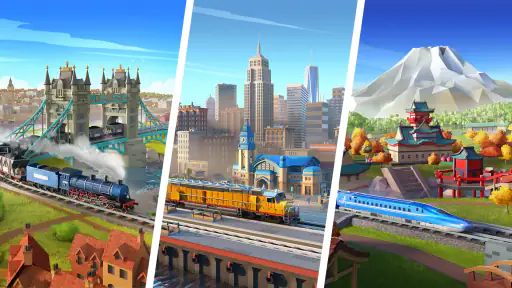
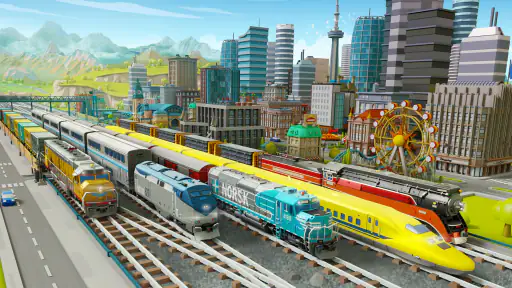
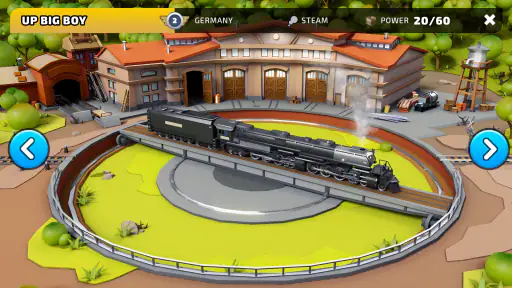
One of the coolest features is the wide variety of trains you can collect. From classic steam engines to modern high-speed trains, each one is meticulously detailed and brings its own unique strengths to your rail network. And trust me, the satisfaction of watching your trains chug along their routes, delivering goods and earning you rewards, is quite fulfilling.
Graphics and Sound Design
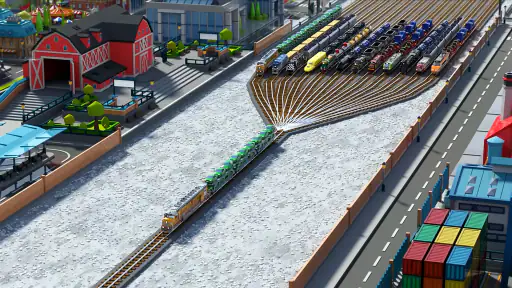
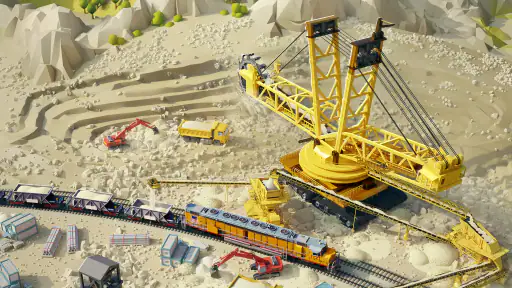
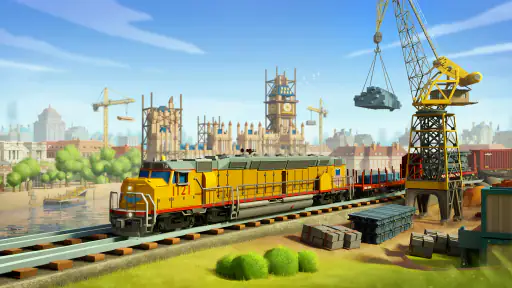
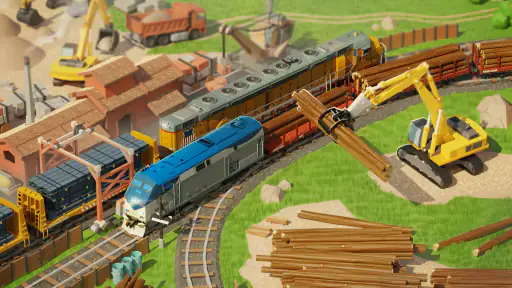
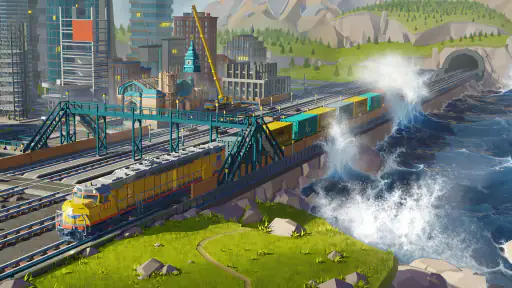
The developers have done a stellar job with the graphics. The vibrant colors and detailed landscapes make the game visually appealing, and the animations are smooth and realistic. Whether you're zooming in to admire your trains or overseeing your entire network, every visual element is crafted with care.
As for the sound design, the game provides an immersive experience with authentic train sounds and a soothing background score. It's like having a mini railway world right on your device.
Challenges and Strategy
As you progress, the game introduces various challenges that require strategic planning and quick decision-making. Balancing resource management with route optimization becomes crucial as you aim to complete contracts efficiently. The game does a great job of keeping you engaged with regular events and updates that offer new challenges and rewards.
The competitive aspect is also worth mentioning. You can join events and compete with other players globally. It's a great way to test your skills and see how your rail empire stacks up against others.
In conclusion, Train Station 2: Rail Tycoon is more than just a game; it's an engaging experience that combines strategy, management, and a love for trains. Whether you're a casual gamer or a hardcore train enthusiast, this game offers something for everyone. So, what are you waiting for? Hop on board and start building your rail empire today!
What to expect before downloading
The basic download is free, and the game is rated Everyone. Its average rating is 4.3 from around 542,000 ratings, and it has passed 10 million installs. Those figures suggest a broad audience, but they do not tell me whether its particular pace will suit you; the contract-and-collection loop is the more useful test. The current version is 4.10.0, and it requires Android 7.0 or later.
There are in-app purchases, priced from about $0.49 to $219.99 per item. That wide range is worth noticing before you start: free entry does not mean every optional purchase will feel small. I would begin without spending and see whether the normal rhythm is enjoyable first. If the game’s progression only feels satisfying when you pay to speed it up, that is a sign the experience may not be right for your budget or preferences.
Who will enjoy the railway routine
I would recommend it most to players who like a themed management game they can revisit in brief sessions, especially collectors who enjoy seeing a roster grow alongside a set of practical goals. Train fans may appreciate the visual variety, while strategy newcomers can get a feel for planning without facing a dense simulation at the outset. Its 4.3 average across roughly 542,000 ratings reflects plenty of interest, but I would still choose based on whether contracts and gradual expansion sound enjoyable to you.
It is less suited to someone looking for a realistic rail operations tool, a driving-focused simulator, or a game built around uninterrupted action. It is also not my first pick for players who dislike event-based competition or the feeling that a management game is asking them to return regularly. If that describes you, a self-contained puzzle or a direct-control simulator may be a better match than a growing tycoon routine.
My progression verdict
For me, the strongest part is the connection between the trains I collect and the work I need to complete. The early tasks make the premise easy to understand, while the expanding demands give planning a reason to matter. The main caveat is pace: waiting and repeated contract management can either make the railway feel pleasantly ongoing or turn it into a chore, depending on what you want from a mobile game.
Train Station 2 is free to try, and I would approach it as a low-pressure railway project rather than a deep simulator or a quick-win strategy challenge. Give it a few sessions, pay attention to whether choosing trains for jobs is fun in itself, and avoid treating collection size as the only measure of progress. If that small cycle of planning, dispatching and returning suits your day, the game has a clear niche; if it does not, the polished train theme probably will not change your mind.
Train Station 2: Rail Tycoon Pros and Cons
Pros
- Engaging train collection gameplay
- Regular updates and events
- Beautiful graphics and animations
- Wide variety of trains to collect
- Multiplayer competitions
Cons
- Requires constant internet connection
- In-app purchases can be pricey
- Limited offline play options
- Ads can be intrusive
- Resource management can be tedious
Frequently Asked Questions
What is Train Station 2: Rail Tycoon?
Train Station 2: Rail Tycoon is a mobile simulation game available on Android and iOS that allows players to build and manage their own railway empire. Players can collect various types of trains, complete jobs, and expand their railway network across different regions. The game emphasizes strategic planning and resource management to optimize train routes and maximize profits.
Is Train Station 2: Rail Tycoon free to play?
Yes, Train Station 2: Rail Tycoon is free to download and play. However, it includes in-app purchases that can enhance gameplay by providing additional resources, speeding up progress, or accessing exclusive trains. Players can still enjoy the game without spending money, although progress may be slower compared to those who purchase in-game items.
What are the main features of Train Station 2: Rail Tycoon?
Train Station 2 offers features such as collecting and upgrading a variety of trains, completing jobs to earn rewards, and expanding your railway empire across different regions. It also includes events and challenges that provide unique rewards and the opportunity to compete with other players. The game boasts detailed graphics and an engaging storyline that keeps players invested in their progress.
Can I play Train Station 2: Rail Tycoon offline?
No, Train Station 2: Rail Tycoon requires an internet connection to play. The game depends on online features such as leaderboards, events, and real-time updates, which necessitate an active internet connection. Players should ensure they have a stable connection to fully enjoy the game's features and avoid any interruptions during gameplay.
How can I get more trains in Train Station 2: Rail Tycoon?
Players in Train Station 2 can acquire more trains by completing various jobs and missions, participating in events, and utilizing in-game currency to purchase train packs. Upgrading existing trains can also be done through earned resources. Engaging with the game's community and participating in special events can provide opportunities to unlock rare and exclusive trains.


