

Traffic Car Racing Ultimate
- Reviews
- 4.5
- Version
- 1.1.1
- Installs
- 1,000,000+

Screenshots
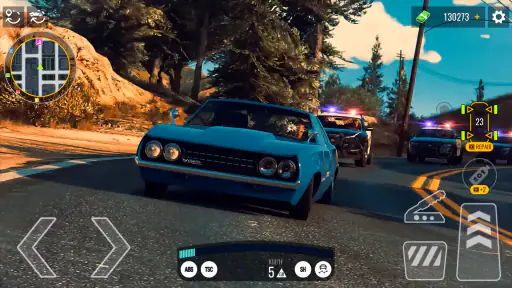
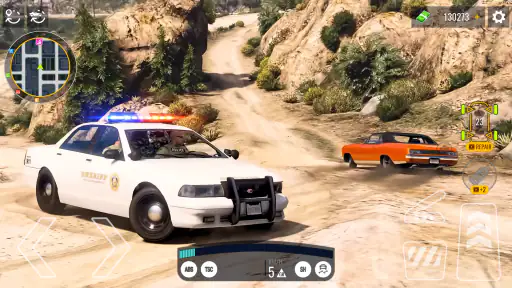
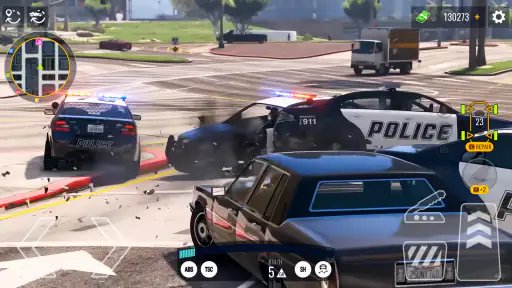
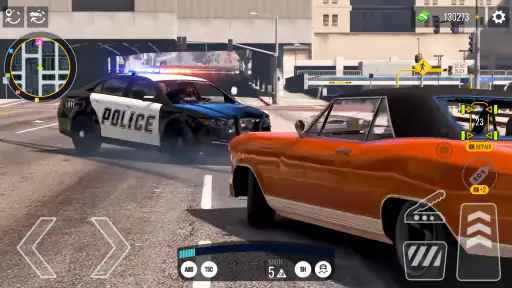
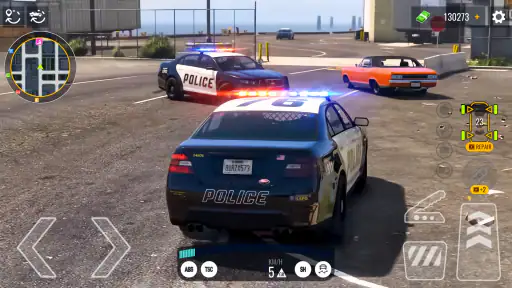
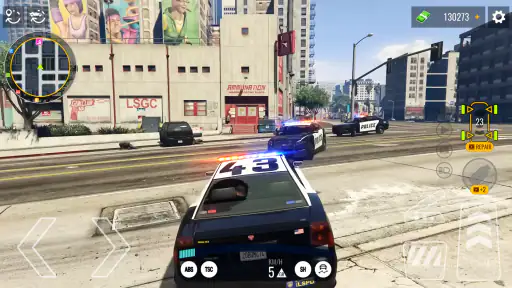
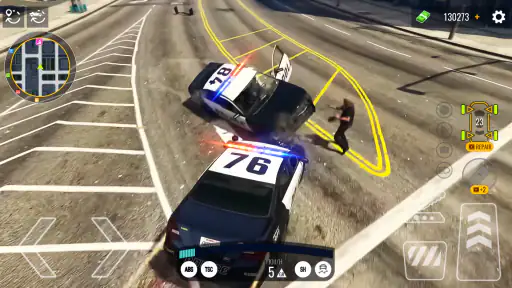
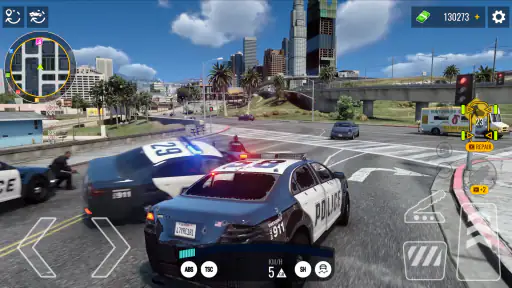
 Analysis by Frivlyz
I first opened Traffic Car Racing Ultimate expecting a quick traffic-dodging racer, and that is still the clearest way to understand its appeal: it puts speed, close calls, and staying alert at the center of the experience. The game is made by KAMA Legend, and its straightforward racing premise makes it easy to approach when I want an immediate driving challenge rather than a long, carefully staged motorsport simulation. Its mood comes from the contrast between open stretches of road and the pressure of traffic, so even a simple run asks me to watch what is ahead and react in time.
A quick first impression, with a clear audience
The game is free to download, carries an Everyone age rating, and has reached over a million installs. Its average rating is 4.5 from around 1,800 ratings, a positive sign of broad interest, though I would treat that as a starting point rather than a guarantee that every racing fan will enjoy it. The current version is 1.1.1, and the game runs on Android 6.0 or later. Optional in-app purchases range from $1.99 to $48.99 per item, so I would check the purchase choices before handing the phone to a child or anyone who might tap through prompts quickly.
What I like about the basic idea is that it suits short sessions. I can imagine opening it while waiting for a ride or taking a break, playing for a few minutes, and putting it down without needing to remember a complicated story. That quick-entry quality is useful, but it also sets expectations: someone looking for a deep campaign, licensed racing teams, or a realistic track-day simulator should look elsewhere. This is a traffic-focused mobile racer, and its appeal rests on concentration and pace rather than recreating every detail of professional racing.
Roads, cars, and the visual language
The first thing that hits you when you launch Traffic Car Racing Ultimate is the sleek interface. It's user-friendly and gets you right into the action. The game offers a variety of modes, including time trial, endless, and a two-way mode to keep things interesting. Each mode offers different challenges that test your reflexes and strategy.
One of the standout features is the wide selection of cars. From sports cars to muscle cars, each vehicle is unique in terms of handling and speed. The customization options allow you to tweak your ride to your liking, adding a personal touch to your racing experience. I found myself spending a significant amount of time just tuning my car to perfection.
That variety gives me a practical way to approach the game instead of treating every run as identical. When I want a defined objective, time trial is the natural place to focus; when I want to keep driving and see how long I can manage, endless mode better fits that mood. The two-way mode calls for a different kind of attention because traffic coming from more than one direction changes how I judge gaps. I would try the modes before settling on a favorite, since the one that feels comfortable at first may not be the one that stays interesting after several sessions.
Car choice is also a decision about feel, not just appearance. A vehicle that seems appealing because of its speed may not suit a player who values steady control, while a car that feels easier to guide can make it more comfortable to learn how traffic behaves. My useful tip is to change one thing at a time when tuning: if I alter several settings and then drive differently, it is hard to tell which adjustment actually helped. That small bit of discipline makes customization more satisfying and keeps it from becoming aimless menu time.
Gaming Stories You May Enjoy

Dancing Road Turns Short Breaks Into a Test of Rhythm and Timing

Super Stylist Makes Every Outfit a Test of Taste and Patience

Dominoes on Your Terms: Who Should Play and Who Should Pass

Pokémon GO Makes the Familiar World Feel New

Chess.com Turns Rematches Into Rivalries, but Community Has Its Costs

Archery Battle 3D Review: Sharp Aiming, Unclear Feedback
How sound, controls, and pacing shape a run
I’d use this section to look at how steering choice and traffic pressure shape the feel of each run, rather than treating controls as a setup detail. A few deliberate test drives can show whether you make cleaner decisions with tilt or touch, and whether the pace stays enjoyable when the road gets demanding. From there, the changing visual mood is easier to judge on its own terms.
Sound and rhythm on a busy road
Let's talk about the visuals. The graphics are top-notch, with detailed environments and smooth animations. Whether you're racing under a clear blue sky or navigating through a bustling city at night, the game delivers a visually stunning experience. The sound effects add to the immersion, with the roar of engines and the screech of tires making you feel like you're in the driver's seat.
The sound and scenery help establish a recognisable racing mood, but they work best when I keep my attention on the road rather than treating the drive as a visual tour. Traffic racing depends on noticing openings and responding quickly; if I play in a noisy room, I would lower other distractions and use the engine and tire sounds as part of the atmosphere, not as a substitute for watching the road. The day and night settings also give the drives a change of tone, though the central task remains the same: judge traffic, pick a line, and avoid losing control of the run.
Controls, learning curve, and small practical choices
The controls are intuitive, with options for both tilt and touch controls to suit your preference. I personally prefer the tilt controls for a more immersive experience, but the touch controls are equally responsive. The game's performance is smooth, with no noticeable lags or glitches, which is crucial for a racing game where split-second decisions matter.
For a first session, I would try both steering options in a low-pressure run instead of assuming one is best. Tilt can make driving feel more physical, but it depends on holding the phone comfortably and having enough room to move it. Touch steering avoids that movement and may be a better fit on a crowded commute or when playing with the device resting on a table. The useful trade-off is immersion versus steadiness; whichever option lets me make small corrections without oversteering is the one I would keep.
What really impressed me is how the game manages to maintain a balance between being accessible to newcomers while providing enough depth for seasoned players. It's easy to pick up, but mastering the game requires skill and practice.
That balance makes it easier to recommend to someone who enjoys quick reaction tests but does not want to study a complicated setup before playing. It may be less satisfying for a racer who expects detailed car physics, long-form progression, or a strong sense of competition against other drivers. Compared with a conventional circuit racer, the emphasis here is on negotiating traffic rather than learning a fixed track and perfecting each corner. Compared with a pure arcade racer built around spectacle, its moment-to-moment challenge is more about reading the road and choosing when to move.
Where it fits into an everyday routine
A realistic use case is a short break between errands: I can start an endless run while waiting, focus on a handful of careful decisions, and stop when I need to move on. If I have more time, I can use a time trial to give myself a clear target, then switch to two-way mode when I want traffic to demand more attention. This is a better fit for brief bursts than for a session where I expect a story or a large set of structured events to carry me for hours.
To keep those sessions from feeling repetitive, I would rotate between modes and cars rather than repeatedly choosing the fastest-looking vehicle. Trying a different handling feel can reveal whether a close call came from a poor gap choice or from a car that does not suit my steering habits. That is a small but useful way to make practice purposeful. If I only chase speed, I may miss the more satisfying skill of staying composed and making clean decisions in denser traffic.
There are limits to that routine. A traffic racer can become frustrating if I want slow, forgiving driving, because the appeal depends on alertness and quick reactions. It is also not the right choice when I want a detailed simulation or a relaxed sightseeing drive: the road is there to challenge my timing, not simply to provide scenery. For a casual player who likes short challenges, though, the compact premise is a strength rather than a shortcoming.
Who should take the wheel
I would recommend it to players who enjoy arcade-style driving, quick sessions, and the little rush of threading through traffic without losing control. It is also a reasonable option for someone who wants to try different cars and steering approaches without committing to a sprawling racing game. Because it is free to start, a curious player can try the basic experience before deciding whether it deserves regular space in their routine; the in-app purchases are worth keeping in mind, especially if spending needs to stay limited.
I would suggest skipping it if your main priority is a realistic career, officially represented motorsport, deep vehicle engineering, or a carefully plotted single-player campaign. Players who dislike traffic pressure may also find the central challenge more stressful than fun. In that case, a track racer with predictable corners or a gentler driving game is likely to be a better match. The right choice depends on whether you want to react to unpredictable road situations or refine a line on a consistent circuit.
In conclusion, Traffic Car Racing Ultimate is a thrilling ride that offers endless hours of entertainment. Whether you're a casual gamer or a hardcore racing enthusiast, this game has something for everyone. The combination of stunning graphics, engaging gameplay, and a plethora of features make it a must-try for anyone looking to experience the thrill of racing on their mobile device.
My own recommendation is a little more specific: try it if you want a quick traffic racer with several ways to approach a run, and judge it by whether its driving rhythm clicks with you. The changing road mood and car choices give the simple premise room to breathe, while the need to stay alert keeps each attempt active. If you prefer long progression or simulation depth, this will probably feel too focused on immediate reactions. If a short, concentrated drive sounds appealing, it is an easy game to sample.
So, what are you waiting for? Hit the download button and start your engines. Let me know if you manage to beat my high score!
Traffic Car Racing Ultimate Pros and Cons
Pros
- High-quality graphics enhance gameplay.
- Realistic car physics for authentic experience.
- Wide variety of cars to choose from.
- Multiple challenging tracks and levels.
- Intuitive controls for smooth navigation.
Cons
- In-app purchases can be costly.
- Ads can interrupt gameplay frequently.
- Requires high battery usage.
- Limited offline features available.
- Can lag on older devices.
Frequently Asked Questions
What are the main features of Traffic Car Racing Ultimate?
Traffic Car Racing Ultimate offers a thrilling racing experience with high-speed action on busy roads. Players can enjoy a variety of customizable cars and different game modes, including time trials and endless racing. The game features realistic graphics and physics to enhance the immersive experience. Additionally, players can compete with others globally through leaderboards.
Is Traffic Car Racing Ultimate free to play?
Yes, Traffic Car Racing Ultimate is free to download and play. However, it includes optional in-app purchases that can enhance gameplay, such as unlocking new cars or buying upgrades. While the basic features are available for free, these purchases can provide a more enriched experience for those who choose to invest in them.
What devices are compatible with Traffic Car Racing Ultimate?
Traffic Car Racing Ultimate is compatible with most Android and iOS devices. It requires Android 4.4 or later and iOS 9.0 or later. The game is optimized for both smartphones and tablets, ensuring a smooth gaming experience across different screen sizes and resolutions. Before downloading, ensure your device meets these requirements for optimal performance.
Does Traffic Car Racing Ultimate require an internet connection?
Traffic Car Racing Ultimate can be played offline, allowing players to enjoy the game without an active internet connection. However, some features like leaderboards and multiplayer modes require online access. To fully enjoy all aspects of the game, an internet connection is recommended but not strictly necessary for basic gameplay.
How can I control the cars in Traffic Car Racing Ultimate?
In Traffic Car Racing Ultimate, players can choose from various control options to suit their preferences. The game offers tilt controls using the device's accelerometer, as well as touch controls for steering. Players can customize sensitivity settings to enhance their driving experience, ensuring comfortable and responsive handling during races.


