

Tomorrow: MMO Nuclear Quest
- Reviews
- 4.4
- Version
- 1.0.2
- Installs
- 1,000,000+

Screenshots
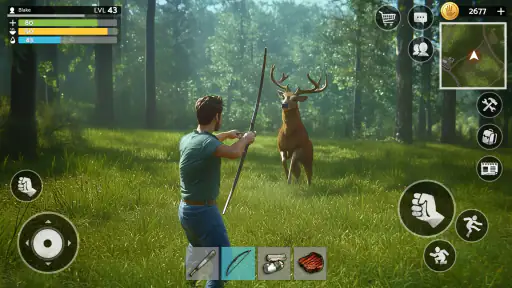
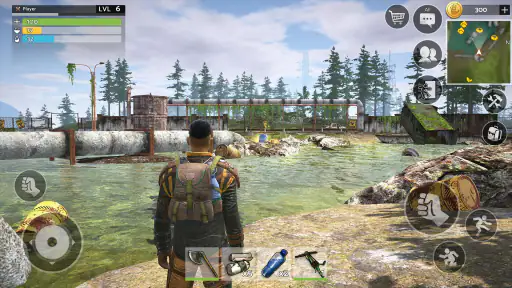
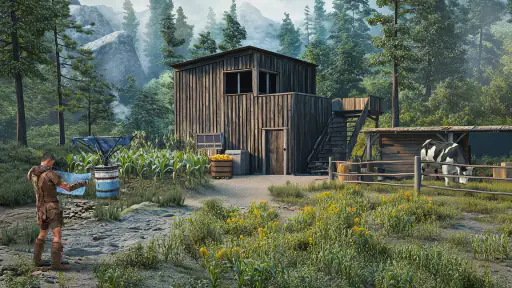
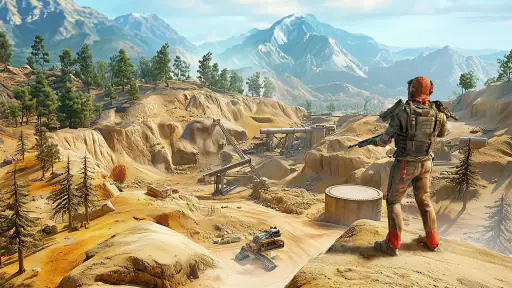
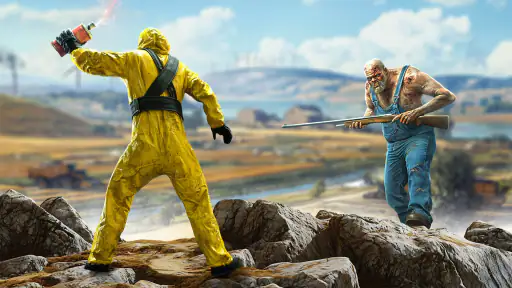
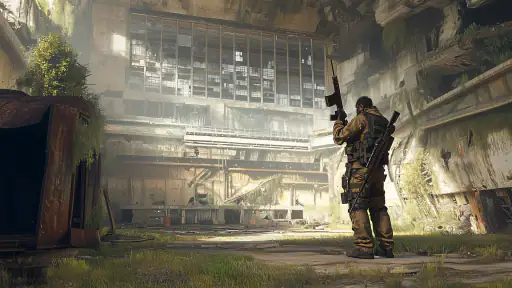
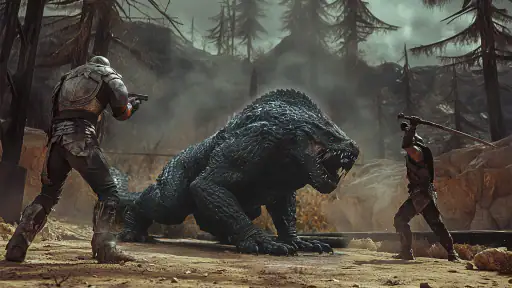

 Analysis by Frivlyz
I tend to judge a mobile survival game by what it asks me to do between the dramatic moments. A wasteland can look convincing, but the day-to-day loop needs to make scavenging, making equipment, and choosing when to fight feel worthwhile. Tomorrow: MMO Nuclear Quest is an action survival RPG from Swift Apps LTD, and its mix of exploration, crafting, base-building, and zombie combat is aimed at players who enjoy making progress through practical decisions as much as through battles.
That focus makes it a better fit for someone who likes gradually improving a foothold in a hostile setting than for someone after a short, self-contained action game. The game is free to start, while in-app purchases range from $0.99 to $99.99 per item, so I would go in ready to decide for myself whether optional spending adds enough value. Its Mature 17+ rating is also worth considering before installing, particularly if you share a device or are choosing a game for a younger player.
What to decide before you begin
Ask yourself whether you enjoy a loop that alternates between preparation and risk. In a survival RPG, a supply run is not just a trip across a map: it is a choice about what you can carry, what you might need later, and whether a fight is worth the trouble. Tomorrow’s crafting and base-building give those choices a reason to matter. If you want action without the overhead of gathering and making things, a more straightforward shooter may suit you better.
It also helps to be honest about how you like to play with other people. The MMO framing and the prospect of joining forces give the world a social dimension, but a shared survival setting can ask for more patience than a solo campaign. I would choose this when I’m in the mood to make plans, explore, and work toward a stronger base—not when I only have a few minutes and want a clean match with a clear finish.
Where the survival loop has appeal
The strongest reason to try it is the way its main activities support one another. Scavenging gives crafting a purpose; crafted gear can help you handle threats; and a base offers a practical project beyond simply moving on to the next encounter. That connected loop is more interesting to me than collecting supplies for its own sake. It gives a run a small personal goal, such as returning with enough materials to make a useful improvement rather than chasing every possible fight.
A useful habit in games built around survival is to set a purpose before leaving safety. I might decide to look for a particular kind of resource, then avoid detours that put the trip at risk. That approach makes choices easier: I can judge a tempting encounter against the reason I set out, instead of treating every enemy as an invitation. It also helps keep crafting from becoming an endless checklist. The satisfaction comes from using what I find to solve a problem I actually have.
For a realistic evening session, I’d treat the game as a gradual project. After a busy day, I might spend a short stretch checking what my character needs, choose one manageable objective, and explore with that goal in mind. If I find useful materials, I can work them into equipment or base progress; if the route turns dangerous, retreating with what I have can be the smarter result. That kind of self-set objective is a good fit for players who enjoy making their own small stories from a larger survival world.
Gaming Stories You May Enjoy

Dancing Road Turns Short Breaks Into a Test of Rhythm and Timing

Super Stylist Makes Every Outfit a Test of Taste and Patience

Dominoes on Your Terms: Who Should Play and Who Should Pass

Pokémon GO Makes the Familiar World Feel New

Chess.com Turns Rematches Into Rivalries, but Community Has Its Costs

Archery Battle 3D Review: Sharp Aiming, Unclear Feedback
Exploring the Wasteland
Right off the bat, Tomorrow: MMO Nuclear Quest throws you into a gritty world where humanity is struggling to survive. Imagine Fallout meets Mad Max with a sprinkle of MMORPG elements, and you've got a pretty solid idea of what to expect. The game kicks off with a character customization process that’s surprisingly detailed for a mobile game. You can tweak everything from the shape of your nose to the color of your shoes. It’s the little things that count, right?
Gameplay and Mechanics
Once you're in, the game feels like a massive open-world playground. You get to explore desolate cities, scavenging for resources and battling it out with both AI and real players. The combat system is intuitive, though it did take me a few tries to get the hang of dodging attacks while managing my own offensive strategies. Pro tip: Always keep an eye on your stamina bar; it can be a lifesaver when you're knee-deep in mutant territory.
One of my favorite parts about the game is the crafting system. Collecting materials to make weapons and gear adds a satisfying layer of strategy. It’s like being a scavenger on a treasure hunt! Plus, teaming up with other players to complete quests and take down tougher enemies means you're never truly alone in this harsh world.
Making progress without overcommitting
For me, the practical question is whether a survival game respects the way I actually use my phone. I would not treat every login as a demand to clear a long checklist. Instead, I’d pick one useful task—gathering, improving gear, or making a base-related step—and stop when that goal is done. This keeps the resource loop focused and makes it easier to tell whether the game’s pace suits me, rather than letting an open-ended world turn every spare moment into another obligation.
Another small but valuable decision is to separate preparation from ambition. If I’m short on equipment or unsure how a dangerous area will play out, I’d rather make a safer trip and build up than risk everything for a speculative reward. That is not a claim that every encounter can be planned perfectly; it is a way to give scarce supplies a job before I leave. Players who enjoy improvising under pressure may prefer to take bigger risks, while cautious planners will get more satisfaction from measured runs.
The social side also changes how I’d approach a session. If friends are available, coordinating around a shared objective can make tougher tasks feel less like repeated solo work. If nobody else is online or I want a quieter session, I’d focus on personal progression and exploration rather than assuming every activity needs a group. That flexibility matters in an MMO-style game: it is appealing when I want company, but less ideal if I expect every part of the experience to be a tightly guided solo story.
Graphics and Sound
The graphics are surprisingly impressive for a mobile game. I played on a mid-range smartphone and was blown away by the level of detail in the environments. From the cracked pavement to the eerie glow of radioactive pools, everything was rendered beautifully. Plus, the sound design really adds to the immersion. Whether it's the distant howl of a mutant or the crackling of a Geiger counter, the audio cues make you feel like you're right there, fighting for survival.
On a phone, readability and control comfort matter as much as atmosphere. The existing experience has moments where controls feel clunky, so I would give myself time to learn the combat rhythm before committing valuable supplies to a risky encounter. Paying attention to stamina, as well as to attack timing, is a concrete way to reduce avoidable mistakes. If touch controls are usually a deal-breaker for you, that friction deserves more weight than the appeal of the setting.
Sound cues can help make the world feel present, but I would not rely on audio alone as a survival strategy. Playing with sound on can deepen the mood; playing quietly may be more practical in public or at home when other people are around. The useful takeaway is to choose a setup that lets you stay comfortable and attentive, rather than treating immersion as a requirement for enjoying the game.
How it compares with other mobile choices
Compared with a match-based action game, Tomorrow asks for more investment in what happens before and after a fight. That extra layer is its attraction if you like gathering materials, improving equipment, and building toward a longer-term goal. A quick arena-style alternative is likely the better choice when you want a short session with immediate competition and little preparation. Neither style is automatically better; it depends on whether you enjoy the survival routine as much as the combat.
Compared with a single-player post-apocalyptic adventure, the MMO element points toward a more shared world and the possibility of cooperating with other players. That can make the wasteland feel less predictable, but it also means the experience may not deliver the same controlled, story-led rhythm as a solo campaign. I’d pick a narrative-focused game if I want authored scenes and a clear ending. I’d pick this one when I’m more interested in building up, exploring, and responding to a world that includes other people.
There is also a meaningful difference from lighter crafting games. Here, crafting sits alongside action and survival pressure rather than serving only as a relaxed building activity. If what I really want is calm, creative construction, a peaceful sandbox is probably a better match. If I want crafting to help me prepare for hostile territory, this blend has a clearer purpose.
Cost, version, and the commitment to try it
The game is free to download, and its current version is 1.0.2. I’d treat the free entry point as a chance to test the basic rhythm before spending anything, not as a promise that every player will find purchases worthwhile. Since individual in-app purchases span $0.99 to $99.99, I would set a personal spending limit in advance and avoid buying simply because a difficult moment makes progress feel urgent. A purchase only makes sense if it improves the way I want to play, not because I feel pressured to keep up.
Switching into this kind of game has a time cost even when installation costs nothing. You need to learn what is worth collecting, how combat feels on your device, and whether the social side fits your schedule. I’d give it a few sessions with modest goals before deciding. If I find myself enjoying the planning and gradual improvement, that is a good sign; if I mostly resent gathering or feel that every trip is a chore, moving to a more direct action game is a sensible choice.
It is available for devices running Android 7.0 or later, and its Mature 17+ rating makes it unsuitable for younger players. The game has an average rating of 4.4 from around 17,000 ratings, with more than 500,000 installs. Those figures suggest it has found an audience, but they cannot tell me whether its specific mix of survival, combat, and social play will suit my habits. I would use them as context, then decide based on the actual loop and the amount of friction I’m willing to accept.
Final Thoughts
All in all, Tomorrow: MMO Nuclear Quest is a must-try for anyone who loves a good post-apocalyptic adventure. It’s got everything: intense gameplay, a vibrant world to explore, and enough challenges to keep you on your toes. Sure, it has its quirks, like occasionally clunky controls and the odd server issue, but what MMORPG doesn’t? The thrill of survival and the joy of discovery more than make up for these minor hiccups.
If you’re looking for an engaging mobile game that offers both depth and excitement, give Tomorrow: MMO Nuclear Quest a go. Just remember to keep your wits about you and your Geiger counter handy!
My recommendation is strongest for players who want a persistent-feeling survival routine: gather with a goal, turn materials into useful gear, improve a base, and sometimes rely on other people. I would skip it if I want frictionless controls, a polished short-session shooter, or a quiet building game without hostile pressure. The Mature 17+ rating is another clear reason to choose something else for a younger audience.
So, would I install it? Yes, if I had room for a game that rewards patience and I was curious about its wasteland setting. I’d start free, keep spending optional, and give the core loop a fair trial before deciding whether it deserves a regular place on my phone. Its best quality is the feeling that preparation can give exploration a purpose; its main caveat is that the same survival demands may feel like busywork when I’m not in the mood to plan.
Tomorrow: MMO Nuclear Quest Pros and Cons
Pros
- Engaging post-apocalyptic storyline.
- Diverse character customization options.
- Smooth and intuitive controls.
- Active and supportive community.
- Regular updates with new content.
Cons
- Occasional server connectivity issues.
- In-game purchases can be pricey.
- Complex learning curve for beginners.
- High battery usage during gameplay.
- Some quests feel repetitive.
Frequently Asked Questions
What is Tomorrow: MMO Nuclear Quest and what can I expect from the gameplay?
Tomorrow: MMO Nuclear Quest is a massively multiplayer online game set in a post-apocalyptic world where players engage in quests, build alliances, and compete for resources. Expect immersive gameplay with a mix of strategy and action, featuring customizable characters, expansive maps, and dynamic events that challenge your survival skills and strategic thinking.
Is Tomorrow: MMO Nuclear Quest free to play, or does it require in-game purchases?
Tomorrow: MMO Nuclear Quest is free to download and play, but it does offer in-game purchases. These purchases range from cosmetic items to power-ups and resources that can enhance your gaming experience. While spending is optional, some players opt to buy these items to progress faster or customize their characters more uniquely.
What type of devices and operating systems are compatible with Tomorrow: MMO Nuclear Quest?
Tomorrow: MMO Nuclear Quest is available on both Android and iOS platforms. It is compatible with most modern smartphones and tablets that meet the game's system requirements. Ensure your device has a stable internet connection and sufficient storage space to install and run the game smoothly, providing an optimal gaming experience.
How does the multiplayer aspect work in Tomorrow: MMO Nuclear Quest?
The multiplayer aspect of Tomorrow: MMO Nuclear Quest allows players to interact with others globally in real-time. You can form alliances, engage in battles, and participate in cooperative quests. The game features chat functions and team-based missions, fostering a community-driven environment where strategic collaboration is key to success.
Are there any parental controls or safety measures in Tomorrow: MMO Nuclear Quest?
Yes, Tomorrow: MMO Nuclear Quest includes parental controls to ensure a safe gaming environment for younger players. Parents can set spending limits, control chat interactions, and monitor gameplay duration. The game is designed with safety measures to prevent inappropriate content and interactions, making it suitable for a wide audience, including teens.


