

Tides of Time
- Reviews
- 3.9
- Version
- 1.2.0
- Installs
- 10,000+

Screenshots
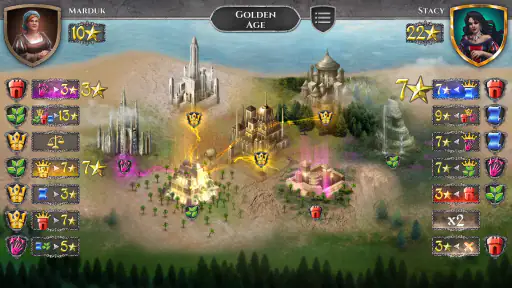

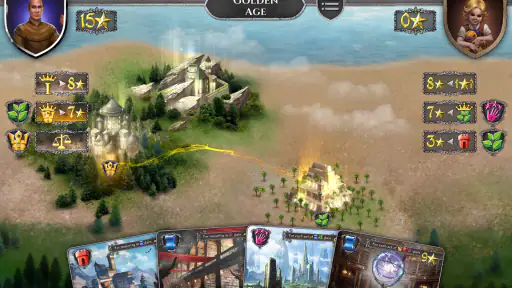
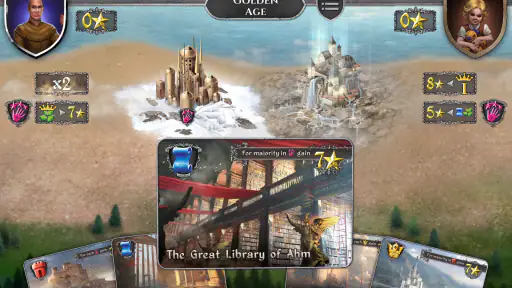
 Analysis by Frivlyz
My first few sessions with Tides of Time made its appeal clear: this is a focused card game for two, built around choosing cards carefully rather than managing a sprawling collection or learning a long list of rules. I can see it working especially well when a friend and I have a short break and want something more thoughtful than a luck-first filler game. It is a paid game, at $0.99, so I would treat the small purchase as a choice about whether this particular kind of head-to-head play suits you, not as a promise of endless variety.
The first-week appeal: small decisions, quick lessons
The basic idea is easy to approach, but the decisions have enough weight to make a first match feel like more than a tutorial. In a drafting game, taking a card is also a choice about what the other player may get, so I find myself weighing immediate points against the possibility of denying a useful option. That makes the learning curve feel approachable without making every choice obvious. If you are new to drafting, I would focus first on understanding what each card rewards rather than trying to predict every move your opponent might make.
Playing against the AI is useful when I want to learn at my own pace or have a quick solo session. Pass-and-play makes the game a more direct fit for a shared screen and a friend sitting nearby. Those two ways to play serve different moods: the AI is convenient when nobody else is available, while a human opponent makes the card choices feel more personal because you can react to one another. I would choose this over a sprawling strategy game when the group wants a compact contest, but not when everyone is hoping to play online from separate places.
For a realistic everyday use, I can imagine opening it during a quiet coffee break with a friend, playing a match, then putting the phone away without needing to organize a full game night. Its two-player focus is an advantage in that situation, not a limitation to work around. On the other hand, it is not a party game: if three or four people are waiting to join, this is not the title I would bring out to keep everyone involved at once.
What keeps the card choices interesting
When I first stumbled upon Tides of Time, I was intrigued by its promise of strategic gameplay. And boy, does it deliver! The game is all about making the right choices at the right time. You start with a deck of cards, each with its own unique abilities and point values. Your task? To build a civilization that stands the test of time, all while outsmarting your opponent. Sounds simple, right? Well, not quite. The beauty of this game lies in its depth. Each card you play can influence your future moves, and the challenge is in predicting your opponent's strategy while crafting your own.
A Visual Feast
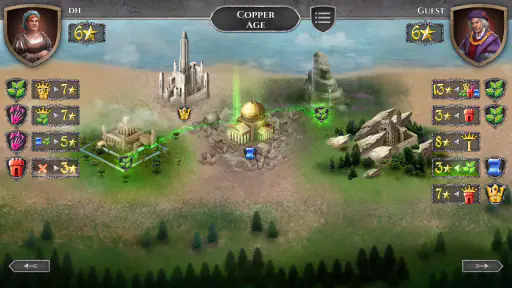
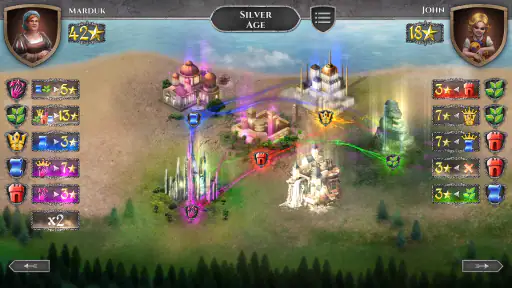
I have to say, the visuals in this game are absolutely stunning. Each card is beautifully illustrated, bringing the world of your civilization to life. The attention to detail is remarkable, and it really enhances the overall gaming experience. Plus, the user interface is super intuitive, making it easy to navigate and enjoy the game without any hiccups.
One practical thing I value in a card game is whether the screen makes it easy to compare options before committing. Here, the card-focused presentation suits a game where reading the choices matters, and the artwork helps give those choices character. Still, a polished look cannot make a close decision for you; I would take a moment to inspect what a card does instead of choosing based on its illustration or apparent theme. That small habit helps keep the contest about planning rather than first impressions.
Gaming Stories You May Enjoy

Dancing Road Turns Short Breaks Into a Test of Rhythm and Timing

Super Stylist Makes Every Outfit a Test of Taste and Patience

Dominoes on Your Terms: Who Should Play and Who Should Pass

Pokémon GO Makes the Familiar World Feel New

Chess.com Turns Rematches Into Rivalries, but Community Has Its Costs

Archery Battle 3D Review: Sharp Aiming, Unclear Feedback
Quick and Engaging Gameplay
One of the things I love most about Tides of Time is how quickly you can get into a game. Whether you have a few minutes to spare or want to settle in for a longer session, this game fits perfectly into any schedule. The rounds are fast-paced, yet they require thoughtful planning and execution. It's this balance that keeps me coming back for more.
The short-session feel is also a useful way to learn from a loss. Instead of treating one match as a verdict on your skill, I would look back at a single choice: did I take the card that helped my own plan, or the one that seemed most dangerous in the other player's hands? That kind of self-review gives repeat plays a purpose without turning a casual game into homework. It is one reason the drafting format can remain satisfying after the initial novelty of the artwork wears off.
If you're new to card games, don't worry! There's a helpful tutorial to guide you through the basics, and before you know it, you'll be strategizing like a pro. And for those seasoned gamers out there, the complexity hidden within the simplicity of Tides of Time will definitely keep you on your toes.
Month-to-month value and the competition
Against the usual alternatives in mobile card games, this has a narrower but clearer job. Many digital card titles encourage long-term collecting, deck construction, or competition with a broad player pool. Tides of Time instead suits someone who wants a compact drafting duel without making collection management the main activity. That focus is refreshing if you like deciding from the cards in front of you; it may feel restrictive if your favorite part of card games is building and tuning a personal deck over time.
Its recurring value depends less on unlocking a large amount of content and more on whether you enjoy revisiting the same kind of decision-making. I would keep it installed if I had a friend who also liked quick strategic matches, or if I regularly wanted a solo game against the AI. If I only played once in a while and preferred a fresh ruleset every session, I would be less confident it would earn a permanent place on my phone. The key question is not whether the first game is enjoyable, but whether you like testing different choices within a focused two-player format.
A useful way to avoid making repeated sessions feel automatic is to give yourself a small goal for each match: notice which card you regret passing, or try to spot what your opponent appears to value. This keeps attention on the draft rather than simply racing through another round. It is not a substitute for new modes or a changing opponent, but it does make a rematch more instructive when you are playing with the same person.
Maintenance, friction, and who should skip it
There is little ongoing upkeep inherent in the way I would use this game: no physical cards to sort and no table to clear, just the choice to start a match when the moment suits. The main maintenance is mental. If you want to get better, remember which kinds of choices have worked for you and pay attention to what the other player tends to value. I would not turn that into a strict record-keeping routine; the game is better as a light, repeatable contest than as a chore to optimize.
The two-player design is also the biggest practical constraint. Pass-and-play is convenient when you are together, but it does not solve the problem of wanting to play with someone who is elsewhere. The AI offers a solo alternative, though playing a computer opponent is not the same social experience as reading a friend across the table. If remote multiplayer, a large group, collectible progression, or a constantly changing pool of opponents is essential to you, another card game will likely be a better match.
Portal Games Digital is the developer, and the game is rated Everyone, which makes it broadly suitable for casual play across ages. It costs $0.99, has a 3.9 average from around 300 ratings, and has passed 10,000 installs. Those figures give a useful sense that it has found an audience, but I would put more weight on the fit: the game is most appealing to people who enjoy careful choices in a small, direct contest. The current version is 1.2.0 and it runs on Android 5.1 or later, so I would check that requirement before expecting it to work on an older device.
When the novelty fades
The most likely source of fatigue is repetition of the same basic kind of contest. Fast sessions make it tempting to start another match, but they can also make familiar decisions blur together if you are playing without a willing opponent or a personal reason to return. A friend who adapts to your habits can keep the back-and-forth lively; an occasional solo match is better for practice or a quick diversion than for recreating that social tension.
I also would not recommend judging it by the standards of a deep campaign or a card battler built around collecting. Its strength is concentration, and that means it deliberately gives up some breadth. For me, that trade-off is worthwhile when I want a thoughtful game that starts quickly and does not demand a long session. When I want a larger sense of progression or several people involved, I would choose something designed for those needs rather than expecting this compact duel to stretch beyond its purpose.
Final Thoughts
In a world of endless mobile games, Tides of Time stands out as a must-try. Its blend of strategy, stunning visuals, and quick gameplay make it a perfect choice for gamers of all levels. So why not give it a try? Download the app, get your game face on, and see if you have what it takes to master the tides of time!
That enthusiasm comes with one qualification: I think it earns lasting space when its specific routine matches yours. If you enjoy drafting, like learning from compact head-to-head decisions, and have a use for either the AI or pass-and-play, it is easy to revisit without much setup. If you need constant novelty, remote play, or a broader multiplayer format, the first-week appeal may not turn into a lasting habit. I would choose it for focused two-player card sessions, not as a replacement for every kind of mobile game.
Tides of Time Pros and Cons
Pros
- Engaging time-travel theme.
- Stunning graphics and animations.
- Intuitive user interface.
- Regular updates with new content.
- Challenging puzzles enhance gameplay.
Cons
- Occasional in-app purchase prompts.
- Requires constant internet connection.
- High battery consumption.
- Limited offline playability.
- Some complex puzzles can frustrate.
Frequently Asked Questions
What is the main objective of Tides of Time?
Tides of Time is a strategic card game where players aim to accumulate the highest score by building a civilization over three ages. Each age allows players to play cards that represent various structures, territories, and achievements, which contribute to their overall score. The game requires strategic planning to outsmart opponents and adapt to changing dynamics.
Is Tides of Time suitable for all age groups?
Tides of Time is designed for players aged 10 and above. The game involves strategic thinking and decision-making, which may not be suitable for very young children. However, it is an excellent game for families, friends, and individuals who enjoy strategy-based games and wish to engage in a mentally stimulating activity.
How long does a typical game of Tides of Time last?
A typical game of Tides of Time lasts around 20 to 30 minutes, making it a quick yet engaging experience. Its relatively short duration makes it ideal for players who want to enjoy a strategic game without investing a significant amount of time. This allows for multiple rounds to be played in a single session.
Can Tides of Time be played solo or does it require multiple players?
Tides of Time is primarily designed for two players, making it an excellent choice for couples or friends who enjoy head-to-head competition. However, some versions or adaptations of the game might include solo play options or alternative rules to accommodate more players, but the core experience thrives on two-player interactions.
Are there any in-app purchases or expansions available for Tides of Time?
Tides of Time itself is a standalone game with no mandatory in-app purchases. However, there may be expansions or additional content available for those looking to enhance their gaming experience. These expansions can introduce new cards and mechanics, providing additional variety and strategic depth to the game.


