

Tick Tock: A Tale for Two
- Reviews
- 4.5
- Version
- 1.1.9
- Installs
- 10,000+

Screenshots
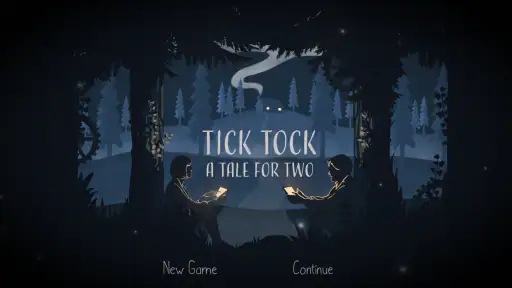
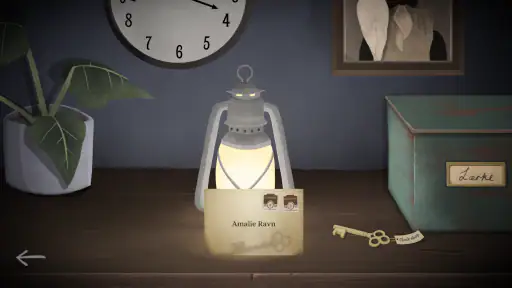
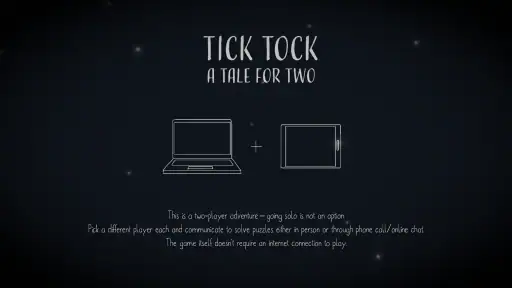
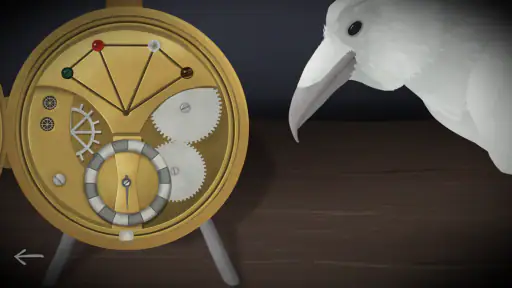
 Analysis by Frivlyz
I like puzzle games that give two people a reason to talk rather than simply putting them side by side with separate controllers. Tick Tock: A Tale for Two builds its appeal around that idea: you and a partner investigate a strange, clockwork setting, but each of you has to work from a different view of the puzzle. The result feels less like a solo game with a helper and more like a shared problem you have to solve by comparing observations.
A purchase that depends on having a partner
This is a paid puzzle game from Other Tales Interactive, listed at $2.99, and the key buying detail is easy to overlook: both players need their own copy. That makes it a different proposition from a game one person buys and passes around. Before either of you pays, agree on who will play with whom and make sure both people are comfortable buying in. The Everyone age rating makes it suitable for a broad audience, but the communication required still means it works best with someone willing to listen, describe clues, and think aloud.
The game has an average rating of 4.5 from around 800 ratings, with over 10,000 installs. I take that as encouraging context, not a guarantee that it will suit every pair. A cooperative puzzle can be excellent for two people who enjoy talking through a mystery and awkward for two people who prefer to play quietly or move at very different speeds. Its strongest selling point is also its main condition: you need another person, another copy, and enough time to focus together.
What the two-player setup changes
In many puzzle games, cooperation means sharing a screen and taking turns trying things. Here, the separate views make conversation part of the actual solving process. One player may have a detail the other cannot see, so vague calls like “look at the symbol” are not much help. I’d describe the shape, position, order, and any nearby marks before suggesting an answer. That small habit can prevent a lot of circular guessing.
It also gives the game a useful social rhythm. Instead of one person grabbing the controls while the other watches, both players have information to contribute. If one partner is more confident with logic puzzles, the other can still be valuable by spotting a visual pattern or asking a question that changes how the clue is understood. For friends who enjoy escape-room style conversation, that balance is a real strength.
The Intriguing World of Tick Tock
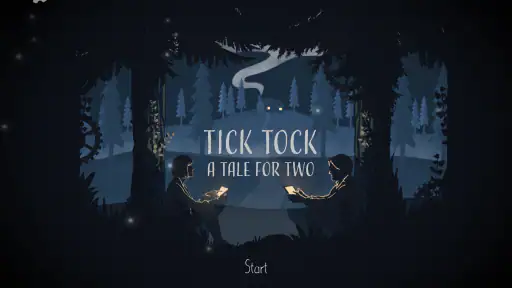
Picture this: You and your partner are plunged into a mysterious world where time and communication are your only allies. What makes Tick Tock: A Tale for Two stand out is its unique concept. Unlike most games where you're glued to the same screen, this game requires you to play on separate devices. Each of you will see different parts of the puzzle, and the only way to progress is through effective communication. It's like being in an escape room, but with a twist! Teamwork is the name of the game here.
Gameplay That Keeps You Hooked
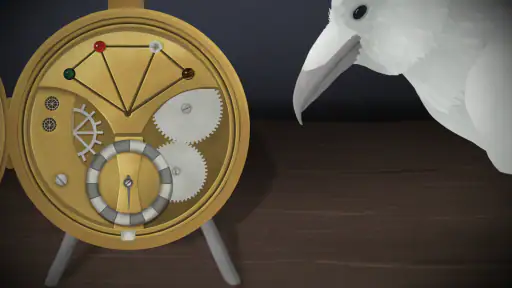
Let's dive into the gameplay, shall we? The game is set in a clockwork world filled with intricate puzzles that will test your cognitive skills. As you advance, the puzzles become more challenging, requiring you and your partner to think outside the box. You’ll need to describe what you see, listen carefully, and piece together the clues. It's a beautiful blend of mystery and logic, keeping you on your toes from start to finish.
Gaming Stories You May Enjoy

Dancing Road Turns Short Breaks Into a Test of Rhythm and Timing

Super Stylist Makes Every Outfit a Test of Taste and Patience

Dominoes on Your Terms: Who Should Play and Who Should Pass

Pokémon GO Makes the Familiar World Feel New

Chess.com Turns Rematches Into Rivalries, but Community Has Its Costs

Archery Battle 3D Review: Sharp Aiming, Unclear Feedback
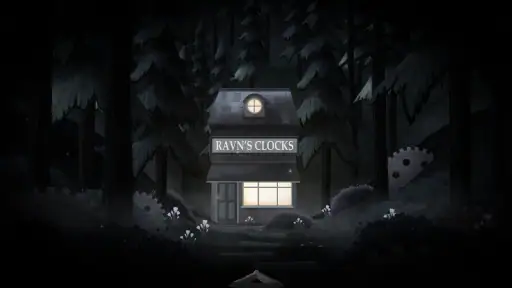
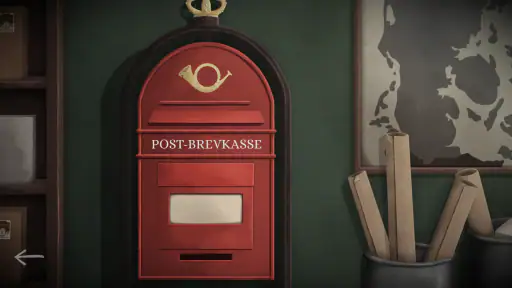
One of the highlights is the immersive storytelling. The narrative is woven seamlessly into the gameplay, making you feel as if you’re part of a storybook adventure. The graphics are charmingly simple yet effective, adding to the overall enigmatic atmosphere. And let's not forget the sound design! The eerie soundtrack perfectly complements the game’s mysterious vibe, adding an extra layer of tension as you race against the clock.
Connecting Through Play
What I love most about this game is its ability to bring people together. In a world where digital interactions often feel isolating, Tick Tock: A Tale for Two reminds us of the joy of shared experiences. Whether you're playing with a friend, a family member, or even someone across the globe, the game fosters a sense of connection and camaraderie. It's a fantastic way to bond and create memories, one puzzle piece at a time.
For a practical setup, I’d treat it as a planned activity rather than a quick game to open while waiting in line. Pick a time when both players can pay attention, keep the devices close enough for easy conversation, and agree that neither person will search for solutions while the other is still working through a clue. If you’re playing remotely, a voice call can help you explain details without relying on short text messages. The game’s central challenge is exchanging information, so a clear conversation is more useful than a fast connection or fancy equipment.
Keeping the clues manageable
A simple way to avoid getting stuck is to separate observation from interpretation. First, each player reports what is plainly visible; then you compare those details and decide what they might mean. If a clue seems confusing, repeat its exact features rather than jumping straight to a guessed answer. This is especially helpful when one player is looking at a symbol or arrangement the other cannot inspect. It keeps both people involved and makes the eventual solution feel earned rather than lucky.
There is a trade-off: the same split perspective that makes the puzzles cooperative can become frustrating if one person dominates the conversation or rushes to solve everything. I’d agree on a pace before starting, and give each player room to explain their view. If you are introducing the game to someone who is new to puzzles, patience matters more than having a “clever” partner. It is not an ideal choice for a group that wants casual background play or for someone who prefers complete control over the whole screen.
How it differs from familiar puzzle games
Compared with a conventional mobile puzzle game, where one player taps through a level alone, this is much more dependent on another person’s attention. A solo logic game is easier to pick up for a few minutes and does not require coordinating schedules, but it cannot create the same back-and-forth discovery. Compared with a local co-op game on one display, this design asks each player to contribute separate information instead of simply sharing controls. That makes conversation central, not optional decoration.
It is also worth distinguishing it from a general online multiplayer game. The appeal here is not competition, matchmaking, or a large group activity; it is a focused partnership. If your preferred alternative is a fast game with frequent action, this slower exchange of clues may feel like work. If you enjoy escape rooms, collaborative mysteries, or talking through a puzzle together, the unusual format is precisely the reason to choose it.
Progress, pressure, and the right expectations
The clockwork setting and eerie sound help give the puzzles a sense of pressure, but I would not treat that atmosphere as a reason to rush your partner. When a clue stops making sense, pausing to restate what each person sees is often more productive than tossing out random answers. A useful rule is to ask specific questions: is the mark repeated, does its position matter, and what else is visible nearby? That turns a stalled conversation into a manageable exchange.
The game is on version 1.1.9, and the listed minimum operating system is Android 4.4. Those details can help with an older Android device, but they do not replace checking that both players can access a compatible copy on the platform they plan to use. The important practical point is to settle the device and purchase arrangement before arranging a session. The two-copy requirement is part of the experience, not a minor detail to discover after one person has already bought in.
There are a few sensible questions to answer before purchasing. Can one person play alone? The premise depends on two people comparing different information, so I would not buy it expecting a standard solo puzzle campaign. Does one purchase cover both players? No: each player needs a copy. Is it a good fit for a short spare moment? It can be paused in spirit, but the clues make more sense when both people can give them steady attention. Those answers make it easier to decide whether this is a planned shared activity or the wrong match for your routine.
Who should choose it—and who should pass
I’d recommend it to two friends, partners, or family members who like solving mysteries aloud and are happy to coordinate their play. It can be a thoughtful choice for a quiet evening together, or a remote catch-up where you want something more interactive than watching the same show. The separate perspectives give the less experienced puzzle-solver a meaningful role, provided both players are willing to communicate patiently.
I would skip it if you mostly play alone, want a free-to-start option, dislike buying the same game separately for a partner, or need quick action that works in brief interruptions. It is also a questionable pick for a pair with very different tolerance for being stuck: the game’s design makes a partner’s pace part of your own. In those situations, a solo puzzle game or a one-device co-op title is likely a better fit, even if it offers less of the shared-clue experience.
A trust verdict on the price and experience
For me, the $2.99 price is best judged as the cost of entry for one player, not for the pair. That makes the total commitment depend on two purchases, so I would be clear about the arrangement before recommending it to someone. I can judge the purchase setup and the game’s collaborative premise; I would not make claims about refunds, privacy practices, or other policies without confirmed details. The fairest way to approach it is to buy only when both people actually want this kind of puzzle session.
So, if you're looking for a game that challenges your mind and strengthens relationships, give Tick Tock: A Tale for Two a try. It's a delightful blend of puzzle-solving, storytelling, and collaboration that will leave you eager for more. Trust me, once you start, you won't want to stop until you've unraveled every mystery this enchanting world has to offer.
Tick Tock: A Tale for Two Pros and Cons
Pros
- Engaging cooperative gameplay
- Unique puzzle mechanics
- Cross-platform play supported
- Beautiful art and sound design
- Captivating storyline
Cons
- Requires two devices to play
- No single-player mode
- Limited replayability
- Some puzzles can be frustrating
- No in-game hints available
This Game in Other Languages
Frequently Asked Questions
What is Tick Tock: A Tale for Two and what is its main gameplay concept?
Tick Tock: A Tale for Two is a cooperative puzzle game designed for two players. Each player must have their own device to play as the game involves solving puzzles across two screens. The main concept is communication and teamwork, where both players share information to unravel the mysteries and progress through the story.
Can Tick Tock: A Tale for Two be played solo?
Tick Tock: A Tale for Two is specifically designed for two players. The gameplay relies heavily on communication between two participants, as each player has access to different pieces of information. While technically possible to play alone using two devices, it would defeat the purpose and diminish the experience intended by the developers.
What platforms is Tick Tock: A Tale for Two available on?
Tick Tock: A Tale for Two is available on multiple platforms including Android and iOS devices. It can also be played on PC via Steam. This cross-platform availability allows for greater flexibility, enabling friends to play together even if they own different types of devices.
Is there a time limit to complete the puzzles in Tick Tock: A Tale for Two?
There is no time limit imposed on solving the puzzles in Tick Tock: A Tale for Two, allowing players to take their time and thoroughly enjoy the experience. This allows for a relaxed atmosphere where players can focus on communication and teamwork without the pressure of a ticking clock.
Are there in-app purchases or ads in Tick Tock: A Tale for Two?
Tick Tock: A Tale for Two does not feature any in-app purchases or advertisements. Once the game is purchased, players have access to the full experience without interruptions or additional costs. This makes for an uninterrupted and immersive gaming experience.


