

The Walking Zombie 2: Shooter
- Reviews
- 4.4
- Version
- Varies with device
- Installs
- 50,000,000+

Screenshots
 Analysis by Frivlyz
I tend to enjoy zombie games more when they give me a reason to move beyond the next firefight, and The Walking Zombie 2: Shooter has that extra pull. Its missions and character development give the action a sense of direction, while the deliberately angular visuals keep the world from looking like a grim imitation of a blockbuster. It is a free action game from Alda Games, available on Android and iOS, and it makes the most sense for players who want a solo shooter with a continuing progression loop rather than a purely competitive match.
How quickly it gets you into the action
The opening puts you in a post-apocalyptic setting and introduces a survivor’s story without asking you to learn a complicated control scheme first. I found the basic appeal easy to grasp: take on a mission, fight through danger, and build up your character as you go. The first-person view makes aiming and close encounters feel direct, while the RPG layer gives each outing a longer-term purpose.
That combination also shapes the pace. A short session can work when I want to complete a manageable stretch of play, but the game is not just a string of instant arena rounds. Quests give the shooting context, so I’m more likely to think about what I’m doing than to treat every enemy as a target in a score chase. If you want action that starts and ends in a few minutes with no wider thread, a compact arcade shooter may suit you better.
There is a practical distinction between being able to play offline and having a game that is effortless to dip into. This is designed as a single-player offline shooter, which makes it useful when a connection is unreliable or unavailable. The mission-and-progression structure still asks for attention, though. I’d choose a point where I can focus rather than launch it while juggling several interruptions, especially when a firefight is underway.
What the missions and progression ask of you
From the moment you dive into The Walking Zombie 2: Shooter, you’re thrown into a world where survival is key. The storyline kicks off with a bang, placing you as a survivor in a world ravaged by a zombie apocalypse. One of the things that stood out to me was the character creation process. You get to personalize your character, which adds a nice touch of individuality to the game.
Gameplay and Features
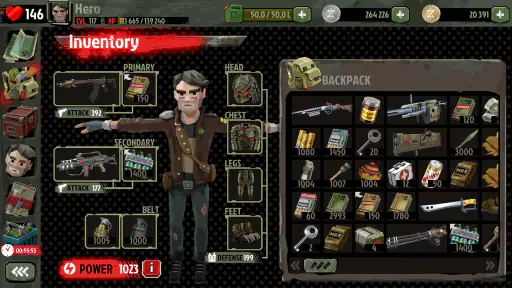
The gameplay is where this app truly shines. It's a mix of first-person shooting and RPG elements. You’re not just out there shooting zombies; you’re completing quests, earning experience points, and leveling up your skills. Whether it's upgrading your weapons or improving your character's abilities, there's always something to work towards.
That progression changes how I approach a mission. I try not to think only about reaching its end; I also consider what kind of character I want to build and whether an upgrade will help with the next stretch. This is a useful habit in a game that mixes shooting with RPG choices: spending every reward as soon as it appears can feel less satisfying than deciding which weakness I want to address first. If a fight feels rough, reviewing character development and equipment is more useful than simply rushing back in with the same approach.
Gaming Stories You May Enjoy

Dancing Road Turns Short Breaks Into a Test of Rhythm and Timing

Super Stylist Makes Every Outfit a Test of Taste and Patience

Dominoes on Your Terms: Who Should Play and Who Should Pass

Pokémon GO Makes the Familiar World Feel New

Chess.com Turns Rematches Into Rivalries, but Community Has Its Costs

Archery Battle 3D Review: Sharp Aiming, Unclear Feedback
One of the features that I found particularly engaging is the variety of missions available. From rescue operations to scavenging for supplies, each mission presents its own set of challenges and rewards. The controls are pretty intuitive, and even if you’re not a seasoned gamer, you’ll get the hang of it in no time.
The difference between those mission types is worth noticing. A rescue objective gives the action a clear purpose beyond clearing a room, while scavenging puts more emphasis on what you can bring back. I like that this makes the routine less monotonous, but it also means the game’s appeal depends on whether you enjoy objectives wrapped around combat. Players who want uninterrupted shooting may find the mission structure slows their preferred rhythm; players who like having a reason to explore each task are more likely to appreciate it.
Presentation, device expectations, and reliability
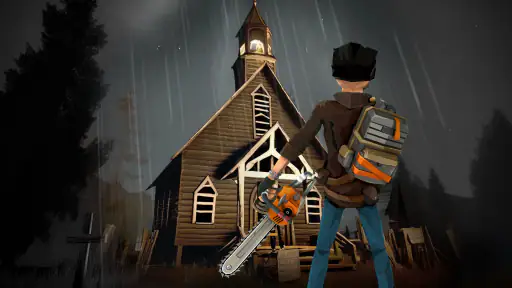
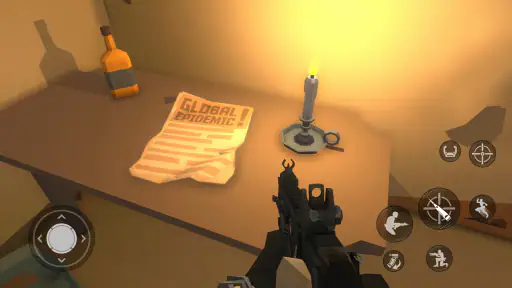
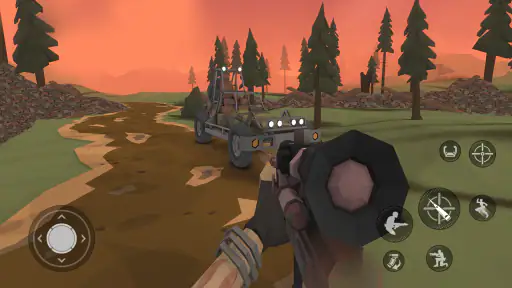
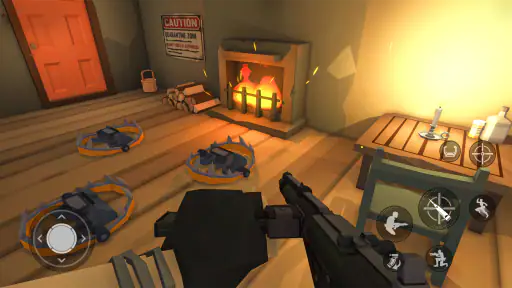
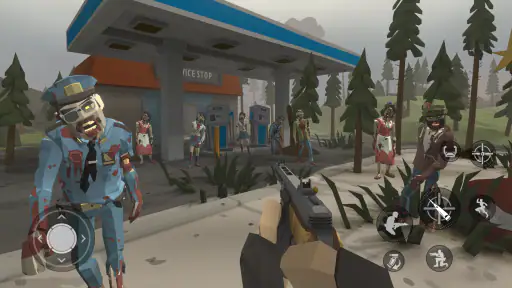
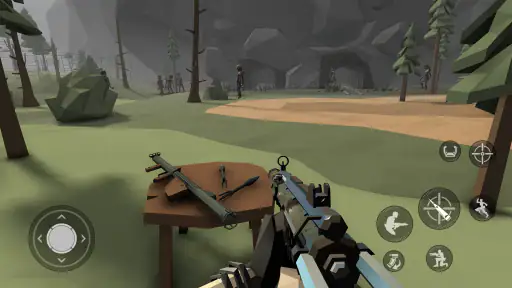
The graphics are decent, especially for a mobile game. The developers did a good job of creating a gritty, immersive environment that feels authentic to the game’s theme. The sound effects, from the eerie groans of zombies to the satisfying "bang" of your gun, further enhance the experience. I found myself completely absorbed in the game, especially during those intense firefights.
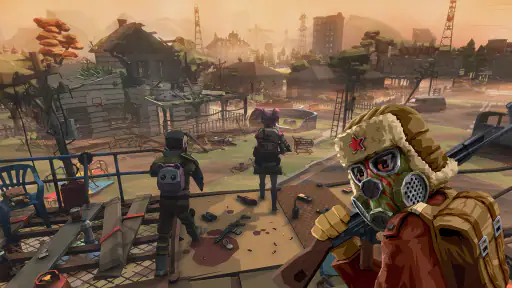
The polygon look is a deliberate part of its identity, not an attempt at realistic gore. That choice helps the game feel distinct from zombie shooters built around detailed, cinematic imagery, and it may be easier on the eyes for someone who prefers stylized worlds. It does not make the experience visually plain: the atmosphere still comes from the contrast between the ruined setting, zombie sounds, and the sudden pressure of a fight.
On performance, I would set expectations sensibly rather than assume that simple-looking graphics guarantee perfect results on every phone. The visual style is less elaborate than a realism-focused shooter, but actual smoothness and loading behavior can depend on the device and its condition. I’d close other demanding apps before a longer session on an older or busy device, and keep the game updated through the platform where I installed it. If it stutters or closes, restarting the app and device is a sensible first recovery step; I wouldn’t treat that as proof of a particular device fault.
The game’s solo, offline orientation is a useful reliability advantage in one specific sense: a weak connection need not be the reason a planned session fails. It is still a mobile game, so I would avoid assuming that offline play means no interruptions of any kind or that every feature behaves identically without a connection. For a commute or a wait in a place with patchy service, I’d open it before settling in and check that the session is ready, rather than discovering a problem when I have only a few minutes.
It is free to start, with optional in-app purchases priced from under a dollar to just under a hundred dollars per item. I’d treat those as optional spending, not as a reason to buy anything immediately. First see whether the mission loop and progression hold your interest; if they do, you can decide whether any purchase is worth it to you. The game is rated Teen, a point parents should consider alongside its zombie combat before letting a younger player try it.
Who will enjoy this particular zombie shooter
The Walking Zombie 2 suits someone who wants to play alone, likes first-person combat, and enjoys seeing a character develop between missions. It is also a reasonable fit for a player who sometimes needs offline entertainment, such as on a train ride through areas with spotty reception or while waiting for an appointment. In that everyday situation, I’d pick a mission that fits the time I have and avoid starting a longer stretch when I know I may need to put the phone away at short notice.
It is less compelling if your main goal is multiplayer teamwork, competitive rankings, or realistic military-style gunplay. The game’s appeal is its solo zombie setting and RPG-flavored progression, not a promise of a shared squad experience. Its average rating is 4.4 from around 1.5 million ratings, and it has passed 50 million installs, suggesting a broad audience has tried it; those figures don’t mean its pacing or stylized presentation will suit every player.
Compared with a typical wave-based zombie shooter, this one gives quests and character growth more room. Compared with a large, realism-first action game, it has a more stylized visual identity and a simpler premise to enter. That is a trade-off rather than a universal advantage: if I want a quick score-focused burst, I’d choose an arcade alternative; if I want a sustained solo loop where missions and upgrades sit alongside shooting, this is the more fitting choice.
Small choices that make sessions work better
My main practical tip is to treat the game as a sequence of objectives instead of trying to rush every encounter. Take a moment to understand what a mission asks for, then decide whether your current character and equipment suit that job. Since the game combines skill development and weapon upgrades, a little planning can make progression feel more intentional than spending resources without a direction.
I’d also vary my expectations by session length. For a brief break, I would pick a clear point to stop rather than assume every quest will fit neatly into a spare minute. For a longer session, the narrative and upgrade loop have more chance to build momentum. This makes the game easier to enjoy on its own terms and reduces the frustration of being pulled away in the middle of a tense exchange.
Those strengths come with limits. Mission objectives and character progression add structure, but they can also make the experience feel repetitive if you do not enjoy repeating the basic cycle of taking a task, fighting, and improving your character. The polygon presentation may also be a poor match for anyone who expects lifelike animation and highly detailed environments. I would skip it if those are non-negotiable, or if I want a social game where friends are central to every session.
My verdict on speed and staying power
Alda Games has made a mobile action game that is easy to understand but offers more than a bare shooting gallery. The quests, character customization, and progression give me reasons to return, while offline solo play makes it a practical option when connectivity is uncertain. The 4.4 average and roughly 32,000 written reviews reflect a large amount of player feedback, but the more useful question is whether you enjoy this particular mix of combat and steady development.
Overall, this game offers a well-rounded experience for fans of the zombie genre. It’s not just about mindlessly shooting zombies; it’s about strategy, survival, and sometimes, just plain fun. Whether you’re in it for the storyline or the thrill of the hunt, there’s something in it for everyone. So, if you’re looking for a new game to sink your teeth into, give The Walking Zombie 2: Shooter a try. Just remember, in this world, it’s shoot first, ask questions later.
The Walking Zombie 2: Shooter Pros and Cons
Pros
- Engaging storyline with rich character development.
- Diverse weaponry and upgrade options available.
- Multiplayer mode enhances replayability.
- Regular updates keep content fresh.
- Intuitive controls make gameplay smooth.
Cons
- Frequent in-game ads can be distracting.
- Some levels feel repetitive over time.
- Energy system limits playtime.
- Requires stable internet for multiplayer.
- In-app purchases can be costly.
Frequently Asked Questions
What is The Walking Zombie 2: Shooter about?
The Walking Zombie 2: Shooter is a post-apocalyptic, first-person shooter game set in a world overrun by zombies. Players take on the role of a survivor fighting for survival against hordes of zombies while completing missions, exploring different environments, and building relationships with NPCs. The game combines elements of action, RPG, and strategy, offering an immersive experience with a compelling storyline and engaging gameplay mechanics.
Is The Walking Zombie 2: Shooter free to play?
Yes, The Walking Zombie 2: Shooter is free to download and play on both Android and iOS platforms. However, it offers in-app purchases that allow players to buy in-game currency, special weapons, and other items to enhance their gameplay experience. While these purchases can provide advantages, they are not necessary to enjoy the full game.
What are the system requirements for The Walking Zombie 2: Shooter?
To play The Walking Zombie 2: Shooter on Android, your device should ideally run on Android 5.0 or later with at least 2GB of RAM for smooth gameplay. For iOS users, the game requires iOS 10.0 or later and is compatible with iPhone, iPad, and iPod touch. Ensuring your device meets these requirements will help avoid performance issues.
Does The Walking Zombie 2: Shooter require an internet connection?
The Walking Zombie 2: Shooter does not require a constant internet connection to play, as it is primarily designed for offline gameplay. However, certain features like updates, in-app purchases, and some multiplayer elements may require internet access. It's always a good idea to connect to Wi-Fi for downloading updates to avoid data charges.
How does the gameplay progression work in The Walking Zombie 2: Shooter?
In The Walking Zombie 2: Shooter, progression is achieved by completing missions and quests, which reward players with experience points and in-game currency. As players level up, they can unlock new skills, weapons, and areas to explore. The game also features a robust skill tree system, allowing players to customize their character's abilities to suit their playstyle, making progression both strategic and engaging.


