

The Walking Dead: Survivors
- Reviews
- 4.6
- Version
- Varies with device
- Installs
- 10,000,000+

Screenshots


 Analysis by Frivlyz
When I approach The Walking Dead: Survivors, I’m looking for more than familiar faces: I want a strategy game that makes the pressure of keeping a community alive part of the play. Its appeal is the mix of settlement management, preparation, and conflict, rather than a quick action-focused retelling of the television series. That distinction matters if you’re deciding whether this is a good fit for the way you like to play.
A strategy game built around a settlement
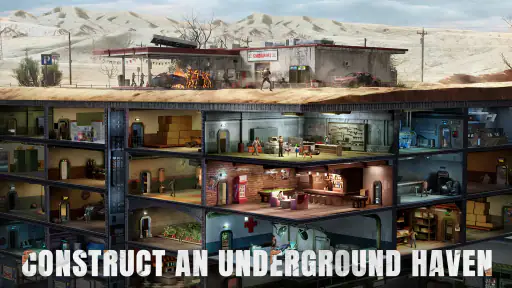
The core loop asks you to develop a home for survivors while preparing for threats beyond its walls. That gives routine actions a useful context: a building is not just something to upgrade, but part of the place you’re trying to keep functioning. I like that the survival theme gives the planning a clear purpose, even when the work itself is methodical.
As a mobile strategy game, it suits people who enjoy returning to a project and making incremental decisions. It is less suited to someone hoping for a tightly paced, story-led action game where most of the time is spent controlling a character directly. The settlement and its long-term needs are the draw; the television setting adds recognition and atmosphere, but does not turn the experience into an episode you simply play through.
That difference also helps set expectations about pace. I would treat it as a game to check in on and plan around, not necessarily as something that delivers a complete, self-contained session every time I open it. If I have only a short break, I can focus on a small set of decisions; if I want a longer session, I can spend more time thinking through development, alliances, and potential conflicts.
How I’d approach its decisions
The most useful habit is to decide what you want your settlement to do next before spreading effort across every available task. In a game that combines construction, resources, defenses, and recruiting, chasing every improvement at once can make progress feel scattered. I’d pick a near-term priority, then judge new choices by whether they support it. That keeps the strategy legible and makes it easier to notice when a tempting upgrade is pulling attention away from a more pressing need.
Alliances and rival groups add a social and competitive layer to that planning. They can make the world feel less like a set of menus and more like a place where other people’s choices matter. The trade-off is that this kind of play may suit a player who enjoys coordination and ongoing competition better than someone who wants a fully solitary experience. If you prefer to make every decision at your own pace without considering a wider group, the settlement-building side may be more appealing than the alliance element.
Character selection is another reason not to assume that recognizable names automatically make the best team for every situation. I’d pay attention to what a character contributes, then think about how that role fits the rest of the group. For series fans, seeing familiar survivors is a pleasure; for strategy players, the more lasting question is how to assemble a useful combination rather than simply collect the characters they know.
Gaming Stories You May Enjoy

Dancing Road Turns Short Breaks Into a Test of Rhythm and Timing

Super Stylist Makes Every Outfit a Test of Taste and Patience

Dominoes on Your Terms: Who Should Play and Who Should Pass

Pokémon GO Makes the Familiar World Feel New

Chess.com Turns Rematches Into Rivalries, but Community Has Its Costs

Archery Battle 3D Review: Sharp Aiming, Unclear Feedback
A practical everyday routine might be to open the game during a commute or a quiet break, check what your settlement needs, make a focused improvement, and leave more involved planning for a time when you can concentrate. That approach avoids turning every brief visit into a scramble through unrelated tasks. It also gives you a simple way to judge whether the game fits your habits: if you enjoy maintaining a project in small steps, its structure makes sense; if you want each session to deliver a dramatic beginning, middle, and end, it may feel stop-start.
Where it sits among mobile strategy games
Compared with a conventional base-building strategy game, the major point of difference is the Walking Dead setting and the survival framing. The familiar world gives the settlement a recognizable identity, while the strategic appeal still rests on decisions about development, resources, defense, and cooperation. If you are choosing between this and a less story-branded strategy title, ask yourself whether the series’ atmosphere and characters will make you more invested in maintaining the community. If not, a game with a theme you prefer—or one with a more self-contained campaign—may be the better choice.
It also differs from action-oriented zombie games. Those usually make immediate movement and combat the central attraction; here, planning the wider operation matters more than reflexes. That makes it a reasonable option for a fan who wants to spend time thinking about survival rather than directly fighting through every encounter. It is not my first recommendation for someone whose main goal is fast, hands-on combat.
There is a familiar free-to-start consideration, too. The game is free to download, but it offers in-app purchases ranging from $0.99 to $249.99 per item. I’d decide on a personal spending limit before playing, especially if competition or progress encourages you to consider purchases. The existence of optional purchases does not tell you that spending is necessary, but it is worth keeping an eye on whether you are enjoying the decisions themselves or feeling pushed to speed them up.
Getting Started
When you first launch The Walking Dead: Survivors, you're immediately thrust into the chaos of a world overrun by walkers. The game does an excellent job of easing you into its mechanics without overwhelming you. You start by building your settlement, which is your haven from the relentless threats outside. Constructing buildings, recruiting survivors, and fortifying defenses are just a few of the tasks you’ll be juggling. Trust me, it’s a lot to handle, but it’s also incredibly rewarding to see your settlement thrive.
Gameplay and Strategy
One of the game's standout features is its strategic depth. It's not just about building and defending; you also have to manage resources, form alliances, and plan attacks against rival factions. The strategy element is what keeps you hooked. Every decision you make has consequences, and that makes each play session feel fresh and engaging. I found myself constantly weighing my options, trying to outsmart the AI and other players.
Moreover, the game offers a plethora of characters from the TV series, which adds a layer of nostalgia for fans. It's pretty cool to see familiar faces like Rick and Michonne leading your survivors. Each character comes with unique skills, and figuring out the best combinations for your team is a puzzle in itself.
Atmosphere, audience, and practical limits
The presentation helps sell the setting, but I would not choose the game on atmosphere alone. Its stronger hook is the way the grim world gives a reason for settlement planning and defense. The characters are most enjoyable when their presence connects with decisions about your team; if you are not interested in the series, that recognizable cast may add less to the experience, leaving the strategic routine to carry more of the weight.
The game is published by Galaxy Play Technology Limited and is rated Mature 17+. That age guidance is worth taking seriously for younger players and for anyone choosing a game to share with family. It is free to install, but the purchase range is broad, so I’d make sure the spending controls on a device are set the way you want before handing it to someone else. Free access makes it easy to try, not automatically a guarantee that every later purchase will suit your budget.
Its scale is reflected in its audience: it has over 10 million installs, an average rating of 4.6 from around 1.1 million ratings, and about 37,000 written reviews. Those figures suggest a large, established community, but they cannot answer the personal question of whether you will enjoy its pace. I would use them as context, then judge the game by whether the settlement loop and its social competition are actually the kind of strategy you want.
One limitation I’d keep in mind is that a game built around development and rival groups can ask for patience. If you dislike waiting for progress, recurring management, or thinking about how your actions fit into a larger contest, the genre’s central rhythm may become a chore rather than a pleasure. Likewise, players who want a linear story with a clear finish may be happier with a narrative game set in a zombie world. This is a better match for someone who likes an ongoing strategy project.
What its history can—and cannot—tell you
The game was released on April 11, 2021, so it is not a brand-new experiment in the strategy space. That gives it time to establish a substantial player base, but the release date by itself does not tell me which mechanics have changed since launch or what any current version contains. I would separate that confirmed history from expectations: a long-running game may continue to evolve, but I would not assume a particular feature or future update without seeing it in the game.
For someone returning after a break, I’d take a few minutes to review the current goals and the state of the settlement before committing resources or joining a plan with other players. The useful question is not simply “what is new?” but “what matters to my account and the people I play with now?” That small pause can prevent you from treating an old routine as the best approach if the game’s current priorities have shifted.
For a newcomer, the same caution works in reverse: learn the basic settlement rhythm before comparing yourself with long-established players. A mature community can make the game feel lively, but it can also make the distance between a new account and older groups seem intimidating. I’d focus first on understanding the tasks in front of me and finding a comfortable pace, rather than assuming I need to match someone else’s progress immediately.
Graphics and Sound
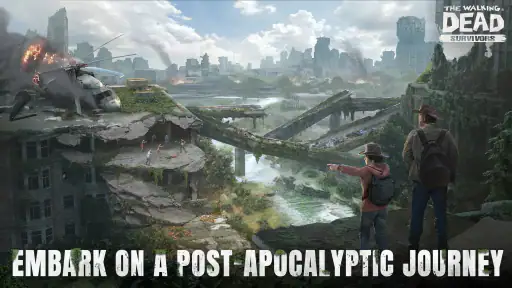
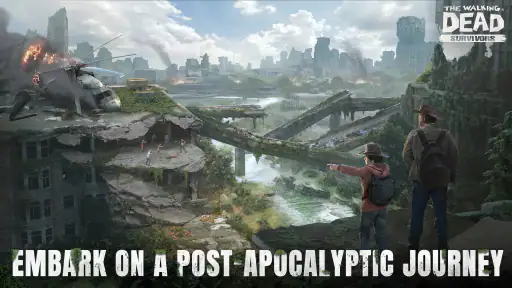
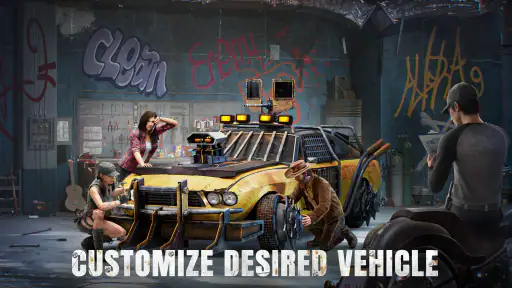
Visually, the game captures the gritty atmosphere of the series perfectly. The graphics are detailed, and the animations are smooth, making it a visual treat. The sound effects and music complement the visuals, amplifying the tension and excitement. Playing with headphones on, I could almost feel the walkers creeping around me. Creepy, but thrilling!
Who is likely to enjoy it
I’d recommend it most readily to a Walking Dead fan who also likes base-building and is comfortable with a game that rewards returning to a developing settlement. It can also work for a strategy player who has no deep attachment to the show, provided that the survival theme and ongoing planning appeal. The combination gives fans extra character recognition, while the underlying appeal is still about making choices for a community rather than simply revisiting familiar scenes.
I’d skip it if I were looking for a short campaign with a definite ending, an offline-feeling solo adventure, or constant direct combat. I’d also be cautious if I know that competitive mobile games make me spend more than I intend. The broad purchase range is a good reason to set boundaries early, not a reason to assume purchases are required. If those caveats sound manageable, trying the free download is a low-commitment way to see whether its particular pace clicks for you.
A useful test is to ask yourself after a few sessions whether you are looking forward to the next decision or only checking in because you feel obliged to. Enjoyment should come from shaping the settlement, choosing how to develop your survivors, and deciding how much to engage with other players. If those choices feel satisfying, the game has a strong chance of becoming a regular strategy habit; if they feel like maintenance, a more focused single-player alternative will probably suit you better.
Final Thoughts
Overall, The Walking Dead: Survivors is a must-try for fans of the series and strategy enthusiasts alike. It combines the thrill of survival with the intricacies of strategy, all wrapped up in a package that's both challenging and rewarding. Whether you're building your settlement, battling walkers, or strategizing against other players, there's never a dull moment.
If you're looking for a game that keeps you on your toes and offers a deep and immersive experience, this is definitely worth checking out. Just be prepared to lose track of time as you get sucked into this post-apocalyptic world. Happy surviving!
The Walking Dead: Survivors Pros and Cons
Pros
- Immersive storyline with familiar characters.
- Intuitive controls and smooth gameplay.
- Frequent updates with new content.
- Collaborative multiplayer mode.
- Rich graphics and atmospheric sound.
Cons
- Requires constant internet connection.
- In-app purchases can be expensive.
- Occasional bugs and glitches.
- Battery drain on prolonged play.
- Limited character customization.
Frequently Asked Questions
What is the main objective of The Walking Dead: Survivors?
The main objective of The Walking Dead: Survivors is to build and expand your own community of survivors in a post-apocalyptic world filled with zombies. Players must gather resources, fortify their settlements, and strategize to defend against both zombie hordes and rival human factions, making tactical decisions to ensure the survival of their community.
Can I play The Walking Dead: Survivors on both Android and iOS devices?
Yes, The Walking Dead: Survivors is available for download on both Android and iOS devices. You can easily find the game on the Google Play Store for Android users and the Apple App Store for iOS users. Ensure your device meets the minimum requirements for a smooth gaming experience.
Is The Walking Dead: Survivors a multiplayer game?
The Walking Dead: Survivors offers a multiplayer experience where players can join clans, collaborate with others, and engage in battles against rival players. The game emphasizes teamwork and strategy, allowing players to communicate and plan with their allies to overcome challenges in the zombie-infested world.
Are there in-app purchases in The Walking Dead: Survivors?
Yes, The Walking Dead: Survivors includes in-app purchases that allow players to buy various resources, speed up processes, and gain advantages in the game. While the game can be played without spending real money, these purchases can enhance gameplay and provide convenience for those looking to progress faster.
How does The Walking Dead: Survivors maintain the theme of the original TV series?
The Walking Dead: Survivors stays true to the theme of the original TV series by incorporating familiar characters, settings, and storylines. The game features intense survival scenarios, moral dilemmas, and the constant threat of zombies, providing an immersive experience that fans of the series will appreciate. Players can interact with beloved characters and explore iconic locations from the show.


