

The Tower - Idle Tower Defense
- Reviews
- 4.2
- Version
- 27.4.4
- Installs
- 5,000,000+

Screenshots




 Analysis by Frivlyz
I approached The Tower - Idle Tower Defense as a game for the little gaps in a day, and that expectation matters. It is a simulation game built around incremental upgrades and defending a tower, so progress comes from making decisions, then letting a run play out rather than constantly directing every moment. I like that rhythm, though it is not the same kind of excitement as a fast, hands-on action game.
How quickly it gets going
The opening idea is easy to understand: improve your defenses, face waves of enemies, and use what you earn to make the next attempt stronger. That clear loop makes it approachable if you have not played an idle tower defense game before. The strategic choices become more interesting as upgrades accumulate, but the pace is deliberately gradual. If you want a game that delivers a new dramatic event every few seconds, this may feel slow; if you enjoy watching a plan build toward a better result, the measured pace is part of its appeal.
Idle rewards make short visits useful, but they do not remove the need to decide how to spend resources. I find it more satisfying to check in, choose an upgrade with a purpose, and see how it changes the next stretch of a run than to tap through upgrades without thinking. A practical tip is to pause before buying and ask what is currently limiting your defense. Improving the weak point is usually more meaningful than spreading resources across every option simply because it is available.
Gameplay Mechanics
Alright, let's talk gameplay. The essence of The Tower - Idle Tower Defense is, as you might expect, building and upgrading towers to fend off waves of enemies. Pretty standard for a tower defense game, right? But here’s where the twist comes in. The idle aspect lets you earn resources even when you’re not actively playing. So, you can log off, grab a coffee, and return to a pile of gold ready to be spent on upgrades.
That makes it suited to an everyday routine rather than a long, uninterrupted session. I can imagine checking in during a break, choosing an upgrade, and leaving the game alone while I get back to work. Later, a short return gives me a reason to adjust the plan. The key trade-off is that passive progress can soften the pressure, but it cannot make every choice equally useful. If you enjoy experimenting with builds, active visits still matter; if you only want rewards to collect with no decisions, the management side may feel like a chore.
What I loved most is the variety of towers at your disposal. Each has unique abilities and upgrade paths, so you can really tailor your defense strategy. Want to slow enemies down? There’s a tower for that. Need to unleash rapid-fire destruction? Yep, got that covered too. It's a playground for strategy lovers.
Choosing upgrades without wasting a session
One non-obvious advantage of the incremental structure is that a run can act like a small test. Rather than changing several parts of a setup at once, I would adjust one area, watch how the defense copes, and use the result to guide the next investment. That makes progress easier to understand and helps avoid the feeling that resources disappeared without a clear lesson. It is also a useful approach when a wave becomes difficult: treat the setback as a clue about what needs attention, not just a prompt to buy everything.
Gaming Stories You May Enjoy

Dancing Road Turns Short Breaks Into a Test of Rhythm and Timing

Super Stylist Makes Every Outfit a Test of Taste and Patience

Dominoes on Your Terms: Who Should Play and Who Should Pass

Pokémon GO Makes the Familiar World Feel New

Chess.com Turns Rematches Into Rivalries, but Community Has Its Costs

Archery Battle 3D Review: Sharp Aiming, Unclear Feedback
The game is a better fit for people who enjoy gradual optimization than for players who want a fixed puzzle with one obvious best answer. Tower defense games often ask you to place defenses against a particular challenge and react quickly as it unfolds. Here, the idle layer shifts some of that appeal toward long-term upgrades and repeated improvement. If you prefer direct control over every encounter, a more traditional, level-focused defense game may suit you better. If you enjoy comparing a stronger setup with yesterday’s, this loop has a clear reason to return.
Visuals and Sound
The graphics are surprisingly sharp for an idle game. Each tower and enemy is distinct, making it easy to plan your moves. The animations are smooth, which is crucial when you’re dealing with hordes of enemies. On the sound front, the game doesn’t disappoint either. The background music is engaging but not distracting, and the sound effects add just the right amount of intensity during battles.
Because the central loop involves watching defenses handle waves, visual clarity matters more here than elaborate presentation. I appreciate being able to follow the action without needing to treat every moment as a reflex test. That makes it easier to leave a run on while doing something else, although it also means the game may not hold the attention of someone seeking a highly cinematic or constantly changing spectacle. Its appeal is in seeing the setup work, not in a stream of elaborate scenes.
Progression and Upgrades
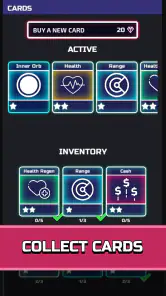
Progression in this game feels rewarding. As you move through levels, you unlock new towers and upgrades. There's a detailed skill tree that allows you to enhance your towers' abilities, meaning you can adapt your strategy as the game evolves. I found myself constantly tweaking my setup to deal with new enemy types. It keeps you on your toes and makes each level feel fresh.
One thing that stands out is the balance between active play and idle rewards. You won't feel pressured to be online all the time, which is a relief. Plus, the game frequently offers events and challenges, encouraging you to log in and try out new strategies.
Making progress at your own pace
For a casual player, the best use case is a few deliberate check-ins rather than keeping the game open as a constant companion. Spend a visit reviewing what can be improved, choose a direction, and return later to see whether it helped. This avoids turning a relaxed game into another obligation. It also makes a useful distinction: idle income supports your progress, while thoughtful choices are what make the system feel like a strategy game rather than a waiting room.
There is a patience cost, though. Incremental games can make a small improvement feel rewarding while also asking you to repeat the same broad cycle many times. That repetition will work for players who enjoy gradual gains, but it can wear thin if you need each session to offer a fresh objective. I would skip it if waiting between meaningful decisions frustrates you, or if you want a tower defense game built around quick tactical reactions rather than persistent upgrading.
How it fits on a phone
For everyday use, the modest demands of the format are part of the attraction: it is designed around checking progress and watching a defense, not around constant precision input. I would still treat long sessions differently from quick check-ins. Busy waves and extended play are the moments when the screen and device have more to do, so lowering expectations for uninterrupted background use is sensible. If you notice the phone getting warm or the game feeling less responsive during a long stretch, taking a break is a practical choice rather than a reason to keep pushing.
On the question of reliability, I prefer to judge the experience by whether it fits a routine instead of assuming every session will behave identically on every device. The game is free to start, but optional in-app purchases range from $2.99 to $99.99 per item, so I would decide in advance whether I want to spend rather than treating a purchase as necessary for enjoying the basic loop. It is rated Everyone, and the current version is 27.4.4, with a minimum operating-system requirement of 8.1. Those details make it easier to check basic suitability before installing, especially on an older device.
Community and Support
The game's community is quite active, with plenty of tips and strategies shared online. If you ever get stuck, there’s always someone willing to help out. Plus, the developers seem responsive, frequently updating the game and adding new content. It’s clear they’re committed to keeping The Tower - Idle Tower Defense fresh and engaging.
In terms of support, you can expect quick responses to any issues you might encounter. The in-game help section is pretty thorough, covering most of the basics you’ll need to get started and troubleshoot common problems.
The Tower is developed by Tech Tree Games, and its audience is substantial: it has over five million installs, with an average rating of 4.2 from around 141,000 ratings and about 21,000 reviews. I take that as a sign that the slow-burn format has found a committed audience, not a guarantee that it will suit everyone. For a new player, community advice can help make sense of choices, but I would avoid copying a build blindly. A setup that works for someone else may not match the upgrades you have already chosen or the point you have reached.
Who will enjoy the slow burn
I would recommend it to someone who likes seeing small decisions accumulate, enjoys testing upgrade paths, and wants a strategy game that can fit around ordinary interruptions. It is especially comfortable for a player who likes to check in during a commute break or after finishing a task, make one or two decisions, then leave the next stretch to unfold. On the other hand, someone seeking a quick campaign with a clear finish, direct control throughout every battle, or minimal repetition should look elsewhere. The game’s strengths and its main limitation come from the same place: progress is incremental.
Final Thoughts
All in all, The Tower - Idle Tower Defense is a gem for anyone who loves strategy games and wants the flexibility of idle mechanics. It's perfect for those moments when you want a game that’s engaging but not demanding of your constant attention.
The combination of strategic depth, rewarding progression, and stunning visuals makes it a standout in the tower defense genre. Whether you’re a seasoned strategist or just someone looking for a fun way to pass the time, give it a shot. You might find yourself hooked just like I did!
My performance verdict is less about chasing speed and more about whether the pacing feels right for you. This is a relaxed, upgrade-led game, not a demanding action test; its rewards come from returning with a plan and letting that plan run. With a free starting point, a clear age rating, and an accessible premise, it is easy to try, but the gradual rhythm deserves an honest trial before you commit to long-term play. I would give it a chance if patient progress sounds satisfying, and move on if you want every minute to deliver a new tactical challenge.
The Tower - Idle Tower Defense Pros and Cons
Pros
- Engaging gameplay with strategic depth.
- Offline mode available for uninterrupted play.
- Frequent updates with new challenges.
- Visually appealing graphics and animations.
- Intuitive controls suitable for all ages.
Cons
- Progress can feel slow without in-app purchases.
- Limited customization options for towers.
- Repetitive levels may reduce long-term interest.
- Requires a stable device for optimal performance.
- Some features locked behind paywalls.
This Game in Other Languages
Frequently Asked Questions
What is the main objective of The Tower - Idle Tower Defense?
The main objective of The Tower - Idle Tower Defense is to strategically build and upgrade towers to defend against waves of enemies. Players need to manage resources effectively, plan their tower placements, and continuously upgrade their defenses to withstand increasingly challenging stages. The idle mechanics allow progress even when not actively playing.
How does the idle feature work in The Tower - Idle Tower Defense?
The idle feature in The Tower - Idle Tower Defense allows players to continue earning resources and making progress even when they are not actively playing the game. This means that players can return to the game later to find accumulated resources, which can be used to upgrade towers and strengthen defenses. This feature is perfect for players who enjoy gradual progression over time.
Are there any in-app purchases in The Tower - Idle Tower Defense?
Yes, The Tower - Idle Tower Defense includes in-app purchases that allow players to buy various items and resources. These can enhance gameplay by speeding up progress or unlocking special features. While the game is free to download and play, these optional purchases can provide advantages for players looking to advance more quickly.
What types of towers and upgrades are available in the game?
The Tower - Idle Tower Defense offers a variety of towers, each with unique abilities and upgrade paths. Players can choose from basic towers for general defense, to specialized ones that target specific enemy types or provide area damage. Upgrades can enhance a tower’s damage, range, and firing speed, allowing for a customized defense strategy.
Does The Tower - Idle Tower Defense require an internet connection to play?
The Tower - Idle Tower Defense does not require a constant internet connection for gameplay, which makes it convenient for offline play. However, certain features, such as updates or in-app purchases, may require internet access. This flexibility allows players to enjoy the game anytime and anywhere, without worrying about connectivity issues.


