

the Sequence
- Reviews
- 4.5
- Version
- 1.9.3
- Installs
- 50,000+

Screenshots
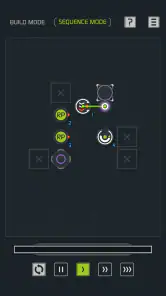
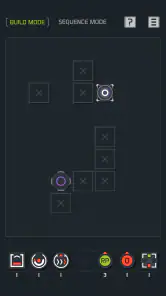
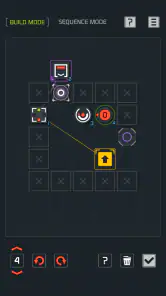
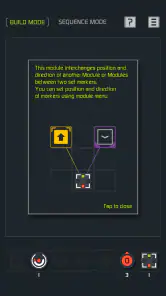
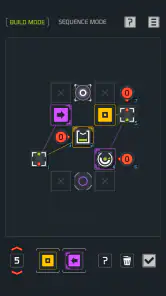
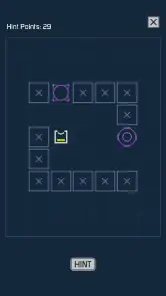
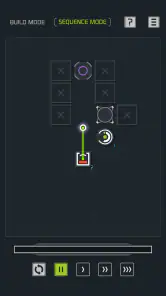
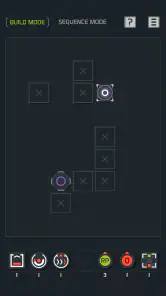
 Analysis by Frivlyz
Hey there, app enthusiasts! Today, I'm diving into the world of Sequence, a puzzle game that's been making waves on both Android and iOS platforms. If you're a fan of brain teasers and strategic challenges, then you might just want to keep reading to see if this app is worth a spot on your device.
A puzzle for people who like to plan
One thing to know before you install is that this is a paid game, priced at $2.99. I think that changes how I’d approach it: it makes more sense if you enjoy returning to a focused puzzle than if you’re only looking for a free game to fill a minute. The Sequence is a logic game from One Man Band, released on July 15, 2015, and its current version is 1.9.3. It has a 4.5 average from around 1.9K ratings, with over 50K installs and 241 reviews. Those figures suggest a modest, established audience rather than a huge mainstream hit, which fits its quiet, concentrated style.
The game is rated Everyone, so its challenge comes from reasoning rather than mature themes. It requires Android 6.0 or later. If you’re choosing it for an older device, checking that system requirement before paying is a useful first step; on any device, I’d also make sure there is enough free space and that the store page matches the platform you intend to use. The game’s short name can be easy to confuse with other puzzle titles, so confirm that the developer is One Man Band before purchasing.
Unraveling the Gameplay
At its core, Sequence is all about connecting the dots in the most efficient way possible. As you start the game, you're greeted with a grid filled with numbers and your task is to link them in numerical order. Sounds simple, right? Well, think again! As you progress through the levels, the complexity ramps up, introducing new twists and turns that will have you scratching your head.
What I really love about this game is how it seamlessly blends simplicity with complexity. The early levels are a breeze, luring you into a false sense of security, but don’t be fooled! As you advance, you’ll need to employ some serious strategic thinking. It’s like a mental workout that keeps your brain sharp and engaged.
How I work through a stubborn board
When a sequence stops making sense, I find it more useful to pause and inspect the whole grid than to keep trying paths at random. I look at the next required number, note which routes seem to reach it, and then check whether each route leaves a plausible way to continue. That small habit turns a vague “try again” puzzle into a set of concrete choices. It also helps me notice when the obvious short connection blocks a later step.
For a brief session, I’d solve one board carefully rather than rush through several. If I’m interrupted, I avoid making a move just to feel progress; a rushed guess can make it harder to remember why a route looked promising. A hint is best treated as a nudge when I have exhausted the sensible alternatives, not as the first move. That preserves the pleasure of spotting the logic myself while keeping a difficult puzzle from becoming a dead end.
Gaming Stories You May Enjoy

Dancing Road Turns Short Breaks Into a Test of Rhythm and Timing

Super Stylist Makes Every Outfit a Test of Taste and Patience

Dominoes on Your Terms: Who Should Play and Who Should Pass

Pokémon GO Makes the Familiar World Feel New

Chess.com Turns Rematches Into Rivalries, but Community Has Its Costs

Archery Battle 3D Review: Sharp Aiming, Unclear Feedback
Visuals and Soundtrack
No game is complete without a good visual and audio experience, and Sequence doesn’t disappoint. The graphics are crisp and clean, offering a minimalist design that keeps the focus on the gameplay itself. I particularly appreciate the soothing color palette that’s easy on the eyes, even during extended play sessions.
Complementing the visuals is a calming soundtrack that provides the perfect backdrop as you tackle each puzzle. It’s not overly intrusive, allowing you to concentrate on solving the puzzles without any distractions. Plus, the subtle sound effects add a nice touch every time you complete a sequence.
Where it fits into a normal day
I can see this working well during a quiet commute, a coffee break, or the few minutes before a meeting, especially if I want to give my attention to one small problem instead of scrolling through a feed. The grid gives the session a clear focus: I can think through a route, make a decision, and stop when my break ends. I wouldn’t choose it while walking, watching something else, or dealing with frequent interruptions, because the satisfaction depends on keeping track of the order and consequences of a path.
It suits someone who likes spatial reasoning and patient trial-and-error more than someone who wants a story, character progression, or a fast stream of rewards. Compared with word searches or match-style puzzles, the appeal here is less about spotting a familiar pattern and more about planning a route that remains workable. If I want a casual game that asks almost nothing of me, I’d pick something else; if I want a compact logic task, this is a more purposeful choice.
Why You Should Try It
Now, you might be wondering, “Why should I download Sequence?” Well, for starters, it’s a fantastic way to pass the time while also giving your brain a workout. Whether you’re waiting for the bus, chilling at home, or taking a break from work, this game offers a satisfying challenge that’s sure to keep you entertained.
It’s also worth mentioning that the game is pretty generous when it comes to hints. So, if you ever find yourself stuck on a particularly tricky level, you can always use a hint to nudge you in the right direction. But beware, the real satisfaction comes from figuring it out on your own!
When a problem may be outside the puzzle
If something feels wrong before I even reach a board, I start with basic checks rather than assuming the puzzle itself is broken: I confirm I installed the intended title, check that my device meets the Android requirement, and reopen the game after closing it normally. If a purchase or installation is involved, I check the relevant store on the device I’m using and make sure I’m signed into the account that handled it. These are ordinary troubleshooting steps, not a special repair trick, but they can separate a setup mix-up from a gameplay difficulty.
If a board is simply hard, that is different from a technical problem. I’d revisit the route from the earliest point where my reasoning becomes uncertain, rather than repeatedly tapping through the same unsuccessful idea. If I’m tired or distracted, setting it aside is often the better recovery: a fresh look can make a route clearer, while forcing more guesses tends to make the puzzle feel less fair than it is.
Who should pass
I’d skip this one if I’m not comfortable paying for a puzzle before knowing whether its particular style will click, or if I mainly want a large social game with constant new modes and activity. The minimalist presentation is part of its focus, but it also means players who need elaborate scenery, a narrative, or lots of visual variety may find it too restrained. I’d also choose a different puzzle if I prefer quick pattern matching that doesn’t ask me to hold a route in mind.
There’s a trade-off between its calm pace and the concentration it asks for. A small screen or a distracting setting can make it harder to inspect the whole arrangement, so I’d play somewhere I can pause and look carefully. The game is strongest when I have a few undisturbed minutes; it is less appealing as background entertainment.
Visual calm, with a practical caveat
The quiet presentation helps me stay with a puzzle, but minimalism can make every decision feel exposed: there is little else to occupy me if I’m not enjoying the logic. That is a strength for focused play and a weakness for anyone who wants changing scenery or a sense of spectacle. I’d treat the restrained look as a sign of the game’s priorities, not as a promise that every session will feel effortless.
If I’m playing in a bright place or on a small display, I take a moment to make sure I can comfortably distinguish the grid and follow the route before committing to a long session. If the screen is difficult to read, changing my surroundings or taking a break is more sensible than blaming a puzzle rule. This is a visual logic game, so being able to inspect the board clearly is part of enjoying it.
What the price asks you to decide
Because it costs $2.99, I’d decide based on whether I actually enjoy this specific kind of deliberate route-planning, not just whether I like puzzle games in general. The price buys a focused game, not a guarantee that every player will find the same depth or pace satisfying. If I tend to abandon paid games after one short session, I’d be cautious; if I return to a puzzle when I have a quiet moment, the purchase is easier to justify.
The rating and audience size can offer some reassurance that other players have spent time with it, but they can’t predict whether its number-and-grid approach is right for me. I’d use the description and screenshots on the correct store page to judge the visual style, then check compatibility before buying. That is a more useful decision process than treating popularity as proof that I’ll enjoy it.
Hints, patience, and a better stopping point
Hints are useful, but I get more from them when I first identify exactly where my reasoning breaks down. If I ask for help too early, I lose the chance to learn which part of the route was misleading; if I wait until frustration takes over, I may no longer be paying attention to the clue. My middle ground is to test the plausible options once, pause, and then use a hint only if I cannot make progress. That keeps assistance from replacing the central puzzle.
I also find it helpful to stop after a satisfying solution rather than treating every spare minute as a reason to continue. A short logic session can feel complete on its own, and returning later with a clear head is better than turning a calm game into another task to finish. This makes the game more suitable for small breaks than for players who need a long, constantly escalating run.
My practical verdict
For a player deciding whether to try it, my answer is yes if the idea of carefully connecting numbered points sounds appealing and you’re comfortable with a paid, minimalist puzzle. It is a less convincing choice if you want a free trial, a story-led campaign, elaborate effects, or gameplay that works without sustained attention. I’d choose it for a quiet break at home or a seated commute, and leave it for another time if I’m rushed or likely to be interrupted.
Its best quality is the way a simple-looking board can demand more thought than it first appears to. Its main limitation is equally clear: that narrow focus will not suit every puzzle fan, and the price makes it worth checking your interest before purchasing. If you like methodical logic challenges, Sequence is a measured, tidy option from One Man Band; if you prefer variety and instant rewards, there are better fits. I’d recommend it to the patient solver, not to everyone who happens to enjoy games.
Why You Should Try It
Now, you might be wondering, “Why should I download Sequence?” Well, for starters, it’s a fantastic way to pass the time while also giving your brain a workout. Whether you’re waiting for the bus, chilling at home, or taking a break from work, this game offers a satisfying challenge that’s sure to keep you entertained.
It’s also worth mentioning that the game is pretty generous when it comes to hints. So, if you ever find yourself stuck on a particularly tricky level, you can always use a hint to nudge you in the right direction. But beware, the real satisfaction comes from figuring it out on your own!
In conclusion, Sequence is a delightful puzzle game that strikes the right balance between challenging and enjoyable. Its sleek design, engaging gameplay, and relaxing soundtrack make it a must-try for any puzzle enthusiast. So, if you’re ready to put your problem-solving skills to the test, go ahead and give Sequence a try. Trust me, you won’t regret it!
the Sequence Pros and Cons
Pros
- Intuitive user interface
- High-quality graphics
- Engaging gameplay mechanics
- Frequent updates
- Wide range of levels
Cons
- Requires constant internet
- High battery consumption
- In-app purchases necessary
- Ads can be intrusive
- Limited customer support
Frequently Asked Questions
What is the main purpose of the Sequence app?
The Sequence app is designed to offer users an engaging and challenging puzzle-solving experience. It involves arranging sequences to complete levels, enhancing logical thinking and problem-solving skills. Ideal for those who enjoy brain teasers, the app provides a series of increasingly complex puzzles to challenge even the most seasoned puzzle enthusiasts.
Is Sequence app suitable for all age groups?
Yes, the Sequence app is suitable for a wide range of age groups. With its intuitive design and varying levels of difficulty, it appeals to both younger players looking to develop their cognitive skills and older users seeking a mental workout. However, younger children might need guidance to understand more complex puzzles.
Does the Sequence app contain any in-app purchases?
Yes, the Sequence app does feature in-app purchases. While the basic version is free to download and play, additional features, hints, or levels may require payment. Users can enjoy a substantial amount of content for free, but for a more enhanced experience, in-app purchases are available.
How often does the Sequence app receive updates?
The Sequence app is regularly updated to enhance user experience and introduce new content. Updates typically include new levels, bug fixes, and improvements based on user feedback. The developers aim to keep the app fresh and engaging by frequently adding new challenges and features.
What are the system requirements for the Sequence app?
The Sequence app requires a moderate level of system resources to run smoothly. For Android, it demands at least version 5.0 (Lollipop) or higher, and for iOS, version 10.0 or later is needed. It is optimized for both smartphones and tablets, ensuring a seamless experience across devices.


