

The Past Within
- Reviews
- 4.8
- Version
- 7.8.03
- Installs
- 100,000+

Screenshots
 Analysis by Frivlyz
I usually judge a co-op game by what happens when two people sit down with it after an ordinary, busy day: does it give them a reason to talk, or does one person end up doing all the thinking while the other watches? The Past Within is built around that question. It is an adventure puzzle game from Rusty Lake, and its central idea makes a shared session feel meaningfully different from taking turns on a phone. One player explores the past while the other explores the future, so progress depends on comparing what each person can see. I found that setup more memorable than another solo puzzle collection, though it also means you need a willing partner and a little patience.
A two-device evening that feels like playing together
A realistic way to enjoy it is to bring it out after dinner, with two people settled at the same table and a device for each player. One person describes a clue on their screen, the other checks whether it connects to something in their own timeline, and the pair gradually builds a shared picture. That back-and-forth is the main event: the game gives you a reason to explain, listen, and test ideas together rather than simply pass a phone around.
For household use, this can work well with a partner, sibling, or friend who enjoys mysteries and is comfortable talking through a puzzle. It is less suited to a living-room crowd where several people want to contribute at once, because the core arrangement is for two players with different information. Others can watch and offer guesses, but they may not have an active role. If you want a party game with quick turns or a game that everyone can join casually, I would choose something designed for a group instead.
What to sort out before starting
The useful preparation is mostly social: decide who will take each timeline, make sure both players can focus, and agree that clues should be described rather than silently solved on one screen. The game’s appeal depends on the information gap, so showing a partner everything immediately can flatten the conversation. I found it more satisfying to say what I noticed, then let the other person compare it with their own view. You do not need to turn the session into a strict puzzle protocol, but a little restraint helps both players feel involved.
Because the experience relies on two people playing together, it is worth checking that your chosen partner is available before you begin. It is not the best pick for a short solo break while someone else is busy, nor for a household where one person expects to complete the whole game alone. Think of it as planning a shared activity rather than downloading a conventional single-player adventure. That distinction is more important here than whether you usually prefer puzzle games or story games.
Coordination is part of the puzzle
The communication is not just a way to pass time between challenges; it is part of how the challenges work. One player may have to explain an object, symbol, or change without being able to point to the other player’s screen. Descriptions that seem obvious in your own view can be surprisingly unclear aloud, so I recommend naming details carefully and checking that your partner has understood before acting. A quick “what do you see beside it?” can be more useful than a long stream of guesses.
There is a small but important trade-off in how you coordinate. If one person takes charge and dictates every move, the game can become a guided tour for the other player. If both players pause to compare observations and suggest possibilities, it becomes a genuine collaboration. When a clue seems stuck, try switching from “what should I do?” to “what is different on your screen?” That changes the conversation from guessing at an answer to exchanging useful information, and it helps keep both people engaged.
Gaming Stories You May Enjoy

Dancing Road Turns Short Breaks Into a Test of Rhythm and Timing

Super Stylist Makes Every Outfit a Test of Taste and Patience

Dominoes on Your Terms: Who Should Play and Who Should Pass

Pokémon GO Makes the Familiar World Feel New

Chess.com Turns Rematches Into Rivalries, but Community Has Its Costs

Archery Battle 3D Review: Sharp Aiming, Unclear Feedback
It also helps to choose a player who enjoys verbal problem-solving, not just someone who happens to be nearby. A quiet player can still have a good time, but the game asks both participants to communicate; one person cannot reliably carry the experience without reducing the other’s role. If you are playing with someone who gets frustrated when clues are not immediately clear, agree in advance that pauses and wrong turns are normal parts of the session.
Age, comfort, and shared devices
The game is rated Teen, which is a useful starting point for deciding whether it suits a younger player in your household. I would not treat the rating as a substitute for knowing the person: its eerie mystery atmosphere may appeal to one teen and feel uncomfortable to another. If you are choosing a game for a family session, consider both the age guidance and how the players respond to unsettling themes, rather than assuming that its puzzle format automatically makes it suitable for everyone.
On a shared device, keep the two-player requirement in mind before treating it as a casual hand-me-down game. A single person picking it up without a partner may not get the intended experience, and a family member who has not played before may need a quick explanation of why each person sees a different part of the mystery. There is no need to invent household rules around it; simply agree who is playing, who is using which device, and whether others are joining as spectators. That keeps expectations clear without making the session feel like setup work.
Where it sits among adventure puzzles
Many adventure games let one player inspect a room, collect clues, and solve everything at their own pace. This one is a better choice when you specifically want the puzzle-solving to happen between two people, not merely in front of them. Compared with a solo point-and-click mystery, it trades independence for conversation: you cannot rely on one player having the complete picture. Compared with a broad multiplayer game, it is more focused and intimate, with cooperation rather than competition at the center.
That focus is also its clearest limitation. If you prefer to play whenever you have a spare moment, a solo adventure is more convenient. If your usual group has three or more active players, a party puzzle game may share the attention more evenly. And if you and your partner dislike describing visual clues or comparing details out loud, the core mechanic may feel like friction rather than a clever twist. I would choose this for a planned two-person session, not as a general-purpose game for every mood.
Who is likely to enjoy it—and who may not
I would recommend it to people who like eerie mysteries, enjoy talking through clues, and want a game that gives a friend an essential role. It is particularly appealing when two players have different puzzle-solving styles: one may notice patterns while the other remembers details, and the game gives them a reason to combine those strengths. It can also be a nice alternative to watching a show together when you want an activity that involves both people without turning the evening into a competitive challenge.
I would hesitate to recommend it to someone seeking a self-contained solo game, a large-group activity, or a relaxed experience that can be played with the sound off and little discussion. The mood and collaboration are central, not optional extras. If you are uncertain whether your partner will enjoy the format, describe the basic arrangement before paying: one person handles the past, the other the future, and they exchange clues. That simple expectation check can prevent a mismatch better than relying on the adventure label alone.
Getting Started: The Initial Impressions
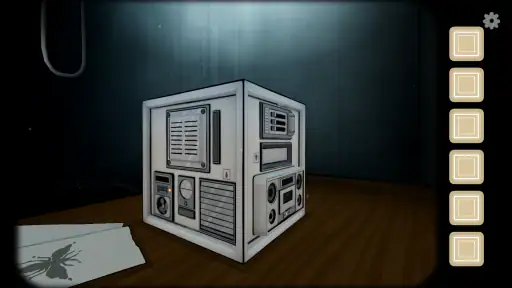
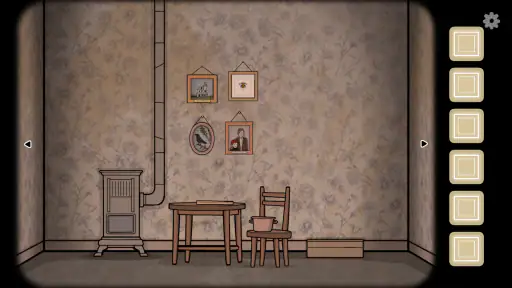
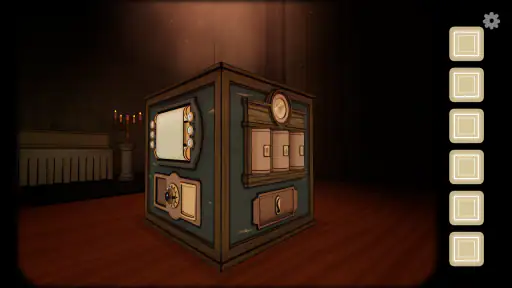
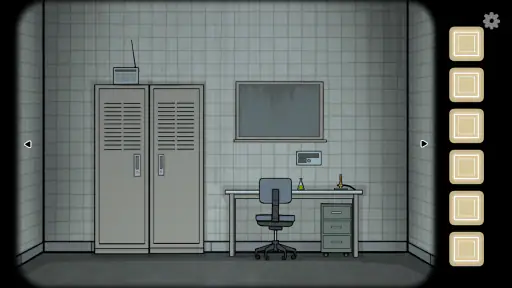
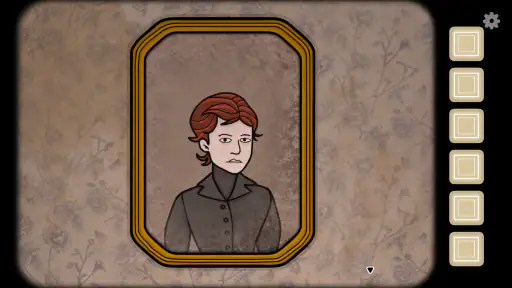
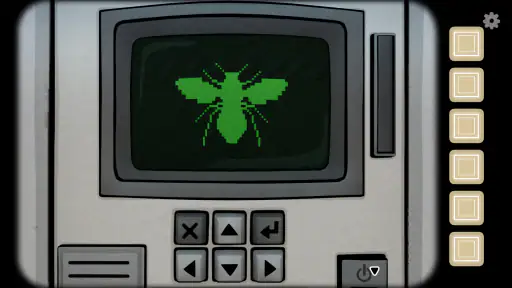
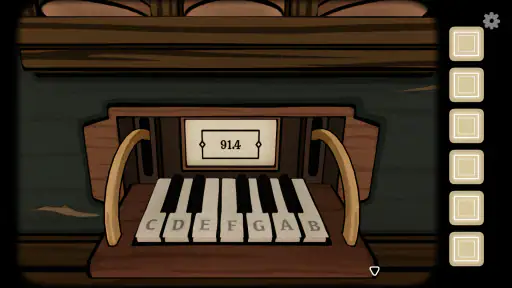
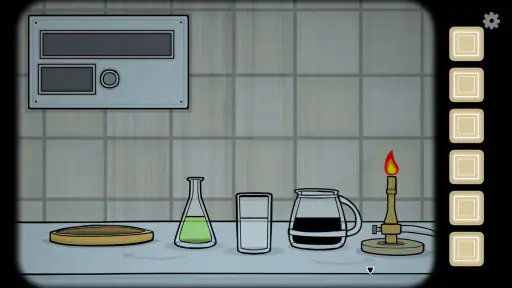
As soon as you fire up The Past Within, you’re greeted with an eerie, yet captivating ambiance. The game requires you to play with a friend, one exploring the past and the other the future. It’s a unique setup that instantly sparked my curiosity. The graphics are pretty neat, with a blend of retro and modern aesthetics that pulled me right in. The game’s design cleverly complements its theme, giving off a vibe that’s both nostalgic and fresh.
The Gameplay: A Co-op Adventure
One of the standout features of this game is its emphasis on collaboration and communication. You and your partner have to solve puzzles by sharing information from your respective timelines. This means you’re constantly in touch, discussing clues, and figuring out puzzles together. For someone who enjoys interactive and engaging gameplay, this was a blast! The puzzles range from simple to mind-bending, ensuring that you’re always on your toes.
The unique co-op mechanic is what makes The Past Within shine. It’s not just about solving puzzles; it’s about the journey and the communication between you and your partner. It’s a game that tests not only your problem-solving skills but also your teamwork.
The Soundtrack: Setting the Mood
Let’s talk about the soundtrack because, honestly, it deserves a mention. The music in The Past Within is perfectly crafted to enhance the overall experience. It’s haunting and atmospheric, adding an extra layer of depth to the gameplay. The sound design really helps in immersing you into the game’s world, making you feel like you’re right there in the middle of the unfolding mystery.
Final Thoughts: A Game Worth Playing?
In conclusion, if you’re someone who enjoys a good mystery and loves working together with a friend to crack puzzles, The Past Within is definitely worth a try. It’s a game that not only challenges your brain but also strengthens your bond with your co-player. The immersive atmosphere, combined with innovative gameplay mechanics, makes it a standout in the puzzle genre.
So, grab a friend, dive into the past and future, and enjoy the enigmatic journey that The Past Within offers. It’s more than just a game; it’s an experience that lingers long after you’ve put it down.
Cost, compatibility, and a final household check
At $2.99, this is a paid game rather than a free puzzle to try with no commitment. I think the price makes most sense when you already have a partner who is keen to play and you are both looking for a focused shared session. The game has a 4.8 average from around 41,000 ratings, with over 100,000 installs, which suggests plenty of players have found its unusual format appealing. Those figures are reassuring context, but they cannot tell you whether your particular partner will enjoy communicating through puzzles.
Before buying, I would check the Android device you plan to use: the current version is 7.8.03 and the stated minimum operating system is Android 6.0. The release date is November 2, 2022. The practical question is less about its age than whether both players can take part in the intended way and have a comfortable place to compare clues. If you are shopping for iOS, make sure the edition and compatibility information on the relevant store fit your device before purchase; do not assume that one platform’s requirements automatically apply to another.
My household verdict is that this is a strong choice for two people who want to solve a mystery together and are happy to make communication part of the entertainment. It is not a universal family game, and its two-player structure is exactly why some households will love it while others should pass. I would set aside a calm stretch of time, choose a partner who likes discussing details, and let each player describe their own view before rushing toward answers. For that kind of evening, Rusty Lake’s adventure offers a distinctive alternative to playing alone—and a much better fit than a group game when what you really want is a shared puzzle between two people.
The Past Within Pros and Cons
Pros
- Engaging storyline keeps players hooked.
- Unique art style enhances visual appeal.
- Co-op gameplay encourages teamwork.
- Puzzles are challenging but rewarding.
- Intuitive controls for easy navigation.
Cons
- Limited replay value once completed.
- Requires constant internet connection.
- May be too short for some players.
- Some puzzles can be overly complex.
- Not suitable for solo play.
This Game in Other Languages
Frequently Asked Questions
What is The Past Within and what makes it unique?
The Past Within is a cooperative puzzle adventure game that requires players to work together across timelines to solve intricate puzzles. Its uniqueness lies in its two-player mode where one player navigates the past while the other explores the future. This dual-perspective gameplay offers a distinct and immersive experience that challenges players to think collaboratively and creatively.
How do the cooperative mechanics work in The Past Within?
In The Past Within, players must work together in a shared environment, but from different timelines. Communication is key as each player has access to different pieces of information and must share insights to progress. The game encourages teamwork and strategic planning, making it crucial for players to effectively communicate and collaborate to solve puzzles and uncover mysteries.
Is The Past Within suitable for solo play, or is a second player required?
The Past Within is specifically designed for cooperative play and requires two players to fully experience the game. Each player will have a unique role and perspective, making it essential to have a partner to navigate the challenges together. Solo play is not supported, as the game relies on real-time collaboration between players to solve puzzles and advance.
What platforms is The Past Within available on, and how can I download it?
The Past Within is available on both Android and iOS platforms, providing accessibility for a wide range of mobile users. To download the game, users can visit the Google Play Store for Android devices or the Apple App Store for iOS devices. Simply search for 'The Past Within,' and follow the installation instructions to start your adventure.
Are there any in-app purchases in The Past Within?
The Past Within offers a complete gaming experience without the need for in-app purchases. Players can enjoy the full range of puzzles and cooperative gameplay without additional costs. The game is designed to provide a challenging and rewarding experience from start to finish, ensuring that users can focus on solving puzzles and enjoying the storyline without interruptions or the need for extra purchases.


