

The House of Da Vinci
- Reviews
- 4.4
- Version
- 1.1.30
- Installs
- 500,000+

Screenshots
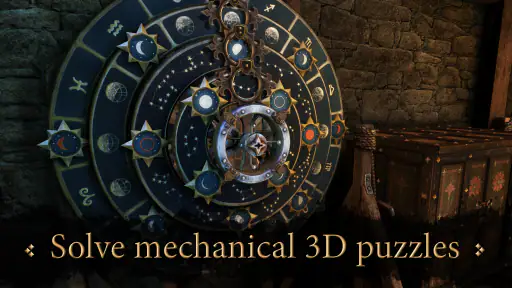

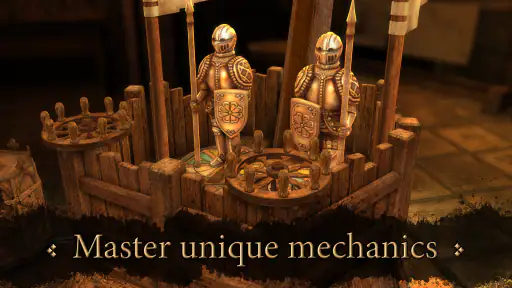
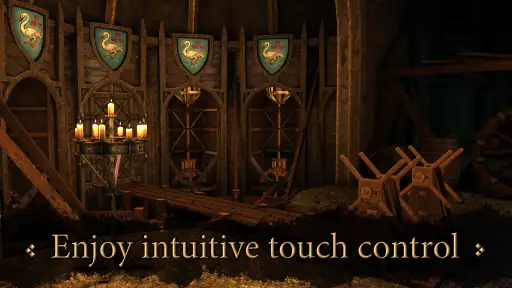
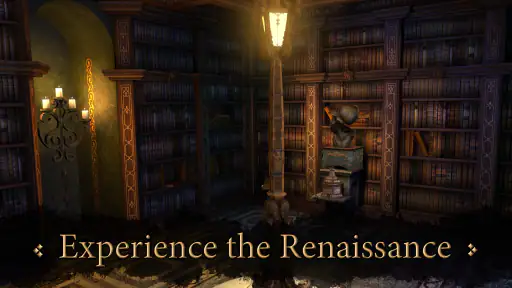
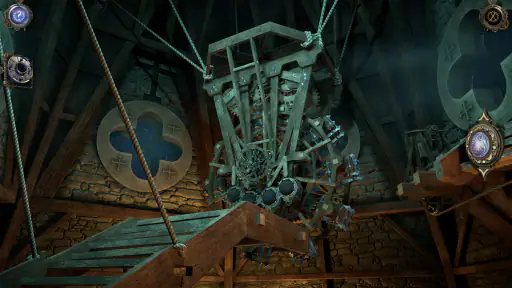
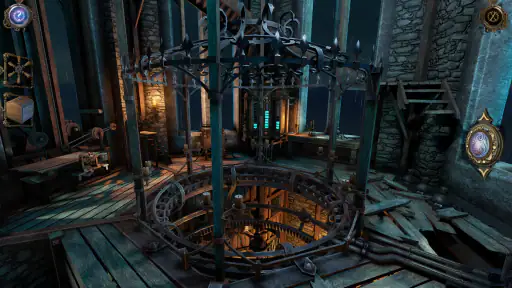
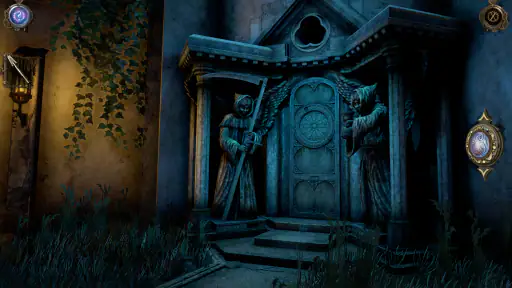
 Analysis by Frivlyz
Have you ever found yourself yearning for a game that challenges both your intellect and your creativity? Well, let me introduce you to The House of Da Vinci, an app that seems to have been crafted just for that purpose. From the moment I downloaded it, I was transported into a world where puzzles and mysteries await at every turn. In this review, I'll walk you through my experience with this intriguing app, sharing insights and thoughts along the way.
A Journey Through Time and Mystery
When I first launched The House of Da Vinci, I was immediately drawn in by its stunning graphics and atmospheric soundtrack. The game takes place in the 16th century, and you find yourself in the shoes of one of Leonardo Da Vinci's apprentices. Your mission? To uncover the secrets hidden within the walls of Da Vinci's workshop. The attention to detail is truly remarkable, and it's clear that the developers took great care in creating an immersive experience. From the intricate designs of the puzzles to the ambient sounds of the workshop, every element contributes to the game's authenticity.
That atmosphere also shapes how I approach each room: I slow down, scan the scene, and treat the objects as parts of a mechanism rather than background decoration. This makes the game rewarding for players who enjoy careful observation, but less suitable when I want a quick puzzle that can be solved in a minute or two. The House of Da Vinci is a paid puzzle game from Blue Brain Games s.r.o.; at $4.99, I see it as a complete-game purchase to consider before downloading, rather than a casual free pastime. It is rated Everyone, has an average rating of 4.4 from around 40K ratings, and has passed 500K installs.
Puzzles That Challenge Your Mind
If you're a fan of brain teasers, then you're in for a treat. The puzzles in this game are not only cleverly designed but also incredibly satisfying to solve. They range from mechanical contraptions to complex riddles, each one more challenging than the last. As someone who enjoys a good mental workout, I found myself completely engrossed in solving these puzzles. There's a real sense of accomplishment when you finally crack a particularly tough one, and that feeling keeps you coming back for more.
My most useful habit is to inspect a device from more than one angle before trying every visible control. A small change in viewpoint can make a fitting, symbol, or moving part easier to interpret, and that is often more productive than tapping randomly. I also try to remember what a mechanism did immediately before it changed; noticing cause and effect helps me avoid repeating failed attempts. These are simple ways to keep the puzzles satisfying without turning the room into a trial-and-error exercise.
One of the features I appreciated the most is the hint system. It's subtle and doesn't give away too much, allowing you to figure things out on your own. It's like having a gentle nudge in the right direction without ruining the fun. This balance is crucial in maintaining the game's challenge while ensuring it remains accessible to all players.
I treat hints as a way to get unstuck, not as a walkthrough to follow from the start. If I have searched the room carefully and still cannot see what a clue refers to, a nudge can help me resume solving rather than abandon the session. On the other hand, players who prefer direct instructions may find this gradual help too restrained. It is a good fit for people who want to do most of the reasoning themselves, but not necessarily for someone who wants every step spelled out.
Gaming Stories You May Enjoy

Dancing Road Turns Short Breaks Into a Test of Rhythm and Timing

Super Stylist Makes Every Outfit a Test of Taste and Patience

Dominoes on Your Terms: Who Should Play and Who Should Pass

Pokémon GO Makes the Familiar World Feel New

Chess.com Turns Rematches Into Rivalries, but Community Has Its Costs

Archery Battle 3D Review: Sharp Aiming, Unclear Feedback
A Story That Captivates
The narrative woven throughout the game is another strong point. As you progress, you uncover more about Da Vinci's life and work, as well as the various intrigues and secrets that surround him. The storyline is engaging and adds depth to the gameplay, making you feel like you're part of a larger adventure. I found myself eager to uncover the next piece of the story, which provided a great incentive to keep playing.
The voice acting and character interactions are well done, adding an extra layer of immersion. It feels like you're having genuine conversations with the characters, which enhances the overall experience. The developers have done a fantastic job of blending the narrative with the puzzles, creating a cohesive and enjoyable journey.
Reading, Looking, and Finding Your Way
For me, the visual presentation helps make the workshop inviting, but the same detailed scenes can ask for patience. Important clues are part of an environment full of finely rendered objects, so I take time to distinguish what is interactive from what is there to set the mood. If small details are difficult for you to pick out on a phone, a larger screen may make close inspection more comfortable where your device supports it. I would not choose this game expecting a plain, high-contrast puzzle board: its appeal depends heavily on seeing objects in context.
Navigation is tied to examining rooms and their mechanisms, which suits players who enjoy exploring rather than moving through a simple menu of isolated brain teasers. I recommend making a deliberate sweep of each area before leaving it mentally behind: note unusual markings, shapes, and parts that seem to fit together. That light mental map can be especially useful when a puzzle later asks you to connect clues rather than solve each object in isolation. If you prefer a straightforward sequence of short, self-contained challenges, a conventional puzzle collection may be easier to dip into.
Playing in Different Situations
This is a game I would save for a calm break at home, when I can give a room my attention and enjoy its sound and visual atmosphere. A realistic session might be a quiet evening with a cup of tea: I can explore for a while, work on a mechanism, and stop when I reach a natural pause. It is less convenient for a few distracted minutes in a noisy queue, because interruptions can make it harder to remember what I already examined and how a device responded.
The game is a better match for players who like observation, mechanical puzzles, and a story that unfolds alongside problem-solving. It can also work well for someone who is new to the genre but enjoys taking time over a challenge, since the hint system offers a way forward without immediately doing the reasoning for them. I would steer away from it if you mainly want rapid action, uncomplicated controls, or puzzles that provide an instant answer after one tap. The usual quick-play puzzle alternative is easier to fit into scattered spare moments; this adventure asks for a more focused mood.
For motor comfort, I find that a measured pace is the sensible approach: inspect first, then interact deliberately, rather than rapidly tapping around a detailed scene. That approach reduces frustration when a small object or mechanism needs close attention. Still, players who find precise touch interaction tiring may prefer a game built around larger, simpler controls. Sensory preferences matter too: the atmospheric presentation is part of the experience, but anyone who wants a visually sparse or quiet puzzle format may be more comfortable with a less immersive alternative.
What to Expect Before You Begin
The game’s appeal comes from the combination of exploration, machinery, and narrative, so it is not simply a collection of riddles with a story attached. That blend is a strength when I want each solved mechanism to feel like progress through a place, but it also means the pace is not always brisk. Some players may spend longer observing than solving, and those who dislike searching a scene for clues could find that rhythm frustrating. I recommend it most to people who enjoy the act of looking closely as much as the satisfaction of finding an answer.
It is listed as a puzzle game and was released on Aug 25, 2017. The current version is 1.1.30, and the minimum operating system listed for it is 5.1. Those details are useful to check against your device before paying, especially if you plan to play on an older phone. With around 4.2K reviews, it has attracted plenty of player feedback, but popularity alone cannot tell you whether its deliberate, object-focused style will suit you; the key question is whether you enjoy patient exploration.
One practical trade-off is how you divide a play session. I find it easier to stop after finishing a mechanism or reaching a clear story beat than in the middle of examining a room, because I can return with a better sense of what I have already tried. If you are playing in short windows, taking a mental note of the clue or part that held you up can save time next session. This is not a shortcut through the puzzles; it simply makes interrupted play less disorienting.
Final Thoughts
In conclusion, The House of Da Vinci is a must-have for anyone who loves puzzles, history, or simply a good story. It's a game that challenges your mind, captivates your imagination, and keeps you entertained for hours on end. Whether you're a seasoned puzzle enthusiast or a newcomer to the genre, there's something here for everyone. So, if you're ready to embark on an adventure filled with mystery and intrigue, give this game a try. Trust me, you won't be disappointed.
My recommendation comes with a clear qualification: I would choose it for a focused, atmospheric puzzle adventure, not as an all-purpose game for every player or situation. Its detailed rooms, mechanical challenges, and unfolding story give thoughtful players plenty to enjoy, while its slower pace and need for close observation may frustrate people looking for quick wins or low-effort play. For me, the strongest reason to try it is the feeling of understanding a machine through careful attention; the best reason to skip it is simply knowing that this kind of patient searching is not your preferred way to play.
The House of Da Vinci Pros and Cons
Pros
- Engaging puzzles and challenges.
- Immersive 3D graphics.
- Intriguing storyline.
- Intuitive touch controls.
- Regular updates.
Cons
- Occasional glitches.
- Requires large storage space.
- Some puzzles may be too complex.
- No free trial available.
- Requires internet for hints.
Frequently Asked Questions
What is The House of Da Vinci about?
The House of Da Vinci is a captivating puzzle adventure game where players find themselves in the historical context of Leonardo da Vinci's world. The game challenges users with intricate puzzles and mechanical brain-twisters, all set in beautifully detailed 3D environments inspired by the Renaissance era. As players progress, they unravel the mysteries and secrets that revolve around the disappearance of the great inventor himself, Leonardo da Vinci. This immersive experience is designed for those who enjoy a mix of history, art, and challenging gameplay.
Which platforms is The House of Da Vinci available on?
The House of Da Vinci is available for download on both Android and iOS platforms. This makes it accessible to a wide range of smartphone and tablet users who are looking to dive into its unique puzzle-solving experience. Additionally, the game is also available on PC and Mac, providing a versatile gaming experience across multiple devices. Whether you prefer playing on your phone or computer, The House of Da Vinci has you covered.
What are the main features of The House of Da Vinci?
Some of the main features of The House of Da Vinci include highly detailed 3D environments, a variety of challenging puzzles that require logical thinking and attention to detail, and an engaging storyline inspired by the life and inventions of Leonardo da Vinci. The game also offers intuitive touch controls, which enhance the interactive experience, making it easy for players to manipulate objects and navigate through the game's intricate mechanisms. Its atmospheric soundtrack and historical references further immerse players in the Renaissance world.
Is there any cost associated with downloading or playing The House of Da Vinci?
The House of Da Vinci is a paid app, meaning users need to purchase it to download and play. The cost varies depending on the platform and region, but it generally offers a one-time purchase option with no additional in-app purchases or microtransactions. This ensures that players can enjoy the full experience without interruptions from ads or the need for further payments, making it a worthwhile investment for fans of puzzle adventure games.
What age group is The House of Da Vinci suitable for?
The House of Da Vinci is suitable for a wide range of age groups, generally recommended for players aged 12 and above. This is due to its complex puzzles and the level of critical thinking required to progress through the game. The historical and educational elements make it particularly appealing to teenagers and adults who have an interest in history, art, and the works of Leonardo da Vinci. However, parental discretion is advised for younger players, as some puzzles may be challenging for them.


