

The Grand Mafia
- Reviews
- 4.5
- Version
- 1.2.798
- Installs
- 10,000,000+

Screenshots
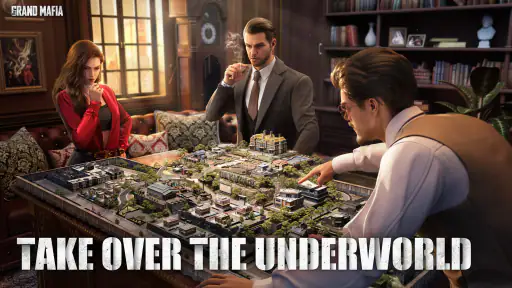

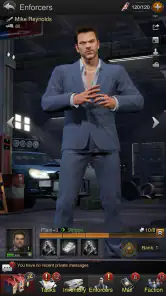
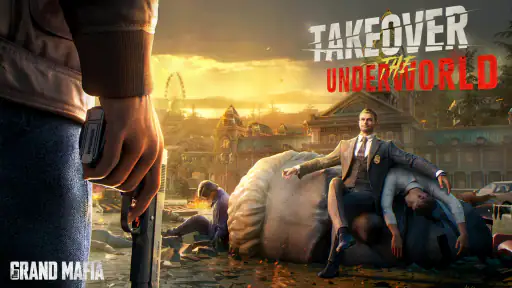
 Analysis by Frivlyz
I approach The Grand Mafia less as a quick action game and more as a long-running strategy pastime built around crime-drama role-play, planning, and contact with other players. That distinction matters: the appeal is not simply the mob setting, but the sense of building influence over time. I can see it working well for someone who enjoys checking in, weighing choices, and seeing a wider story take shape. If you want a game that delivers a complete burst of action in a short sitting, this may not be the best fit.
It is a free strategy game from Phantix Games, with a mature rating for players aged 17 and up. Its average rating is 4.5 from around 300,000 ratings, and it has passed 10 million installs, so it has clearly found a sizeable audience. The current version is 1.2.798, and it runs on Android 5.0 or later. Those details help set expectations, but the more important question is whether its mix of empire-building and social strategy suits the way you like to play.
What paying means—and what it does not tell me
The game is free to download, with optional in-app purchases listed from $0.99 to $99.99 per item. That gives me a concrete sense of the purchase range, but it is not enough by itself to decide whether spending is necessary, how much progress purchases provide, or whether competitive outcomes depend on them. I would treat buying as optional until I had played enough to understand what is slowing my own progress, rather than spending simply because a timer or rival makes me feel hurried.
That is also why I would set a personal spending limit before getting invested. In a game whose appeal includes developing an empire and interacting with other players, it can be easy to confuse a short-term advantage with a requirement to enjoy the experience. I would first learn which activities I actually like, then decide whether any purchase is worth paying for. If you prefer games with a fixed upfront price and no item-by-item decisions, this free-to-play model may feel less comfortable.
How the strategy feels over time
I find the long-term appeal of this strategy game depends less on constant action and more on whether its gradual progress keeps giving me decisions worth returning for. A practical way to test that is to play around your normal routine, rather than reshaping your day around check-ins; that makes it easier to notice whether the pace feels satisfying or starts to feel like pressure.
Progress, patience, and pressure
The central appeal is the gradual shift from a small-time operator to a more influential boss. I enjoy that kind of progression when each step gives me a reason to think about priorities rather than simply tap through action. The trade-off is that long-term growth can feel like waiting as much as playing. If you open the game expecting a tightly paced campaign that moves forward at the same speed every session, the ongoing empire-building structure may frustrate you.
For a realistic routine, I would treat it as a game to check during a break, make a deliberate choice about what to advance, and return later—not something I need to keep open all afternoon. That approach helps me avoid turning every slow moment into a reason to spend. It also makes the social side easier to manage: I can participate when I have time instead of promising more attention than I can give.
Gaming Stories You May Enjoy

Dancing Road Turns Short Breaks Into a Test of Rhythm and Timing

Super Stylist Makes Every Outfit a Test of Taste and Patience

Dominoes on Your Terms: Who Should Play and Who Should Pass

Pokémon GO Makes the Familiar World Feel New

Chess.com Turns Rematches Into Rivalries, but Community Has Its Costs

Archery Battle 3D Review: Sharp Aiming, Unclear Feedback
One useful habit in strategy games with alliances is to decide what kind of commitment I can offer before joining one. I would look for a group whose pace and communication expectations match my schedule, then be clear about when I am likely to be available. That is a better starting point than joining the most demanding group and feeling pressured to keep up. The game’s social dimension can add meaning to progress, but it can also make a casual hobby feel like an obligation if I do not set boundaries.
Fairness, alliances, and choosing your pace
Alliances and player interaction make the strategy feel more personal than a solo city-building game. Cooperation can give goals a social context, while rivalry makes expansion feel consequential. At the same time, I would not assume that every group is equally welcoming or that every player approaches competition with the same level of intensity. A good fit depends partly on whether I want relaxed company or a more demanding strategic environment.
The purchase range alone cannot settle whether the game is fair to players who do not spend. It tells me that optional items can cost different amounts, not what those items do or how they affect a contest. I would judge fairness through my own play: whether I can make satisfying progress at a comfortable pace, whether spending feels like a choice rather than a condition, and whether the groups I meet suit my approach. If competitive balance is the deciding factor for you, that is something to assess in play instead of inferring from the price range.
I would also keep a clear line between in-game drama and real-world trust. Alliances, negotiation, and betrayal can be entertaining as parts of a strategy setting, but another player is still a stranger behind a screen. I would avoid sharing personal details or treating a promise in chat as a guarantee. That caution does not prevent cooperation; it simply lets me enjoy the social layer without making the game more personal than it needs to be.
Where it fits—and where another game may suit you better
Compared with a conventional single-player strategy game, this one puts more emphasis on social relationships and a criminal-empire theme. That can be a strength if I like negotiating and building a shared presence with other players. It is less appealing if I want a self-contained campaign, predictable session lengths, or a story I can finish without depending on a community. A puzzle strategy game may be a better choice for quick, clearly bounded challenges; a solo tactics game may suit someone who would rather outthink an opponent than coordinate with one.
I would also be cautious about choosing it for a younger player. Its mature 17+ rating is a straightforward reason to consider something else if the intended audience is under that age. For adults who enjoy crime fiction and ongoing competitive worlds, the setting may be a draw, but the rating should not be treated as a casual detail.
How I would decide whether to keep playing
When I try a long-term strategy game, I pay attention to what makes me return: a goal I care about, a decision that feels genuinely mine, or people whose company improves the session. I would use the same test here. If I find myself logging in only because I fear falling behind, that is a useful signal to slow down or step away. If planning and alliance play remain enjoyable even when I am not making rapid progress, the game is probably fitting my habits rather than dictating them.
I would also make a small practical check before committing: confirm that my device meets the Android 5.0 minimum, decide whether the mature theme is suitable for me, and remember that the game is free to start but includes optional purchases. Those checks answer the basics without assuming that a download requires spending or daily attention. The best reason to continue should be that the strategy and social play are fun for me, not that I have already invested time.
Immersive Gameplay
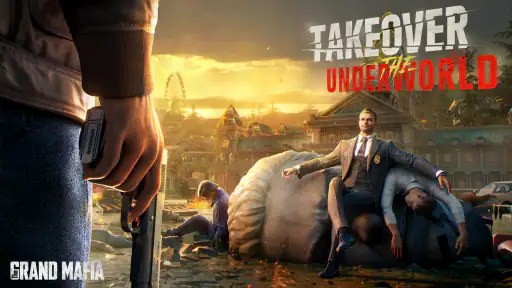
From the moment I booted up The Grand Mafia, I felt like I was stepping into a Scorsese film. The graphics are stellar, making every scene feel like a piece of cinematic art. The attention to detail is insane, from the intricate design of your mafia mansion to the gritty streets filled with opportunity—and danger.
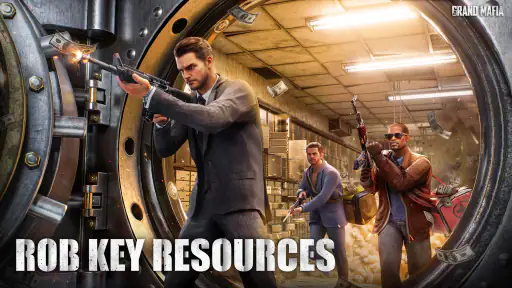
What I loved most is how the game allows you to build your own criminal empire. You start small, handling petty crimes, but as you progress, the stakes get higher, and that’s when the real fun begins. The missions are varied enough to keep things fresh—one moment you’re shaking down a local business, and the next, you're in a full-blown gang war.
Strategic Connections
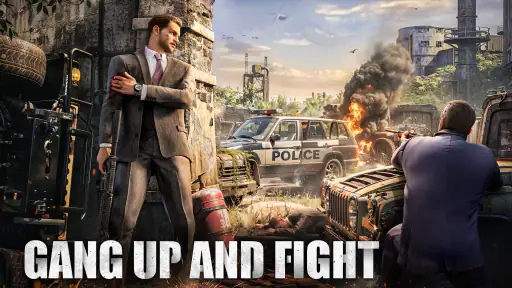
To really succeed in The Grand Mafia, you need more than just brute force; you need brains. The game emphasizes the importance of forming alliances. I found myself constantly strategizing, whether it was deciding which gang to ally with or figuring out the best way to expand my territory. Making the right connections is crucial, and it adds a layer of depth that keeps you coming back for more.
Plus, the social aspect of the game is a blast. You can chat with other players, form alliances, and even betray them if the situation calls for it. It’s like living in a soap opera where you’re the star.
Character Development
Another standout feature is the character development. You’re not just a nameless mob boss; you’re a character with a backstory and ambitions. The game does a fantastic job of making you feel invested in your character’s journey. I found myself genuinely caring about the outcomes of missions and the fate of my underlings.
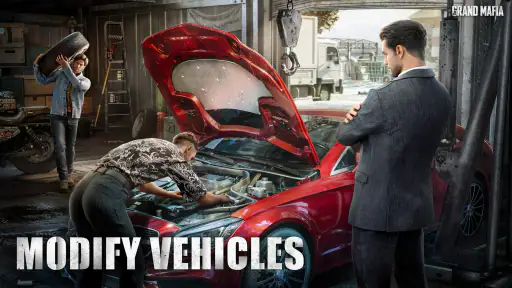
Moreover, the game offers a plethora of customization options. From your character’s appearance to the layout of your mansion, everything can be tailored to reflect your personal style. It’s these little touches that make the game feel uniquely yours.
Conclusion
In a world where mobile games can often feel repetitive, The Grand Mafia stands out. It’s a game that rewards strategy and cunning, wrapped up in a package that’s as stylish as it is fun. Sure, it has its moments of frustration—like any good challenge—but that’s what makes victory all the sweeter.
If you’re in the market for a game that offers a deep and engaging experience, I’d say give The Grand Mafia a shot. Just be prepared to get lost in its world—you might find it hard to put down!
The Grand Mafia Pros and Cons
Pros
- Engaging storyline with mafia themes.
- Rich
- detailed graphics and animations.
- Strategic gameplay keeps users hooked.
- Frequent updates with new events.
- Strong community and social features.
Cons
- Pay-to-win elements can be frustrating.
- In-app purchases are quite expensive.
- Requires a stable internet connection.
- Can drain battery quickly on devices.
- Some missions feel repetitive over time.
This Game in Other Languages
Frequently Asked Questions
What is the main objective of The Grand Mafia game?
The Grand Mafia is a strategy game where players immerse themselves in the underworld as they strive to become the most powerful mafia boss. The game's primary objective is to build and expand your criminal empire by recruiting gang members, taking over territories, and engaging in battles against rival mobs. Players must strategically manage resources, form alliances, and outsmart opponents to rise to the top of the criminal hierarchy.
Is The Grand Mafia free to play, and are there in-app purchases?
Yes, The Grand Mafia is free to download and play on both Android and iOS platforms. However, it offers in-app purchases that can enhance gameplay by allowing players to acquire special items, speed up progression, or obtain premium currency. While in-app purchases can provide an advantage, they are optional, and players can still enjoy the game without spending money.
What are the key features of The Grand Mafia?
The Grand Mafia boasts several exciting features, including an immersive storyline, detailed graphics, and engaging gameplay. Players can recruit a variety of gang members, each with unique skills, to strengthen their mafia. The game also offers real-time battles, strategic planning, and the ability to form alliances with other players. Additionally, the interactive map lets players explore and conquer new territories, adding depth to the overall experience.
How can I ensure my progress is saved in The Grand Mafia?
To ensure your progress in The Grand Mafia is saved, it is recommended to link your game account with a social media account such as Facebook or Google. This connection not only safeguards your progress but also allows you to switch devices without losing any data. Regularly updating the app and ensuring a stable internet connection can also help prevent any loss of progress.
What should I do if I encounter technical issues or bugs in the game?
If you experience technical issues or bugs while playing The Grand Mafia, the first step is to check for any available updates for the app, as developers often release patches to fix known problems. If the issue persists, you can contact the game's customer support through the app or their official website. Providing detailed information about the issue, including your device type and game version, can help the support team assist you more effectively.


