

The Ants: Underground Kingdom
- Reviews
- 4.2
- Version
- 3.68.4
- Installs
- 50,000,000+

Screenshots
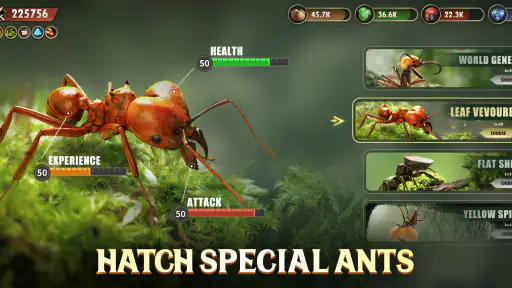
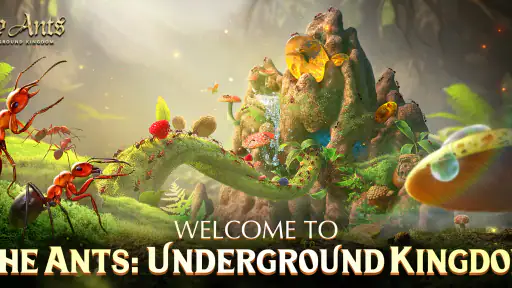
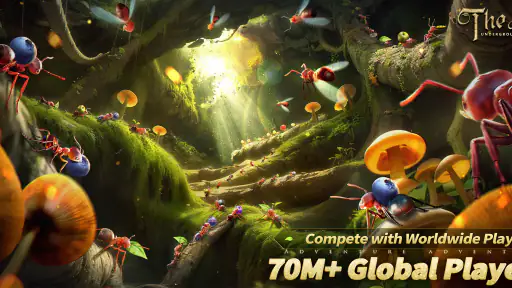
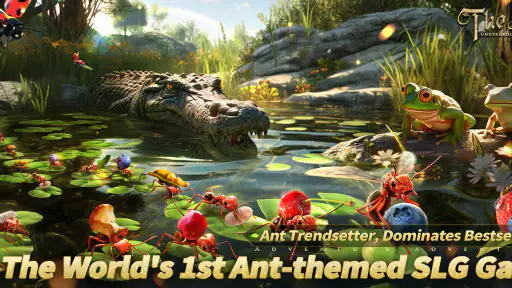
 Analysis by Frivlyz
Getting comfortable with The Ants: Underground Kingdom takes a little patience. Its colony view, resource decisions, and strategic choices all ask for attention, so I wouldn’t treat it as a game that explains every consequence at a glance. When I’m unsure what to do next, I pause before spending resources and look at the colony as a whole: what needs attention now, what can wait, and whether an expansion will make the next steps easier or simply create more to manage.
Where the early decisions can snag you
The first hurdle is not learning a complicated control scheme; it is working out which parts of colony management deserve priority. Expanding tunnels can feel satisfying, but expansion alone does not guarantee a balanced colony. I found it more useful to make deliberate choices about resources and the needs of the ant force than to tap through every available action as soon as it appears. That small change in pace makes the strategy easier to follow.
There is also a difference between having a busy colony and having a well-run one. If several needs compete for attention, I try to avoid changing everything at once. I make one decision, check how it affects the colony, and then decide what to do next. This gives me a clearer sense of cause and effect, especially when a new challenge interrupts a plan. The game is more enjoyable when I can understand why I’m making a choice rather than merely reacting to movement on screen.
A calmer way to begin and return
Before settling into a longer session, I check that the game has finished loading and that I can see the current state of my colony. If something seems unresponsive, I wait briefly and avoid repeatedly tapping the same control; a short pause is more useful than making several decisions without knowing whether the previous one registered. On returning after time away, I take a moment to review what is happening before making new commitments.
This is a strategy game by StarUnion, and its central appeal is the contrast between a small anthill and the larger colony it can become. The game is free to play and rated for Everyone. It launched on April 23, 2021, and version 3.68.4 lists Android 5.0 as its minimum operating system. Its average rating is 4.2 from around 1.1 million ratings, with over 50 million installs. That broad audience makes sense for a game that can be approached as a gradual management project, though its scale and ongoing decisions will suit some players better than others.
When progress feels off track
If I return to a colony and it feels less orderly than I remember, I don’t immediately assume the game has failed. I first inspect the current situation, then choose one manageable priority instead of trying to rebuild my whole plan in a single burst. When a control does not appear to respond, I give the screen a moment, check my connection if the game seems unable to proceed, and restart the app only if waiting has not helped. These are basic recovery steps, not a guarantee that every interruption has the same cause.
It also helps to separate a strategic setback from a technical problem. A difficult encounter or an unexpected demand may simply call for a different plan; a frozen or incomplete screen is a separate issue. I find that distinction useful because it stops me from making hurried changes to the colony when all I really need is to wait or reopen the game. If the same problem persists after simple checks, I would use the game’s available support route rather than repeatedly changing settings at random.
Gaming Stories You May Enjoy

Dancing Road Turns Short Breaks Into a Test of Rhythm and Timing

Super Stylist Makes Every Outfit a Test of Taste and Patience

Dominoes on Your Terms: Who Should Play and Who Should Pass

Pokémon GO Makes the Familiar World Feel New

Chess.com Turns Rematches Into Rivalries, but Community Has Its Costs

Archery Battle 3D Review: Sharp Aiming, Unclear Feedback
Building Your Own Colony
The game starts with a modest anthill, and it’s your job to build a thriving colony. The interface is surprisingly intuitive, making it easy to navigate the different sections. As you expand your colony, you’ll need to manage resources, nurture your ant army, and strategize to protect your kingdom from predators and rival colonies.
One of the first things I noticed was the sheer depth of detail in the game. From the design of the tunnels to the behavior of the ants, everything feels meticulously crafted. It’s not just about expanding; it’s about creating a well-balanced ecosystem within your colony.
The Thrill of Strategy
What I love about The Ants: Underground Kingdom is the strategic element. You’re not just a passive observer; you’re actively engaged in planning and decision-making. Whether it’s deciding which resources to gather or how to deploy your ant forces, every choice matters. The stakes get higher as rival colonies become more aggressive, and you’ll have to outsmart them to ensure your survival.
The game does a fantastic job of keeping you on your toes. Just when you think you’ve got everything under control, a new challenge arises, pushing you to rethink your strategy. It’s this constant demand for adaptability that keeps the game fresh and exciting.
Stunning Graphics and Realistic Sounds
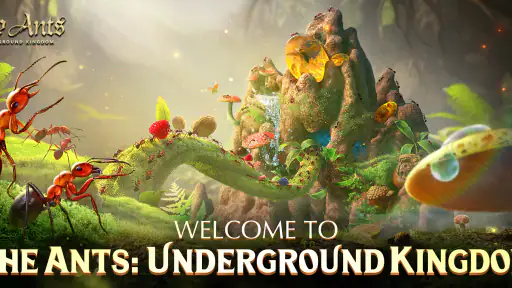
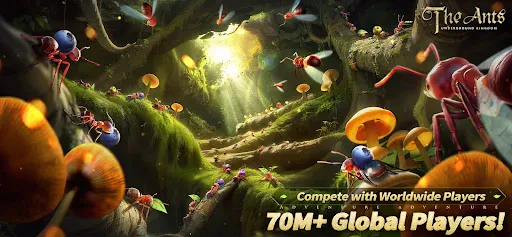
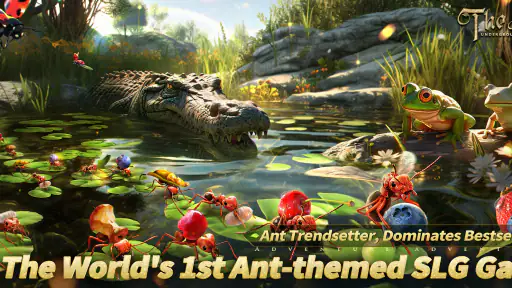
Visually, the game is a treat. The graphics are sharp, and the attention to detail is commendable. The tunnels, ants, and environment look realistic, almost making you feel like you’re watching a nature documentary. Coupled with the sound effects of the bustling colony, the immersive experience is unparalleled.
It’s easy to lose track of time as you get engrossed in the vibrant world that the developers have created. The combination of visuals and sound is so engaging that it makes you feel like a part of the ant colony.
How it fits into a day
I see this as a good fit for someone who enjoys checking on a project in short bursts and then spending longer stretches planning when they have time. For example, I might open it during a quiet break, look over the colony, make one or two considered resource or expansion choices, and leave the more involved decisions for later. That rhythm is more comfortable than trying to make every visit a major session, and it helps keep the game from becoming a string of rushed taps.
It is less suited to a player who wants a self-contained match with a clear finish in one sitting. The appeal here is watching a colony develop and responding as its needs change, not simply completing a quick round and moving on. If I want a compact tactical contest, I would choose a more match-focused strategy game; if I want a persistent setting to return to, the ant-colony premise has a stronger pull.
What to prioritize as the colony grows
One practical habit is to decide what you want a session to accomplish before you begin. I might focus on improving the colony’s balance, preparing the ant force, or making a measured expansion, rather than trying to advance every part at once. This creates a useful checkpoint: after acting, I can see whether the colony feels more stable or whether my choice has added pressure somewhere else. It also makes the game’s strategic layer easier to understand for a newcomer.
I would be cautious about treating every visible opportunity as urgent. A new challenge can make it tempting to redirect all attention immediately, but a quick review of the colony’s current needs helps me avoid abandoning a sound plan for a reaction that may not be necessary. The trade-off is that a slower, more thoughtful approach can feel less exciting in the moment. For me, though, it is preferable to spending resources impulsively and then having to untangle several decisions at once.
Choosing between free play and purchases
The game costs nothing to download, but it offers in-app purchases ranging from $0.29 to $99.99 per item. I would go in expecting optional spending to be part of the experience, not assume that every purchase is necessary. If I were trying it for the first time, I would play at my own pace before deciding whether anything offered is worth paying for. Setting a personal spending limit beforehand is a sensible way to keep a free-to-start game within the budget I actually want.
That distinction matters for families as well as individual players. The Everyone age rating indicates a broad audience, but it does not remove the need for adults to think about in-app purchases when a child uses a device. I would make sure the device’s purchase controls match the household’s preferences. The game’s management decisions can be approachable, while the choice to spend remains a separate consideration.
How it compares with other strategy games
Compared with strategy games built around short battles, this one puts more emphasis on the colony itself: its tunnels, resources, ant force, and continuing development. That makes it appealing if I want the setting and management to be part of the strategy, rather than just a backdrop for a series of fights. Against a broader city-building game, the ant theme gives the decisions a more focused identity, while the need to balance development and protection keeps it from feeling like decoration alone.
The trade-off is that players who dislike ongoing management may find the same structure demanding. A puzzle strategy game usually gives me a tighter problem and a clearer stopping point; this colony game asks me to keep track of a larger, evolving situation. Neither style is automatically better. I would pick based on whether I want a persistent colony to tend or a compact challenge with a more immediate conclusion.
Who will enjoy it—and who may not
I would recommend it to players who like gradual progress, detailed environments, and decisions that connect resource gathering with the safety and growth of a colony. It can also suit someone curious about an ant-themed setting who wants more to do than watch the scenery. The combination of management and strategy gives me reasons to return, especially when I enjoy reviewing a plan and adjusting it after circumstances change.
I would steer away from it if I wanted a completely hands-off experience, a quick game that wraps up in a few minutes, or a strategy title with no purchase prompts. It also may not be a good fit if I find it stressful to keep several colony needs in mind. In those cases, a turn-based puzzle game or a simpler, session-based strategy option would probably feel more relaxing. Knowing that before downloading is more useful than expecting every strategy game to suit the same mood.
Final Thoughts
In conclusion, The Ants: Underground Kingdom is more than just a game; it’s an adventure into the fascinating world of ants. Its combination of strategy, management, and stunning visuals make it a must-try for anyone who enjoys simulation games. Whether you’re a casual gamer or a strategy enthusiast, this app offers something for everyone. So, if you’re ready to take on the challenge and build your own ant empire, this game is definitely worth a download.
The Ants: Underground Kingdom Pros and Cons
Pros
- Engaging strategy gameplay.
- Stunning graphics and animations.
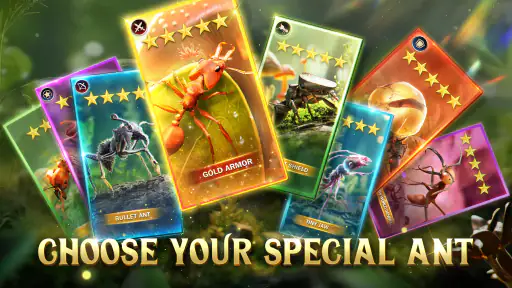
- Diverse ant species to unlock.
- Multiplayer alliances available.
- Frequent updates and events.
Cons
- In-app purchases can be costly.
- Requires stable internet connection.
- Occasional lag in multiplayer mode.
- Tutorial can be overwhelming.
- Limited offline features.
This Game in Other Languages
Frequently Asked Questions
What is The Ants: Underground Kingdom about?
The Ants: Underground Kingdom is a strategic simulation game where players take on the role of an ant colony leader. The main objective is to build and expand your underground empire. You need to manage resources, expand your territory, and defend against predators. The game offers a deep dive into the world of ants, showcasing their complex social structures and survival strategies.
Is The Ants: Underground Kingdom free to play?
Yes, The Ants: Underground Kingdom is free to download and play. However, it offers in-app purchases that can enhance the gaming experience. Players can buy resources, special items, and other advantages that may help progress faster in the game. While the game can be enjoyed without spending money, purchasing items can provide a competitive edge.
What platforms is The Ants: Underground Kingdom available on?
The Ants: Underground Kingdom is available on both Android and iOS platforms. Users can download it from the Google Play Store for Android devices and the Apple App Store for iOS devices. The game is optimized for mobile play, ensuring a smooth and immersive experience on smartphones and tablets.
Does The Ants: Underground Kingdom require an internet connection?
Yes, The Ants: Underground Kingdom requires an active internet connection to play. The game features multiplayer elements and real-time interactions with other players, which necessitate an online connection. Without internet access, players won't be able to engage in battles or participate in community events.
Are there any age restrictions for playing The Ants: Underground Kingdom?
The Ants: Underground Kingdom is rated for players aged 12 and up. This is due to mild cartoon violence and strategic gameplay that may not be suitable for younger children. Parents should consider these factors and review the game's content to ensure it's appropriate for their children before allowing them to play.


