

The Abandoned Planet
- Reviews
- 4.1
- Version
- 1.2.5
- Installs
- 100,000+

Screenshots
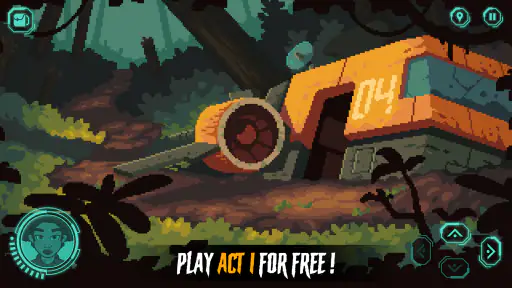
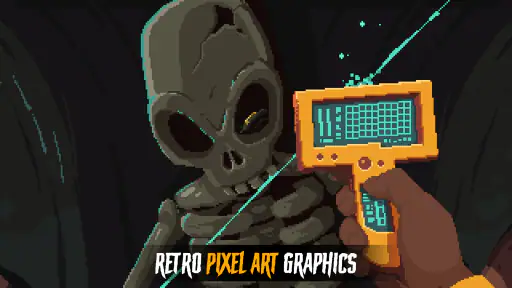
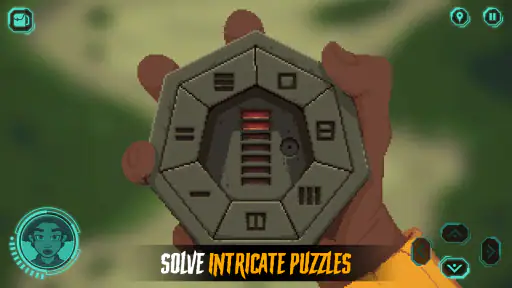
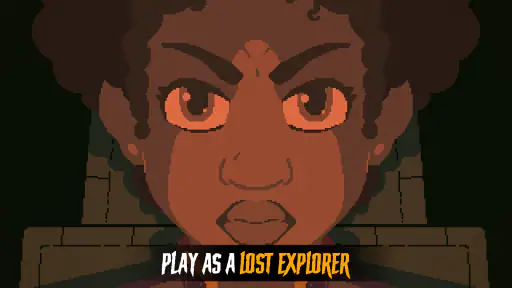
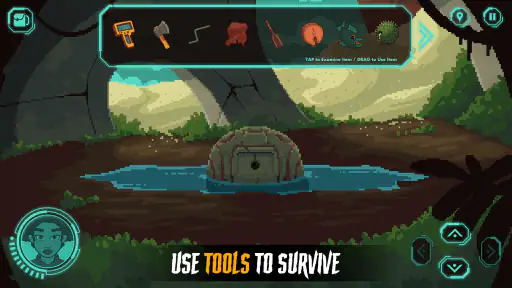
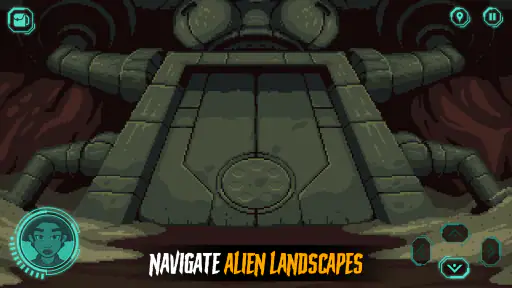
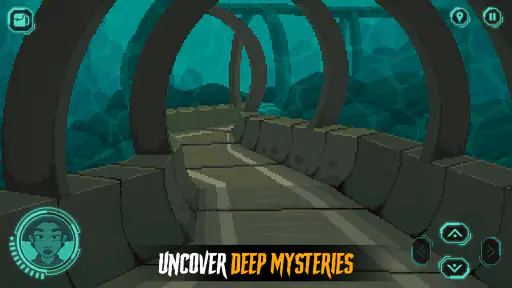
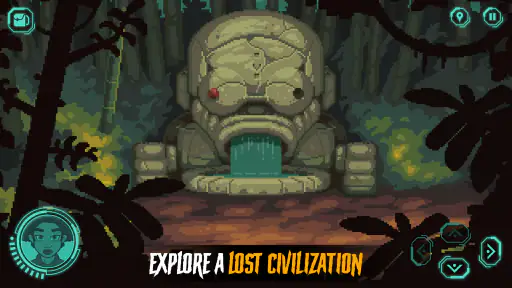
 Analysis by Frivlyz
I’d approach The Abandoned Planet as a choice for a particular kind of evening: one where I want to slow down, look closely at a strange place, and work through a story rather than chase scores or compete. It is a free adventure game from Snapbreak, built around exploration and point-and-click play. Its retro pixel-art look sets it apart from more realistic, action-led adventures, but the real question is whether patient discovery sounds enjoyable to you.
What to consider before you start
The central appeal is the balance between atmosphere and puzzle-solving. I would pick it when I’m in the mood to investigate a setting and connect clues, not when I want a game that constantly rewards quick reactions. The point-and-click approach puts attention on where I look and what I interact with; that can feel welcoming if I prefer deliberate play, though it may seem slow if I expect movement and combat to drive every moment.
A practical way to judge whether it suits you is to think about how you usually play on a phone or tablet. If you have a few quiet stretches to follow a scene and consider what it is showing you, this format can work well. If you mostly play in very brief interruptions, the need to remember a location or a clue between sessions may make the experience less satisfying. I’d also choose headphones or a quieter place when possible: the mood is part of the attraction, and distractions can flatten it.
The game is rated for Everyone, so its broad age rating makes it an option to consider for younger players as well as adults who enjoy classic adventure games. That rating describes the content category, not whether its puzzles will suit every player. I’d expect a child who likes exploring and figuring things out to get more from it than someone looking for a simple sequence of instant rewards.
Where its old-school approach works
What I like about the pixel-art presentation is that it makes the planet feel like a place to examine rather than a backdrop I pass through. The retro style also gives the game a clear identity beside polished, cinematic adventures. Instead of relying on spectacle alone, its appeal comes from noticing details and building a sense of what happened in this abandoned setting.
That makes it especially appealing if you already enjoy point-and-click adventures or want a gentler alternative to action-heavy exploration games. I’d recommend it to someone who likes solving a problem at their own pace and doesn’t mind pausing to inspect a scene. Snapbreak is known here as the developer, and the game’s reception suggests it has found an audience: it has a 4.1 average from around 2,400 ratings and more than 100,000 installs.
Where another kind of adventure may suit you better
Not every adventure game asks for the same kind of attention. If I wanted fast combat, open-ended movement, or a constant stream of challenges, I’d look at an action-adventure instead. If I wanted a story delivered mostly through dialogue and character choices, a narrative-focused game might be a better fit. This one is the more suitable choice when I want to explore a contained mystery through point-and-click interaction.
Gaming Stories You May Enjoy

Dancing Road Turns Short Breaks Into a Test of Rhythm and Timing

Super Stylist Makes Every Outfit a Test of Taste and Patience

Dominoes on Your Terms: Who Should Play and Who Should Pass

Pokémon GO Makes the Familiar World Feel New

Chess.com Turns Rematches Into Rivalries, but Community Has Its Costs

Archery Battle 3D Review: Sharp Aiming, Unclear Feedback
There is a trade-off in that focused design: players who find pixel-art scenes difficult to scan, or who prefer explicit direction at every step, may run into friction. I’d try to approach each scene methodically—look over it before tapping, note anything that seems unusual, and revisit places after finding a clue that changes how I interpret them. That habit is useful in this style of game because a detail that first seems decorative may make more sense later.
Time, spending, and getting back into it
The game is free to start, with optional in-app purchases priced from $4.99 to $6.99 per item. I’d treat those as a spending choice rather than assume they are necessary to enjoy the adventure. If you’re cautious about purchases, check the options before committing money and keep an eye on purchase controls when a child is playing. Its current version is 1.2.5, and it requires Android 10 or later, so it is worth checking device compatibility before planning to play.
One useful habit for a clue-led adventure is to make a short note when you stop: the place you were exploring, an object or detail you couldn’t use, and any question the story raised. That small reset can save aimless backtracking when you return after a busy day. I wouldn’t use a walkthrough as the first response to a puzzle; trying a fresh look at the scene usually preserves the satisfaction of working it out. If you do get stuck, a hint or guide can be a reasonable last resort rather than a reason to abandon the game.
Discovering Uncharted Territories
When I first launched The Abandoned Planet, I was greeted with stunning graphics that immediately set the tone for an immersive experience. The developers have done a fantastic job in creating an environment that feels both eerie and captivating. As you navigate through the game, you'll find yourself drawn into the beautifully rendered landscapes that seem to whisper secrets of a bygone era.
One of the aspects that stood out to me was the game's intuitive controls. It's not every day you come across a game that's both visually appealing and easy to play. Whether you’re a veteran gamer or a newbie, you’ll find the mechanics straightforward, allowing you to focus on what truly matters—exploration and discovery.
The Thrill of the Unknown
What truly makes this game shine is its narrative. You’re not just wandering aimlessly; there’s a story to uncover, mysteries to solve, and artifacts to discover. Each piece of the puzzle you find adds depth to the lore of the planet, making you eager to learn more. I found myself getting lost in the storyline, forgetting time as I pieced together the history of this enigmatic world.
There are moments in the game that will genuinely surprise you. The plot twists are well-crafted, keeping you on the edge of your seat. Just when you think you’ve got it all figured out, the game throws a curveball your way. It’s this unpredictability that keeps the gameplay fresh and exciting.
Soundscapes and Atmosphere
Another standout feature of The Abandoned Planet is its sound design. The ambient sounds and music complement the visuals perfectly, enhancing the overall atmosphere of the game. Whether it’s the distant howl of the wind or the subtle hum of alien technology, the audio elements are spot on, pulling you deeper into the game’s universe.
It’s not just the sounds that enhance the mood; the game makes excellent use of lighting and shadows to create a sense of suspense and wonder. Moving through dark caverns with only a flickering torchlight to guide you is both thrilling and nerve-wracking, in the best way possible.
Final Thoughts
In conclusion, The Abandoned Planet is more than just a game; it’s an experience. It’s a journey through a forgotten world that’s waiting to be explored. With its compelling storyline, breathtaking visuals, and atmospheric sound design, this game is a must-play for anyone looking to escape reality and delve into the unknown. Whether you’re playing on a lazy Sunday afternoon or after a long day at work, it promises to deliver an engaging and fulfilling experience. So, what are you waiting for? Pack your bags and get ready for an adventure of a lifetime!
A good fit for a particular kind of free evening
The clearest recommendation I can give is to match the game to your attention, not just your taste in science-fiction settings. If you enjoy taking a moment to inspect a room, remember an odd detail, and see how it connects with the story, its measured pace can be a welcome change from games that keep pushing you toward the next fight or objective. If you want to make progress while barely looking at the screen, this is probably not the right choice.
For example, I’d save it for a commute only if I had a comfortable seat and enough uninterrupted time to follow a scene. On a crowded trip with frequent stops, I’d be more likely to lose the thread or tap through without noticing clues. At home, a short session after dinner works better: I can explore a location, stop when I reach a natural pause, and jot down one unresolved detail. That makes returning later feel like continuing an investigation rather than starting cold.
It is also a reasonable pick for someone curious about classic adventure design but unsure about committing to a paid game. Because it is free to start, you can see whether the visual style and interaction suit you before considering any optional purchase. I’d still keep expectations grounded: free access does not mean every player will enjoy the pace, and purchases should be considered separately from whether the core style appeals.
Small habits that make exploration smoother
When a scene seems to offer no clear next step, I’d resist tapping every object in quick succession. A slower sweep is more useful: scan the whole image, identify objects that stand out, then test interactions one at a time. That makes it easier to remember what you have already tried and reduces the feeling that progress depends on random tapping. It also helps you notice when the story has given you a new reason to reconsider something from an earlier area.
I’d treat inventory or clue-related discoveries as prompts to rethink the environment, rather than assuming each find has an immediate use. In point-and-click adventures, the gap between finding something and understanding it can be part of the appeal. Keeping a brief note of the object and where you found it is a low-effort way to avoid repeating the same checks, especially if you play in short sessions. The note needn’t become a walkthrough; a few words are enough to preserve your own reasoning.
There is a trade-off here. Taking notes and revisiting scenes can make the game more manageable, but players who want every objective clearly signposted may find that process fussy. I’d use the lightest method that helps: a mental reminder for a short break, a quick written clue if I’m stopping for longer, and a guide only if I’m genuinely stuck. That keeps the discovery in your hands without turning a puzzle into a chore.
How it sits beside other adventure games
Compared with action-led adventures, this game puts less emphasis on reflexes and more on observation. That is a meaningful distinction for mobile play: a player who wants calm, deliberate interaction may prefer it, while someone seeking quick bursts of combat or movement will probably be happier elsewhere. Compared with dialogue-first narrative games, it asks you to engage with places and objects as well as follow the story. Neither approach is universally better; the useful question is whether you want to read and choose, explore and inspect, or react and fight.
The retro look is part of that identity, but it also creates a practical consideration. Pixel art can make an environment feel distinctive and invite close attention, yet small visual details may be harder to pick out on a compact screen or in bright surroundings. I’d play with the display comfortable to view and avoid rushing through scenes. If visual clarity is a priority for you, a game with a cleaner, larger-scale presentation could be the more comfortable alternative.
The game was released on November 12, 2024, and its current version is 1.2.5. Those details are useful when checking that you have the right release in mind, but they do not change the basic decision: choose it for atmospheric, clue-led exploration, not for a sprawling action system or an endless stream of challenges. Its audience is likely to be narrower than “anyone who likes games,” and that focus is a strength when it matches your mood.
Before you commit to a longer play session
A common practical question is whether the game is appropriate to share with a younger player. Its Everyone content rating makes it suitable to consider for a broad audience, while the puzzle-led style still means a child may need patience or occasional help. I’d let the player try a scene and see whether they enjoy looking for details, rather than assuming an age label guarantees that the format will hold their interest.
Another question is whether spending is required. The game costs nothing to begin, while optional items range from $4.99 to $6.99 each. I’d first decide whether I enjoy the exploration and story, then review any purchase prompt carefully; there is no need to spend just because an option appears. That approach is especially sensible if the game is being played on a shared device.
Its audience response is positive but not unanimous: the average is 4.1 from around 2,400 ratings, alongside 99 written reviews and more than 100,000 installs. I take that as a useful sign of an established player base, not proof that its pace will suit everyone. The best test is still whether you enjoy examining a scene and following a mystery without needing constant action.
My recommendation
I’d recommend this adventure to players who like atmospheric settings, visual clues, and a story that unfolds through exploration. It is particularly appealing if you want a calmer alternative to action-heavy games and are willing to think through a puzzle rather than rush past it. Its presentation and point-and-click structure give the experience a clear personality, and that makes it easier to recommend to the right person than to everyone indiscriminately.
I’d skip it if I were looking for fast combat, broad freedom to roam, or very explicit guidance at every turn. I’d also choose something else for noisy, stop-start play if I knew I couldn’t give scenes much attention. For the right player, though, a quiet session spent piecing together what happened on this deserted world can be a satisfying change of pace. That is the reason I’d give it a try: not because every adventure needs to be a blockbuster, but because careful exploration can be rewarding when you’re in the mood for it.
The Abandoned Planet Pros and Cons
Pros
- Immersive graphics enhance the gaming experience.
- Engaging storyline keeps players hooked.
- Smooth gameplay with minimal glitches.
- Supports offline play for convenience.
- Regular updates with new content.
Cons
- In-app purchases can be costly.
- Limited character customization options.
- Occasional connectivity issues.
- High battery consumption.
- Requires significant storage space.
Frequently Asked Questions
What is The Abandoned Planet app about?
The Abandoned Planet is an immersive adventure game set in a post-apocalyptic world. Players explore a desolate planet, uncovering mysteries, solving puzzles, and surviving against various threats. The game offers a captivating storyline with rich graphics and engaging gameplay, making it a must-have for adventure enthusiasts.
Is The Abandoned Planet free to download and play?
The Abandoned Planet is free to download with optional in-app purchases. While you can enjoy the core game for free, certain features, levels, or items may require purchasing. This model allows players to experience the game without initial costs while providing options to enhance gameplay through purchases.
What are the minimum device requirements for The Abandoned Planet?
To run The Abandoned Planet smoothly, your device should meet certain criteria. For Android, a minimum of Android 8.0 and 2GB of RAM is recommended. iOS users should have at least iOS 12.0 and a compatible device such as iPhone 6S or later. Adequate storage space is also necessary for installation.
Does The Abandoned Planet require an internet connection?
The Abandoned Planet can be played offline, allowing users to enjoy the game without an internet connection. However, some features like updates, in-app purchases, and multiplayer modes may require a stable internet connection. Playing online can also enhance the game's interactive elements and social features.
Are there any age restrictions for The Abandoned Planet?
The Abandoned Planet is rated for players aged 12 and up. Due to its themes of survival and mild fantasy violence, it may not be suitable for younger audiences. Parents are encouraged to review the game's content and consider whether it aligns with their expectations for appropriate gaming experiences for their children.


