

TFT: Teamfight Tactics
- Reviews
- 4.4
- Version
- 14.23.6359815
- Installs
- 10,000,000+

Screenshots
 Analysis by Frivlyz
I like TFT: Teamfight Tactics best when I treat it as a series of small decisions rather than a puzzle with one perfect answer. Each match asks me to build a team from what is available, then adjust when the shop, opponents, and battle results push the plan in a different direction. That makes this strategy game satisfying to revisit: a good idea can work, but it still has to survive the choices I make along the way.
What the current version is best at
On mobile, the appeal is that I can take part in a full strategy match without needing quick reflexes during the fighting itself. I make decisions between battles, while the units carry out the combat automatically. That suits a quiet break better than an action game, though it is not quite a game I would open for only a few seconds: meaningful choices need attention, and following the match is part of the fun.
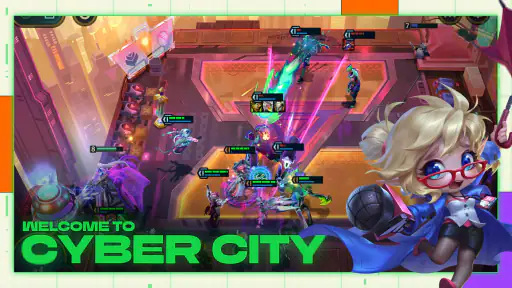
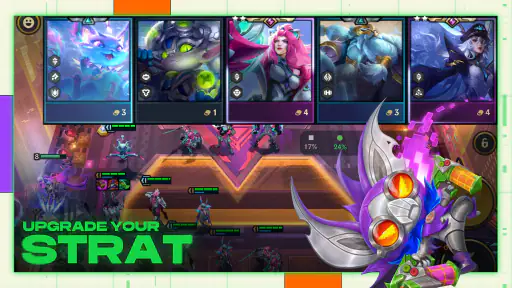
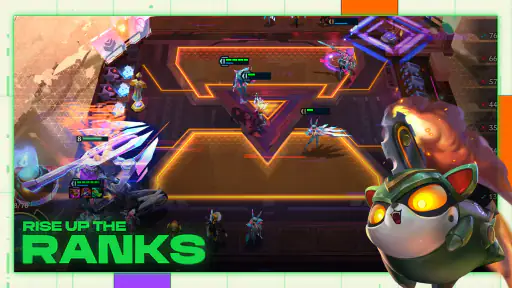
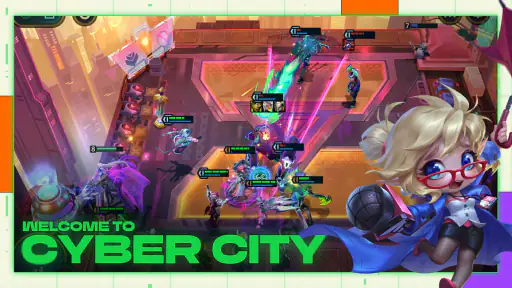
The basic loop is approachable. I buy champions, arrange them on a grid, and try to make a team that can handle the opposition. The depth comes from balancing immediate needs with longer-term possibilities. A champion that helps right now may not fit the team I am trying to build, and saving resources or changing direction can be wiser than forcing an early plan. I find that tension more interesting than simply assembling the most powerful-looking pieces.
It also means that losses can be useful. Rather than treating every round as a verdict on whether my idea was good, I look at what the opponent’s setup exposed: perhaps my units were positioned poorly, or I committed too heavily to a composition before the shop supported it. That makes each result feedback for the next decision, not just a reason to blame luck.
How to learn without overthinking
New players do not need to memorize every champion or chase advanced tactics immediately. I would start by paying attention to which units are appearing, how their abilities complement one another, and whether the team is holding up in fights. A simple plan that I understand is more useful than copying a complicated setup without knowing why it works.
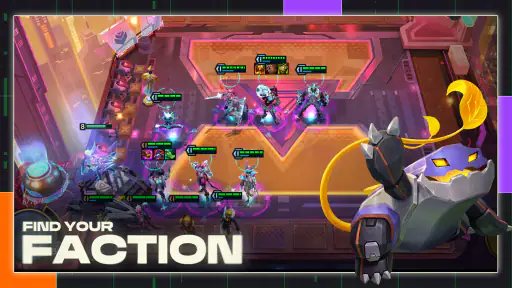
One practical habit is to pause before spending on a tempting shop choice and ask whether it improves the board now or supports a believable next step. That small check helps avoid collecting unrelated champions just because they appeared. Positioning deserves the same deliberate look: moving a unit can change who it encounters and how well the team’s abilities contribute, so I would make adjustments with a reason instead of rearranging pieces at random.
For returning players, the most helpful mindset is flexibility. Familiar habits may still be useful, but a strategy game built around changing availability rewards reading the present match rather than assuming last time’s approach will fit. I would use early rounds to learn what options are opening up, then commit more firmly when the team starts to make sense.
Gaming Stories You May Enjoy

Dancing Road Turns Short Breaks Into a Test of Rhythm and Timing

Super Stylist Makes Every Outfit a Test of Taste and Patience

Dominoes on Your Terms: Who Should Play and Who Should Pass

Pokémon GO Makes the Familiar World Feel New

Chess.com Turns Rematches Into Rivalries, but Community Has Its Costs

Archery Battle 3D Review: Sharp Aiming, Unclear Feedback
Gameplay Mechanics
First things first, let's talk about what you actually do in this game. You start by assembling a team of champions, each with unique abilities. The twist? You don’t control them directly in battle. Instead, you strategically position your champions on a grid, and they automatically fight it out with your opponent’s team. It’s all about strategy here—knowing which champions to buy, which items to equip, and how to position your units is crucial. The game is easy to pick up but tough to master, which keeps you coming back for more.
The Strategic Depth
One of the major draws of TFT is its strategic depth. You’ll find yourself constantly adapting to new challenges, whether it's the changing meta or the random nature of which champions are available in the shop. This keeps every match feeling fresh and exciting. You're not just spamming the same tactics every game; instead, you’re constantly tweaking your strategy to outsmart your opponents. The thrill of crafting the perfect team composition is genuinely rewarding.
Visuals and Design
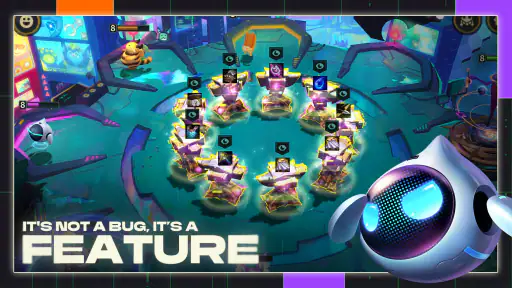
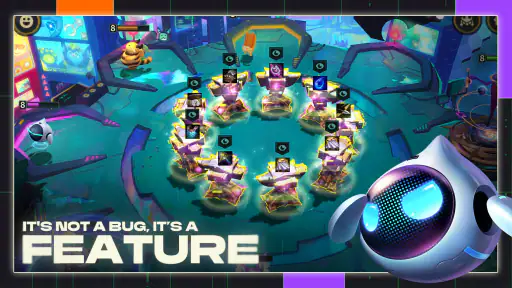
On the aesthetic side, the game is nothing short of delightful. The art style is vibrant and colorful, with each champion and their abilities beautifully animated. The interface is intuitive, making it easy to navigate through the various game options and manage your team. Even if you're not a fan of strategic games, the visual appeal might just draw you in.
Community and Updates
Riot Games has done a stellar job of keeping the community engaged. Regular updates ensure that the game stays balanced and interesting. Plus, they’re always introducing new champions and features, so there's always something new to explore. The developers are active in the community, taking feedback seriously, which is always a plus in my book.
That said, I would not recommend it to everyone. If I want a quick win with little planning, or a game where direct control and fast reactions decide the outcome, I would choose something else. TFT asks me to watch how a plan develops and accept that the shop may not cooperate. The automatic battles are a deliberate part of the appeal, but they can feel distant if I want to steer every move once combat starts.
Where it fits among strategy games
Compared with a conventional turn-based tactics game, TFT shifts the emphasis away from moving individual units through a map and toward assembling a team before the fight. Compared with real-time strategy, it is less about issuing commands under pressure and more about evaluating options between battles. That makes it a good fit for someone who enjoys planning and adapting but does not want constant manual control. If I specifically want precise movement, a campaign, or a direct competitive match based on my moment-to-moment inputs, another strategy game will suit me better.
It also differs from a simple collection game: having a favorite champion is not enough on its own. I need to consider how the whole board works together, and I may have to let go of a preferred pick when it does not support the team. That trade-off is central to the game’s appeal. The reward is not merely getting a particular unit; it is making useful decisions with the options the match actually gives me.
A realistic way to fit it into a day
On a commute or during a lunch break, I would only start if I had enough uninterrupted time to stay with a match. It is tempting to think of an auto-battler as something to check casually because the fighting is automatic, but the planning still deserves attention. If I am likely to be interrupted, I would wait rather than begin and then make rushed choices. At home, a better routine is to play one match with a small learning goal—such as watching how positioning affects the result—instead of trying to master every system at once.
That approach is especially useful for newcomers. After a round goes badly, I can check whether the problem was a weak team direction, poor placement, or a choice that solved only the immediate round. I do not need to diagnose everything at once. Keeping one question in mind makes the learning curve manageable and turns a disappointing result into a practical lesson.
Cost, access, and who should try it
The game is free to download, with optional in-app purchases ranging from $0.99 to $159.99 per item. I would approach those purchases as optional spending rather than a requirement to understand the core strategic loop. If I am unsure whether the style suits me, I would first play without buying anything and decide whether I enjoy the decisions themselves. The Teen age rating is also worth keeping in mind when choosing a game for a younger player.
Riot Games, Inc. released the game on March 16, 2020, and the current version is 14.23.6359815. It has a 4.4 average from around 633,000 ratings, with more than 10 million installs. Those figures suggest a substantial audience, but they do not tell me whether a particular player will enjoy the match pace; the key question is whether they like adapting a plan under changing conditions.
What changes mean for returning players
For someone returning after time away, the safest assumption is that familiarity with the basic format will help, but old habits may need checking. The current version number shows that the game has continued to evolve since its 2020 release; it does not, by itself, explain which specific balance or content changes a player will encounter. I would spend an early match observing what is available and how it performs before relying on remembered combinations.
That is a useful distinction between a stable foundation and a changing environment. The central routine—build a team, position it, then learn from the automatic battles—remains the way I approach the game, while the details that make one plan effective can shift. Returning players should treat memory as a starting point, not a guarantee, and new players can begin without feeling that they must catch up on every past change.
Questions worth answering before you install
Is it suitable for a beginner? I think so, provided the player is happy to learn by making decisions and seeing their consequences. The opening idea is easy to grasp, while mastery takes practice; there is no need to know every champion before trying. Is it genuinely strategic if combat is automatic? Yes—the choices about purchases, team composition, items, and placement happen before the fight, and those choices shape what happens next.
Can I play it casually? I can play casually in the sense of not studying guides or chasing high-level tactics, but I would still give a match my attention. Is it a good choice for someone who dislikes randomness? Probably not. The changing shop is part of the challenge, and players who want complete control over which pieces are available may find that frustrating. Does spending money seem necessary to get started? No; the free entry point lets me test whether the strategy is enjoyable before considering optional purchases.
Would I choose it over another strategy game? Only when I want team-building and adaptation rather than direct control of units. The better choice depends on the mood: TFT suits a player who enjoys making a plan, revising it, and watching it play out, while a tactics or real-time strategy game is a better fit when precise commands are the main attraction.
TFT: Teamfight Tactics offers a unique blend of strategy, excitement, and visual charm. Whether you’re a seasoned strategist or a newbie to the auto-battler genre, there's something here for everyone. So why not give it a whirl? It might just become your next gaming obsession!
TFT: Teamfight Tactics Pros and Cons
Pros
- Engaging auto-battler gameplay.
- Frequent updates add new content.
- Cross-platform play supported.
- Strategic depth with diverse champions.
- Visually appealing graphics.
Cons
- Steep learning curve for beginners.
- Requires constant internet connection.
- Some in-app purchases are pricey.
- Occasional balance issues with patches.
- Matches can be time-consuming.
Frequently Asked Questions
What is Teamfight Tactics (TFT)?
Teamfight Tactics (TFT) is an auto-battler game developed by Riot Games, where players compete against seven others in building the best team possible using characters from the League of Legends universe. The game involves strategic planning and positioning, with the goal of being the last player standing. Players can buy and upgrade champions, equip items, and adapt to random elements for victory.
How do I play Teamfight Tactics?
In Teamfight Tactics, players start with a small pool of gold to purchase champions from a rotating shop. These champions are placed on a board where they automatically fight against other players' teams. By winning rounds, players earn more gold to buy or upgrade champions. The key to winning is strategic positioning and adapting to the evolving game by choosing champions and items that synergize well together.
Is Teamfight Tactics free to play?
Yes, Teamfight Tactics is free to play. Players can download the game and enjoy all its features without any initial cost. However, there are in-game purchases available, such as cosmetic items and passes, which can enhance the visual appeal of your gaming experience but do not provide any competitive advantage.
What platforms is Teamfight Tactics available on?
Teamfight Tactics is available on multiple platforms, including PC, macOS, Android, and iOS. This cross-platform availability ensures that players can enjoy the game on their preferred devices, whether at home or on the go. The mobile version of TFT offers a seamless experience with intuitive controls tailored for touchscreens.
Can I play Teamfight Tactics with friends?
Yes, Teamfight Tactics offers features that allow you to play with friends. You can invite friends to join a match, compete in ranked or normal games, and even set up private lobbies for a more personalized experience. Playing with friends can add an enjoyable social dimension to the game, making each match more engaging and fun.


