

Tetris®
- Reviews
- 4.2
- Version
- 7.2.3
- Installs
- 10,000,000+

Screenshots

 Analysis by Frivlyz
For a quick puzzle that asks for focus without requiring a long setup, Tetris® is easy to understand and hard to put down. I like that the basic idea is immediately familiar: fit falling pieces together, clear lines, and keep the board from filling up. That simplicity gives the game a strong first-week appeal, especially if you want something you can pick up during a quiet break rather than commit an evening to learning.
A quick start, with a familiar learning curve
The first few sessions are welcoming because the rules are visible in play. You do not need to memorize a story, map, or collection of abilities before making useful decisions. The challenge comes from seeing where each shape can go, deciding whether to clear a line now or prepare the board for a better placement, and adjusting when the next piece changes your plan. That makes it approachable for a newcomer while still giving experienced players room to sharpen their judgement.
I find the most satisfying early progress comes from slowing down just enough to look at the empty spaces before rotating a piece. It is tempting to drop every shape into the nearest opening, but that can leave awkward gaps that are difficult to repair. Keeping the board relatively flat is a practical habit; it gives you more options when an inconvenient shape arrives. This small change in how you play can make a short session feel more deliberate without adding any complexity to the controls.
Useful for the gaps in an ordinary day
This kind of puzzle works well when I have a few spare minutes and want an activity that is more engaging than scrolling but does not demand a continuing narrative. A short wait, a quiet part of a commute, or a break between tasks can suit a round. The game is also easy to explain to someone sitting nearby, so it can be a simple way to share a familiar puzzle without asking them to learn a complicated set of rules first.
There is a trade-off, though: “one quick round” can turn into several because the next piece always offers another chance to fix the board or improve a result. I would not open it if I needed to keep my attention on a conversation, a crossing, or a task that could not be paused. The falling pieces reward steady attention, and the game is better enjoyed when you can give it that attention safely.
Where it fits among puzzle games
Compared with slower logic puzzles, this is a more immediate, reactive kind of challenge. You are not taking unlimited time to solve a fixed board; you are making placements while the situation develops. That makes it livelier than a traditional number puzzle, but less suitable if you prefer to study a problem at your own pace. It also differs from match-and-clear puzzles, where planning often revolves around selecting pairs or creating combinations. Here, spatial judgement and keeping future placement options open matter more.
If you enjoy quick decisions and a puzzle that can be replayed without a lengthy tutorial, this is a strong fit. If you want a calm, fully turn-based experience, or a game built around exploration and story, another type of puzzle will probably suit you better. The appeal is focused: the board, the incoming shapes, and the constant effort to make room.
Gaming Stories You May Enjoy

Dancing Road Turns Short Breaks Into a Test of Rhythm and Timing

Super Stylist Makes Every Outfit a Test of Taste and Patience

Dominoes on Your Terms: Who Should Play and Who Should Pass

Pokémon GO Makes the Familiar World Feel New

Chess.com Turns Rematches Into Rivalries, but Community Has Its Costs

Archery Battle 3D Review: Sharp Aiming, Unclear Feedback
The Nostalgic Charm
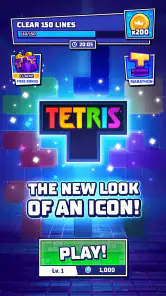
When I first opened the Tetris® app, I was immediately hit with a wave of nostalgia. The familiar geometric shapes, the iconic theme music, and the satisfying sound effects of clearing lines brought back memories of the countless hours I spent playing this game on my old Game Boy. It’s like meeting an old friend who hasn’t aged a day.
Gameplay Experience
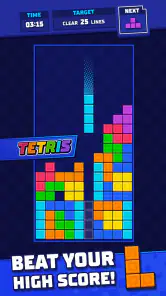
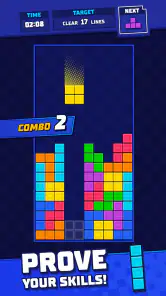
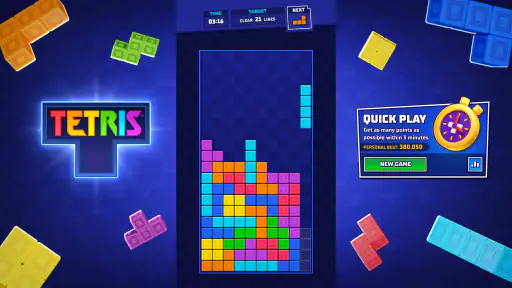
The gameplay is as smooth as ever. The app offers the classic mode, which is exactly how I remember it — simple, challenging, and incredibly addictive. You can easily lose track of time as you try to beat your own high score, which is both a blessing and a curse! The controls are intuitive, making it easy to swipe and rotate the falling tetrominoes. I found myself getting lost in the game, just one more line away from the next level.
Modern Twists
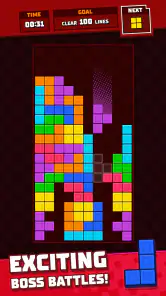
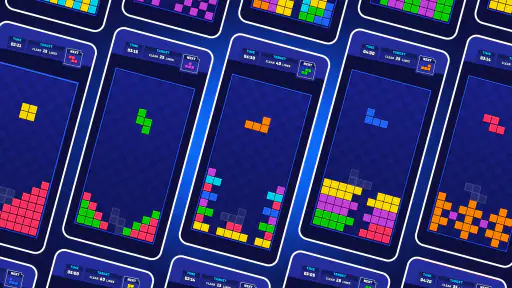
What’s really cool about the app is how it manages to blend the classic Tetris experience with some modern twists. There are new modes that add exciting elements to the game. For example, the “Sprint” mode challenges you to clear 40 lines as fast as you can, while the “Marathon” mode lets you play endlessly to see how far you can go. These new features add a fresh layer of excitement to the game and keep it from feeling outdated.
Visuals and Sound
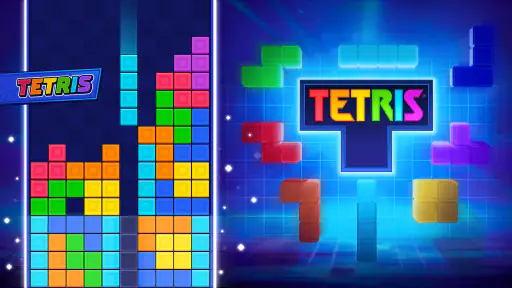
The visuals are crisp and colorful, making the game pleasing to the eye. The app has a sleek design that’s easy to navigate, which I appreciate. The sound effects are just the right amount of nostalgic charm without being overbearing. And yes, the classic Tetris theme song is there, ready to get stuck in your head all over again.
Keeping it in the rotation
The question I ask after the novelty wears off is whether I still have a reason to open it. With a puzzle based on repeatable play, lasting value comes less from a one-time discovery and more from whether I enjoy refining my decisions. I can set a small personal target—keeping the board lower, avoiding a particular kind of gap, or lasting longer than in my last session—without needing a separate checklist. That makes it easier to return for a focused round rather than treating every visit as an attempt to beat a high score.
For month-to-month use, this is strongest as a compact habit, not as a game that continually changes its premise. The familiar rules are the point, and they can remain satisfying when I want a dependable mental warm-up. The downside is that the same board-and-piece rhythm may stop feeling fresh if I need frequent surprises or a sense of progression through new places and characters. I would keep it installed for the puzzle itself, not because I expect it to become a different kind of game over time.
Small habits that make sessions better
One useful way to play is to decide what kind of session I want before opening the game. If I have only a short break, I can focus on careful placements instead of chasing a record; if I have more time, I can settle into a longer attempt. That distinction helps keep the game from swallowing an unplanned stretch of the day. Another practical tip is to notice whether touch input is responding consistently before a serious run. When a placement matters, a hurried swipe can be frustrating, so deliberate gestures are more reliable than trying to move pieces at the last moment.
Sound is part of the appeal, but it is not essential to the puzzle. If I am playing around other people, lowering or muting audio keeps the familiar effects from becoming intrusive while leaving the visual feedback to guide decisions. I also treat a crowded board as a cue to reassess rather than making a string of panicked placements. Those pauses do not change the rules, but they can prevent a preventable mistake and make a session feel more controlled.
What the free download means in practice
The game is free to download, and it is rated for Everyone. PLAYSTUDIOS US, LLC is the developer. Its average score is 4.2 from around 437,000 ratings, and it has passed 10 million installs, so it is clearly a familiar choice for mobile puzzle players. The current version is 7.2.3, and it requires Android 6.0 or later. In-app purchases range from $0.99 to $79.99 per item, so I would check the purchase screen carefully and avoid buying anything unless it clearly matches what I want. The free entry point is useful, but the presence of optional purchases is worth bearing in mind if you prefer games with no spending prompts at all.
One of the practical questions is whether it suits a first-time player. I think it does, because the central puzzle is straightforward to grasp, and the controls do not require a long explanation. The more important question is whether it suits someone who wants to play casually without feeling pressured to improve. It can: there is no need to approach every round competitively. But players who find repeated score-chasing stressful may enjoy it more by setting their own stopping point and treating each session as a small puzzle rather than a test.
Maintenance and reasons to step away
As a lightweight repeat-play choice, it asks for little mental setup: open it, look at the board, and make the next placement. That is a real advantage over games that expect you to remember a quest, manage several systems, or keep up with a continuing plot. The maintenance burden is mainly personal. If I start opening it automatically whenever I have a spare moment, the short sessions can crowd out other breaks. A simple boundary—playing only while waiting or taking a planned pause—helps preserve its value instead of making it background habit.
Its main source of fatigue is also its core strength: the central loop remains recognizable. A run can feel absorbing, but repeated attempts may blur together if I am not interested in improving my own play. It is not the right choice when I want variety from a changing set of puzzle rules, nor when I need a game that can be left unattended without losing the thread. On a small screen, fast decisions can also feel less comfortable if I am tired or trying to play while distracted. In those moments, a slower, turn-based puzzle is a better fit.
The app has been available since January 22, 2020, and the puzzle has enough familiarity that I would recommend trying it to both returning players and people who have never placed these shapes before. I would skip it if my priority were a story-led adventure, a quiet untimed challenge, or a game whose main draw is constant novelty. But if I want a direct, replayable spatial puzzle for short breaks, it earns a place on my phone. For me, its lasting value depends on keeping sessions intentional: play when I want this particular kind of focus, then stop when the next round is no longer genuinely enjoyable.
In conclusion, the Tetris® app is a must-have for both longtime fans of the game and newcomers alike. It captures the essence of the original while offering enough new features to keep things interesting. Whether you’re looking to relive your childhood or just need a fun way to pass the time, this app is definitely worth a download. Just be warned — you may find yourself saying, "Just one more game!" more times than you’d like to admit.
Tetris® Pros and Cons
Pros
- Classic gameplay loved by millions.
- Simple controls make it easy to play.
- Highly addictive and replayable.
- Minimalist design enhances focus.
- Great for improving spatial skills.
Cons
- May feel repetitive over time.
- Limited game modes available.
- No multiplayer options included.
- Ads can be intrusive at times.
- Lacks modern graphics and sound.
Frequently Asked Questions
What platforms is Tetris® available on?
Tetris® is available on multiple platforms, including Android and iOS. This means that whether you have a smartphone or tablet, you can easily download and enjoy the game from the Google Play Store or Apple App Store. Additionally, Tetris® is also available on various gaming consoles and PC, providing a versatile gaming experience for fans across different devices.
Does Tetris® offer multiplayer options?
Yes, Tetris® offers multiplayer options that allow you to compete with friends or other players online. The multiplayer mode adds an exciting dimension to the game, as you can test your skills against others in real-time. This feature is perfect for those looking to enjoy a more competitive and social Tetris® experience, enhancing replayability and engagement.
Are there in-app purchases in Tetris®?
Tetris® includes in-app purchases that can enhance your gaming experience. While the core game is free to download and play, players can purchase additional features, such as power-ups, themes, and other customizations, through the app. These purchases are optional, allowing players to enjoy the full game without spending money if they choose.
What are the main features of Tetris®?
Tetris® offers a range of features that make it a timeless classic. The game includes various modes such as Marathon, Sprint, and Ultra, each with unique challenges. Players can enjoy intuitive touch controls, vibrant graphics, and a global leaderboard to track their progress. The game's simplicity paired with strategic depth ensures an engaging experience for all ages.
Is Tetris® suitable for all ages?
Tetris® is indeed suitable for all ages, offering gameplay that is both simple to understand yet challenging to master. The game promotes critical thinking and quick decision-making, making it an excellent choice for younger audiences to develop cognitive skills. Adults will also appreciate the nostalgic and strategic aspects, ensuring broad appeal across different age groups.


