

Tetris® Block Party
- Reviews
- 4.7
- Version
- 1.2.2
- Installs
- 1,000,000+

Screenshots
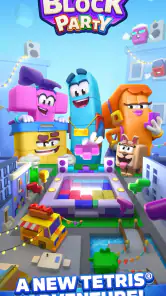
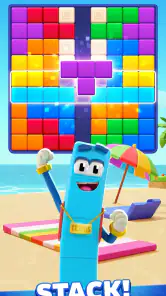
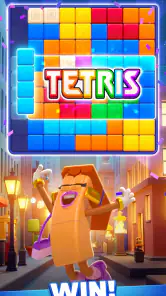
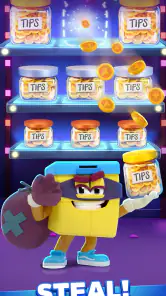
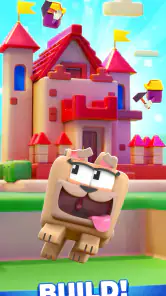

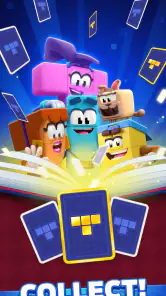
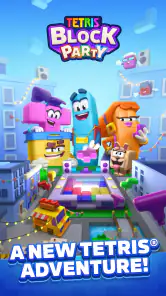
 Analysis by Frivlyz
If you enjoy arranging falling blocks but also care about whether a mobile game is comfortable to read, control, and fit into everyday life, Tetris® Block Party is worth a closer look. I find its familiar puzzle foundation an easy place to start, while its extra activities and social angle make it feel different from a bare-bones version of Tetris. That mix is appealing, though it also means the game may suit some players better than others.
At a glance: a familiar puzzle with extra activity
This is a free puzzle game from PLAYSTUDIOS US, LLC, rated for Everyone. Its average rating is 4.7 from around 42,000 ratings, and it has passed one million installs. The current version is 1.2.2, and the game is listed for Android 7.0 and newer. Those figures suggest a well-established audience, but they do not tell you whether the presentation or pace will work for you; those details are more useful to consider before you settle in.
The central appeal is straightforward: place falling shapes to complete lines, then decide whether you want a simpler classic-style session or the additional challenges associated with the Block Party format. If you are already comfortable with Tetris, you can get moving without learning a complicated set of rules. If you are new, the basic objective is easy to understand, although reacting quickly and planning ahead still take practice.
A familiar puzzle, viewed through comfort and access
When it comes to Tetris® Block Party, the first thing you'll notice is how it maintains the essence of the original game while introducing new elements that keep it exciting. The game still revolves around the familiar concept of fitting together a series of falling blocks, or "tetrominoes," to clear lines. But what's different now? Let's talk about it.
Readability and navigation
One of the first things that caught my eye was the vibrant, colorful graphics that pop on your screen. The developers have done a fantastic job of modernizing the visuals without losing the retro charm. The sound effects are equally nostalgic, yet subtly updated, making the game feel both familiar and fresh.
The music in the background is that classic Tetris tune we all love, but remixed to bring a new energy to the game. It's catchy enough to keep you tapping your feet while you're stacking blocks.
For a block puzzle, visual clarity matters more than decorative polish: you need to distinguish the active piece from what is already on the board and judge where a gap will remain after a placement. I would approach a new session by looking at the play area first, rather than rushing through menus or challenges. That small pause is useful if you are playing on a compact phone or are still learning the shapes, because a quick scan of the board helps you plan instead of relying on last-second corrections.
Gaming Stories You May Enjoy

Dancing Road Turns Short Breaks Into a Test of Rhythm and Timing

Super Stylist Makes Every Outfit a Test of Taste and Patience

Dominoes on Your Terms: Who Should Play and Who Should Pass

Pokémon GO Makes the Familiar World Feel New

Chess.com Turns Rematches Into Rivalries, but Community Has Its Costs

Archery Battle 3D Review: Sharp Aiming, Unclear Feedback
The interface is described as clean and intuitive, which should help players get between the main parts of the game without much effort. Still, a tidy menu does not automatically make every screen equally readable. People who prefer large text, low visual stimulation, or high-contrast displays should take a moment to see how the game looks on their own device. I would not assume that bright colors alone make the board easier to read for every player.
Motor and sensory considerations
Now, onto the meat of the game—the gameplay itself. Tetris® Block Party introduces a few new modes that spice things up. The classic mode is still available for purists who want to relive the original experience. However, the "Block Party" mode is where the game truly shines.
In "Block Party," you're not just clearing lines but also unlocking themed events and challenges. These events introduce special blocks and power-ups that can either make or break your game. It's a fun twist that adds a layer of strategy and keeps you coming back for more.
- Power-Ups: These can help you clear lines faster or even slow down the falling blocks when you're in a tight spot.
- Themed Challenges: Each theme comes with its own set of tasks that, once completed, offer rewards and unlock new themes.
The controls are responsive, which is crucial for a game that requires precision. You can choose between tapping or swiping to rotate and place your tetrominoes, catering to both casual players and seasoned Tetris veterans. Having two input styles is a practical choice: if one gesture feels awkward on your screen, trying the other can help you find a more comfortable rhythm.
I personally found the swipe controls incredibly smooth, allowing for quick movements and strategic placements. No more blaming the controls when you miss that perfect spot!
That speed is also the trade-off. A responsive gesture can make a quick placement feel satisfying, but fast play can be tiring for anyone who has limited hand movement, tremors, or difficulty making repeated precise swipes. I would start with shorter sessions and use whichever control method needs less effort, rather than treating speed as the goal. The option to slow falling blocks through a power-up may offer breathing room in a tight moment, but it should not be mistaken for a setting that changes the pace of every session.
The sound and music add personality, but they may not suit every setting. A quiet waiting room, a shared home, or a commute where you need to hear announcements is a good reason to keep the device’s audio low or off. The visual puzzle remains the point of play, so sound is best treated as an extra rather than something you need in order to follow the board.
Situational access: short sessions, shared play, and choice
I can see this working well as a short break between errands or during a pause in a busy day: open a puzzle, focus on arranging pieces, then stop when you need to move on. The familiar rules make that kind of drop-in play easy to understand. A longer session makes more sense when you want to work through themed tasks or compare results with friends, since those activities give you a reason to stay engaged beyond a single board.
For a realistic everyday example, imagine waiting for a bus with only a few minutes to spare. A straightforward round is likely a better fit than starting an event challenge that you would rather finish without interruption. At home, by contrast, you might choose a challenge when you have time to learn its special blocks and think through how a power-up changes your next move. Matching the activity to the time available is a useful way to enjoy the game without feeling pulled into a longer session than you wanted.
Compared with a minimalist block-puzzle alternative, this game offers more than arranging pieces: themed events, power-ups, and competition give returning players extra goals. The other side is additional activity and choice to navigate. If all you want is an uncluttered way to play the familiar puzzle, a simpler Tetris-style game may be a better match. If you enjoy having challenges to return to and people to compare results with, the added layers here are more likely to matter.
There is also a useful planning habit for challenge play: learn the objective before using a power-up. A tool that helps clear lines or slows the pieces can be valuable when the board is difficult, but using it too early may leave you without that assistance when you need it most. I would treat power-ups as a response to a particular problem, not as an automatic part of every round. That keeps the basic placement puzzle at the centre and helps you judge whether a challenge is asking for careful stacking or a faster recovery.
Social play and personal boundaries
Tetris® Block Party also brings a social element into the mix. You can connect with friends, compete on leaderboards, and even participate in global tournaments. The competitive aspect adds a new layer of excitement, pushing you to improve your skills and climb up the ranks.
There’s nothing quite like the thrill of seeing your name rise on the leaderboard, or the satisfaction of outscoring your buddies in a friendly rivalry.
That social layer is a bonus rather than a requirement for enjoying the basic puzzle. If you do not want competition, you can focus on solo play and leave the leaderboard side alone. If you do like a friendly contest, comparing results can give each session a clear purpose. I would keep expectations grounded, though: players who dislike scores, rankings, or the pressure to improve may find the competitive framing distracting rather than motivating.
Cost, remaining barriers, and who should skip it
The game is free to download, which is always a plus. However, it does offer in-app purchases. These range from cosmetic upgrades to helpful power-ups. While you can enjoy the game without spending a dime, these purchases might tempt you if you're looking to enhance your experience or speed up your progress.
But hey, who doesn’t love a little customization? If you want your blocks to look extra snazzy, the option is there.
Purchases range from $0.99 to $299.99 per item, so I would check the purchase prompt carefully and decide in advance whether you want to spend anything. Free-to-play does not mean every optional offer will feel equally modest, and a cosmetic change or a power-up is not essential to the core act of fitting pieces together. If you are setting up the game for a child, it is sensible to discuss purchases and use the device’s usual purchase controls before handing it over.
There are a few real reasons to choose another puzzle. If you need a deliberately slow, low-pressure game, fast falling pieces and precision gestures may be frustrating even when the familiar rules are appealing. If you rely on particular accessibility options such as adjustable text, simplified input, or extensive sensory controls, check the experience on your own device before committing; I would not want to promise options that I cannot establish. A plain, offline-feeling block puzzle may also suit you better if social competition and themed activities are clutter rather than motivation.
For many players, the most comfortable way in is to try the basic play first, settle on tapping or swiping, and then decide whether the themed challenges add something enjoyable. That sequence avoids taking on extra objectives before you know how the controls feel. It also makes it easier to tell whether a difficult round comes from the puzzle itself, the pace, or the input method—a useful distinction if you are deciding whether to keep playing.
My inclusive verdict
In conclusion, Tetris® Block Party is a delightful update to a timeless classic. It manages to keep the core elements that made Tetris a global phenomenon while adding new features that make it relevant in today's gaming world. Whether you're a long-time fan or a newcomer to the series, this app offers something for everyone. So, why not give it a try? You might just find yourself hooked all over again.
My recommendation is more specific: try it if you like the familiar line-clearing puzzle and want extra goals, optional competition, and a free starting point. It is a particularly natural fit for fans who enjoy learning a challenge’s rules and improving a score over time. I would skip it in favor of a simpler or slower alternative if quick reactions, repeated gestures, bright presentation, or competitive features are likely to make play uncomfortable.
Accessibility here is best judged through your own experience rather than assumed from the game’s broad appeal. The familiar puzzle and choice of tap or swipe controls may make the first steps approachable, while speed, sensory presentation, and purchase prompts can still create friction. If those trade-offs fit your needs, this is an engaging way to return to block-stacking; if they do not, choosing a calmer or more adjustable puzzle is a sensible call.
Tetris® Block Party Pros and Cons
Pros
- Intuitive controls enhance user experience.
- Variety of levels keeps gameplay exciting.
- Minimalist design reduces distractions.
- Regular updates add new features.
- Offline mode available for travel.
Cons
- In-app purchases can be frequent.
- Ads interrupt gameplay occasionally.
- No multiplayer mode available.
- Limited customization options.
- Requires internet for full features.
Frequently Asked Questions
What is Tetris® Block Party and how does it differ from classic Tetris?
Tetris® Block Party is a modern take on the classic Tetris game, featuring enhanced graphics, new gameplay modes, and social features. Unlike the traditional version, Block Party allows players to engage in multiplayer battles, participate in themed events, and customize their gaming experience with unique skins and backgrounds.
Is Tetris® Block Party available for both Android and iOS devices?
Yes, Tetris® Block Party is available for download on both Android and iOS platforms. Users can find the app on the Google Play Store and Apple App Store, ensuring compatibility with a wide range of smartphones and tablets. Regular updates are provided to enhance performance and introduce new features.
Does Tetris® Block Party require an internet connection to play?
While Tetris® Block Party offers offline gameplay for its classic mode, many features such as multiplayer battles, leaderboards, and events require an internet connection. Players are encouraged to connect online to fully enjoy the social and competitive aspects of the game.
Are there any in-app purchases in Tetris® Block Party?
Tetris® Block Party includes in-app purchases that allow players to buy coins, power-ups, and customization options. While the game is free to download and play, these purchases can enhance the gaming experience by unlocking additional content and features. Players can choose to spend or enjoy the game without any purchases.
What age group is Tetris® Block Party suitable for?
Tetris® Block Party is suitable for players of all ages, thanks to its simple yet challenging gameplay. The game is rated for everyone, making it a family-friendly option. However, parents should be aware of in-app purchases if the game is being used by younger children.


