

Terraria
- Reviews
- 4.6
- Version
- 1.4.4.9.6
- Installs
- 5,000,000+

Screenshots
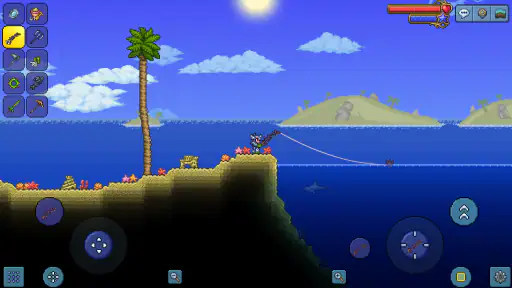
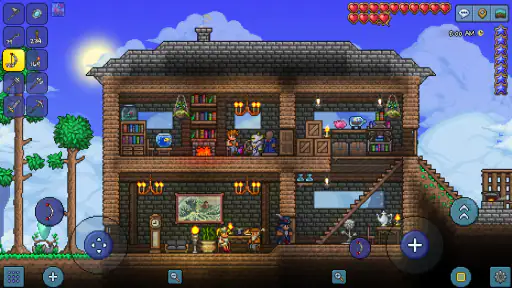
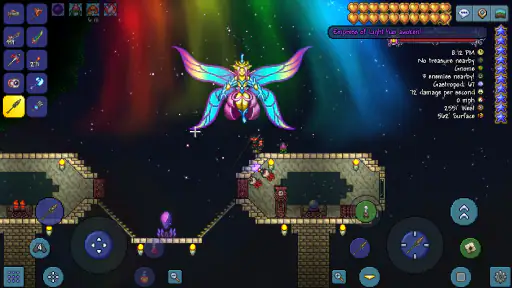
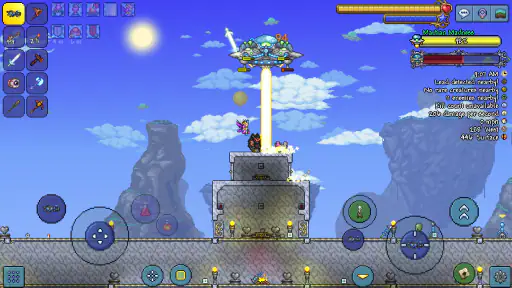
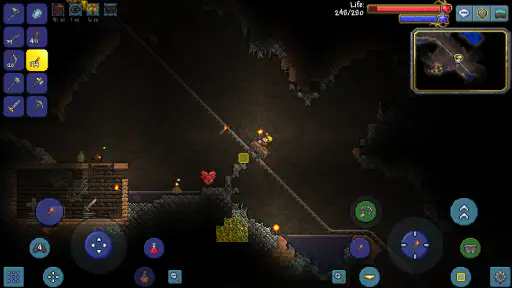
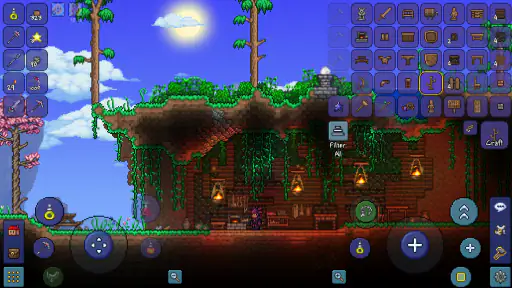
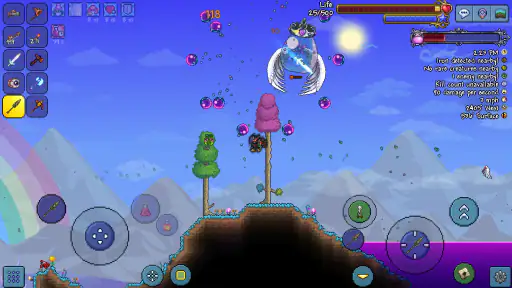
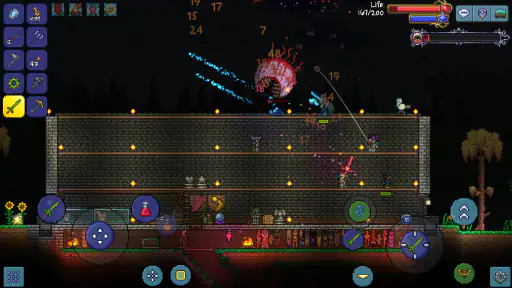
 Analysis by Frivlyz
I came to Terraria expecting a straightforward adventure, but its appeal is how quickly a small plan can turn into a whole evening of exploring, gathering and building. It’s a 2D adventure game from 505 Games Srl, and its pixel-art world may look simple at first; beneath that style is a flexible sandbox where progress comes from curiosity as much as combat. The game costs $4.99, has a Teen age rating, and its 4.6 average from around 390,000 ratings suggests it has found a lasting audience. I’d recommend it most to players who enjoy setting their own goals rather than being led from one fixed mission to the next.
A World of Endless Possibilities
When you first step into Terraria, you'll find yourself in a randomly generated 2D world that is teeming with opportunities. Whether you're digging deep into the earth or building a fortress in the sky, the game offers an incredible amount of freedom. The pixelated graphics give it a charming, retro feel, and the day-night cycle keeps you on your toes as different creatures come out at night. Trust me, you don't want to be caught outside when darkness falls!
What to expect from the first stretch
The opening can feel unusually open if you’re used to adventure games that immediately point out a destination. Here, I find it more useful to treat the first session as a gentle survey: learn how movement and tools feel, collect a few materials, and notice what changes when you move from the surface into caves. You don’t need to understand every crafting possibility before you begin. A modest shelter and a better sense of the nearby terrain are meaningful early wins.
That freedom is also the main trade-off. If you want a tightly scripted story, clear quest markers and a steady sequence of cinematic events, this may feel loose. Compared with more linear action-adventure games, Terraria expects you to create your own short-term aims. Compared with a purely building-focused sandbox, it adds pressure through enemies, exploration and combat. I enjoy that combination, though it does mean the game is at its best when I’m happy to experiment and occasionally look up a hint.
Build, Dig, and Fight
One of the coolest aspects of Terraria is the crafting system. You can gather resources from the environment to create weapons, armor, and even entire villages. The crafting menu is intuitive, but there’s a lot to explore, so be prepared to spend some time figuring out the best combinations. And speaking of combinations, the game has an impressive array of enemies and bosses to battle. Each encounter requires a bit of strategy, so you’ll need to think on your feet and use your resources wisely.
For a reassuring first success, I’d focus on making one useful improvement rather than trying to master the whole crafting menu. Gather what is readily available, return to a safe spot before night becomes a problem, and see what the available materials let you make. That loop—explore a little, bring something back, then turn it into a practical advantage—is the game’s most approachable rhythm. It also gives you a reason to notice the world instead of treating every patch of ground as scenery.
One small habit pays off: keep track of where you leave useful objects and make your home base easy to recognize. When the world opens up, an orderly storage area can save you from repeatedly searching through piles of items just to find a material you already collected. I also recommend changing only one part of your plan at a time. If you head out to explore, gather and fight all at once without a clear priority, it is easy for a short trip to become a confusing inventory-management chore.
Gaming Stories You May Enjoy

Dancing Road Turns Short Breaks Into a Test of Rhythm and Timing

Super Stylist Makes Every Outfit a Test of Taste and Patience

Dominoes on Your Terms: Who Should Play and Who Should Pass

Pokémon GO Makes the Familiar World Feel New

Chess.com Turns Rematches Into Rivalries, but Community Has Its Costs

Archery Battle 3D Review: Sharp Aiming, Unclear Feedback
When the game gets confusing
New players often mistake the lack of constant direction for a lack of things to do. I’d give yourself a simple question before each outing: am I looking for a resource, checking a new area, or preparing for a fight? That tiny bit of intent makes a surprisingly large difference. If progress stalls, inspect what you have gathered and revisit crafting options rather than assuming you have missed a major story instruction. The game rewards noticing connections between materials, tools and places.
Combat can also be a rough introduction if you wander too far before you have improved your equipment or found a safe route home. I don’t treat an early setback as a sign that the game is unfair; I treat it as useful information about where I’m ready to explore. A cautious player can make shorter trips, return to shelter, and build up gradually. Someone who wants immediate, polished combat encounters with little preparation may prefer a more focused action game instead.
Multiplayer Mayhem
If you’re someone who enjoys gaming with friends, then the multiplayer mode in Terraria is a must-try. You can team up with others to take on tougher challenges and share resources, making the experience even more exciting. There's something special about building and defending your world with a group of friends, and it adds a whole new layer of fun to the game.
For a group, I find it helps to agree on a loose division of effort: one person can explore, another can improve the shared base, and someone else can focus on supplies. That keeps everyone involved without turning the session into a race to grab every resource. It is also a good fit for friends who enjoy talking through plans and discoveries. If your group prefers perfectly synchronized, quick matches with a clear winner, this open-ended cooperative style may not scratch the same itch.
Making it fit an ordinary day
On a busy evening, I’d start with a small goal that can be paused naturally: gather materials near home, tidy a storage area, or scout one nearby route. A longer stretch is better reserved for pushing into unfamiliar territory or taking on a serious fight, since those plans can branch into more exploring and preparation. That distinction makes the game easier to fit around real life. You can enjoy a useful short session without pretending every visit needs to produce a dramatic milestone.
It is also worth thinking about how you like to play on a phone or tablet. The game asks you to move, aim, interact and manage items while the world keeps changing, so getting comfortable with the controls is part of the first session. I’d take a few minutes somewhere safe to test the actions you use most before exploring far. Players who strongly prefer a mouse and keyboard or precise physical controls may find a dedicated console or computer version more comfortable, while the mobile release is appealing when convenience matters more.
Who should choose this adventure
I’d point beginners toward it if they enjoy discovery, tinkering and learning by doing. It is especially satisfying for people who like seeing a rough shelter become a useful base, or who enjoy returning from a risky trip with materials that make the next one easier. The game has reached more than five million installs, and its current mobile version is 1.4.4.9.6; it supports Android 6.0 and later. Those details make it straightforward to judge whether the mobile edition fits your device, but the bigger question is whether its open-ended pace suits you.
I would steer away anyone who dislikes pixel art, wants a guided plot above all else, or gets frustrated when a game asks them to experiment instead of spelling out every next step. It is not a casual one-button diversion, even if you can choose a modest task for a short visit. Its strongest moments come from carrying a plan into the world, adapting when conditions change, and gradually turning discoveries into better preparation. If that sounds rewarding rather than demanding, the learning curve is part of the pleasure.
Why It’s Worth Your Time
So, why should you give Terraria a go? Well, it's one of those games that you can sink hours into without even realizing it. The blend of exploration, crafting, and combat keeps things fresh and exciting. Plus, the community around the game is incredibly supportive, with tons of guides and forums to help you out if you get stuck. It's a game that doesn't just entertain—it immerses you in a world of endless adventure.
My practical advice is to use outside guides as a nudge, not as a checklist. If you search for every answer before trying anything, you can turn discovery into chores; if you are genuinely stuck, a focused hint can get you moving again without spoiling the whole experience. That balance suits the design: there is room to learn from your own mistakes, but you do not have to stay frustrated when a particular crafting choice or unexplored direction has you stalled.
The game comes from 505 Games Srl and has 64,000 reviews, while its Teen rating is worth checking if you are choosing a game for a younger player. At $4.99, I’d think of it as a purchase for someone who expects to return to the same world and develop it over time, rather than someone looking for a brief story that ends after a few sessions. The 4.6 average is reassuring, but personal fit matters more: patience with exploration and a taste for self-directed goals will do more to determine whether it clicks for you.
In conclusion, Terraria is a gem of a game that offers something for everyone. Whether you’re a seasoned gamer or someone new to the world of sandbox games, it's well worth checking out. So grab your pickaxe and get ready to explore, because adventure awaits!
For a first run, I’d keep the promise small: make a safe place, learn what your nearby landscape offers, and finish with one improvement you can feel on the next trip. That first useful loop is a better measure of whether the game suits you than trying to see everything at once. If you enjoy having room to set your own direction, I think you’ll find plenty to come back to; if you need every step planned for you, another adventure may be a better companion.
Terraria Pros and Cons
Pros
- Rich and immersive gameplay experience.
- Extensive crafting and building options.
- Regular updates with new content.
- Supports multiplayer mode.
- Challenging bosses and enemies.
Cons
- Steep learning curve for new players.
- Complex crafting system can be overwhelming.
- Limited guidance for quests.
- Graphics may seem outdated to some.
- Can be time-consuming to progress.
This Game in Other Languages
Frequently Asked Questions
What is Terraria and how does it differ from other sandbox games?
Terraria is a 2D sandbox game that combines elements of building, exploration, and combat. Unlike 3D sandbox games like Minecraft, Terraria is set in a pixelated 2D world where players can dig, fight, explore, and build their way through a procedurally generated environment. The game offers a unique blend of action-packed adventure and creative freedom, allowing players to craft items, battle various enemies, and uncover hidden treasures as they progress.
What platforms is Terraria available on and is there cross-platform play?
Terraria is available on a wide range of platforms, including PC, PlayStation, Xbox, Nintendo Switch, and mobile devices like Android and iOS. However, cross-platform play is limited. While PC players can engage with others on different PC platforms, including Steam and GOG, console and mobile versions have restrictions regarding cross-play. It's important to check the specific platform for compatibility if you plan to play with friends across different devices.
Does Terraria support multiplayer, and how can I play with friends?
Yes, Terraria supports multiplayer, allowing players to join together in the same world. You can host a game on your device and invite friends via IP address or use a dedicated server for a more stable experience. On consoles, you can join friends through the platform's native multiplayer services. For mobile devices, multiplayer is available through local Wi-Fi or online servers, depending on the game version. Always ensure you are using the same version of the game as your friends to avoid compatibility issues.
What are the main objectives in Terraria, and is there an end to the game?
Terraria does not have a fixed storyline or an official end, offering players endless ways to play and create. The primary objectives include exploring the vast world, mining resources, crafting items, and defeating bosses to progress and unlock new content. While there are numerous events and bosses to conquer, players are encouraged to set their own goals, whether it's building complex structures, creating art within the game, or achieving specific in-game milestones, making it a game where creativity knows no bounds.
Is Terraria suitable for children, and does it contain any in-game purchases?
Terraria is generally suitable for children, featuring cartoon-like violence and fantasy themes. It's rated for ages 10 and up due to mild violence and some fantasy elements. As for in-game purchases, the mobile version of Terraria does include some optional in-app purchases, mainly for cosmetic items. However, the core game experience is fully accessible without spending extra money, and the game does not use aggressive monetization strategies, making it a relatively safe choice for younger players.


