

Sweet Baby Girl Cleanup 5
- Reviews
- 3.7
- Version
- 7.0.30273
- Installs
- 50,000,000+

Screenshots

 Analysis by Frivlyz
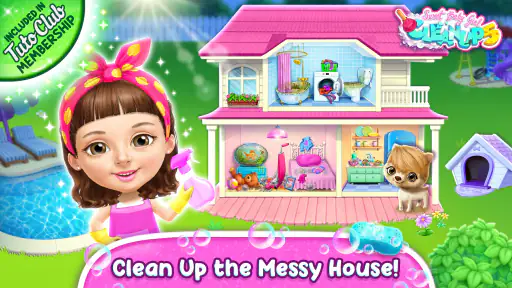
When a child wants screen time but I would rather choose something gentler than a fast-paced action game, I look for activities with a clear, satisfying purpose. Sweet Baby Girl Cleanup 5 takes that route: it turns everyday tidying into a playful sequence of tasks, with cute characters and a cheerful tone. I see it as a small, supervised activity rather than a substitute for real chores or a deep educational course, but that modest role can suit a young player well.
What the game offers now
This is a free educational game from TutoTOONS, rated for Everyone, and it has been available since July 3, 2017. Its current version is 7.0.30273, and it works on devices running Android 6.0 or later. The game has a 3.7 average from around 85,000 ratings, with roughly 2,300 written reviews and over 50 million installs. Those figures suggest it has reached a broad audience, though popularity alone cannot tell me whether its style will click with every child.
The basic appeal is easy to understand: children get to interact with a pretend world where cleaning is the activity, not a scolding or a chore imposed on them. That makes it a possible choice for a short play break, a quiet moment while a meal is being prepared, or a first introduction to the idea that rooms and objects need care. I would set expectations clearly: tapping through a game can make tidying feel familiar, but it does not guarantee that a child will happily clean their own bedroom afterward.
How the tasks can work for a child
In play, the most useful way to approach a cleanup game is to treat each task as a small sequence: notice what is out of place, choose an action, and see the scene become tidier. That simple rhythm can help a child stay focused without needing to read lengthy instructions. I would let a younger player try a task independently first, then ask them to explain what they did; for an older child, it can be more engaging to connect the in-game activity with a real-world habit, such as putting toys back in one basket.
It also gives a parent an easy opportunity to talk about sorting rather than just making a mess disappear. If a child encounters laundry, toys, or recycling in play, I would ask where similar things belong at home and let them make the choice. The game is most useful as a prompt for that conversation, not as proof that the child has learned a household routine. A quick follow-up away from the screen makes the pretend task more meaningful.
Cost, fit, and trade-offs
There is no purchase price to start, but the game includes optional in-app purchases ranging from $1.49 to $159.99 per item. That broad range is worth keeping in mind if a child can access the purchase flow. I recommend checking the device’s purchase controls before handing it over, and agreeing on a simple rule in advance: play does not mean buying extras. A free download is convenient, but it should not be mistaken for a promise that every optional item is free.
For a child who enjoys cute characters, straightforward interactions, and pretend household activities, this is a reasonable fit. I would look elsewhere for a game built around deeper puzzles, open-ended creative tools, or structured lessons with clear progress goals. Compared with a basic coloring app, this offers more of a task-based pretend-play frame; compared with a dedicated learning program, it is lighter and less focused on measurable instruction. The best choice depends on whether the child wants to act out chores or practise a particular skill.
Gaming Stories You May Enjoy

Dancing Road Turns Short Breaks Into a Test of Rhythm and Timing

Super Stylist Makes Every Outfit a Test of Taste and Patience

Dominoes on Your Terms: Who Should Play and Who Should Pass

Pokémon GO Makes the Familiar World Feel New

Chess.com Turns Rematches Into Rivalries, but Community Has Its Costs

Archery Battle 3D Review: Sharp Aiming, Unclear Feedback
A Whirlwind of Fun Cleaning Adventures
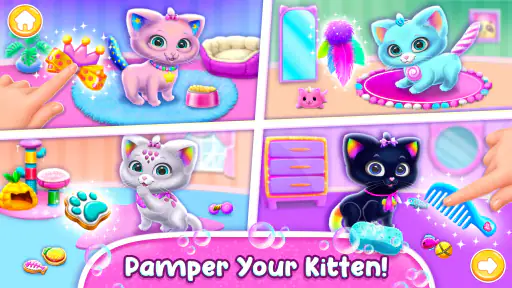
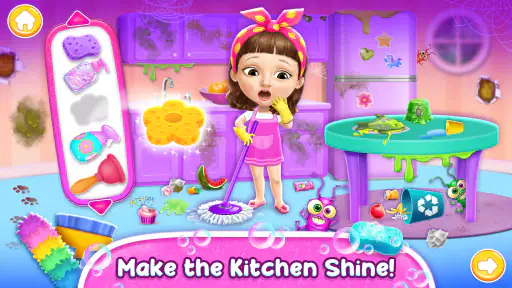
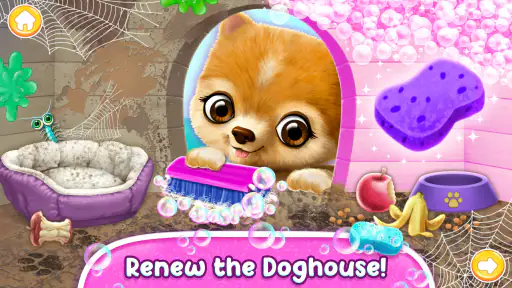
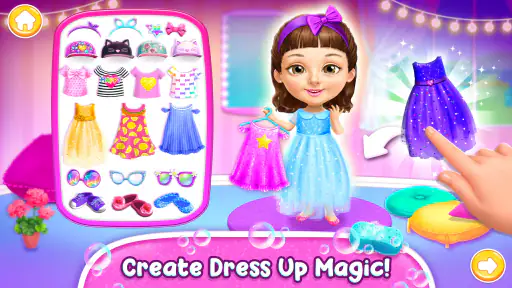
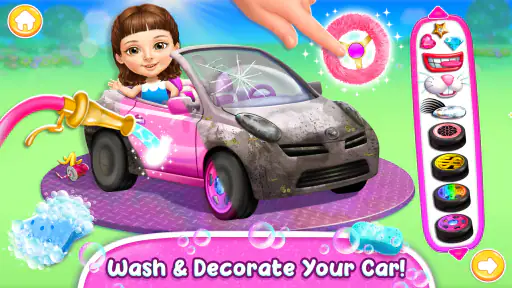
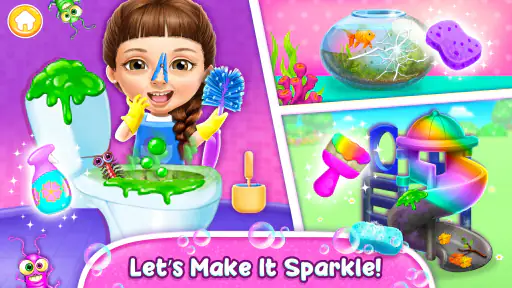
When you first open Sweet Baby Girl Cleanup 5, you're greeted with a charming interface full of vibrant colors and cheerful characters. The app takes you through a series of mini-games, each designed to tackle a specific cleaning task. From tidying up the living room to washing cars and even rescuing cute animals from the trash, there's no shortage of activities to keep the little ones engaged.
Interactive and Educational
One of the standout features of this app is its ability to make cleaning seem like a game rather than a chore. The developers have done a fantastic job of integrating educational elements into each task. Children learn about sorting laundry, organizing toys, and even recycling, all while having a blast. It's a great way to instill good habits early on.
The app also includes a reward system that encourages children to complete tasks. This element adds a layer of motivation, as kids can earn stars and unlock new items to customize their cleaning tools and environment. Let’s be honest, who doesn’t love a little bit of customization?
Graphics and Sound
The graphics in Sweet Baby Girl Cleanup 5 are nothing short of adorable. Each character and environment is designed with attention to detail, making the game visually appealing to its young audience. The sound effects and background music are equally engaging, adding to the overall enjoyable experience. It’s like stepping into a whimsical world where cleaning is actually fun!
Moreover, the app runs smoothly without any noticeable glitches or lag, which is crucial for maintaining a child's attention span. The user interface is intuitive enough for kids to navigate on their own, which is a huge plus for parents who might want a moment of peace.
What I would keep in mind
The older release date makes it sensible to think of this as an established game, not assume that every detail reflects a recently redesigned experience. The version number tells me there have been iterations, but it does not by itself explain which activities or systems changed over time. For a returning player, the practical question is whether the familiar cleanup loop still feels enjoyable; for a new player, it is better to judge the game by the tasks and presentation available on the device today.
That distinction matters because children can enjoy the same simple interaction for different reasons. One may like seeing a messy scene become orderly, while another may stay for the characters or the rewards. If a child loses interest once a task is familiar, I would not try to stretch the session: switch to drawing, a story, or a real hands-on activity instead. A short game that ends on a positive note is more useful than treating every unlock as a reason to keep playing.
A practical way to fit it into the day
Imagine a rainy afternoon when dinner is still being made and a child wants something to do nearby. I would offer one or two cleanup activities, sit close enough to help if the controls are confusing, and then use the transition away from the screen to give them a tiny real task, such as returning a few toys to their box. That keeps the game from becoming a promise that chores will suddenly feel effortless. It also gives the child a clear stopping point instead of leaving the session open-ended.
For a preschool-age child who is still learning to follow simple actions, playing together can be more rewarding than handing over the device and walking away. I can name objects, ask what should happen next, and praise the choice rather than the speed. A child who already handles routine chores confidently may find the pretend version too easy, while a child who dislikes cartoon-style play may not connect with it at all. In those cases, a real sorting activity or a different kind of game is likely a better use of their time.
What it does better than nearby options
Against a generic match-and-tap game, the cleanup theme gives adults a natural conversation starter about caring for shared spaces. Against a real chore chart, it is more playful and requires no household setup, but it also lacks the tangible responsibility of putting away actual belongings. I would choose it when the goal is light role-play and a gentle nudge toward discussing routines, not when I need a child to practise a specific skill or complete a practical task.
One small approach that helps is to let the child narrate the sequence instead of taking over the screen: “What looks out of place?” followed by “Where should it go?” This shifts attention from simply tapping until the scene changes to thinking about the action. Another useful boundary is to agree on a stopping point before play begins, such as finishing a chosen activity, rather than using purchases or unlocks as the reason to continue. Those choices make the game easier to fit into family routines without turning it into a bargaining tool.
Where the experience has limits
The main trade-off is that a cheerful presentation and a cleaning theme do not automatically make every activity educational in a lasting way. Children can enjoy the visual feedback without remembering a real-world routine, so I would pair play with conversation or practical participation when that is the goal. Likewise, the reward loop may appeal to some children and distract others from the task itself. If a child becomes focused only on earning the next item, I would pause and decide whether the game is still serving the kind of play I wanted.
Parents may also wonder whether it is suitable for a child to use alone, whether it teaches genuine household skills, or whether they need to pay to begin. I would treat independent play as a matter of the child’s age and comfort with the device, rather than assume every young player will navigate everything without help. The game can introduce ideas such as sorting and tidying, but it is not a replacement for practising them. The free starting point lowers the barrier to trying it, while optional purchases make device-level spending safeguards a sensible precaution.
Who I would recommend it to
I would suggest giving it a try if a child enjoys friendly characters and likes seeing a messy scene become orderly. It can work well as a brief shared activity, especially when an adult uses the play to talk about where objects belong. I would skip it for a child looking for a more demanding challenge, a structured curriculum, or open-ended creation; a puzzle game, a dedicated learning app, or hands-on play would serve those needs better. The game’s Everyone rating makes its intended audience broad, but a parent still knows best whether its style suits a particular child.
The current 7.0.30273 version is the clearest reference point for someone deciding what to install now, while the July 2017 release date provides context for its long-running presence. I would watch for future changes that affect the actual task variety, ease of navigation, or purchase experience, rather than assuming that a higher version number alone means the game has become more educational. For now, its strongest case is simple: a light, cheerful way to turn pretend cleaning into a few minutes of play, with an adult nearby to connect it to life beyond the screen.
Final Thoughts
In conclusion, Sweet Baby Girl Cleanup 5 is a delightful app that combines fun and learning in a way that’s both engaging and educational. It’s perfect for parents looking to introduce their children to the concept of cleaning and organizing in a fun and interactive manner. Whether your child is tackling a dirty kitchen or rescuing animals, they're sure to be entertained. Grab your mop and bucket, and let’s clean up the virtual world, one room at a time!
Sweet Baby Girl Cleanup 5 Pros and Cons
Pros
- Engaging activities for kids
- Colorful and vibrant graphics
- Easy-to-use interface
- Variety of cleaning tasks
- Educational value for children
Cons
- Limited free content
- Contains ads
- In-app purchases required
- Requires internet connection
- Repetitive gameplay for older kids
Frequently Asked Questions
What is Sweet Baby Girl Cleanup 5 about?
Sweet Baby Girl Cleanup 5 is an interactive educational game designed for kids. It encourages them to learn about responsibility and cleanliness through engaging gameplay where players help a sweet baby girl tidy up various rooms and areas. The game offers a fun way for children to understand the importance of cleaning and organizing while enjoying colorful graphics and interactive challenges.
Is Sweet Baby Girl Cleanup 5 suitable for all ages?
Sweet Baby Girl Cleanup 5 is primarily designed for young children, typically ages 3 to 8. Its simple controls, bright visuals, and friendly characters make it easy and enjoyable for this age group. However, parents should always supervise their children's gaming activities to ensure the content aligns with their educational and entertainment values.
Does Sweet Baby Girl Cleanup 5 require an internet connection?
No, Sweet Baby Girl Cleanup 5 can be played offline. This makes it an excellent choice for parents looking for educational games that their children can enjoy without an internet connection, whether on the go or at home. However, some features or updates might require internet access occasionally.
Are there in-app purchases in Sweet Baby Girl Cleanup 5?
Yes, Sweet Baby Girl Cleanup 5 offers in-app purchases. These purchases often include additional features, content, or cosmetic items that enhance the gameplay experience. Parents should be aware of this and may want to set up parental controls or password-protected purchasing to prevent accidental purchases by children.
What platforms is Sweet Baby Girl Cleanup 5 available on?
Sweet Baby Girl Cleanup 5 is available on both Android and iOS platforms. This allows a wide range of users to download and enjoy the game on their smartphones or tablets, providing flexibility and accessibility for different devices. Make sure your device meets the app's system requirements for optimal performance.


