

Supremacy 1914 - WW1 Strategy
- Reviews
- 4.5
- Version
- 0.210
- Installs
- 10,000,000+

Screenshots


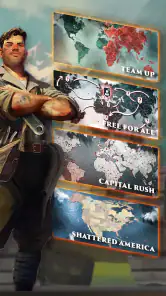
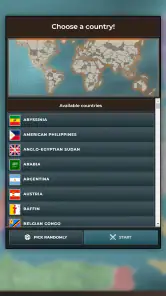
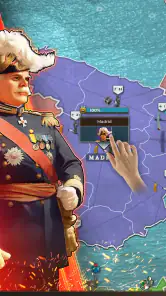
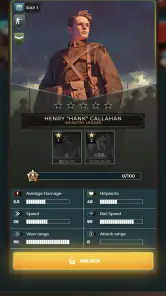
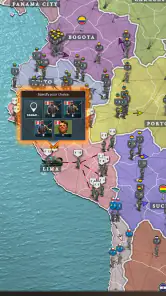
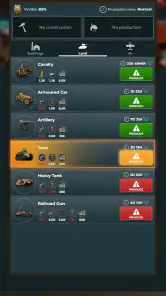
 Analysis by Frivlyz
My first move in Supremacy 1914 is rarely a dramatic attack. I start by looking over the map, working out which borders need attention and what my country can afford to do. That quiet opening is a good preview of the game: this is a mobile strategy game about planning and patience, not a series of quick battles. Made by Bytro Labs, it places multiplayer World War I conflicts at the center of play, where choices about troops, resources, and diplomacy gradually shape a campaign.
That pace is the main reason I would recommend it to some players and steer others elsewhere. A short check-in can matter, but it does not turn a long campaign into a quick match; plans take time to develop, and other people have their own agendas. I enjoy the feeling that a decision made now can change what the map looks like later. If you want constant action or a clean win in a single sitting, though, this may feel more like a commitment than a convenient distraction.
From the opening move to the next campaign
I like to begin this kind of campaign by treating the map as a set of questions, not a checklist of places to conquer: which border is exposed, what can my economy support, and where might another player upset the plan? That first pause makes the choices feel deliberate rather than reactive. From there, the appeal is in watching those decisions produce consequences over time.
Reading the map before committing
Once you fire up Supremacy 1914, you are immediately transported back to the early 20th century, right in the middle of World War I. The game’s immersive experience is bolstered by its detailed maps and historical accuracy. You get to choose from several countries, each with its own strengths and weaknesses, and it's up to you to lead your nation to victory. The game isn't just about conquering territories; it’s about making alliances, managing resources, and outsmarting opponents. It’s like playing chess on a global scale, and trust me, the stakes feel high.
Decisions that keep paying off
What I love about this game is how it challenges you to think several steps ahead. It's not just about having the largest army but also knowing when and where to deploy your troops. The diplomatic aspect is equally important, as forming alliances can be crucial to your success. You’ll find yourself in intense negotiations with other players, and sometimes, the best strategy is to keep your friends close and your enemies closer. The game encourages you to be both a diplomat and a warrior, and it’s this duality that keeps the game fresh and exciting.
Resource management is another critical component. You have to build and upgrade facilities, train troops, and ensure your economy can support your war efforts. Balancing all these elements can be tricky, but it’s incredibly satisfying when you get it right. The game is designed to be played over several weeks, so it’s perfect for those who enjoy long-term strategy and seeing their plans come to fruition slowly.
For a more useful check-in, I try to give each visit a purpose: assess a threatened border, review whether my economy can support the next move, then choose one priority rather than changing everything at once. This is a practical way to keep a sprawling campaign legible on a phone. It also limits a common strategic mistake: committing resources to a new front before noticing that existing plans already depend on them. The feedback is gradual, so I judge an action by whether it improves my position over time, not by expecting an instant reward.
Gaming Stories You May Enjoy

Dancing Road Turns Short Breaks Into a Test of Rhythm and Timing

Super Stylist Makes Every Outfit a Test of Taste and Patience

Dominoes on Your Terms: Who Should Play and Who Should Pass

Pokémon GO Makes the Familiar World Feel New

Chess.com Turns Rematches Into Rivalries, but Community Has Its Costs

Archery Battle 3D Review: Sharp Aiming, Unclear Feedback
Diplomacy, rivals, and the social cost
One of the standout features of Supremacy 1914 is its vibrant community. The multiplayer aspect of the game brings together strategy enthusiasts from all over the world. Engaging with other players, sharing strategies, and competing in global rankings adds a layer of excitement that single-player games often lack. The developers also frequently update the game with new features and events, ensuring that there’s always something new to experience.
Multiplayer is also where a sensible plan can meet an unpredictable human decision. An agreement may make one border safer, but it does not remove the need to watch the wider situation or consider what happens if another player changes course. I find that diplomacy works best when it supports a military plan rather than replacing one. If you prefer not to negotiate or adapt to other people, the social competition may be the least appealing part of the experience; players who enjoy reading intentions and making careful deals will get more from it.
A campaign that fits around real life
A realistic routine might be to check the map during a break, make one considered adjustment, and return later to see whether the situation has changed. That suits someone who likes having a strategy project running in the background, without needing to play continuously. It is less suitable for a commute where you want a complete round before your stop, or for an evening when you want a fast, self-contained challenge. The long horizon is part of the appeal, but it also means that starting a campaign is a decision to stay engaged with a developing situation.
The reward is not just taking territory. It is seeing a chain of choices hold together: resources support the plan, troop movements cover the risks, and diplomacy buys room to act. A setback can be useful feedback too, because it gives me a reason to reconsider whether I spread myself too thin or trusted a border to remain quiet. That reflective rhythm is more satisfying to me than a quick win, though it will not suit anyone who needs frequent, obvious victories to stay interested.
Where it sits among strategy games
Compared with the usual mobile strategy alternatives built around quick rounds or repeated short battles, this game asks for a broader view and more patience. Its appeal is the combination of a large historical map, resource decisions, and diplomacy with human opponents; the trade-off is that progress does not arrive on demand. A compact tactical game is the better pick when I want immediate action and a clear endpoint. I choose this one when I want to think through consequences and return to the same unfolding campaign.
Newcomers should resist treating every neighboring country as an invitation to expand. I find it more useful to identify the most vulnerable boundary first, then weigh any growth against the cost of defending it. Likewise, before committing to a new military effort, I check whether the economy can sustain the attention and resources it will demand. These are not flashy tricks, but they help turn the game’s many moving parts into a sequence of manageable decisions. The deeper lesson is to leave room for other players to surprise you rather than building a plan that only works if everyone behaves as expected.
Learning curve, cost, and practical fit
The game is free to play, with in-app purchases priced from $0.99 to $399.99 per item. I would not treat spending as a substitute for learning the map, managing resources, and choosing when to negotiate; the strategic appeal comes from weighing those decisions, not simply from making them faster. If you are comfortable with optional purchases in a free game, that arrangement may be fine. If you would rather avoid in-app spending altogether, check your own comfort level before committing to a long campaign.
It is rated Everyone 10+, and it has a 4.5 average from around 240,000 ratings, with more than 10 million installs. Those figures suggest that it has reached a broad audience, but the best question is whether its pace matches your habits. It runs on Android 7.1 or later, and version 0.210 is the current version. Bytro Labs has built a game whose main challenge is not simply learning what each choice does; it is deciding which problem deserves attention first when several are competing for it.
When to keep playing—and when to move on
On the downside, the game can be a bit overwhelming for newcomers due to its complexity. However, once you get the hang of it, there’s a lot of satisfaction to be found in mastering its intricacies. The learning curve is steep, but that’s part of what makes it so rewarding.
I would give it time if I enjoy the opening decisions but feel uncertain about the larger picture; getting comfortable with priorities is part of the experience. I would move on if I repeatedly want every session to resolve a battle, or if managing a campaign alongside everyday commitments feels like another obligation. Those are not flaws that can be fixed by a different tactic—they are a mismatch between the game’s deliberate pace and the kind of play I want.
In conclusion, Supremacy 1914 is a must-try for anyone who enjoys strategy games with depth and historical context. Its combination of tactical gameplay, diplomacy, and community interaction creates a rich and engaging experience that’s hard to put down. So, if you’re ready to test your strategic abilities and step into the shoes of a World War I leader, give this game a shot. You might just find yourself hooked.
For me, the strongest reason to return is that a campaign leaves questions open: did that diplomatic choice buy enough time, is the economy still aligned with the plan, and which border now deserves attention? The next session begins because the situation has moved on, not because the game needs to manufacture a quick reward. That loop is compelling when I want a patient, social strategy challenge—and a poor fit when I want a short match with a definite finish.
Supremacy 1914 - WW1 Strategy Pros and Cons
Pros
- Immersive WW1 strategy gameplay.
- Real-time multiplayer battles.
- Historical accuracy in details.
- Strong community support.
- Cross-platform availability.
Cons
- Steep learning curve for beginners.
- In-app purchases can be costly.
- Requires constant internet connection.
- Occasional server lag issues.
- Complex interface for new players.
Frequently Asked Questions
What is Supremacy 1914 - WW1 Strategy about?
Supremacy 1914 is a strategic war game set during World War I. Players take on the role of a leader of a nation and must navigate complex political and military landscapes to achieve dominance. The game involves real-time multiplayer battles, resource management, and diplomatic strategies to expand your empire and defeat opponents.
Is Supremacy 1914 free to play?
Supremacy 1914 is free to download and play. However, it offers in-app purchases that can enhance gameplay, such as additional resources or premium features. While these purchases can provide advantages, they are not necessary to enjoy or succeed in the game. Players can advance and compete without spending real money, but patience and strategy are key.
What platforms is Supremacy 1914 available on?
Supremacy 1914 is available on both Android and iOS platforms, making it accessible to a wide range of mobile users. Additionally, the game can be played on desktop through web browsers, providing flexibility for those who prefer a larger screen experience. Cross-platform functionality allows players to continue their game seamlessly across different devices.
How does multiplayer work in Supremacy 1914?
Multiplayer in Supremacy 1914 allows players to compete against others globally. The game features real-time battles where strategic planning and alliances are crucial for success. Players can form coalitions, trade resources, and engage in diplomacy to strengthen their position. The dynamic nature of multiplayer ensures that every game presents new challenges and requires adaptive strategies.
What are some tips for new players starting Supremacy 1914?
New players should focus on understanding the mechanics of resource management and diplomacy. Building a strong economy is essential for sustaining military efforts. Engaging in alliances can provide strategic advantages, but be wary of potential betrayals. It's important to plan moves carefully and adapt to changing circumstances in the game to outmaneuver opponents.


