

supertype
- Reviews
- 3.6
- Version
- 2.05
- Installs
- 100,000+

Screenshots
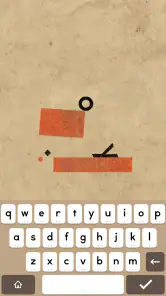
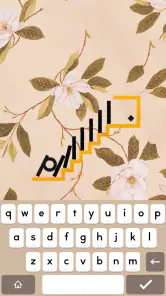
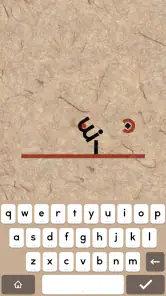
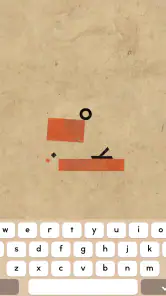
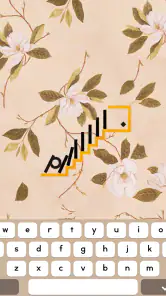
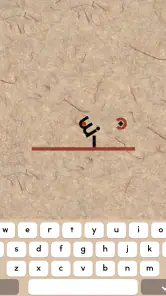
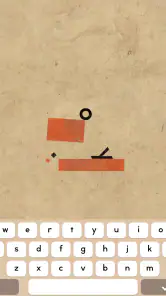
 Analysis by Frivlyz
I like puzzle games that let me test an idea without turning every mistake into a punishment, and supertype has a particularly playful way of doing that. It asks me to treat letters not just as symbols but as objects whose shapes affect how they move. That small change makes each puzzle feel like a hands-on question: what happens if I use this letter, and can its movement help me reach the goal?
What I’d consider before choosing it
This is a casual physics puzzle game from Philipp Stollenmayer, built around short experiments rather than action or a long story. The basic appeal is easy to understand, but solving a level can take more thought than the clean presentation suggests. I find it best when I’m in the mood to pause, make a guess, watch the result, and adjust my approach instead of looking for a fast stream of rewards.
The decision mainly comes down to whether you enjoy open-ended problem-solving. The game gives you letters to work with, and their shape can influence what happens as they fall, roll, or tip. You are not simply choosing a correct answer from a menu; you are trying to reason about a physical outcome. If that sounds satisfying, its minimal approach is a strength. If you would rather have explicit instructions and a predictable route to each solution, the same openness may feel vague.
Its store summary poses a question about how a letter falls, which captures the game’s central curiosity without explaining away the fun of discovering the answer. I’d approach a new level by first identifying what needs to move and where it needs to go, then choosing letters for their shapes rather than spelling a particular word. That is a useful mental shift: the alphabet becomes a small set of physical tools.
Why its letter-based puzzles stand out
At first glance, supertype might seem like just another puzzle game, but it’s got a unique twist. The game is all about using letters to solve physics-based challenges. Each level presents you with a simple task: make certain letters or words reach a specific spot on the screen. Sounds easy, right? But here’s the catch – you have to think about how each letter will fall or roll, and sometimes it’s not as straightforward as you’d expect.
Gameplay Mechanics
The gameplay in supertype is pretty intuitive. You get a blank canvas and can type whatever you want. The letters you type then react to gravity and other physics laws. So, if you type an ‘O,’ it might roll; type an ‘L,’ and it could tip over. It’s all about experimenting and seeing what works best to solve the puzzle at hand.
For me, the most useful way to experiment is to change one thing at a time. If a letter misses its target, I try a different shape or rethink where I place it rather than changing everything at once. That makes the result easier to read: I can tell whether the letter’s form, its starting position, or my overall plan was the weak point. It also makes a failed attempt feel like information, not wasted effort.
Gaming Stories You May Enjoy

Dancing Road Turns Short Breaks Into a Test of Rhythm and Timing

Super Stylist Makes Every Outfit a Test of Taste and Patience

Dominoes on Your Terms: Who Should Play and Who Should Pass

Pokémon GO Makes the Familiar World Feel New

Chess.com Turns Rematches Into Rivalries, but Community Has Its Costs

Archery Battle 3D Review: Sharp Aiming, Unclear Feedback
A second practical tactic is to think in stages. A letter may need to act as a moving piece, a support, or a nudge that helps another piece continue toward the goal. Instead of asking only, “Which letter reaches the target?”, I ask whether one letter can influence the path of another. This is where the game’s unusual premise earns its keep: a simple change of shape can suggest a completely different physical approach.
Where it fits into an everyday routine
The no-rush style suits the small gaps in a day better than games that demand constant attention. I can imagine opening it while waiting for an appointment or taking a quiet break, working through a puzzle at my own pace, and stopping when I need to return to something else. Because the challenge is built around observation and trial, I don’t need to be in a competitive mood to enjoy it.
It can also work as a shared little brain teaser. I might show someone a puzzle and ask which letter they would try first, then compare our guesses. That turns the central mechanic into a conversation without needing a score or a race. It is a particularly good fit for someone who likes explaining how they reached an answer, though it may be less engaging for a group looking for lively multiplayer action.
The game is rated for Everyone, which makes its basic presentation approachable for a broad audience. I would still treat the puzzles as a matter of taste: a young player who enjoys trying shapes and watching cause and effect may take to it, while someone who wants frequent hints or a very direct lesson at every step may prefer a more guided puzzle experience.
Where other casual games may suit you better
Compared with the usual casual alternatives, this is closer to a compact logic toy than a reflex game, match-style pastime, or word quiz. Its reward comes from seeing an idea work in a physical setup, not from reacting quickly or recalling vocabulary. That makes it a distinctive choice for a short, thoughtful break, but not necessarily the right one if you want a steady stream of action, a social competition, or a familiar progression built around collecting items.
It also asks for a different kind of patience than a conventional grid puzzle. In a grid-based game, the rules and possible moves are often visibly constrained; here, the shape of a letter invites you to predict a result and then test it. If you enjoy that uncertainty, the experiments are the point. If you find repeated attempts annoying, a puzzle game with a more explicit clue system or a single clearly defined move set is likely a better match.
One trade-off is that a minimalist presentation leaves much of the interpretation to you. That can make a successful solution feel personal, because you worked it out rather than following a prescribed sequence. On the other hand, if a level’s goal does not immediately suggest a strategy, you may need to spend time trying possibilities before the underlying idea clicks. I would choose it for curiosity, not for a guaranteed smooth run through every challenge.
Getting value from the experiment
The game costs $1.99, so I’d decide based on whether this particular puzzle style sounds appealing rather than expecting a broad collection of unrelated activities. Its rating averages 3.6 from around a thousand ratings, with 82 written reviews, and it has passed 100,000 installs. Those figures offer a quick sense of its audience, but they are not a substitute for asking whether letter-based physics is the kind of problem you actually enjoy.
It was released on May 1, 2018, and the current version is 2.05. The minimum operating system is Android 4.0.3, while the game is also available on iOS. I’d check that my device runs a compatible version before buying, then think of the purchase as paying for a focused puzzle experience rather than a general-purpose time killer. Its appeal is specific, which is exactly why it can be memorable for the right player.
One question I would ask before choosing it is whether I need to play in quick bursts. Its unhurried, puzzle-first nature makes that a sensible use case, though the best stopping point depends on how much I want to think through a level. Another is whether it suits someone who likes word games: the letters are central, but the challenge is about their physical behavior, not spelling skill. A person who loves language puzzles but dislikes spatial reasoning may not find the overlap they expect.
I’d also consider how I react when a solution is not obvious. The absence of time pressure and penalties makes it easier to keep exploring, but that does not mean every puzzle will instantly feel clear. My advice is to make deliberate, small tests and watch what each shape does. If that process feels satisfying, the game’s unusual premise can hold your attention; if you want the game to point out the next move, a more guided alternative will probably be kinder.
Who I’d recommend it to
What really caught my attention is the sheer simplicity of the game design, which allows players to focus purely on the puzzles. There are no time limits, no penalties for making mistakes, just pure, unadulterated problem-solving fun. Plus, the minimalist art style is easy on the eyes, making it a pleasure to play even during those long sessions.
If you’re someone who enjoys a good challenge and loves to think outside the box, supertype is definitely for you. The game encourages creative thinking and often requires you to try out different strategies to find the perfect solution. And the best part is, it never feels frustrating. Instead, it’s incredibly rewarding when you finally crack a tough level.
Another thing that stands out about supertype is its accessibility. It doesn’t matter if you’re a hardcore gamer or someone just looking for a fun way to pass the time. The game’s difficulty scales nicely, ensuring that everyone can enjoy it at their own pace.
My recommendation
All in all, supertype is a refreshing take on the puzzle genre. It’s simple yet challenging, relaxing but engaging, and it’s perfect for anyone looking to sharpen their problem-solving skills. The game is available on both Android and iOS, so you can easily download it and start playing right away.
I’d recommend it to a friend who likes quiet, inventive puzzles and is happy to learn by trying. I would steer someone toward a more structured logic game if they need frequent guidance, or toward a faster casual game if they want instant action. For me, the deciding factor is the pleasure of seeing an ordinary letter behave in an unexpected way. If that small surprise sounds fun, this is an easy one to consider.
So, if you’re ready to dive into a world where letters have more than just meaning, give supertype a try. Who knew that playing with the alphabet could be so much fun?
supertype Pros and Cons
Pros
- User-friendly interface
- Varied character customization
- Engaging storyline
- Regular updates
- Multiple difficulty levels
Cons
- In-app purchases needed
- Requires constant internet
- High battery usage
- Limited free content
- Occasional bugs
Frequently Asked Questions
What is Supertype and how does it work?
Supertype is a puzzle-based mobile game that challenges players to solve uniquely designed levels using typography and physics. The game requires players to creatively use letters from the alphabet to complete each puzzle, harnessing the physical properties of each letter to interact with the environment. This innovative approach provides an engaging and educational experience, making it popular among puzzle enthusiasts.
Is Supertype available for both Android and iOS devices?
Yes, Supertype is available for download on both Android and iOS platforms. Users can find the game on the Google Play Store for Android devices and the App Store for iOS devices. Its compatibility with a wide range of devices ensures that most smartphone users can enjoy the game without any issues.
Does Supertype require an internet connection to play?
Supertype can be played offline, allowing players to enjoy the game without needing a constant internet connection. This makes it an excellent choice for those who often find themselves in areas with limited connectivity. However, an internet connection might be necessary for downloading updates or accessing certain online features.
Are there any in-app purchases in Supertype?
Supertype does include in-app purchases, which allow players to unlock additional levels or features. While the game offers a substantial amount of content for free, these optional purchases can enhance the gameplay experience. Players can choose whether to invest in these extras, depending on their preference and interest in accessing more content.
Is Supertype suitable for all age groups?
Supertype is designed to be family-friendly and suitable for players of all ages. Its educational and fun gameplay mechanics make it an excellent option for children and adults alike. Parents can rest assured that the game is free of inappropriate content, making it a safe choice for younger players.


