

Strike Zone: Sniper FPS PvP
- Reviews
- 4.4
- Version
- 1.5.0
- Installs
- 1,000,000+

Screenshots
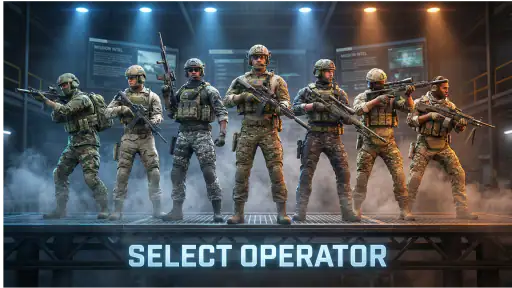
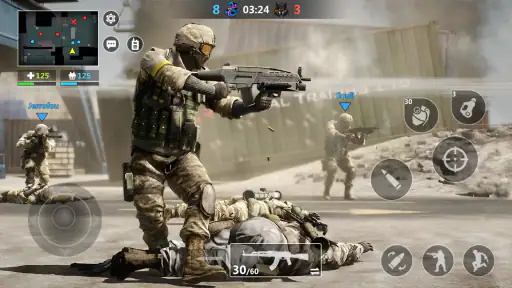
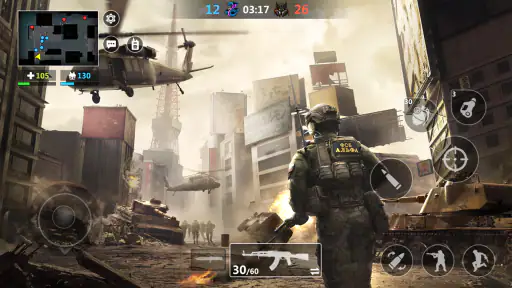
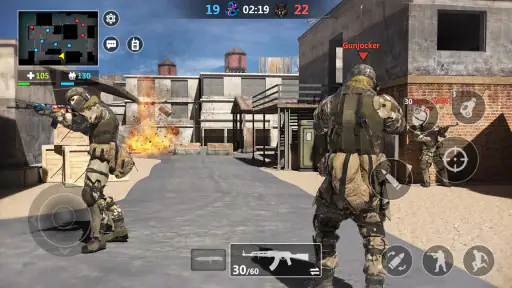
 Analysis by Frivlyz
Strike Zone: Sniper FPS PvP is the kind of mobile game I can imagine being passed around a household when someone wants a quick action break rather than a long story-driven adventure. It combines sniper shooting, team battles, other gun-focused modes, and an offline option, so it is broader than a single-purpose target range. I found that mix useful on a shared device because different players can approach it differently: one person may prefer careful long-range shots, while another may want faster team combat.
It is available free of charge, which makes trying it simple, although optional in-app purchases range from $0.99 to $99.99 per item. That difference matters in a family or shared-device setting. The initial download does not require a purchase, but I would still make sure everyone using the device understands that paid items are available before handing the game to a younger player.
How Strike Zone fits into a shared household
My first impression is that this is best treated as a short-session shooter rather than a game that demands a quiet evening and a large time commitment. The adventure label is a little broad for what I experienced, because the main appeal comes from aiming, movement, and combat decisions rather than exploration in the traditional sense. Still, the combination of modes gives it enough variety to keep a shared device from feeling tied to one player’s preferred style.
A realistic household use case would be a tablet or phone used by several people after school or during a break. One player could use the offline mode when the device is away from a reliable connection, then another could switch to online team battles later. That flexibility is one of the more practical strengths here. It means the game is not automatically useless when connectivity is inconvenient, while the online side offers a more competitive reason to return.
I would not describe it as a calm, universally suitable family game. It is a shooting game with a Teen content rating, and that should be part of the decision before it is installed on a shared device. Adults who are comfortable with that context may find it entertaining, but younger children should not be given access simply because the game is free.
The developer is Fun Actions FPS 3D, and the game has built a noticeable audience: it has passed one million installs and holds a 4.4 average from around 5.8 thousand ratings. Those figures suggest that it has reached well beyond a small experimental release, but they do not remove the need to judge whether its action-heavy format suits the people who will actually use the device.
Taking turns without turning the device into a battleground
Shared-device play works better when each person has a clear session boundary. I found it helpful to decide in advance whether the next player is taking a short offline run or joining an online match. That small distinction prevents someone from interrupting a round unexpectedly and makes the game easier to fit around ordinary household routines.
Gaming Stories You May Enjoy

Dancing Road Turns Short Breaks Into a Test of Rhythm and Timing

Super Stylist Makes Every Outfit a Test of Taste and Patience

Dominoes on Your Terms: Who Should Play and Who Should Pass

Pokémon GO Makes the Familiar World Feel New

Chess.com Turns Rematches Into Rivalries, but Community Has Its Costs

Archery Battle 3D Review: Sharp Aiming, Unclear Feedback
The offline mode is particularly useful for turn-taking because it does not depend on another person being available at the same moment. A player can practice aiming or simply play alone, then give the device back without leaving a team waiting. Online team battles create a different obligation: the player should have enough uninterrupted time to finish what they started. That is an important trade-off when the phone or tablet is shared.
I also recommend checking the control feel before assuming everyone will enjoy the same mode. Sniper-focused play rewards patience and precise movement, while broader gun-game action can feel more immediate. A player who dislikes waiting for a clean shot may prefer the faster parts of the game, whereas someone who enjoys lining up a target may find the sniper side more satisfying.
That difference is more significant than it first appears. On a personal phone, a player can settle into one style over time. On a household device, the game has to accommodate different levels of patience and familiarity. Letting each user choose a mode instead of forcing everyone into online competition makes the experience less frustrating.
Setup boundaries that matter before anyone plays
The most important setup issue is not technical complexity; it is separating access to the game from permission to spend money. Since the game is free but includes purchases up to $99.99 per item, I would establish a simple household rule before the first session: nobody buys anything without asking the device owner. That conversation is more useful than assuming a child or guest will understand the purchase prompts automatically.
I would also avoid treating the free price as a guarantee that the entire experience will feel equally open without spending. Optional purchases can change how a player thinks about progress, equipment, or convenience, even when the core game remains playable without paying. I would approach the game as a free trial first and decide later whether it deserves any household spending at all.
Another sensible boundary is deciding who may use online features. Online team play can be more engaging than offline sessions, but it also means that the player is participating in a less private environment than a solo round. If the device belongs to several people, the owner should know when the game is being used online and whether that fits the household’s expectations.
Because the minimum operating-system requirement is Android 7.0, compatibility should be checked before anyone plans around the game. That requirement is relatively accessible for older Android hardware, but compatibility alone does not promise that every older phone will feel equally comfortable. Screen size, touch response, battery condition, and general performance can still affect whether aiming feels precise or tiring.
The current version is 1.5.0, so I would install the available version rather than relying on assumptions based on an older session. In a shared setting, keeping the game updated also avoids one person using a different build from another, although I would still leave enough storage and battery for the device’s other everyday jobs.
Coordination makes online play more enjoyable
The team-battle side benefits from a little coordination, even if players are only using the same device at different times. Before joining a match, I would agree on whether the goal is serious competition or casual practice. That expectation changes how disappointing a loss feels and helps prevent a younger or less experienced player from being judged against someone who already understands the controls.
A useful household routine is to let a new player begin offline. This is not just easier; it protects the online experience from becoming an unnecessarily stressful first impression. The player can learn how quickly aiming responds, how much movement is comfortable, and whether sniper play suits them before committing to a team match where other players may depend on their actions.
When two people share advice, specific guidance works better than vague criticism. I would suggest discussing positioning, patience, and target selection rather than simply saying that someone is aiming badly. A sniper-oriented player may need a reminder not to rush a shot, while a player who prefers active gun battles may need help slowing down long enough to make accurate decisions.
This is one of the less obvious strengths of the game in a household: its different combat approaches create a natural opportunity for players to compare techniques. The more experienced person can demonstrate a controlled sniper approach, while the other player can explore the faster modes. That makes the game more social without requiring everyone to have the same skill level.
There is also a practical reason to coordinate online sessions around the device owner’s schedule. If the phone is needed for calls, messages, navigation, or work, a live match should not begin at the last moment. Offline play is the safer choice when interruptions are likely. I would reserve online battles for periods when the player can keep the device available until the round is finished.
Age, trust, and the right kind of supervision
The Teen rating should be taken seriously rather than treated as a minor label. The game’s focus is shooting and combat, so I would not recommend it automatically for young children just because the controls may look simple. For teenagers and adults who are comfortable with action games, the rating may be appropriate; for a mixed-age household, the owner should decide who gets access instead of leaving the choice to whoever picks up the phone.
Trust is especially important because online play and in-app purchases create two separate areas that deserve attention. I would explain the difference between playing a match and spending money before allowing independent use. A player can be trusted with one without automatically being trusted with the other, and that distinction is reasonable for a shared device.
I would also watch for whether the game is becoming a source of arguments. Competitive shooting can be exciting, but repeated losses, disputed turns, or pressure to buy something can change the mood quickly. If that happens, switching to offline play or ending the session is more sensible than trying to force enjoyment.
For adults deciding whether to let a teenager play, the best approach is to try a session together first. That gives the adult a direct sense of the tone and lets the younger player ask questions about online matches and purchases. It also avoids making a decision based only on the title or the short store summary.
On the other hand, I would skip it for anyone specifically looking for a peaceful adventure, a story-rich role-playing game, or a nonviolent family activity. The adventure category does not make this a substitute for those experiences. Its appeal is action, aiming, and the contrast between solo offline sessions and competitive team play.
Where it stands beside other mobile shooters
Compared with a purely offline shooting game, Strike Zone has a stronger social angle because team battles provide a reason to connect with other players. The trade-off is that online sessions require better timing and a more stable commitment from the person using the device. If I only wanted something to play during travel or in places with unreliable service, I would focus on the offline mode and treat the online side as an extra rather than the main reason to install it.
Compared with a large, highly specialized competitive shooter, this game feels easier to approach because it brings sniper rifles, team combat, and other gun-focused play into one package. The compromise is depth. Players who want a very elaborate competitive ecosystem, extensive customization, or a carefully developed long-term progression structure may find a dedicated alternative more satisfying.
It also differs from casual puzzle or arcade games in the way attention is demanded. A puzzle can often be paused mentally and resumed without much consequence; a team battle asks for active concentration. That makes Strike Zone a better fit for a player who enjoys quick reactions and aiming, but a worse fit for someone who wants a game that can sit in the background during a busy household evening.
My practical comparison is therefore simple: choose this game when variety between sniper play, team action, and offline shooting matters more than a deep narrative or a quiet pace. Choose another category when the household wants cooperative creativity, gentle competition, or a game that is clearly suitable for all ages.
Small decisions that improve the experience
My first tip is to begin offline even if online competition is the main attraction. It gives each player a chance to learn the feel of aiming without adding team pressure. This is particularly useful on a shared device, where the next player may have a different grip, screen preference, or level of experience.
My second tip is to match the mode to the available time. If someone has only a few minutes before handing the phone back, offline play is the safer choice. If there is enough uninterrupted time and the player wants cooperation or competition, team battles make more sense. This simple choice prevents the game from becoming inconvenient for everyone else.
My third tip is to treat sniper play as a different skill set rather than merely a stronger weapon choice. Patience, positioning, and deliberate target selection matter more than rushing toward every encounter. Players who are frustrated by missed shots may improve more by slowing down than by immediately looking for a purchase or changing devices.
My fourth tip is to keep spending completely separate from skill improvement. If a player struggles, I would first check whether they understand the controls and have tried the offline mode. Buying an item may change the available options, but it does not replace practice or solve the basic problem of not enjoying the game’s pace.
Finally, I would give the game a fair trial on the device that will actually be shared. A phone that feels fine for one player may feel cramped for another, especially during precise aiming. The most useful test is not a single glance at the menu; it is letting each intended user try both a sniper-focused session and a more active gun battle.
My household verdict
After weighing the different ways it can be used, I see Strike Zone as a solid option for teenagers and adults in a household that already enjoys action games. The free entry point, offline mode, and variety of combat styles make it flexible, while the online team side gives experienced players a reason to keep returning. Its 4.4 average and audience of over one million installs show that it has found a broad mobile audience, though popularity should not be confused with universal suitability.
The main cautions are equally clear. The Teen rating makes age judgment necessary, online matches need uninterrupted attention, and the purchase range means spending rules should be agreed before shared use. Players seeking a deep story, a relaxed family game, or a completely frictionless offline experience should look elsewhere.
For the right household, I would recommend installing it as a controlled, try-before-you-buy game. Start with offline play, let each person discover whether sniper or team action suits them, and only then decide whether online sessions belong in the routine. That approach highlights what the game does well without allowing its competitive or purchase-related elements to take over the shared device.
In short, Strike Zone: Sniper FPS PvP works best when its flexibility is used thoughtfully. It is not a universal family recommendation, but it is a convincing free adventure shooter for players who want a choice between careful sniper action, team battles, and offline practice. With clear boundaries around age, turns, online time, and purchases, it can earn a place on a shared Android device without becoming a source of unnecessary household friction.
Strike Zone: Sniper FPS PvP Pros and Cons
Pros
- Responsive sniper controls make aiming and shooting feel precise.
- Short PvP matches are convenient for quick gaming sessions.
- Multiple weapons and upgrades offer room for tactical customization.
- Competitive battles provide a strong sense of progression and challenge.
- The shooting range and environments are easy to understand for new players.
Cons
- Matchmaking can feel uneven when experienced players face newcomers.
- Weapon upgrades may make progression feel grindy without regular play.
- Some maps offer limited strategic variety after repeated matches.
- Online play depends heavily on a stable internet connection.
- Frequent combat can become repetitive if you prefer broader game modes.
Frequently Asked Questions
What is Strike Zone: Sniper FPS PvP?
Strike Zone: Sniper FPS PvP is a competitive first-person shooter focused on long-range combat. Players take the role of a sniper and compete in PvP matches where accuracy, timing, positioning, and quick reactions are essential. The game combines aiming challenges with tactical movement, weapon progression, and multiplayer competition, making it more demanding than a simple target-shooting game.
Can Strike Zone: Sniper FPS PvP be played offline?
The main appeal of Strike Zone: Sniper FPS PvP is its online player-versus-player experience, so an internet connection is generally required for competitive matches, account synchronization, and progression features. Offline access may be limited or unavailable, depending on the version installed and the developer’s current server configuration. Players should check the store listing before downloading if offline play is important.
Is Strike Zone: Sniper FPS PvP suitable for beginners?
Beginners can enjoy Strike Zone: Sniper FPS PvP, but the initial learning curve may feel challenging. Successful shots require careful control of aiming, timing, and sometimes awareness of enemy movement or environmental cover. New players should spend time practicing before entering more competitive matches. As skills improve, the game becomes more rewarding, particularly for users who enjoy precision-based shooters.
Does the game include in-app purchases or advertisements?
Strike Zone: Sniper FPS PvP may include optional in-app purchases, advertisements, or progression-related offers, depending on the platform and version available in your region. These can potentially provide cosmetic items, resources, upgrades, or other conveniences. Before spending money, review the purchase descriptions carefully, and consider enabling parental controls if children will be using the device.
What device and permissions are needed to play Strike Zone: Sniper FPS PvP?
The game requires a compatible Android or iOS device with enough free storage, updated system software, and a stable internet connection for online matches. Performance can vary considerably between older and newer phones, especially during action-heavy multiplayer sessions. The app may also request permissions related to network access, notifications, or purchases. Always review the official store requirements before installation.


