

Star Trek™ Fleet Command
- Reviews
- 4.0
- Version
- 1.000.42152
- Installs
- 10,000,000+

Screenshots


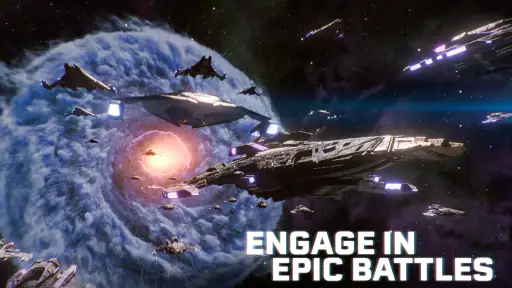
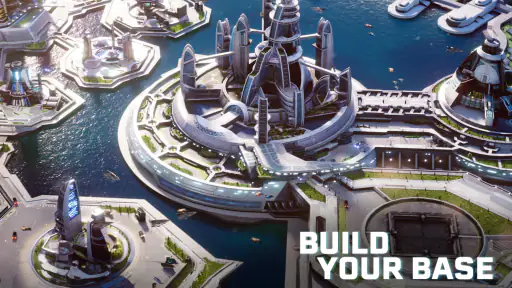
 Analysis by Frivlyz
My first impression of Star Trek™ Fleet Command is that it asks for more patience than a quick arcade game. Its strategic side is built around a continuing space conflict, so I would not open it expecting a short burst of action with a tidy finish. I enjoy it most when I have a few minutes to check the situation, make a decision, and leave the next step for later. That rhythm is part of its appeal, but it also means it is not an ideal fit for someone who wants every session to feel immediately rewarding.
What the pace feels like in everyday play
The game’s broad premise is easy to grasp: command ships, develop your position, and make choices in a galaxy shaped by other players as well as the game itself. The actual pace is more measured than the dramatic space setting might suggest. Strategic games often ask you to think ahead rather than react constantly, and this one is best approached with that expectation. I find it more satisfying to decide what I want to accomplish before I start tapping through menus than to treat it as a reflex-based battle game.
That makes it a natural option for a short break when I want something to return to throughout the day, rather than a game that needs my uninterrupted attention for a long stretch. It is also a trade-off: if I sit down hoping for a fast sequence of thrilling encounters, planning and waiting can feel like friction. Players who enjoy gradually shaping a larger position are more likely to appreciate the tempo.
Busy sessions and practical decisions
There is a meaningful difference between opening a strategy game to check one detail and trying to handle several priorities at once. In Fleet Command, I would avoid starting a complicated round of planning when I only have a moment to spare. It is easier to make sensible choices if I first decide whether I am checking progress, tending to resources, or coordinating with other players. That small habit helps keep a casual visit from turning into a string of rushed taps.
When several parts of a strategy game compete for attention, I like to settle on one immediate goal and ignore distractions that do not support it. Here, that can mean deciding whether the session is about the fleet, the wider conflict, or communicating with an alliance. It is a simple way to make the game feel more manageable, especially for a newcomer who has not yet developed a routine.
Reliability, connection, and expectations
I would treat this as a connected, ongoing game rather than a self-contained offline diversion. Its social and competitive character is part of what gives decisions weight, but it also makes the experience less suited to situations where I cannot count on being connected. If I am heading somewhere with unreliable access, I would choose a game whose main appeal does not depend on an active shared world.
My practical advice is to give it a little room when you first start: learn the broad rhythm before deciding whether its pacing suits you. A strategy game can feel confusing when every prompt seems equally important, but choosing one manageable objective at a time is a better way to understand how its different demands fit together. If your connection drops or you need to leave, it is sensible to stop at a natural point rather than begin a decision-heavy stretch you cannot finish comfortably.
Gaming Stories You May Enjoy

Dancing Road Turns Short Breaks Into a Test of Rhythm and Timing

Super Stylist Makes Every Outfit a Test of Taste and Patience

Dominoes on Your Terms: Who Should Play and Who Should Pass

Pokémon GO Makes the Familiar World Feel New

Chess.com Turns Rematches Into Rivalries, but Community Has Its Costs

Archery Battle 3D Review: Sharp Aiming, Unclear Feedback
Device fit and performance expectations
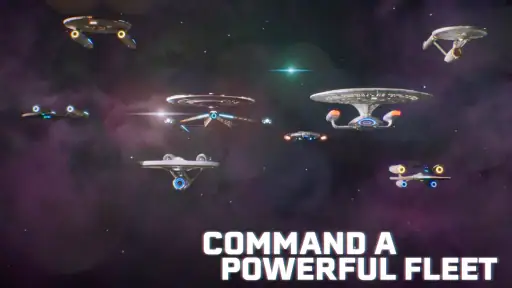
Star Trek™ Fleet Command is a visually ambitious mobile strategy game, and its detailed ships and space scenes are part of the attraction. The trade-off is that players should not assume every phone will feel equally comfortable with a graphics-forward game. I would check that my device has room to install it and keep its operating system current enough for the game before committing to a long-term save or routine. On a smaller screen, dense information can also make careful planning less comfortable than it would be on a larger display.
The game is free to start, with optional in-app purchases spanning from $0.99 to $99.99 per item. I would regard those purchases as a reason to set a personal spending boundary before playing, not as a requirement to enjoy the premise. It is rated for Everyone, has reached more than 10 million installs, and holds a 4.0 average from around 301,000 ratings. Scopely released it on November 28, 2018; version 1.000.42152 lists Android 7.0 as the minimum operating system. Those details make it a well-established mobile game, though neither popularity nor a compatible OS guarantees that it will run smoothly on every device.
Who will enjoy its particular kind of strategy
I would recommend it to Star Trek fans who like the idea of managing a continuing space presence, and to strategy players who enjoy planning, social coordination, and gradual progress. It is less convincing for someone who wants a purely solo campaign, fast battles every time they open a game, or a story that can be completed without returning to a shared world. Compared with a conventional turn-based strategy game, it feels less like sitting down for a closed match and more like tending to an evolving commitment. Compared with a straightforward action game, it asks for more thought and patience than quick reactions.
A realistic routine might be checking the game over breakfast, deciding on one priority, and coming back later when there is time to consider the next move. I would avoid letting notifications or the urge to check constantly dictate the day; a strategy game should fit around a routine, not take it over. New players may also find it useful to join an alliance only when they are ready for the social side, since cooperation can be rewarding but brings other people’s expectations into the experience. If you prefer quiet, independent play, that is a meaningful reason to choose a different kind of strategy title.
Small habits that make the experience easier
For a newcomer, my most useful tip is to separate learning from optimization. On an early visit, focus on understanding what the game is asking you to do instead of trying to make every decision perfect. Once the basic loop feels familiar, you can use later sessions to compare priorities and coordinate more deliberately. That approach is less stressful than treating every choice as a permanent test of skill.
I would also make a habit of checking the purpose of a task before committing attention to it. In a game with an ongoing world, it is easy to confuse activity with progress; having one clear objective makes it easier to tell whether a session was worthwhile. This is especially useful when you have only a brief window to play. If you have more time, the social layer gives you another reason to stay, but it should be something you enjoy rather than an obligation you take on automatically.
Immersive Gameplay Experience
From the moment you download Star Trek™ Fleet Command, you're pulled into a universe teeming with life, challenges, and opportunities. The game kicks off with a narrative that any Star Trek fan would appreciate – you’re the commander of a starbase on the edge of civil war, and your decisions will determine the fate of the galaxy. Talk about pressure!
What strikes me the most is the level of detail and thought put into the game mechanics. It’s not just about shooting and conquering; it’s strategy at its core. You have to build alliances, manage resources, and make tactical decisions that could turn the tide of war. I found myself constantly engaged, trying to outsmart the computer and real-life opponents.
Graphics and Sound Design
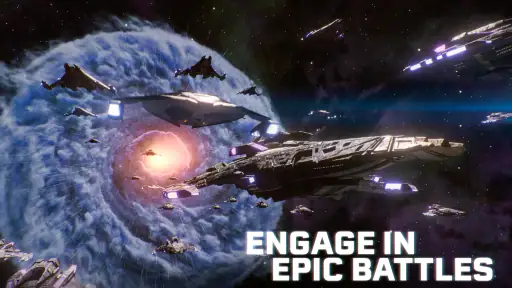
Visually, the game is stunning. The developers did an amazing job capturing the essence of the Star Trek universe. The ships, planets, and even the space stations look incredibly detailed. I often find myself zooming in just to appreciate the craftsmanship.
And let’s not forget the sound design. The soundtrack and sound effects are not just background noise; they enhance the experience tenfold. The ambient sounds of space, the warp drives, and communication chatter make you feel like you’re right there on the bridge, commanding your crew.
Community and Social Interaction
One aspect that sets this game apart is the community. Engaging with other players is both rewarding and essential. The alliances you form can be the difference between victory and defeat. I joined a fleet early on and it’s been a blast strategizing and chatting with fellow Trekkies. It’s like having a second family in the palm of your hand.
The developers also host regular events that keep the game fresh and exciting. Whether it’s special missions or new content, there’s always something to look forward to. Plus, the community feedback is actively considered, which shows how much they value their players.
Final Thoughts
In conclusion, Star Trek™ Fleet Command is a must-play for any Star Trek fan or strategy game enthusiast. The blend of strategy, community, and immersive storytelling makes it stand out in the crowded mobile game market. It’s not just a game; it’s an experience. So, if you’re ready to embark on your own interstellar adventure, this is definitely the game for you. Engage!
Star Trek™ Fleet Command Pros and Cons
Pros
- Immersive Star Trek universe experience.
- Strategic gameplay with alliances.
- Frequent updates and events.
- High-quality graphics and sound.
- Diverse missions and storylines.
Cons
- Pay-to-win aspects.
- Large storage requirement.
- Occasional server issues.
- Complex for new players.
- In-app purchases can be pricey.
Frequently Asked Questions
What is Star Trek™ Fleet Command?
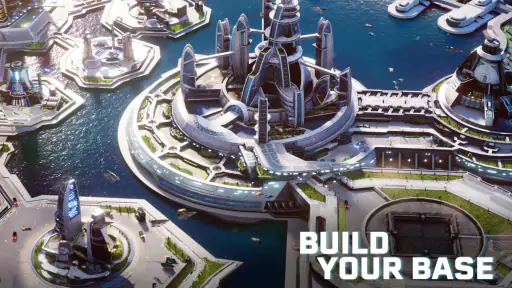
Star Trek™ Fleet Command is a strategy mobile game set in the Star Trek universe, where players can build and upgrade their own space stations and ships, engage in epic space battles, and form alliances. With a rich narrative and immersive graphics, it offers a blend of exploration, combat, and diplomacy to create a compelling gaming experience for Star Trek fans and strategy enthusiasts alike.
Is Star Trek™ Fleet Command free to play?
Yes, Star Trek™ Fleet Command is free to download and play. However, it includes in-app purchases that allow players to buy resources, speed up gameplay, and access exclusive content. While it's possible to enjoy the game without spending money, purchasing items can enhance the gaming experience and help progress more quickly.
What are the system requirements for Star Trek™ Fleet Command?
To enjoy Star Trek™ Fleet Command on Android, you will need a device running Android 4.4 or higher. For iOS users, the game requires iOS 10.0 or later and is compatible with iPhone, iPad, and iPod touch. A stable internet connection is also necessary to ensure smooth gameplay and access to all game features.
Can I play Star Trek™ Fleet Command with friends?
Yes, Star Trek™ Fleet Command offers multiplayer features that allow you to join alliances, cooperate with friends, and compete against other players globally. You can team up to complete missions, participate in alliance wars, and share resources. This multiplayer aspect enhances the strategic depth and social interaction within the game.
How does the combat system work in Star Trek™ Fleet Command?
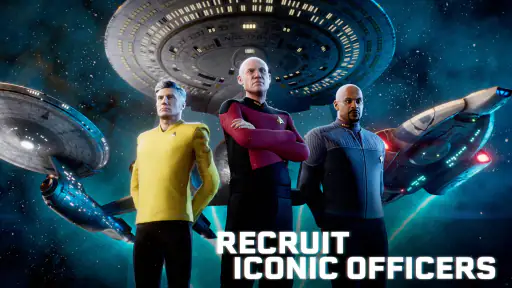
The combat system in Star Trek™ Fleet Command involves strategic planning and real-time battles. Players can engage in combat with NPCs and other players, using a variety of ships and crew members, each with unique abilities. Battles require tactical decision-making, such as selecting the right ships and crew for each encounter to maximize your chances of victory.


