

Slay the Spire
- Reviews
- 4.5
- Version
- 2.3.15
- Installs
- 500,000+

Screenshots
 Analysis by Frivlyz
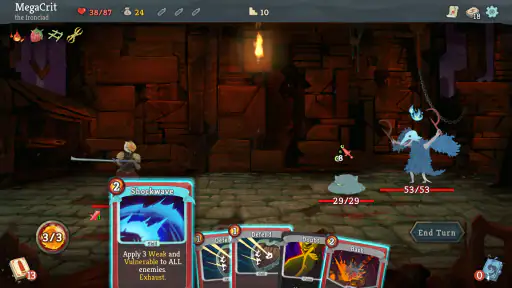
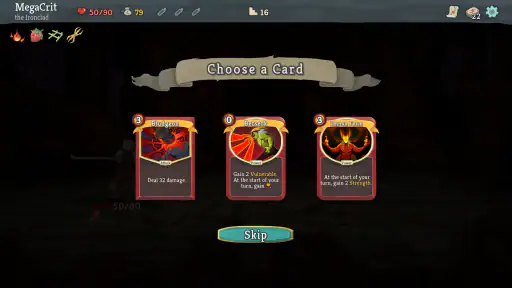
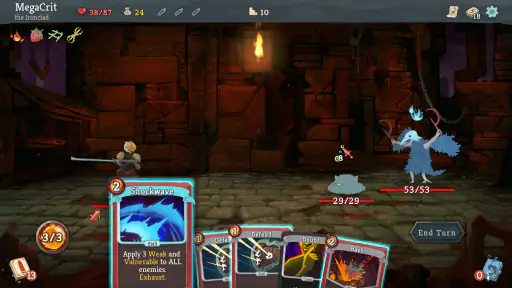
I like card games that make a short decision feel consequential, and Slay the Spire is built around exactly that kind of tension. A fight is not just about playing the strongest card in your hand: I have to weigh what I can afford now against the damage or trouble I might face next. That makes it a thoughtful choice when I want a game I can pause between turns, rather than an action game that demands constant attention.
What the purchase price means
This is a paid game, listed at $9.99, rather than a free download with an optional purchase. I’d think of that as paying upfront for a complete game experience, not as a promise that every player will get the same amount of enjoyment from it. If you are unsure whether you like turn-based card strategy, it is worth considering that commitment before buying; if you already enjoy planning a deck and adapting it as you play, the price may feel easier to justify.
Humble Games is the developer, and the game is rated Everyone 10+. It was released on Jan 22, 2021, and the current version is 2.3.15, with Android 5.1 as the minimum operating system. The game has a 4.5 average from around 24,000 ratings, while more than 500,000 installs suggest that plenty of players have given it a try. Those figures can help set expectations, but they cannot tell you whether its particular mix of card tactics and repeated runs suits your taste.
How I decide whether a run is going well
The useful habit I’ve learned is to judge a card by the job it does for the deck I actually have, not by how impressive it looks on its own. A card that seems powerful can still make a hand awkward if I cannot use it at the right moment. I also try to think ahead about how much health I am willing to spend to reach a reward: taking a risky fight can pay off, but arriving at the next challenge in poor shape can turn that choice into a costly mistake.
That makes each run a series of small evaluations rather than a hunt for one universally correct build. When I’m learning, I get more out of noticing why a plan fell apart than immediately starting another run on autopilot. Was my deck too unfocused? Did I take a risk without enough room to recover? Those questions make the game’s losses informative, although they do not make losing feel pleasant every time.
Where it fits in an everyday routine
A realistic use case is a quiet break at home when I have enough time to think but do not want to set up a longer multiplayer session. Turn-based battles let me consider a move before committing, so I can play at a measured pace. A run can also stretch beyond the little window I first intended to give it; the “one more” feeling is enjoyable, but it is a reason to avoid starting when I have to leave immediately.
On a commute or in another stop-and-start moment, the appeal depends on how you like to play and what your device allows you to do comfortably. I would not assume that every short gap is ideal for a full run. The safer approach is to treat a run as an open-ended session and begin when you are comfortable pausing your attention for a while, rather than counting on a tidy, predictable finish.
Gaming Stories You May Enjoy

Dancing Road Turns Short Breaks Into a Test of Rhythm and Timing

Super Stylist Makes Every Outfit a Test of Taste and Patience

Dominoes on Your Terms: Who Should Play and Who Should Pass

Pokémon GO Makes the Familiar World Feel New

Chess.com Turns Rematches Into Rivalries, but Community Has Its Costs

Archery Battle 3D Review: Sharp Aiming, Unclear Feedback
What it asks of new players
The first hurdle is learning to read the consequences of choices that are not immediately obvious. A new player may focus on winning the current battle and overlook how a card choice affects later hands. I found it more useful to slow down and identify what a deck is trying to do before adding more pieces to it. This is a game where restraint can be a strategy: passing over an appealing option may preserve a clearer plan.
There is also a real difference between challenge and comfort. If you want a gentle card game that regularly rewards a quick, casual choice, this may feel demanding. Runs can go badly despite sensible decisions, and the changing circumstances mean that a tactic that worked before is not automatically right again. I enjoy that uncertainty, but someone who dislikes setbacks or wants a steady story with a fixed sequence may prefer a more forgiving or linear game.
How it compares with familiar card games
Compared with a conventional card game, this puts more emphasis on building a personal strategy over a series of encounters than on matching another person across a table. That makes it a good fit when I want to puzzle through decisions at my own pace, but a weaker choice if the main draw for me is social play, direct competition, or the familiar simplicity of a standard deck. Its roguelike structure also means repetition is part of the appeal: I return to the challenge with a different situation, not simply to replay a fixed sequence in exactly the same way.
It is also more demanding than a lightweight game I can play without much thought. I would choose a simpler alternative when I only want to fill a minute or two, and choose this when I am in the mood to assess options, accept risk, and learn from a run that does not work out. That distinction matters more than whether someone calls it a card game or a strategy game: the pleasure comes from making a plan and seeing how well it survives contact with the next challenge.
A Unique Blend of Strategy and Adventure
Imagine this: you start with a simple deck of cards, each with its unique abilities, and your mission is to climb the ever-changing spire. Sounds simple, right? Well, Slay the Spire throws a curveball by introducing random events and challenging enemies at every floor. It's like playing poker, but the stakes are a mystical tower filled with monsters and treasures. The strategic depth is what makes it stand out. Every decision, from the cards you pick to the paths you choose, can make or break your run. And trust me, the satisfaction of crafting the perfect deck is unparalleled.
Endless Replayability
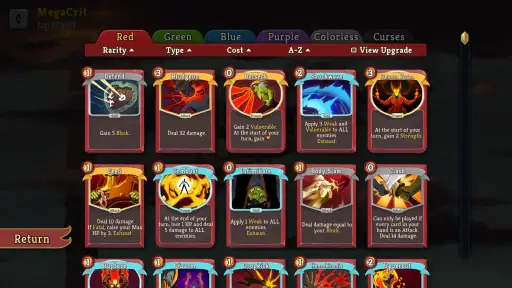
One of the aspects I love most about this game is its replayability. No two runs are the same. With hundreds of cards to discover and countless relics to collect, each playthrough offers a fresh experience. The developers have done a stellar job in keeping the game balanced yet unpredictable. You'll find yourself saying, "Just one more run," as the hours fly by. It's a perfect game for both short bursts of play and long gaming sessions.
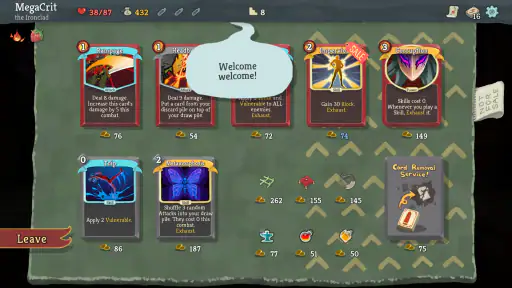
For me, replayability is not simply a matter of seeing different cards; it comes from having to adjust my priorities when the run develops differently than expected. I try to keep a rough idea of what my deck needs, then reassess whenever a new option appears instead of treating every reward as an automatic upgrade. That small pause prevents a common trap: collecting attractive cards until the deck has no clear identity. A focused plan is not guaranteed to win, but it makes my choices easier to understand and my mistakes easier to learn from.
That approach also explains why I would not call every run equally satisfying. Sometimes the options line up with the strategy I’m trying to build; sometimes they do not, and I have to make the best of an awkward mix. If you need reliable progress every time you play, that uncertainty can be tiring. If you enjoy adapting more than executing a perfect script, it is the source of much of the game’s staying power.
Visuals and Soundtrack
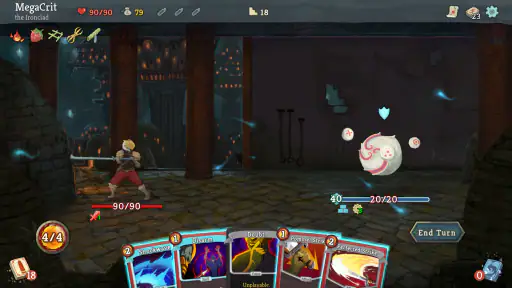
Now, let's talk about the visuals. The art style of Slay the Spire is charmingly quirky. It doesn't boast hyper-realistic graphics, but that's part of its charm. The hand-drawn aesthetic gives it a unique look that fits the whimsical yet dark theme of the game. And the soundtrack? Oh, it's an experience in itself. The music perfectly complements the game's mood, enhancing the tension and excitement of each battle. It's one of those soundtracks that you'll find yourself humming long after you've stopped playing.
The presentation supports the decisions rather than competing with them for attention. I like that the unusual enemies and the tower’s mood give the battles personality without changing what I’m there to do: study the situation and choose my next move. Still, the art and music are a matter of taste, and neither will rescue the game for someone who finds repeated tactical encounters dull. I’d treat them as a pleasant part of the experience, not the main reason to buy it.
Final Thoughts
In conclusion, Slay the Spire is a gem for anyone who enjoys strategy games. It's the perfect blend of challenge and fun, with a dash of unpredictability that keeps you coming back for more. Whether you're a seasoned gamer or someone new to the genre, this game is sure to captivate you. So, if you're looking for a game that offers both depth and entertainment, give Slay the Spire a try. You won't regret it!
My recommendation is more qualified than that last line suggests: I’d buy it if the idea of shaping a deck through uncertain encounters sounds satisfying, and skip it if I mainly want a free-to-start game, a social card table, or a predictable story. The paid price makes sense most readily for someone who expects to return for repeated runs and enjoys learning through decisions, including the ones that fail. For me, that mix of planning and improvisation is what makes this particular climb worth the commitment.
Slay the Spire Pros and Cons
Pros
- Engaging card-based gameplay
- Rich strategic depth
- Roguelike elements enhance replayability
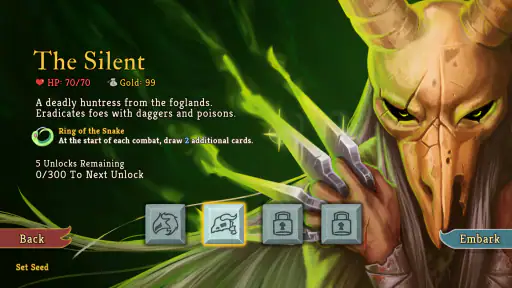
- Unique character classes
- Visually appealing art style
Cons
- Steep learning curve
- Limited narrative depth
- Can be time-consuming
- Requires constant internet connection
- Occasional balancing issues
Frequently Asked Questions
What is Slay the Spire?
Slay the Spire is a unique single-player deck-building card game that combines elements of roguelike gameplay. Players embark on a journey up a spire consisting of various levels, where they battle enemies, collect cards, and upgrade their deck to increase their chances of survival. Each run is different due to randomly generated encounters, ensuring a fresh experience every time you play.
On which platforms is Slay the Spire available?
Slay the Spire is available on multiple platforms, including Windows, macOS, Linux, PlayStation 4, Xbox One, Nintendo Switch, Android, and iOS. This wide availability allows players to enjoy the game on their preferred device, whether it's on a console, PC, or mobile device, providing a consistent gaming experience across different platforms.
Is Slay the Spire suitable for beginners?
While Slay the Spire offers a complex and strategic gameplay experience, it is still accessible to beginners. The game provides a tutorial and an easy-to-understand interface that helps new players learn the mechanics quickly. However, mastering the game requires strategic planning and adaptability, making it challenging yet rewarding for both new and experienced players.
Does Slay the Spire have multiplayer features?
Slay the Spire is primarily a single-player game focused on deck-building and strategy. It does not include traditional multiplayer features such as co-op or competitive modes. Instead, the game emphasizes personal progression and replayability, allowing players to challenge themselves to improve their strategies and achieve higher scores in each run.
What are the main features of Slay the Spire?
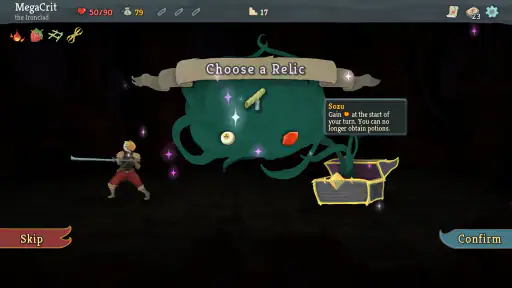
Slay the Spire features a dynamic deck-building system, strategic turn-based combat, and procedurally generated levels. Players select from different characters, each with unique abilities and cards, to create a customized deck. The game also includes numerous relics that grant special powers, adding depth and variety to the gameplay. Its replayability and strategic depth make Slay the Spire a favorite among card game enthusiasts.


