

Sky: Children of the Light
- Reviews
- 4.5
- Version
- 0.29.1 (321453)
- Installs
- 10,000,000+

Screenshots
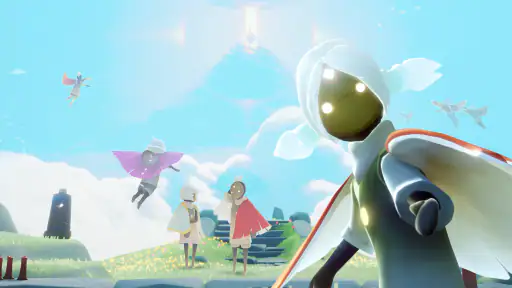
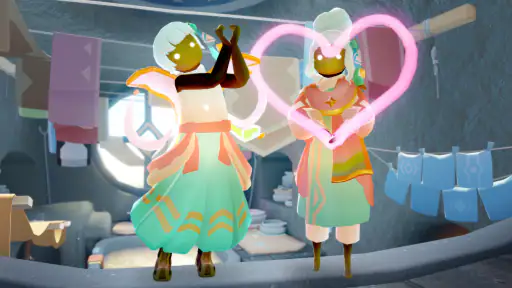
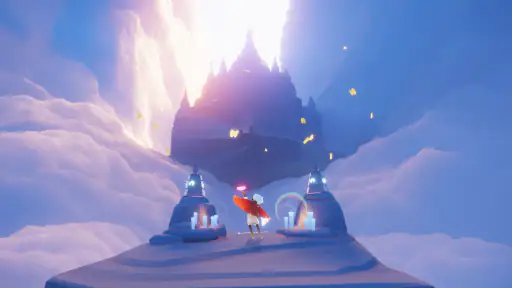

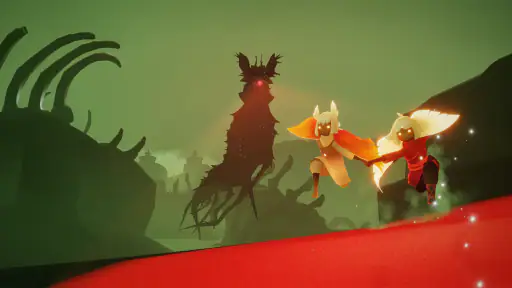
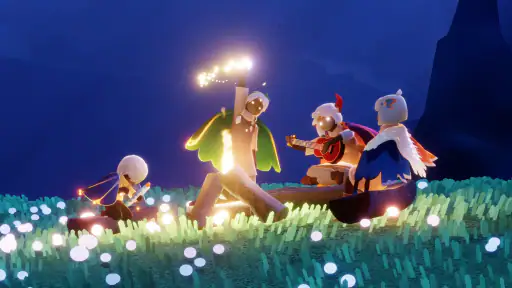

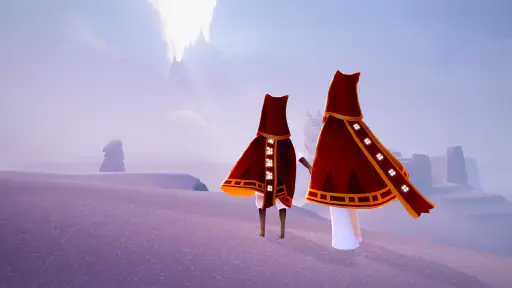
 Analysis by Frivlyz
I find Sky: Children of the Light works best when I treat it less like a race through a role-playing game and more like a place to visit. Its pace is gentle: I can wander, glide, and take in a scene without feeling pushed to optimize every minute. That makes it a welcome choice when I want a calmer break on my phone, though it won’t satisfy me when I’m looking for rapid combat, constant rewards, or a tightly directed story.
What the relaxed pace feels like
The opening stretches give the world room to make an impression. Rather than asking me to master a complicated set of actions at once, the game centers on moving through the air and exploring the landscape. This easy rhythm is a strength for newcomers and for short, unhurried sessions. It also means progress can feel less obvious than in role-playing games built around frequent battles, gear upgrades, or clear mission checklists. If you need a strong objective every few minutes, the quiet gaps may feel like a lack of momentum rather than a deliberate mood.
I would use it in a small pocket of free time, such as unwinding after dinner or taking a few minutes between other tasks. The world is pleasant to revisit even when I’m not planning a long session, and the social encounters can give a trip through a familiar place a different feel. For a first visit, though, I’d set aside enough time to explore without rushing. The experience depends on noticing the surroundings, and tapping through simply to get to the next reward misses much of what makes the game distinctive.
When other players change the experience
Meeting people in the world is part of the appeal, but I wouldn’t assume every session will turn into a meaningful friendship. Some encounters are brief, and the game’s gentle approach to cooperation suits players who are comfortable sharing a space without needing constant conversation. If I’m in the mood to explore alongside someone, the possibility of helping each other makes the journey feel warmer. If I want a solo adventure with no social presence at all, this is a less natural fit than a single-player role-playing game.
A useful way to approach these meetings is to let them happen at their own pace. I can follow another player for a while, join in when cooperation feels natural, or continue exploring if our paths diverge. That keeps the social element from becoming an obligation. The trade-off is that the game’s most memorable moments may depend partly on the choices and timing of other people, so the experience can feel less predictable than a carefully scripted campaign.
How it compares with familiar role-playing games
Compared with the usual mobile role-playing game, this is not the one I’d choose for dense character builds, tactical combat, or a steady stream of equipment decisions. Its identity comes from movement, scenery, and shared exploration instead. That difference is refreshing if combat-heavy games feel tiring, but it matters if you expect the genre label to mean battles and mechanical progression first. I’d describe it as an atmospheric online adventure with role-playing elements, rather than a conventional RPG built around fighting.
It also asks for a different kind of attention than a quick puzzle game. A puzzle app is easier to dip into when I have only a minute and want a clearly defined task; here, even a short visit can be enjoyable, but the pleasure comes from the journey and surroundings more than from solving a compact challenge. Players who like scenic exploration and quiet cooperation are likely to get more from it than people who want a score to chase or a competitive match to win.
Gaming Stories You May Enjoy

Dancing Road Turns Short Breaks Into a Test of Rhythm and Timing

Super Stylist Makes Every Outfit a Test of Taste and Patience

Dominoes on Your Terms: Who Should Play and Who Should Pass

Pokémon GO Makes the Familiar World Feel New

Chess.com Turns Rematches Into Rivalries, but Community Has Its Costs

Archery Battle 3D Review: Sharp Aiming, Unclear Feedback
The game is free to start, while optional in-app purchases range from $0.99 to $49.99 per item. I’d approach those purchases as optional rather than as a reason to begin: first see whether the pace and style suit you. The role-playing and social setting is rated Everyone 10+, which gives families a useful starting point when deciding whether it fits, while the actual choice should still reflect a child’s comfort with online play and shared spaces.
Exploration, Atmosphere, and Everyday Play
As you start your journey in Sky: Children of the Light, you're immediately enveloped in an atmosphere of tranquility. The game opens with a serene landscape that’s a visual treat, almost like stepping into a painting. Your quest? To explore the seven enchanting realms while spreading light and positivity. Sounds simple, right? But there’s a profound beauty in this simplicity that captivates you from the get-go.
Gameplay and Features
What sets Sky apart from other mobile games is its emphasis on social interaction and cooperation. You’re not alone in this vast expanse; you meet other players as you glide through the skies. The game encourages you to connect, team up, and even form friendships. The thrill of lighting candles and unlocking new paths with others is nothing short of magical.
Flying is another highlight. The controls are intuitive, making the experience of soaring through clouds and discovering hidden secrets incredibly satisfying. The realms are vast, each with its own unique theme and challenges that keep the gameplay fresh and engaging. And let’s not forget the sound design—it's pure bliss. The music and sound effects perfectly complement the visuals, creating an immersive experience that’s hard to put down.
Visuals and Audio
Sky is a visual masterpiece. The stunning landscapes, dynamic weather effects, and the fluid animation of your character and surroundings are awe-inspiring. It's like a piece of art that's constantly evolving and inviting you to be a part of it. Coupled with a soothing soundtrack, the game becomes a meditative experience, allowing you to lose yourself in its beauty.
A Community-Driven Experience
One of the game’s standout features is its community-driven aspect. Sky offers seasonal events and updates that bring players together, whether it’s to tackle new challenges or to simply enjoy the festivities. The developers have created a world that thrives on positivity and collaboration, making it a welcoming space for gamers of all ages.
Stability, Speed, and Device Expectations
In terms of speed, I wouldn’t expect the same snappy in-and-out rhythm as a lightweight puzzle game. The attraction is a three-dimensional world with flight, animation, music, and other players sharing the experience, so it makes sense to give it a moment to settle in rather than judging it by the time it takes to open. I can’t promise identical smoothness on every phone: performance depends on the device and the conditions of a particular session. If you notice stutters, closing other demanding apps and lowering expectations for multitasking are sensible first steps, rather than assuming the game itself is always at fault.
The busiest-feeling moments are likely to be those when I’m moving through a broad view, taking in effects and encountering other players at once. Those are also the moments when the atmosphere is most rewarding, so there is a real trade-off: a phone under strain can make the visual spectacle less comfortable to enjoy. I’d avoid starting a long exploration when the device is already warm or low on battery, and I’d use a stable connection when I want to play with others. These are practical precautions, not guarantees that every interruption can be prevented.
For reliability, I find it helpful to think of a session as something to resume, not something that must be completed in one sitting. If an interruption happens, return when convenient and continue at a comfortable pace; the game’s appeal does not depend on finishing a timed sprint. I would still avoid quitting in the middle of an activity if I can help it, since a graceful pause is more reassuring than relying on any mobile game to preserve every moment exactly as it was. When network conditions are poor, the shared side of the experience may be less satisfying, so solo-minded exploration is a better expectation than uninterrupted social play.
The current Android version is 0.29.1 (321453), and the listed minimum operating system is Android 8.0. Meeting that minimum tells me the software is compatible in principle, not that every older or entry-level device will render a detailed scene equally smoothly. If your phone is near the minimum or has limited free resources, I’d try a short session first and see whether movement remains comfortable before investing time in a longer visit. On a newer device, I’d still keep battery and heat in mind: this is the kind of game I’d play where I can enjoy the screen and sound, rather than while trying to conserve every last bit of power.
Who I’d Recommend It To
I’d recommend it to people who want a beautiful place to explore, enjoy gentle flight, and are open to sharing the world with strangers. It can also suit a friend who rarely plays conventional RPGs but wants something more contemplative than a battle-focused game. A practical routine is to choose one realm or a small personal goal for a visit, then stop when the experience starts to feel like a checklist. That keeps exploration enjoyable and helps prevent seasonal activities or collectibles from turning a peaceful game into another chore.
I’d suggest skipping it if your main priorities are competitive play, fast combat, detailed build planning, or a story that constantly explains what to do next. It may also frustrate someone who dislikes online encounters or expects every session to be equally social. Those are not flaws that can be fixed by playing harder; they are differences in taste. For those needs, a single-player RPG, a tactical game, or a focused puzzle app would be a better match than this open, shared journey.
Why Players Keep Coming Back
The game has an average rating of 4.5 from around 1.1 million ratings, and it has been installed over 10 million times. Those figures suggest a broad audience, but I wouldn’t treat popularity as proof that its slower approach suits everyone. It was released on April 6, 2020, and thatgamecompany inc continues to shape it as a shared world with seasonal events and updates. I’d think of returning as revisiting a place that changes over time, rather than expecting every visit to deliver a brand-new campaign.
For a realistic everyday use, imagine finishing a busy day and wanting something that doesn’t demand sharp reflexes. I’d put on headphones, take a short flight through a familiar area, and see whether another player happens to join the journey. If I only had a minute or needed a guaranteed objective, I’d choose a more compact game instead. That distinction is the clearest guide to whether this is a good fit: it offers a mood and a sense of shared discovery, not a quick burst of measurable progress.
One small but useful habit is to separate curiosity from completionism. I’d explore a path because the view or company interests me, rather than trying to collect or unlock everything in one go. Another is to treat the audio as part of the experience, while keeping the volume comfortable for the setting; the sound and scenery work together, but neither needs to turn a casual break into a long session. These choices make the game easier to enjoy on my terms and keep its gentler rhythm intact.
My Performance Verdict
Overall, I see it as a visually rich, deliberately unhurried mobile game whose performance expectations should match its ambitions. It is not the pick I’d reach for when I need instant action, minimal battery use, or reliable play in a weak connection. On a compatible device and in a comfortable setting, though, the slower pace gives the landscapes and cooperative moments room to breathe. I’d try it for a short, low-pressure session first; if the flight and atmosphere make you want to stay, that is a better sign than any promise of speed.
In conclusion, Sky: Children of the Light isn’t just a game; it’s an experience. It’s a reminder of the joy of discovery and the power of connection. Whether you’re a seasoned gamer or someone seeking a peaceful escape, this game offers a unique blend of adventure and serenity. So why not take a moment, spread your wings, and let your light shine in this beautiful world? Trust me, you won’t regret it.
Sky: Children of the Light Pros and Cons
Pros
- Beautiful graphics and art style.
- Engaging social and cooperative gameplay.
- Regular updates with new content.
- Cross-platform play enhances accessibility.
- Free to play with optional in-app purchases.
Cons
- Requires constant internet connection.
- Can be overwhelming for new players.
- In-app purchases can be pricey.
- Limited customization options.
- Some areas require collaboration.
This Game in Other Languages
Frequently Asked Questions
What is the main objective of Sky: Children of the Light?
Sky: Children of the Light is a social adventure game where players explore a beautifully animated kingdom using their capes to fly. The main objective is to explore seven dreamlike realms to uncover mysteries and save spirits. Players are encouraged to collaborate with others to unlock new paths and progress through the game.
Is Sky: Children of the Light free to play?
Yes, Sky: Children of the Light is free to play. However, the game offers in-app purchases for cosmetic items like capes and masks, which do not affect gameplay. This allows players to customize their avatars while supporting the developers, but purchasing these items is entirely optional.
What platforms is Sky: Children of the Light available on?
Sky: Children of the Light is available on multiple platforms, including iOS, Android, Nintendo Switch, and PlayStation. The game supports cross-platform play, allowing players to enjoy the game with friends regardless of their chosen device, enhancing the social and cooperative aspects of the gameplay.
How does multiplayer work in Sky: Children of the Light?
Multiplayer in Sky: Children of the Light is a seamless experience where players can meet others in the game world and form friendships. Players can cooperate to solve puzzles and unlock new areas. Communication is primarily through gestures, which adds a unique layer of interaction and enriches the cooperative gameplay experience.
Are there any accessibility options in Sky: Children of the Light?
Yes, Sky: Children of the Light offers several accessibility options to accommodate different players. These include customizable controls, subtitles, and visual aids. The developers have made efforts to ensure that the game is accessible to a wide audience, allowing everyone to enjoy the enchanting world and its adventures.


