

ShinCraft: Speed Awakens
- Reviews
- 3.7
- Version
- 1.20.1.0.1-alpha-test
- Installs
- 5,000,000+

Screenshots
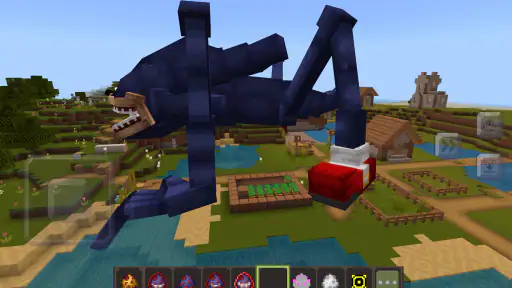
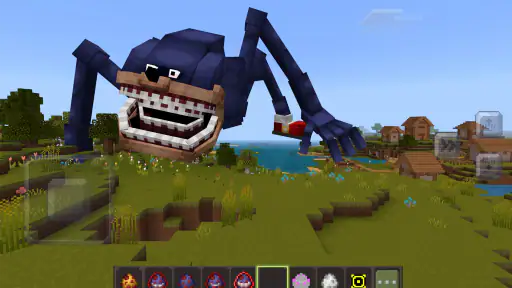
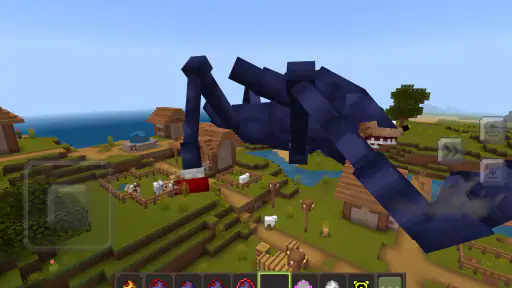
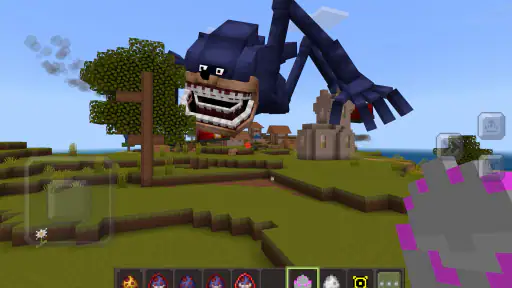
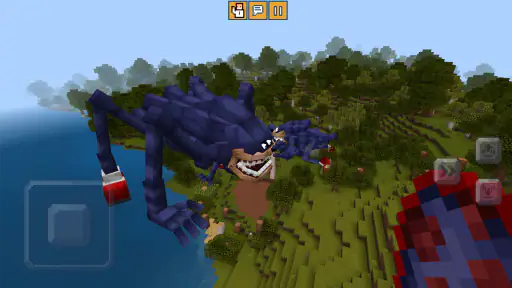
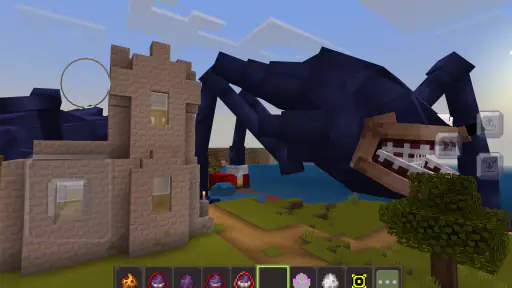
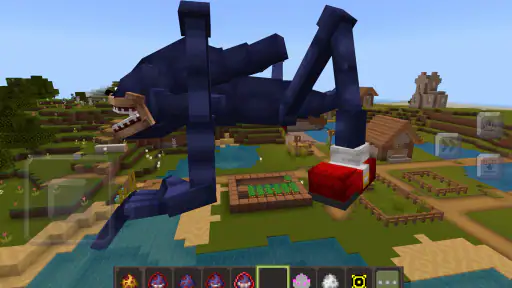
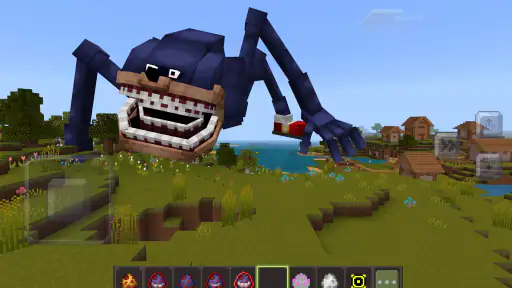
 Analysis by Frivlyz
I like block-building games most when they give me a reason to make a choice, not just a blank landscape and an invitation to wander. ShinCraft: Speed Awakens caught my attention because its identity brings quick action together with creative construction. That combination can make a short play session feel purposeful: I gather what I need, decide what to make, and try to turn a rough idea into something before my momentum fades. It is a free simulation game from SimulationCraft Studios, rated Teen, and the central appeal is easy to understand even if you have never spent much time with crafting games.
Starting with a clear goal
The first useful question is whether you enjoy making decisions while you are still moving. In a relaxed building game, I can collect materials at my own pace and revise a design repeatedly. A speed-oriented approach changes that mood. I have to think about the result I want, then avoid getting distracted by every possible improvement along the way. For a newcomer, that makes the premise approachable: instead of needing elaborate plans, I can pick one small construction goal and use it to learn how the game’s world responds.
A practical way to begin is to treat an early attempt as a test rather than a performance. I would focus on the basic sequence of exploring, collecting, crafting, and placing blocks before worrying about making anything impressive. That helps separate two kinds of difficulty: learning how the controls and crafting flow work, and deciding how ambitious a build should be. If I try to solve both at once, the clock-like pressure can turn a creative game into a scramble. Keeping the first goal modest gives me room to notice which actions feel natural and which ones deserve more thought.
That makes the game a better fit for players who like compact challenges and visible progress than for people looking for a completely unhurried sandbox. It can also suit a quick break after work or school, when I want a simple target rather than a long campaign to remember. If my main pleasure comes from spending an entire evening refining one careful design, I would lean toward a slower block-building alternative. The appeal here is the tension between planning and pace, not unlimited time to polish every corner.
The Blocky Universe Awaits
As soon as you fire up ShinCraft: Speed Awakens, you’re greeted with a vibrant, pixel-perfect world. It instantly reminded me of those lazy afternoons spent building castles and dodging creepers. But here’s the twist – speed is of the essence. This game takes the traditional crafting experience and adds a thrilling element of urgency. You're not just building, you’re racing against time, and trust me, it gets your adrenaline pumping in no time.
Gameplay and Features
Let’s talk about the gameplay. Imagine crafting at breakneck speed, where every second counts. You’re tasked with gathering resources, crafting tools, and building structures, all while keeping an eye on the clock. It’s like traditional crafting but on a whole new level. The controls are intuitive, making it easy for even a novice to jump right in and start exploring. And the best part? The game doesn't skimp on features. From intricate crafting recipes to a wide variety of blocks, it’s all there to keep you hooked.
The most useful adjustment I would make after a few attempts is to decide my build’s shape before gathering materials. A simple outline or a rough plan in my head reduces the temptation to collect blocks without knowing how they will fit together. I would also leave time for construction rather than spending the whole run exploring; in a fast loop, a resource pile only matters if I can turn it into something. This is a small planning habit, but it makes each attempt easier to judge: I can tell whether the idea was too ambitious, the route was inefficient, or I simply need a more direct build.
Gaming Stories You May Enjoy

Dancing Road Turns Short Breaks Into a Test of Rhythm and Timing

Super Stylist Makes Every Outfit a Test of Taste and Patience

Dominoes on Your Terms: Who Should Play and Who Should Pass

Pokémon GO Makes the Familiar World Feel New

Chess.com Turns Rematches Into Rivalries, but Community Has Its Costs

Archery Battle 3D Review: Sharp Aiming, Unclear Feedback
That trade-off is also what separates this from the usual open-ended crafting game. A sandbox generally rewards patience and experimentation, while a speed-focused session rewards prioritizing and acting on a plan. Neither style is automatically better. I would choose a slower alternative if I wanted to decorate without pressure, or a more action-heavy game if I wanted combat and reflexes to be the main event. ShinCraft’s middle ground should appeal to someone who wants construction to feel active, but it may frustrate players who see a timer as an interruption rather than a useful constraint.
One feature I particularly enjoyed is the multiplayer mode. It’s a blast to team up with friends and see who can build the fastest. Plus, there’s something incredibly satisfying about showing off your creations to others. The game also introduces various challenges and events, keeping the gameplay fresh and exciting. Whether you’re a competitive player or someone who enjoys a leisurely build, there’s something for everyone.
Making each attempt count
When I have only a little time to play, I would treat a session like a quick design exercise: choose one structure, decide on its essential materials, then focus on finishing a recognizable version before adding decoration. That keeps the reward immediate. The satisfaction is not only in having more blocks placed; it is in seeing a plan survive the pressure of gathering and construction. If I have longer, I can use the same basic idea to test a more ambitious shape, but I would still keep a clear stopping point so the session does not become aimless.
Playing with friends changes the value of a build. In a solo attempt, I can measure success against my own plan; with other players, the fun also comes from comparing approaches and seeing how different people use their time. I would go in with a playful goal rather than expecting a perfectly balanced contest every time. Some players may prioritize speed, while others may care more about appearance, and that difference can be part of the entertainment. If the group wants a quiet, collaborative project with no pressure, a slower shared-building game may suit them better.
For an everyday example, imagine opening the game during a short break and deciding to make one compact shelter rather than a sprawling base. I can gather only what that idea needs, build the main shape, and use whatever time remains to add a detail. If I run out of time or the result looks rough, I still have a concrete lesson for the next attempt: simplify the design, collect in a more deliberate order, or reserve more of the session for placing blocks. That kind of reset gives a failed run a purpose instead of making it feel wasted.
Visuals and Sound
Now, let’s chat about the visuals and sound. The pixel art style is charming and nostalgic, with vibrant colors that pop and landscapes that invite exploration. It’s amazing how much detail can be packed into those tiny squares. The soundtrack complements the visuals perfectly, with upbeat tunes that keep your spirits high as you race against time. It’s the kind of game where you might find yourself humming along while you play.
The blocky presentation is a good match for quick decisions because shapes and materials are easy to read at a glance. That matters when I am trying to keep a build coherent without stopping to inspect every detail. At the same time, visual charm cannot replace the satisfaction of a strong crafting loop; players who mainly want elaborate scenery may care more about variety and fine control than a brisk pace. I would judge the art by whether it helps me understand the space and enjoy the moment, not by how closely it imitates a particular building game.
Sound can support the pace, but it is worth deciding how much of it you want during a casual session. If I am playing somewhere quiet or listening to something else, I can focus on the visual rhythm instead; if I want the game to feel lively, the upbeat music adds energy. The useful point is that the presentation and the quick-building premise work together, while neither should be mistaken for a substitute for patient, detailed construction. That distinction helps set expectations before investing a lot of time in it.
The animations are smooth, and I didn’t encounter any noticeable lag, which is always a bonus in a game that demands quick reflexes. The developers have done a commendable job in optimizing the game for mobile devices, ensuring a seamless experience even on older models.
Who will enjoy the pace—and who may not
The game has reached over five million installs and holds an average rating of 3.7 from around three thousand ratings, with sixty-three written reviews. I read that combination as a sign of a recognizable audience rather than a guarantee that every player will like the same parts. The strongest match is someone who enjoys block construction but wants a brisker reason to act than a limitless creative mode provides. Its Teen rating is another practical consideration for families choosing a game, while the free price makes it easy to try without committing to a purchase.
I would be more cautious if I wanted a dependable long-term world to slowly expand, or if I dislike having to prioritize under pressure. Players who prefer exploration without a defined pace may find the central idea restrictive, and those seeking a deep action game may find that building remains the point rather than simply a backdrop for combat. The version is 1.20.1.0.1-alpha-test, and it runs on Android 5.0 or later. Since the version label includes “alpha-test,” I would approach it with a little patience and avoid assuming every part will feel as settled as a mature, slower-paced alternative.
That is also why I would think about the device and play setting before starting a focused run. A small screen or interruptions can make it harder to keep a construction plan in mind, so I would begin with a compact design and learn whether the controls suit me. If I am interrupted, I can return with a simpler objective instead of trying to recreate a complicated plan from memory. This is not a special trick hidden in a menu; it is a way to make the game’s speed feel manageable in real life rather than treating every session like a perfect uninterrupted challenge.
Final Thoughts
In conclusion, ShinCraft: Speed Awakens is a delightful twist on the classic crafting genre. It’s a game that challenges your creativity and speed, wrapped up in a nostalgic package that’s hard to resist. Whether you’re a seasoned crafter or a newcomer to the blocky realms, there’s plenty of fun to be had. So, why not give it a try and see how fast you can build your dream world?
For me, its best reason to begin another session is the chance to make a cleaner decision than I did last time: gather with a purpose, build the essential shape, and see whether the next plan holds together better. The reward is a visible result, while the reset gives me permission to adjust instead of treating an imperfect attempt as a failure. I would recommend trying it if that action-feedback-reward rhythm sounds appealing. If what you want is a calm, open-ended place to build without urgency, I would pick a more relaxed sandbox instead.
ShinCraft: Speed Awakens Pros and Cons
Pros
- Engaging storyline keeps players hooked.
- High-quality graphics enhance gameplay.
- Variety of characters to choose from.
- Frequent updates with new content.
- Easy controls for smooth navigation.
Cons
- In-app purchases can be pricey.
- Requires a stable internet connection.
- Occasional lag on older devices.
- Limited offline gameplay options.
- Some ads disrupt gaming experience.
Frequently Asked Questions
What is ShinCraft: Speed Awakens?
ShinCraft: Speed Awakens is an exciting mobile game that combines strategic gameplay with fast-paced action. Players build and customize their own worlds, engaging in thrilling races and challenges. The game offers a unique blend of crafting and speed, making it a must-try for fans of both genres. Available on Android and iOS, it promises endless entertainment for gamers.
Is ShinCraft: Speed Awakens free to play?
Yes, ShinCraft: Speed Awakens is free to download and play. However, like many mobile games, it does offer in-app purchases. These purchases can enhance your gaming experience by providing additional resources, skins, or other advantages. While it's possible to enjoy the game fully without spending money, some players choose to make purchases to progress faster or customize their experience.
What are the system requirements for ShinCraft: Speed Awakens?
To run ShinCraft: Speed Awakens smoothly, you'll need a device with at least 2GB of RAM and Android version 6.0 or higher, or iOS 11.0 or later. The game is optimized for performance, but having a device that meets or exceeds these specifications will ensure the best gaming experience. Always check for the latest updates to maintain compatibility.
Does ShinCraft: Speed Awakens require an internet connection?
ShinCraft: Speed Awakens does require an internet connection to access certain features, such as multiplayer modes and leaderboard rankings. While some parts of the game can be played offline, staying connected ensures you get the full experience, including updates and special events. Make sure you have a stable internet connection to enjoy all aspects of the game.
How can I contact the support team for ShinCraft: Speed Awakens?
If you encounter any issues or have questions about ShinCraft: Speed Awakens, you can contact their support team through the app itself. Navigate to the settings menu and select 'Support' to send a message or report a problem. Additionally, you can visit the official website for more contact options and FAQs. The support team is dedicated to helping players with any concerns.


