

Seekers Notes: Hidden Objects
- Reviews
- 4.3
- Version
- 2.63.1
- Installs
- 10,000,000+

Screenshots


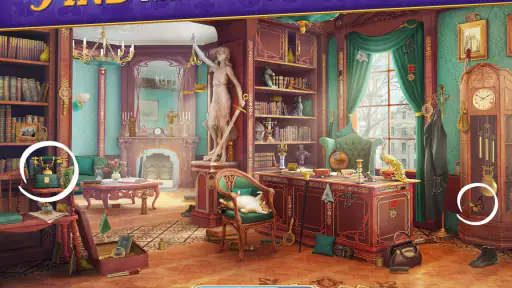
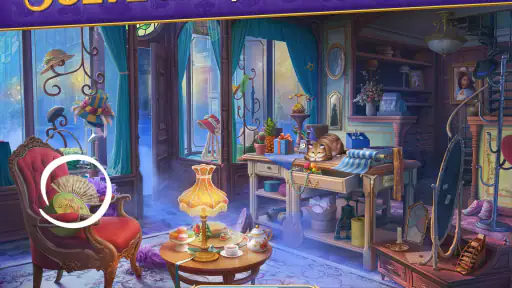
 Analysis by Frivlyz
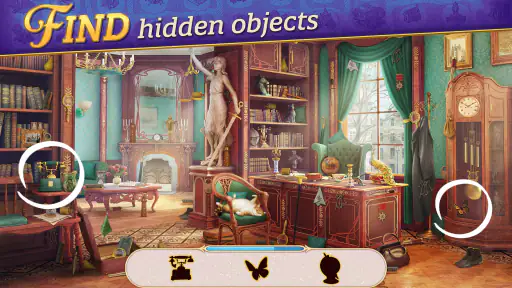
I approach hidden-object games as small, focused breaks: I want a scene I can explore at my own pace, a clear goal, and enough atmosphere to make the search feel like more than tapping through a list. Seekers Notes: Hidden Objects fits that mood with a mysterious setting and a steady stream of things to uncover. It is a free adventure game from Mytona, rated for Everyone, and its blend of observation and story is aimed at players who enjoy looking closely rather than rushing through action.
What to expect from Darkwood
The game’s central appeal is its invitation to explore Darkwood, a town framed by secrets and eerie locations. Instead of asking you to navigate a large open world, it gives you places to inspect and objects to find, making each visit feel like a compact puzzle. That structure suits short sessions: I can open the game with a few minutes to spare, focus on a scene, and leave when I’m ready without needing to remember a complicated control scheme.
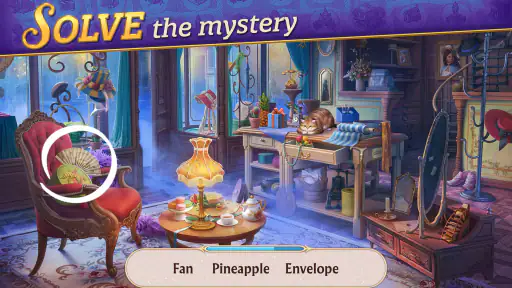
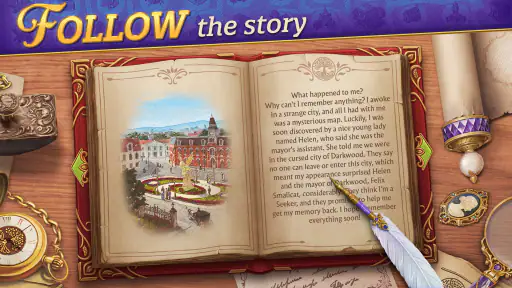
There is more to the experience than spotting objects. Quests and puzzles give the searching a sense of direction, while the unfolding mystery provides a reason to move from one task to the next. I find that combination more satisfying than a collection of unrelated picture searches, though the core activity remains careful visual scanning. If searching scenes is not enjoyable in itself, the surrounding adventure may not be enough to change your mind.
Getting started without overthinking it
My advice to a new player is to treat the first session as a gentle introduction rather than a race to unlock everything. Take time to learn how the scenes present their targets and how the game directs you toward the next objective. The visual detail is part of the charm, but it can also make a target easy to overlook when it blends into the background. I get better results by scanning one section at a time instead of darting randomly across the whole image.
It helps to keep the story and the immediate task separate in your mind. The larger mystery gives context, but the practical goal in a scene is usually simple: pay attention to the requested objects and search carefully. When I feel stuck, I pause and look again at areas I dismissed too quickly. That small reset is often more useful than tapping at random, and it keeps the challenge fair rather than turning every missed item into a frustration.
Finding the first satisfying win
The first meaningful success is not just opening the game; it is completing a search and seeing that action feed into a quest or puzzle. That loop makes the basic activity feel purposeful. A good approach is to read the current objective before entering a scene, then search with that goal in mind. It gives each session a clear endpoint and makes it easier to stop after one task instead of letting a casual break stretch longer than intended.
The game has an average rating of 4.3 from around 578,000 ratings, and it has been installed over 10 million times. Those figures suggest that its particular mix of hidden-object play and adventure has found a broad audience, but they do not mean it will suit every puzzle fan. I would recommend it most readily to someone who likes detailed scenes, a continuing mystery, and progress built from small completed tasks.
Gaming Stories You May Enjoy

Dancing Road Turns Short Breaks Into a Test of Rhythm and Timing

Super Stylist Makes Every Outfit a Test of Taste and Patience

Dominoes on Your Terms: Who Should Play and Who Should Pass

Pokémon GO Makes the Familiar World Feel New

Chess.com Turns Rematches Into Rivalries, but Community Has Its Costs

Archery Battle 3D Review: Sharp Aiming, Unclear Feedback
The Allure of Darkwood
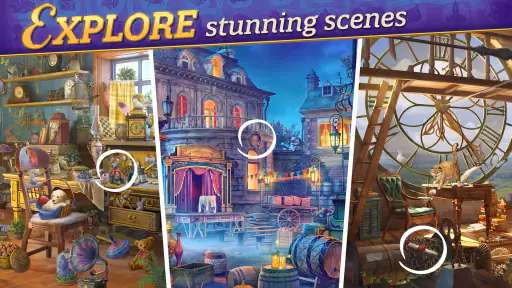
From the moment you install Seekers Notes, you are transported into the eerie yet enchanting town of Darkwood. Imagine wandering through fog-laden streets and exploring mysterious locations like the ghostly Station or the grandiose Mayor’s Office. The game’s graphics are nothing short of stunning, making every scene a visual delight. It’s like having a mini-adventure right in your pocket!
Gameplay That Keeps You Hooked
Let me dive into what really makes this game a standout. At its core, Seekers Notes is a hidden object game, but it offers so much more. The variety of puzzles and quests keeps the gameplay fresh and exciting. You’re not just searching for items; you’re solving puzzles, unlocking new areas, and advancing the storyline. There’s a genuine sense of accomplishment when you solve a tricky puzzle or find that elusive item. Plus, the regular updates mean there’s always something new to discover.
And don’t even get me started on the special events! These limited-time challenges add an extra layer of excitement, offering unique rewards. It’s like having a surprise party where you’re the guest of honor.
Community and Social Interaction
But wait, there’s more! One of the coolest features is the social aspect. You can team up with friends or make new ones through the game. Sharing gifts, tips, and even competing in friendly challenges adds a wonderful social dimension to the game. It’s like being part of a secret club where everyone’s goal is to unravel the mysteries of Darkwood.
Even if you’re playing solo, the game has an awesome community vibe with forums and social media pages where players share insights and strategies. It’s a thriving community that adds to the overall experience.
Choosing a comfortable pace
One practical question is whether the game works for someone who only wants to play occasionally. I think it can, provided you are comfortable returning to an ongoing adventure rather than expecting every session to stand alone. A quick visit can still have a clear purpose if you choose one quest or scene as your target. Players who prefer a self-contained puzzle that is finished and forgotten in a single sitting may be happier with a straightforward puzzle collection.
For a realistic everyday use, I could see opening it while waiting for an appointment or winding down after dinner. I would decide in advance whether I have time for one search or a longer stretch, because quests and events can make “just one more” tempting. The scene-based format is a better fit for those spare moments than a game that demands constant movement or fast reactions, but it is still worth putting the phone away when you need to focus on something else.
There is a useful trade-off in the detailed artwork. It helps Darkwood feel distinctive, yet crowded scenes can make searches harder when you are tired, using a small screen, or playing in a hurry. If an object seems impossible, I would stop scanning the same broad area and switch to a slower, deliberate sweep: check the edges, then work across the image in small sections. That method is more reliable than repeatedly tapping likely spots, and it gives your eyes a chance to notice shapes that initially blended into the scenery.
How it compares with other puzzle games
Compared with a simple hidden-object app that presents isolated pictures, this one puts searches inside a larger adventure, with quests and a mystery connecting the activity. That context is a strength if I want a reason to return and see what comes next. It is also a commitment: a player looking only for a quick brain teaser without story or ongoing progression may prefer a compact puzzle game that lets them jump straight to a fresh challenge each time.
It also differs from action-heavy adventure games. The pleasure here is observation and patient problem-solving, not quick reflexes or navigating a character through demanding levels. That makes it an easier recommendation for someone who likes mysteries but does not want twitch gameplay. On the other hand, if you want direct control, constant movement, or a strong sense of physical exploration, a conventional action adventure will likely feel more rewarding.
The current version is 2.63.1, and the game first arrived on December 8, 2015. It remains free to start, but optional in-app purchases range from $0.99 to $99.99 per item. I would go in with a simple boundary: enjoy the free experience at your own pace and only consider spending if a purchase clearly suits your own budget. The presence of paid items is worth knowing before you begin, especially if you are choosing a game for a younger player, even though the content rating is Everyone.
Common points of confusion
A frequent source of frustration in hidden-object games is assuming that a missed target means the game has failed to register a tap. In a detailed scene, the more likely issue may be that the object is partly obscured, small, or visually similar to its surroundings. I try to read the target carefully and distinguish its outline from nearby decoration before tapping. If I keep missing, a brief pause is better than frantic searching; tired eyes make subtle objects harder to pick out.
Another expectation to set is that not every activity will feel equally fresh. The main skill is still searching scenes, so players who tire quickly of visual puzzles may find the routine repetitive even when quests and events add context. The events can provide a reason to revisit, but their limited-time nature may also make the game feel less relaxing if you feel compelled to keep up. I treat them as optional diversions, not a checklist I must complete.
Social play is available for people who enjoy sharing tips or gifts, but it is not the reason I would tell a newcomer to install the game. If you prefer to play alone, you can still focus on the scenes and story; community interaction is an extra, not a requirement for appreciating the central search loop. Conversely, if meeting other players is your main goal, a dedicated social game will offer a more direct experience.
Who is likely to enjoy it
I would point a friend toward this game if they like atmospheric settings, object-hunting challenges, and a mystery that gives individual searches a broader purpose. It can also suit someone who wants a low-pressure mobile activity that does not depend on fast reflexes. The adventure category is a useful description of its framing, but the hands-on play is closer to patient visual puzzle-solving than to a traditional journey full of movement and combat.
I would steer away from it if you dislike scanning busy images, want every level to be completely independent, or prefer a game with no ongoing events and progression. It is also not the strongest choice for a player who wants to avoid all optional spending without ever seeing purchase prompts, or for someone seeking a demanding, fast-paced challenge. Knowing those preferences before installing makes the choice clearer than relying on the mysterious presentation alone.
For device compatibility, the listed minimum operating-system requirement is Android 7.0. The game is free to download, so a first-time player can try the basic experience before deciding whether its pace and style click. If you are installing it for someone else, I would explain both that it is rated for Everyone and that optional purchases are part of the game, then agree on a spending rule in advance rather than deciding in the middle of a tempting event.
Making the next session count
Once the first search feels comfortable, I would build a small routine around the game: check the active objective, choose a reasonable stopping point, and leave the next session with one clear task in mind. That is especially helpful when a story-driven game offers several things to pursue. Instead of trying to clear everything at once, focus on the scene or quest that most interests you; a modest goal keeps the experience enjoyable and makes progress easier to notice.
If you do get stuck, change the way you look rather than simply looking longer. Divide a scene mentally into a few zones, sweep them in order, and give extra attention to edges and overlapping details. If the game’s current objective involves a particular quest, use that as your filter so you are not treating every available activity as equally urgent. This is a simple, practical way to turn a vague search into a sequence of manageable checks.
For players who enjoy community features, exchanging tips can be a good way to get past a tricky point without turning the game into a solitary test of patience. I would still try a careful second scan first; solving a scene yourself is part of the reward. When you do ask for help, a specific question about what you are overlooking is more useful than asking someone to tell you everything, because it preserves the satisfaction of finding the answer.
Final Thoughts
In a world full of repetitive mobile games, Seekers Notes: Hidden Objects stands out as an engaging and visually appealing app. Whether you’re a casual gamer or someone who loves a good mystery, this game offers something special. The mix of beautiful graphics, challenging puzzles, and a supportive community makes it a must-try for anyone looking to escape into a world of enchantment and adventure.
So, if you’re ready to embark on a journey filled with secrets, mystery, and fun, download Seekers Notes today and start uncovering the hidden treasures of Darkwood. Trust me, you won’t regret it!
Seekers Notes: Hidden Objects Pros and Cons
Pros
- Immersive storyline with engaging quests.
- Regular updates with new events and rewards.
- Beautifully designed graphics and scenes.
- Variety of puzzles keeps gameplay fresh.
- Active player community with helpful forums.
Cons
- Can be overwhelming for new players.
- Requires stable internet connection.
- In-app purchases can be costly.
- Energy system limits playtime.
- Occasional glitches with game updates.
This Game in Other Languages
Frequently Asked Questions
What is Seekers Notes: Hidden Objects?
Seekers Notes: Hidden Objects is an immersive hidden object game where players take on the role of the Seeker, the owner of a magical map, tasked with saving the cursed city of Darkwood. Players must solve intricate puzzles, collect hidden objects, and unlock secrets to unravel the mysteries of the city and break its dark spell.
Is Seekers Notes: Hidden Objects free to play?
Yes, Seekers Notes: Hidden Objects is free to download and play. However, the game offers in-app purchases that can enhance the gaming experience by providing additional energy, tools, or other helpful items. While not necessary to progress, these purchases can make gameplay smoother for those who prefer a faster pace.
What platforms is Seekers Notes: Hidden Objects available on?
Seekers Notes: Hidden Objects is available on both Android and iOS platforms. This makes it accessible to a wide range of smartphone and tablet users. Players can download the game from the Google Play Store for Android devices or the Apple App Store for iOS devices.
What type of gameplay does Seekers Notes: Hidden Objects offer?
Seekers Notes: Hidden Objects offers a captivating blend of hidden object searches, puzzle-solving, and adventure gameplay. Players will explore various beautifully designed locations, interact with engaging characters, and solve challenging puzzles. The game also features a storyline that unfolds as players progress, adding depth and intrigue to the experience.
Can Seekers Notes: Hidden Objects be played offline?
Seekers Notes: Hidden Objects requires an internet connection to play. This is because the game frequently updates with new content, events, and challenges that require online access. Players need to be connected to the internet to enjoy the full experience, participate in events, and receive the latest updates.


