

SAS: Zombie Assault 4
- Reviews
- 4.4
- Version
- 2.2.2
- Installs
- 10,000,000+

Screenshots
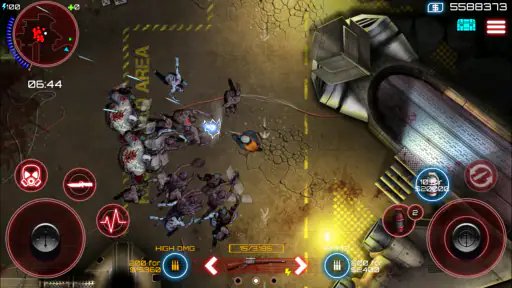
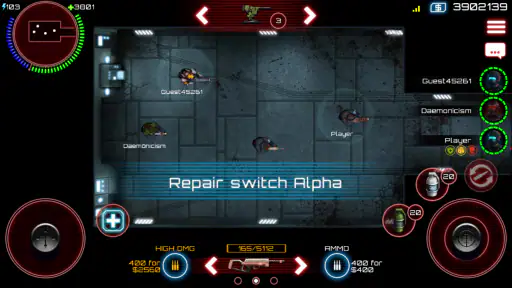
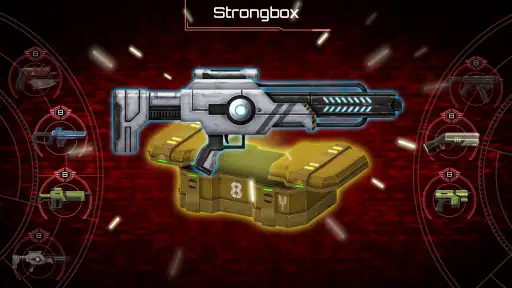
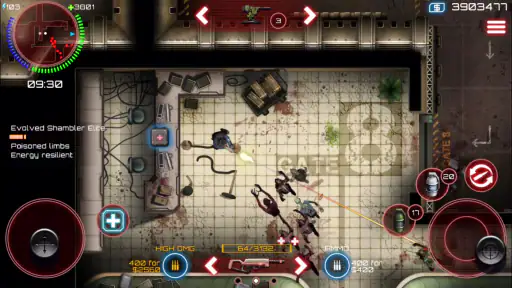
 Analysis by Frivlyz
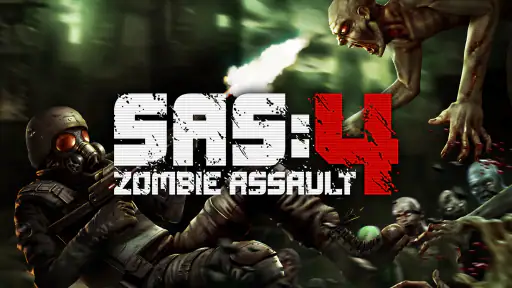
I approached SAS: Zombie Assault 4 expecting a quick zombie shooter and found something closer to a compact action RPG built around repeated missions, character improvement, and increasingly dangerous crowds. It is free to play on Android, belongs to the action game category, and comes from ninja kiwi. The basic appeal is easy to understand: choose a hero, improve equipment, carry a serious collection of guns, and fight through waves of undead enemies.
What makes it worth discussing is not simply the zombie theme. The game is at its best when I treat each mission as a short tactical exercise rather than mindless shooting. Movement, weapon choice, ability timing, and the decision to push forward or play safely all matter. It is also the kind of game that can fit into a short break, although its progression loop can encourage longer sessions once I start chasing better gear.
How the current version feels to play
The current release is version 2.2.2, and the game remains an established choice rather than a new experiment. Its average score is 4.4 from roughly 409 thousand ratings, while the wider player base has taken it beyond 10 million installs. Those figures suggest a substantial audience, but they do not remove the need to decide whether this particular style of action game suits you.
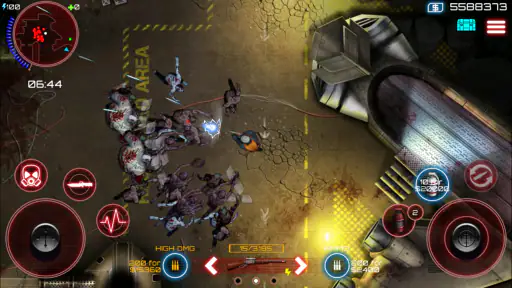
At its core, I move through zombie-filled areas, aim at threats, collect rewards, and improve my loadout for the next challenge. The controls are designed for touch screens, so the experience is more immediate than a slow, menu-heavy role-playing game. I can get into a fight quickly, react to a sudden group, and keep the action moving without spending every minute managing equipment.
The important distinction is that shooting alone is not enough. A weapon that feels comfortable against ordinary enemies may be less useful when the screen becomes crowded or when a tougher target demands sustained damage. I found it helpful to think about range, firing rhythm, and the space available around my character before committing to an attack. Backing away is often more valuable than standing still and trying to win a damage race.
That makes the game accessible for someone who wants straightforward action, but it also gives experienced players room to refine their habits. I do not need to understand every improvement immediately. I can begin with the obvious loop of entering a mission and defeating zombies, then gradually pay closer attention to how my equipment and hero choices affect survival.
The progression loop rewards deliberate preparation
Customization is one of the main reasons I kept returning. The game lets me work on my hero, gear, and guns, so progress is not limited to learning enemy patterns. Better preparation changes how a mission feels. A fight that seemed overwhelming can become manageable after I adjust my equipment or stop using a weapon simply because it looks powerful on paper.
Gaming Stories You May Enjoy

Dancing Road Turns Short Breaks Into a Test of Rhythm and Timing

Super Stylist Makes Every Outfit a Test of Taste and Patience

Dominoes on Your Terms: Who Should Play and Who Should Pass

Pokémon GO Makes the Familiar World Feel New

Chess.com Turns Rematches Into Rivalries, but Community Has Its Costs

Archery Battle 3D Review: Sharp Aiming, Unclear Feedback
One useful habit is to separate upgrades into two questions: what helps me survive right now, and what supports the kind of play I actually enjoy? A player who likes staying mobile may value a different setup from someone who prefers holding a position and clearing enemies at a distance. Spending every improvement on raw offensive power can leave a character exposed when a mission becomes chaotic.
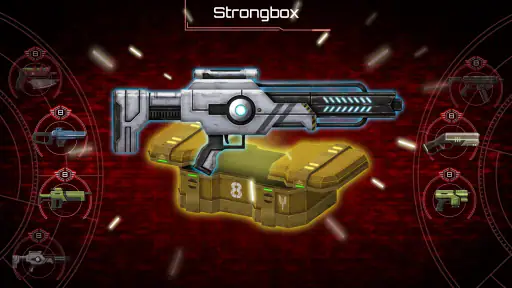
I also recommend avoiding the temptation to treat every reward as an automatic replacement. A new item is not necessarily better for the way I play. I get more value from comparing how a weapon behaves during movement, how quickly I can respond when enemies close in, and whether its strengths remain useful outside one particular encounter. This small pause prevents the equipment screen from becoming a constant source of impulsive decisions.
Why the action remains enjoyable after the first sessions
The strongest part of the experience is the pressure created by groups of enemies. Zombies are familiar opponents, but large numbers turn ordinary movement into a problem to solve. I have to notice escape routes, avoid being boxed in, and decide which target deserves attention first. That creates tension without requiring complicated controls.
There is also a satisfying rhythm between action and preparation. I can finish a run, inspect what I earned, make a few changes, and return with a clearer plan. This is more engaging than a shooter where every mission feels identical because the player’s only meaningful choice is whether to press the fire button.
Still, the repetition is real. If you dislike replaying missions or improving equipment through repeated combat, the central loop may start to feel routine. The game is not a good fit for someone looking for a story-first adventure with constant changes of scenery or deep dialogue. Its pleasure comes from combat decisions and gradual strengthening, not from a cinematic campaign.
Playing in short breaks and longer sessions
I can see this working well during a commute, a lunch break, or a few minutes waiting for an appointment. The action starts quickly, and a short session can still include a mission, some reward management, and a small adjustment to the character. That makes it more convenient than many larger action games that need a long uninterrupted block of time before they feel worthwhile.
Longer sessions have a different character. Once I begin comparing guns and trying to improve my results, the game becomes more absorbing, but also more repetitive. I would not recommend playing indefinitely without a break, especially if the same combat pattern starts to blur together. A useful routine is to stop after a clear upgrade goal rather than continuing simply because another reward is available.
The Teen content rating is also worth considering before installing it for a younger player. The zombie setting and action focus are central to the experience, so this is not a gentle cartoon game despite its accessible touch controls. Parents should make the decision based on the tone of undead combat, not just the simplicity of the interface.
What has changed, who benefits, and where it still falls short
I’d use this section to weigh the game as it stands: its established combat-and-upgrade loop suits players who enjoy building a better routine across repeated runs, while its age and familiar mission rhythm may leave variety-seekers wanting more. The practical test is whether adjusting a loadout makes another session feel purposeful, rather than simply longer.
Reading the current release without overpromising
Version 2.2.2 is the release I would use when judging the game today. The known release date is October 17, 2014, which places the game in a different generation from many newer mobile shooters. That age is not automatically a weakness: established games can have a more familiar structure and a large community. However, I would approach it as a mature action title rather than expecting the presentation or design priorities of a brand-new mobile release.
The sensible way to view its evolution is through the current playable package, not through assumptions about future updates. I can judge the existing combat, progression, customization, and monetization directly. I would not install it based on a promise that a later update will solve a particular annoyance. If the present loop already sounds appealing, the game has a fair chance of holding my attention; if I need a feature that is not currently part of the experience, waiting for an unspecified change is not a reliable plan.
For existing players, a mature version can be reassuring because the basic identity is clear. I know whether I enjoy the shooting and equipment cycle after only a few sessions. Newcomers also benefit from that clarity, but they should expect to spend time learning how their choices affect combat rather than assuming that every improvement will be obvious.
Three practical habits that make a difference
My first practical tip is to protect movement space before chasing a target. When a crowd gathers, the nearest enemy is not always the most important one. I get better results by keeping an exit route open and avoiding corners until I understand how quickly the group is closing. This is especially useful for players who naturally focus on damage and forget that being surrounded removes the chance to use their equipment effectively.
My second tip is to create a simple test routine for new guns. Instead of judging a weapon from its reward screen, I use it in a situation where I can observe its firing behavior, handling, and usefulness while repositioning. If it only feels good when enemies are already under control, it may not be the best everyday choice. This approach also reduces the frustration of replacing a familiar weapon too quickly.
My third tip is to set a specific reason for each upgrade. I might improve a setup because I am struggling to survive crowded encounters, because I need more reliable damage against tougher enemies, or because I want a more mobile style. Having that reason makes the progression system easier to understand and helps prevent resources from being spread across changes that do not solve an actual problem.
A fourth useful trade-off concerns spending. The game is free, but its in-app purchases range from $0.99 to $49.99 per item. I would treat that as a reason to decide on a personal limit before getting invested in progression. Players who enjoy earning improvements through play should be comfortable ignoring purchases, while anyone tempted by faster advancement should pause and ask whether the next item changes the experience meaningfully or merely shortens the wait for a familiar reward.
Where it compares well with other mobile action games
Compared with a simple endless shooter, this game gives me more reasons to care about the result of each mission. The hero, guns, and gear create a layer of planning that a purely score-based arcade game usually lacks. I am not only trying to survive the current wave; I am also thinking about how the next run might be easier or more efficient.
Compared with a large, story-driven action game, it is much more focused. There is less reason to expect exploration, elaborate narrative pacing, or a constantly changing set of activities. That focus is a strength when I want direct combat on a phone, but a weakness when I want a broad adventure. I would choose this over a slower role-playing game when I have a short break and want immediate action. I would choose the slower alternative when character relationships, world-building, or a longer campaign matter more than repeated combat.
It also occupies a useful middle ground between casual and demanding play. The controls are approachable, yet careless movement can still create problems. Someone new to mobile shooters can begin without mastering a complicated control scheme, while a more experienced player can improve by managing positioning and equipment intelligently.
Limitations worth knowing before installing
The biggest limitation is repetition. The same basic pleasure that makes the game easy to pick up can eventually make it feel predictable. Players who need frequent surprises may lose interest, particularly if they do not enjoy comparing equipment or replaying action scenarios for incremental gains.
The touch-screen format is another compromise. It is convenient, but it cannot offer the same precision or physical feedback as a dedicated controller and larger display. I found that careful movement matters more when the screen becomes busy, and players who dislike virtual controls may never feel fully comfortable. This is not a flaw unique to this title, but it affects whether the shooting feels satisfying.
Monetization can also influence the mood of progression. Even when I am happy to play for free, seeing optional purchases priced across a wide range may make the improvement loop feel less relaxed. My advice is to enjoy the combat first and treat purchases as optional rather than as part of the required route to make the game worthwhile.
Device compatibility is reasonably broad for an older mobile game because it requires Android 5.0 or later, but that does not guarantee identical comfort on every phone. Screen size, touch response, and available storage can affect how pleasant the action feels. I would test the controls early and decide quickly whether aiming and movement feel natural on my device.
Who should choose it and what to watch next
I recommend this game to players who like zombie action, equipment improvement, and missions that can fit into short mobile sessions. It is particularly suitable for someone who enjoys making small tactical adjustments and seeing those choices improve the next run. The free entry point makes it easy to try without committing money immediately.
I would skip it if you want a calm game, a heavily narrative experience, or a shooter with minimal repetition. I would also be cautious if you are easily drawn into optional purchases and prefer games where progression never feels connected to spending. In that case, a premium action game or a simpler arcade title may provide a better match, depending on whether you value depth or immediacy.
For future attention, I would watch how the game’s current version continues to serve both new and long-time players. The important questions are practical: does the progression remain understandable, do equipment choices continue to feel meaningful, and does the action stay varied enough to justify returning? Those are more useful signals than simply expecting a higher version number.
After spending time with it, my view is straightforward: this is a focused, replayable mobile zombie shooter with enough customization to rise above a basic wave game. Its age, repetition, touch controls, and purchase options are genuine considerations, but none of them erase its central strength. If you enjoy turning short combat runs into a steady improvement project, it is an easy free game to try; if you need variety or story above all else, look elsewhere.
SAS: Zombie Assault 4 Pros and Cons
Pros
- Fast-paced twin-stick shooting feels responsive and satisfying.
- Large weapon selection supports different combat styles.
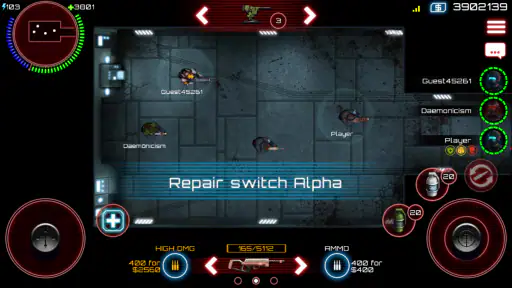
- Co-op multiplayer makes missions more enjoyable with friends.
- Frequent loot drops keep progression engaging.
- Runs well on many older Android and iOS devices.
Cons
- Energy limits can interrupt longer play sessions.
- Inventory management becomes tedious as loot accumulates.
- Some upgrades require significant grinding to unlock.
- Online features depend on a stable internet connection.
- Visual effects can make crowded battles difficult to read.
Frequently Asked Questions
What is SAS: Zombie Assault 4?
SAS: Zombie Assault 4 is a fast-paced top-down action shooter for Android and iOS. You fight through infected areas, complete missions, and survive increasingly dangerous zombie waves. The game includes several character classes, a large selection of weapons, special abilities, and equipment upgrades. It is designed primarily for short, intense sessions, but progression and difficulty give you reasons to keep playing.
Can I play SAS: Zombie Assault 4 offline?
The game may allow some gameplay features to work without a constant internet connection, but online access is generally important for the complete experience. Multiplayer modes, account synchronization, updates, events, purchases, and certain connected services may require an internet connection. Before downloading, players should also remember that offline availability can vary by device, operating system version, and the specific game mode being used.
Does SAS: Zombie Assault 4 support multiplayer?
Yes, SAS: Zombie Assault 4 is well known for its cooperative multiplayer gameplay. You can team up with other players and fight through zombie-filled missions together, which makes difficult encounters more manageable and adds a stronger sense of progression. Multiplayer performance depends on your connection and the activity of the game’s online community, so a stable internet connection is recommended.
Is SAS: Zombie Assault 4 free to play?
SAS: Zombie Assault 4 can generally be downloaded and played for free, but it includes optional in-app purchases. These purchases may provide currency, equipment, convenience items, or other progression-related benefits. You can enjoy the core shooting and mission experience without paying, although advancing efficiently may require patience and repeated play. Parents should review device purchase settings before allowing younger players to play.
What devices are compatible with SAS: Zombie Assault 4?
Compatibility depends on the version available through the Google Play Store or Apple App Store, as well as your device’s operating system, hardware, and available storage. Because the game contains detailed effects, numerous enemies, and online features, older phones or tablets may experience slower performance. Check the current store listing before installing, and keep enough free space available for updates and additional game data.


