

Rogue Hearts
- Reviews
- 4.2
- Version
- 1.6.9
- Installs
- 500,000+

Screenshots

 Analysis by Frivlyz
I tend to enjoy role-playing games most when they ask me to make deliberate choices rather than simply tap through fights, and Rogue Hearts is aimed at that patient, hands-on mood. It is a mobile dungeon-crawling RPG from Ninetail Games, built around directly controlling your character as you deal with challenges and trials. Its 4.2 average from around 17,000 ratings suggests a healthy audience, and more than 500,000 installs show that it has found plenty of players. The game costs $0.99 to download, carries a Teen age rating, and also offers optional in-app purchases ranging from $0.99 to $49.99 per item. I see it as a focused choice for someone who wants tactical decisions in a fantasy setting, not a game to leave running while barely paying attention.
A Dungeon Delve Like No Other
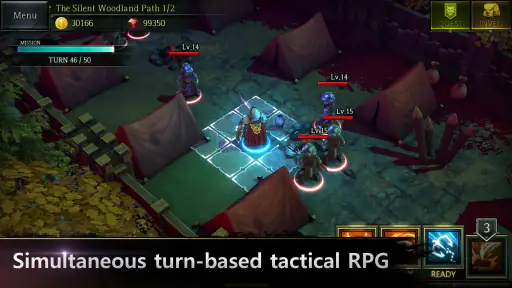
First up, let's talk about the gameplay. Rogue Hearts isn’t your typical hack-and-slash game. Instead, it combines the elements of strategy and adventure, making each level feel like a complex puzzle waiting to be solved. You control your character through a series of dungeon levels, each filled with traps, treasure, and terrifying monsters. The turn-based combat system makes you think before you act, adding a layer of depth that I personally find refreshing.
Build a Careful Baseline Routine
The most useful habit is to treat each stretch of dungeon as a sequence of small decisions instead of rushing toward the next enemy. I like to pause long enough to read the situation, consider the route, and then commit to an action. Because you control the character directly, the game asks for attention rather than relying on a hands-off party routine. That makes each encounter feel personal, but it also means a distracted tap can be more costly than it would be in a simpler mobile RPG.
For a short play session, I would start with one clear aim: explore a manageable area, learn how its threats behave, and stop before fatigue turns deliberate play into hurried play. If I have more time, I can let that same routine grow into a longer run without needing to change how I approach the game. This is a practical fit for a commute or a quiet break when I can give the screen steady attention, but less convenient if I expect to dip in and out while juggling messages or other tasks.
A realistic example is playing after dinner with only a little free time. Rather than trying to clear everything in one sitting, I would focus on the next decision in front of me and take a break when I notice myself acting on autopilot. The reward is not just progress: slowing down gives me a better chance to understand what made a room or fight difficult, which is more useful than repeating the same mistake quickly.
Check Your Setup Before Chasing Speed
Some players will want to look through the available settings before settling into a long session. I recommend checking how the controls feel on your own device and making sure the display is comfortable to read. I won’t assume a particular control option or accessibility toggle is available; the useful point is to test the actual setup you have rather than rely on muscle memory from another RPG. Direct character control makes comfort and precision matter more here than in a game where actions resolve mostly through menus.
Sound is worth considering, too. The atmospheric presentation is part of the appeal, and headphones can help make a quiet session feel more absorbing. In a shared room or while travelling, though, I would keep the experience comfortable for the situation instead of treating headphones as essential. If you prefer to play with sound low or off, the key question is whether the visual cues and pacing still work for you; I would test that during a low-pressure stretch rather than discover it in a tense moment.
Gaming Stories You May Enjoy

Dancing Road Turns Short Breaks Into a Test of Rhythm and Timing

Super Stylist Makes Every Outfit a Test of Taste and Patience

Dominoes on Your Terms: Who Should Play and Who Should Pass

Pokémon GO Makes the Familiar World Feel New

Chess.com Turns Rematches Into Rivalries, but Community Has Its Costs

Archery Battle 3D Review: Sharp Aiming, Unclear Feedback
It is also sensible to think about the purchase before settling in. The initial price is $0.99, with optional purchases priced from $0.99 to $49.99 per item. I would decide whether the base game’s style suits me before considering anything extra, and I would keep optional spending separate from the question of whether the core dungeon experience is enjoyable. That simple boundary helps avoid treating every difficult section as a reason to buy something.
Make Repetition Work for You
When a game asks for strategy, a repeatable routine can save more time than rushing. I try to notice which kinds of encounters make me hesitate, then use the next attempt to focus on one lesson rather than changing everything at once. If I adjust my approach and the result improves, I have a clearer idea of what mattered. If I make several changes together, it becomes much harder to tell whether I learned anything or simply got a different outcome.
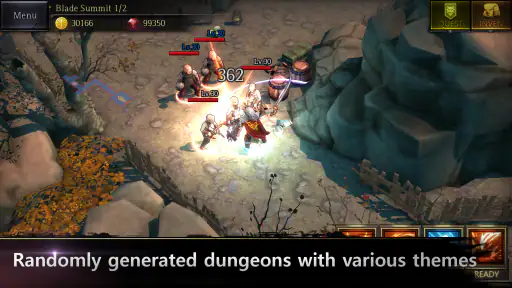
The game’s roguelike elements make that mindset especially helpful. With dungeon layouts changing between runs, memorizing a route is less dependable than learning to assess the room in front of you. I would treat each new layout as a fresh problem, carrying forward general lessons about patience and positioning rather than expecting the same sequence to return. That is a more satisfying way to handle variation, though it also means players who want a fixed, story-led path may find the repeated uncertainty less appealing.
Another useful habit is to choose a stopping point before starting. A run can be engaging enough to tempt me into continuing after I have stopped making careful decisions. If I notice that I am tapping quickly just to get through, a pause is likely better than pushing on. This is not a shortcut to winning; it is a way to keep the tactical part of the game enjoyable instead of turning every session into a test of endurance.
Visuals and Sound: A Feast for the Senses
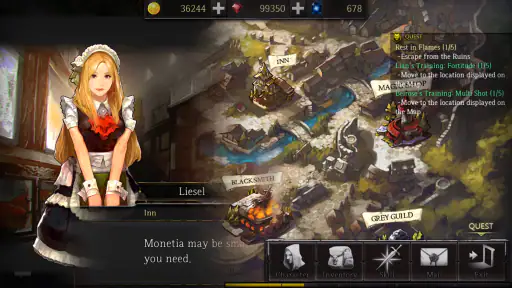
The graphics are where this game truly shines. The developers have done a fantastic job of creating a visually appealing world that draws you in from the moment you start playing. The dungeons are intricately designed, with attention to detail that makes exploration a joy. Plus, the sound design complements the visuals perfectly, with an atmospheric soundtrack that sets the mood for your adventures. It’s the kind of game where you might want to pop in your headphones and get lost for a while.
That presentation supports the slower rhythm rather than distracting from it. When I am deciding what to do next, an atmospheric dungeon gives the pause a purpose: I can take in the setting while considering the practical choice ahead. It is a different pleasure from a bright, fast-moving action game, where spectacle often arrives through constant motion. Here, the appeal is more about settling into a place and paying attention.
There is a trade-off in that immersive mood. If I only have a minute or two and want immediate action, the deliberate pace may feel like a hurdle rather than a benefit. Players who enjoy quick matches, short bursts of arcade combat, or a story that moves forward mainly through dialogue may prefer another kind of mobile RPG. I would choose this one when I am in the mood to think through a dungeon, not when I want noise and speed to fill a spare moment.
Character Development and Strategy
What I love about Rogue Hearts is the character development aspect. As you progress, you get to level up your character, unlocking new skills and abilities that aid in your dungeon-crawling escapades. The game encourages you to think strategically about how you want to develop your character, and this adds a layer of replayability as you can try out different builds. Whether you prefer a mighty warrior or a stealthy rogue, there’s a path for you.
For me, the important choice is not to treat a build as a label to pick once and forget. It is more useful to notice which abilities support the way I actually handle encounters. If I prefer to engage directly, I should pay attention to skills that suit that approach; if I lean toward caution, I should think about how my choices help me manage risk. That kind of reflection makes progression feel connected to play, rather than a separate checklist of upgrades.
I would also avoid changing direction just because a single attempt goes badly. The layout, enemies, and decisions of a run all contribute to the result, so one setback does not automatically prove that a character plan is wrong. A steadier approach is to identify the specific point where I struggled and make a considered adjustment. That keeps experimentation meaningful and helps prevent the familiar RPG frustration of constantly rebuilding without knowing why.
Newer players may appreciate that the character-growth side gives them something to learn beyond immediate combat, but the game still asks them to make active decisions. If you want a fully automatic progression system or a build that can be ignored once selected, this may not be the most relaxing option. Its appeal comes from linking character development with the work of navigating each dungeon.
Where It Fits Among Mobile RPGs
Compared with a typical action RPG, this game puts more weight on deliberate control and tactical timing than on fast reflexes. Compared with a party-based role-playing game, its direct character focus makes the experience feel more immediate and personal. And beside a conventional dungeon crawler with a fixed route, the changing layouts give each run more uncertainty, though they can make progress feel less like following a neatly authored journey.
That difference helps clarify who is likely to enjoy it. I would recommend it to someone who likes examining a situation, testing a build, and learning from a failed attempt. It is less suited to a player who primarily wants a long cinematic story, uncomplicated button-mashing, or a predictable sequence of levels. Neither preference is better; they simply call for different games. The key question is whether you enjoy the decisions between fights as much as the fights themselves.
It also has a different rhythm from many mobile games designed around quick, low-attention check-ins. Here, direct control and tactical combat reward being present. That can make a focused break feel absorbing, but it is not ideal when you need to keep looking away from the screen. I would choose a simpler idle or casual game for those moments and save this one for a session where I can properly follow what is happening.
Limits, Practical Questions, and a Verdict
The main friction is the same quality that gives the game its identity: it expects attention. Changing dungeon layouts keep exploration from becoming a memorized route, but they also reduce the comfort of knowing exactly what comes next. Character progression offers room to experiment, yet that room can feel like work to anyone who would rather have the game make its strategic choices for them. It is worth being honest about that before paying for a game you may prefer to play casually.
If you are wondering whether it is suitable for a younger player, it carries a Teen age rating, so I would use that as the starting point when deciding. If you are asking whether there is a free entry point, the listed price is $0.99 rather than free, and optional in-app purchases are available. The game is currently at version 1.6.9 and requires Android 5.1 or later. Those details make it easier to check the basic fit for your device and budget before installing.
As for whether it can hold your attention beyond a first session, the changing dungeon layouts and character builds give you reasons to approach runs differently. They do not guarantee that every player will enjoy repeating the core loop; your enjoyment depends on finding satisfaction in adaptation rather than in a fixed campaign. I would give it a fair chance if that kind of learning appeals to you, but I would not recommend forcing yourself through repetition if what you really want is a story that steadily unfolds.
Additionally, the game’s roguelike elements mean that no two playthroughs are the same. Each time you enter the dungeon, the layout changes, keeping the experience fresh and challenging. It’s a great way to keep players engaged without ever feeling repetitive.
Final Thoughts
In conclusion, if you’re a fan of strategic RPGs and love a good dungeon crawler, Rogue Hearts is definitely worth checking out. It’s a perfect blend of strategy, adventure, and character development, all wrapped up in a visually stunning package. Trust me, once you start playing, you might find it hard to put down. So, gear up and dive into the depths of the dungeons—adventure awaits!
Rogue Hearts Pros and Cons
Pros
- Engaging rogue-like gameplay.
- Challenging levels keep players hooked.
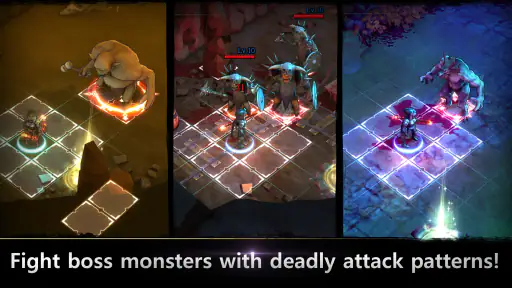
- Variety of enemies and bosses.
- Intuitive controls and interface.
- Offline play available.
Cons
- Can be difficult for beginners.
- Limited in-game tutorials.
- In-app purchases can be pricey.
- Graphics may seem outdated.
- Requires frequent updates.
Frequently Asked Questions
What is Rogue Hearts and what kind of gameplay can I expect?
Rogue Hearts is a dungeon crawler RPG that combines elements of roguelike games with strategic combat. Players can expect to explore procedurally generated dungeons filled with monsters, traps, and treasures. The game emphasizes strategy, requiring players to make tactical decisions during turn-based combat. With its challenging gameplay and a variety of character skills to master, Rogue Hearts offers a rewarding experience for fans of strategy and role-playing games.
Is Rogue Hearts free to play, or are there in-app purchases?
Rogue Hearts is available for download as a free-to-play game on both Android and iOS platforms. However, it does offer in-app purchases that enhance the gameplay experience. These purchases can include premium currency, special items, or additional character skins. While the game can be enjoyed without spending money, some players may choose to make purchases to progress faster or customize their gaming experience.
What are the minimum system requirements for Rogue Hearts on mobile devices?
To run Rogue Hearts smoothly on mobile devices, it requires Android version 4.4 or higher or iOS 9.0 or later. Additionally, a device with at least 1GB of RAM is recommended to avoid performance issues. Ensuring your device meets these specifications will help provide a seamless gaming experience without lag or crashes.
Does Rogue Hearts offer any multiplayer or online features?
Rogue Hearts is primarily a single-player experience, focusing on personal progression and exploration within its dungeons. It does not offer traditional multiplayer or online features such as co-op or PvP modes. The game is designed for players who enjoy strategic solo gameplay, allowing them to immerse themselves in the intricate dungeon-crawling experience without the need for an internet connection.
Can I play Rogue Hearts offline, or do I need an internet connection?
Yes, Rogue Hearts can be played offline, making it a great choice for gamers on the go who may not always have access to the internet. This offline capability allows players to enjoy the game anytime and anywhere, without worrying about connectivity issues. However, some features like in-app purchases might require an internet connection to be completed.


