

Rise of Castles: Ice and Fire
- Reviews
- 4.5
- Version
- 24.1104.1
- Installs
- 10,000,000+

Screenshots
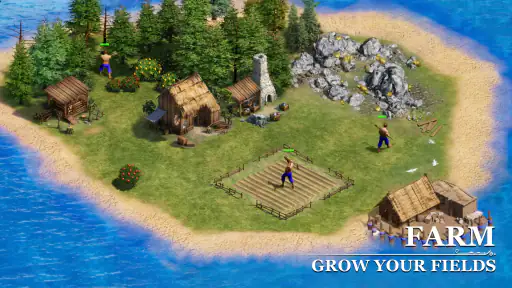
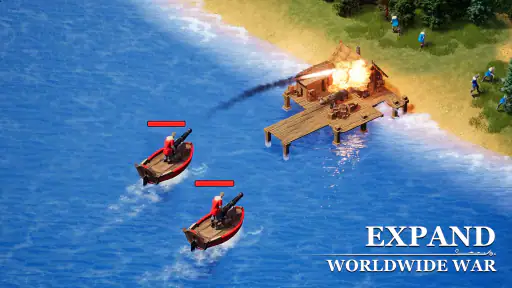
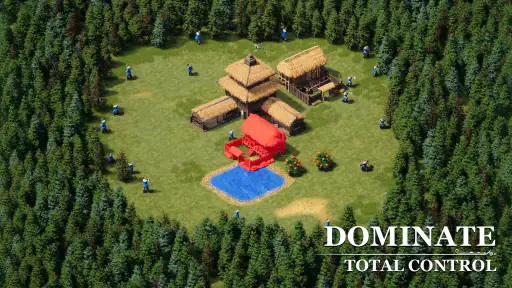
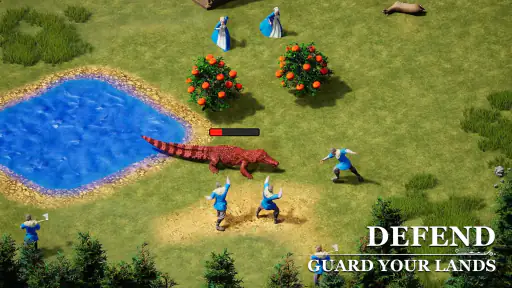
 Analysis by Frivlyz
I approach mobile strategy games as small routines rather than one long campaign: make a choice, see what changes, collect a payoff, and decide whether I have a reason to return later. Rise of Castles: Ice and Fire is built around that kind of kingdom-keeping, with castle growth and conquest setting the direction. Its appeal is less about a single dramatic battle than about having several decisions waiting whenever I come back.
The first move is about choosing what to build toward
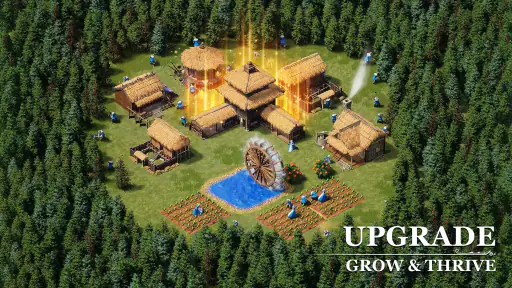
At the start, the basic fantasy is easy to grasp: you rule a growing settlement and try to make it more capable. That gives each early action a clear purpose. Rather than treating construction as decoration, I think of it as preparing for what comes next: a stronger base makes expansion feel earned, while defensive choices matter because a kingdom that grows also has more to protect.
That simple framing is useful if you are new to strategy games. You do not need to arrive with a grand plan for every future conflict; you can begin by learning how the game’s choices connect, then adjust as your position develops. I would pay attention to what the game is asking you to improve before spending resources on whatever looks most impressive. A visible upgrade can be satisfying, but the better choice is the one that supports the kind of play you want—steady development, preparing to fight, or keeping your realm resilient.
Why the feedback rhythm encourages another visit
The satisfying part of a kingdom strategy loop is seeing a decision change your options. Build toward a stronger castle, develop your forces, and the next challenge feels different from the one before it. That feedback gives routine actions a purpose: the reward is not only a completed task, but a broader set of choices for the next session.
That rhythm also has a trade-off. A growing strategy game can make progress feel gradual, and the most rewarding results may depend on returning instead of finishing everything in one sitting. I find that easier to enjoy when I set a small goal before I play—improve one part of my position, prepare for a battle, or check in with allies—rather than trying to make the whole kingdom perfect at once. If you prefer self-contained rounds with a clean finish, this style may feel more like upkeep than a quick match.
The reward is bigger when it connects to other players
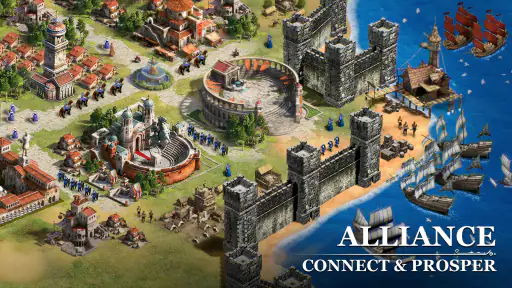
Building and fighting are only part of the appeal. Alliances can turn a personal project into a shared one, which changes the meaning of preparation: strengthening your position can help the group, and coordinating with others gives battles a social stake. I like that contrast with purely solo strategy games, where every decision stays inside your own campaign.
Playing with a group is also a commitment of attention. Even if you enjoy the idea of cooperation, you may not want a game to dictate when you are available. I would approach alliance play at a pace that suits your day and be clear with yourself about how much coordination you want. If you would rather make every move alone and pause whenever you like, a single-player strategy game is likely a better fit.
Gaming Stories You May Enjoy

Dancing Road Turns Short Breaks Into a Test of Rhythm and Timing

Super Stylist Makes Every Outfit a Test of Taste and Patience

Dominoes on Your Terms: Who Should Play and Who Should Pass

Pokémon GO Makes the Familiar World Feel New

Chess.com Turns Rematches Into Rivalries, but Community Has Its Costs

Archery Battle 3D Review: Sharp Aiming, Unclear Feedback
Building Your Kingdom
When I first fired up Rise of Castles: Ice and Fire, I was immediately drawn into its world of medieval intrigue and warfare. The game kicks off with you as the ruler of a fledgling kingdom, tasked with expanding your empire while defending your lands against icy foes and fiery dragons. The graphics are stunning, with detailed castles and lush landscapes that make you feel like you're in the heart of a fantasy epic.
Strategic Gameplay
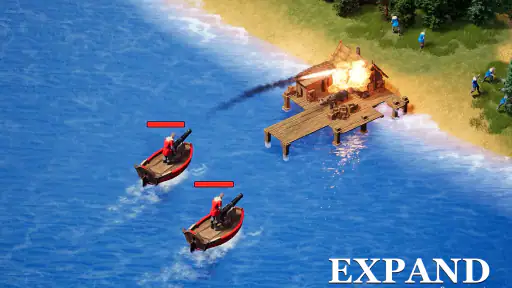
What I love about this game is the depth of strategy involved. You're not just building castles and training troops; you're managing resources, forming alliances, and making tactical decisions that could mean the difference between victory and defeat. The real-time battles are a thrilling mix of planning and spontaneity, where one wrong move could see your castle walls come crumbling down.
The game also offers a diverse array of units and heroes, each with unique abilities that can turn the tide of battle. This adds a layer of complexity that keeps you coming back for more, as you're constantly tweaking your strategies to outsmart your opponents.
Community and Events
An unexpected highlight for me was the vibrant community. Forming alliances with players from around the world adds a social element that enhances the gameplay. There's nothing quite like coordinating with your allies to launch a massive assault or defend against a common enemy. Plus, the game hosts regular events that keep the community engaged and offer fantastic rewards for those who participate.
One event that stood out was the "Dragon Siege," where players band together to fend off a massive dragon attack. It's these moments that make Rise of Castles: Ice and Fire feel like a living, breathing world where your actions genuinely matter.
A practical session reset
When I set the game down, I like to leave myself a clear next step rather than a vague intention to “make progress.” I might decide to review what needs attention, choose one upgrade that supports my current plan, or check whether my alliance needs help. That small habit makes the next visit more purposeful and keeps routine kingdom management from becoming a string of unrelated taps.
A realistic day could look like checking in during a break, making one useful development choice, then returning later when there is time to think through a fight or coordinate with other players. I would not treat every short visit as a full session. The game’s appeal comes from a continuing project, so the best stopping point is often after a meaningful decision, with a clear idea of what you want to do next.
Who will enjoy this kind of strategy?
I would recommend it to players who enjoy watching a base develop while also weighing military choices, and to anyone who finds alliance coordination more interesting than playing entirely alone. It can suit someone who likes to check in, make progress in stages, and gradually learn how different decisions affect the kingdom. The fantasy setting gives those systems a clear frame without asking you to approach it like a traditional board-game simulation.
I would be more cautious if you want a strategy game that ends after a short, balanced match. This is a persistent kingdom experience, so its attractions are ongoing growth and interaction rather than a tidy start-to-finish campaign. It is also less suited to someone who dislikes waiting between goals or who wants every session to be equally intense. In those cases, a turn-based tactics game or a compact puzzle strategy title may offer more control over pacing.
How it sits beside other mobile strategy games
Compared with a solo city builder, the important difference here is that development leads toward conflict and cooperation, not just an attractive settlement. Compared with a focused battle game, the castle-building side gives decisions a longer tail: what you develop now can shape how prepared you feel later. That mix is the reason I would choose it over a simpler builder, but it also means there is more to keep track of than in a game made for quick tactical rounds.
One practical tip is to treat resources as a plan rather than a score. Before committing them, ask what problem the next improvement solves and whether it supports your current approach. Another is to use alliance participation selectively: coordinated play can make the world feel more alive, but it is fine to favor the activities that suit your availability instead of trying to respond to every call. Those choices help preserve the game’s social and strategic appeal without letting it take over your schedule.
Cost, access, and the time trade-off
The game is free to download, with in-app purchases priced from $0.99 to $179.99 per item. That range is worth knowing before you start: you can try the core experience without an upfront purchase, but optional spending can be substantial at the high end. I recommend deciding on a personal budget before playing and treating purchases as optional conveniences, not as proof that you need to spend to enjoy the game. The central question is whether you like the ongoing decisions enough to give them time.
Long Tech Network Limited developed this strategy game, which is rated Teen. It first arrived on August 1, 2018, and version 24.1104.1 supports Android 5.0 and later. Its audience is substantial, with more than 10 million installs, an average rating of 4.5 from around 1.8 million ratings, and roughly 102,000 written reviews. Those figures suggest that it has found a broad audience, though your own tolerance for persistent progression and social play matters more than popularity.
What to consider before settling in
If you are wondering whether it is approachable, I think the kingdom-building premise gives newcomers a reasonable entry point, while the deeper choices make it more appealing as you learn. If you are wondering whether it can be played casually, you can make short visits, but the larger sense of progress comes from returning and following through on plans. If you are wondering whether alliances are essential to your enjoyment, they are a distinctive part of the experience, yet a player who prefers independence may find that social layer less compelling.
I would also keep an eye on the difference between a satisfying routine and an obligation. A useful session should leave you feeling that you made a choice you understand, not that you had to clear every possible task. If the ongoing pace starts to feel like a chore, step back or focus on a smaller goal; if what you want is a quick game with a definite ending, this is probably not the right alternative. Knowing that before you begin makes it easier to enjoy the parts that suit you.
Final Thoughts
If you're on the hunt for a game that offers a perfect blend of strategy, action, and community interaction, then Rise of Castles: Ice and Fire should definitely be on your radar. It's a game that challenges you to think critically, plan meticulously, and collaborate effectively with others. The immersive world and compelling gameplay will have you hooked from the get-go. So, gather your allies, sharpen your swords, and prepare to rise above the ashes in this unforgettable adventure!
My own verdict is more measured: its strongest pull is the way castle development, tactical choices, and alliance activity give each return a reason. The cost is a slower, ongoing commitment, and that will not suit everyone. If you enjoy tending a kingdom over time and can keep the pace on your terms, it is an appealing strategy game to try; if you want a compact campaign with a firm finish, I would choose something built around shorter matches instead.
Rise of Castles: Ice and Fire Pros and Cons
Pros
- Stunning graphics and detailed environments.
- Engaging and strategic gameplay mechanics.
- Regular updates with new content.
- Active community and multiplayer features.
- Rich storyline with immersive quests.
Cons
- Requires a stable internet connection.
- In-app purchases can be costly.
- Learning curve for beginners.
- Occasional performance issues on older devices.
- Ads can be intrusive at times.
Frequently Asked Questions
What is the main objective of Rise of Castles: Ice and Fire?
Rise of Castles: Ice and Fire is a strategy game where players build and manage their own kingdom, train armies, and engage in epic battles. The main objective is to expand your territory, form alliances, and strategically defeat enemies to become the ultimate ruler in a fantasy world filled with castles, ice, and fire.
Is Rise of Castles: Ice and Fire free to play?
Yes, Rise of Castles: Ice and Fire is free to download and play. However, like many other strategy games, it includes in-app purchases that allow players to buy resources, speed up progress, or unlock special features. While spending money can enhance the gaming experience, it is not mandatory to enjoy the game.
What platforms is Rise of Castles: Ice and Fire available on?
Rise of Castles: Ice and Fire is available for download on both Android and iOS platforms. Users can find the game in the Google Play Store for Android devices and the Apple App Store for iOS devices. Ensure your device meets the necessary system requirements for smooth gameplay.
Does Rise of Castles: Ice and Fire require an internet connection?
Yes, an active internet connection is required to play Rise of Castles: Ice and Fire. The game features online multiplayer elements, allowing players to interact, form alliances, and compete against others globally. A stable internet connection ensures seamless gameplay and access to all features.
Are there any age restrictions for Rise of Castles: Ice and Fire?
Rise of Castles: Ice and Fire is rated for players aged 12 and above due to its fantasy violence and strategic gameplay elements. Parents should be aware of the in-game purchases and online interactions that could occur, and it's advisable to monitor younger players to ensure a safe and enjoyable gaming experience.


