

Riddle Test: Brain Teaser Game
- Reviews
- 4.2
- Version
- 2.0.2
- Installs
- 5,000,000+

Screenshots
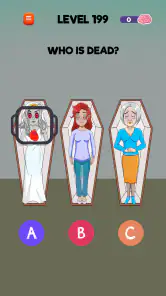
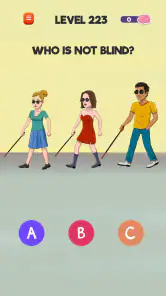
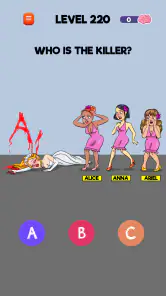
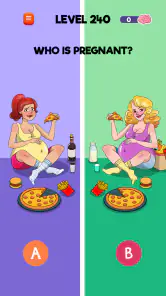
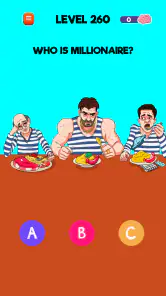
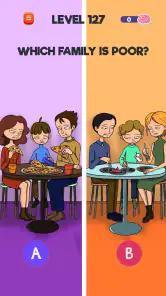
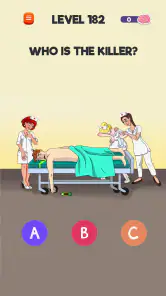
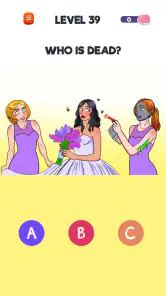
 Analysis by Frivlyz
I approach a riddle game differently from a long-form puzzle adventure: I want a clear challenge I can pick up quickly, think through, and put down without needing to remember a complicated story. Riddle Test: Brain Teaser Game is aimed at that kind of play. It is a free word game from Kidding Box Studio, built around solving brain teasers rather than progressing through a sprawling world. That makes it an easy option to consider if you like short bursts of reasoning, though it is not automatically the right fit for every puzzle fan.
What the purchase details tell you
The game is free to download, with optional in-app purchases listed from $0.99 to $29.99 per item. That gives you a useful boundary before you begin: there is a free entry point, while spending is possible inside the app. I would treat those as separate decisions. You can decide whether the core experience suits you before choosing to buy anything, and the presence of a purchase menu alone is not a reason to assume that paying is necessary to enjoy the puzzles.
It has a Teen content rating, so I would keep that age guidance in mind when choosing it for a younger player. The game first appeared on November 18, 2021, and its current version is 2.0.2. Those details give a sense of its background, but they do not tell me how often its puzzles change or how its purchase options affect play. I would check the actual in-app choices before spending, rather than relying on assumptions about what an item unlocks.
Get Ready to Tickle Your Brain Cells
So, first things first, let's talk about what this app is all about. Riddle Test: Brain Teaser Game is a mobile application designed to put your problem-solving skills to the test. The app comes packed with a variety of riddles that range from simple to mind-bogglingly complex. It's like having a personal brain gym right in your pocket!
The Perfect Blend of Fun and Challenge
What really sets this app apart is its perfect balance between entertainment and challenge. The developers have done a stellar job in crafting riddles that are not only fun to solve but also require a fair bit of lateral thinking. Each riddle you solve gives you a sense of achievement, and let's be honest, who doesn't love that feeling?
One of the aspects I truly appreciate is the app's user-friendly interface. It's super easy to navigate, which means you can jump straight into solving puzzles without any fuss. Plus, the visual design is clean and appealing, making the whole experience even more enjoyable.
How progress can feel in a short session
Riddles reward a particular rhythm: read the clue, consider more than one interpretation, and resist the urge to lock onto the first obvious answer. My practical advice is to say the clue aloud or rewrite it in your own words before trying again. That small reset can expose a different meaning without turning the game into a guessing contest. If you are stuck, stepping away for a minute is often more satisfying than repeatedly tapping at the same idea.
Gaming Stories You May Enjoy

Dancing Road Turns Short Breaks Into a Test of Rhythm and Timing

Super Stylist Makes Every Outfit a Test of Taste and Patience

Dominoes on Your Terms: Who Should Play and Who Should Pass

Pokémon GO Makes the Familiar World Feel New

Chess.com Turns Rematches Into Rivalries, but Community Has Its Costs

Archery Battle 3D Review: Sharp Aiming, Unclear Feedback
For a realistic everyday use, imagine having a few minutes before a bus arrives or while a friend is finishing an errand. A compact riddle can give that pause a purpose without asking you to start a lengthy campaign. I would also use it as a shared conversation starter: one person reads the puzzle, everyone offers a theory, and the answer becomes a quick group moment. The trade-off is that a riddle can be hard to put down when you are close to solving it, so it may be less suitable if you need a distraction that you can abandon instantly.
Fair play, spending, and what to expect
The game has an average rating of 4.2 from around 36,000 ratings, with about 580 written reviews and over 5 million installs. That suggests plenty of people have tried it, but popularity is not proof that every puzzle will feel fair to you. Riddles depend on wording and cultural assumptions; sometimes a clue that feels clever to one player can feel ambiguous to another. I would judge each answer on whether the clue supports it, not just on whether I managed to solve it quickly.
There is no competitive fairness claim I would make from those numbers alone. They do not tell me whether players compete against each other, whether progress is timed, or whether purchases change any comparison between players. If you are looking for a head-to-head word game with transparent rankings, a dedicated competitive title is a clearer choice. Here, I would approach the experience as personal problem-solving rather than assume there is a fair or unfair contest built into it.
The listed purchase range is broad, so before paying I would read the exact item description and consider whether it solves a problem I actually have. For instance, if an item is presented as a way to get past a difficult point, I would first try changing my approach or take a break; a puzzle is less rewarding if I pay simply because I am impatient. I would not assume that purchases provide hints, remove waiting, or unlock particular content unless the in-app description says so. That careful distinction matters: the price range is known, but the exact function of each purchase is not established here.
Who will enjoy it, and who may prefer another puzzle
This is a natural fit for players who enjoy verbal misdirection, lateral thinking, and bite-sized challenges. It can also work for a household or a couple who like taking turns proposing answers, because the pleasure is in discussing the clue as much as reaching a solution. If you mainly want a quiet solo activity, its word-puzzle focus gives you a different kind of mental break from scrolling through social feeds.
On the other hand, I would skip it if your idea of a good puzzle is a carefully explained logic grid, a word search, or a long narrative mystery where clues build toward a final reveal. Those formats offer more structured reasoning or a stronger sense of story. A collection of riddles can feel less satisfying if you dislike answers that hinge on a twist in phrasing, or if you want a clear difficulty curve and a detailed explanation after every solution. That is not a flaw in the whole category; it is a matter of which kind of thinking you find enjoyable.
Compared with a paper riddle book, a phone game is easier to carry and open during a spare moment, while a book can be calmer and less distracting. Compared with a daily crossword, this is a better match for quick lateral leaps than for filling a grid through steady vocabulary recall. I would choose between them based on the kind of effort I want: a playful change of perspective here, or a more methodical word challenge elsewhere.
Keep Your Brain Sharp Anytime, Anywhere
If you're someone who's always on the go, this app is an absolute lifesaver. Whether you're commuting, waiting in line, or simply chilling at home, Riddle Test: Brain Teaser Game provides the perfect opportunity to keep your brain sharp. It's like having a pocket-sized puzzle book that you can whip out whenever you have a few spare minutes.
Moreover, the app is regularly updated with new riddles, ensuring that there's always something fresh to tackle. This continual update cycle means you're never going to get bored, and there's always a new challenge waiting just around the corner.
What I would check before settling in
If you are deciding whether it is right for a particular device, the listed minimum operating-system requirement is 7.0. For a first session, I would try a few puzzles before forming a strong opinion: notice whether the wording feels playful or frustrating, whether the challenge suits your pace, and whether the interface makes it easy to return to the puzzle you were solving. Those are more useful tests than expecting every riddle to match your personal taste.
People often want to know whether they can play without paying, whether the puzzles suit a group, and whether purchases are needed to make progress. The free download gives you a way to try the game, and riddles can naturally be discussed with other people, but the exact purchase effects and any group-specific mode should be checked in the app rather than presumed. If you need a specific accessibility option, offline behavior, or a firm promise about content updates, verify that detail before making the game part of a routine; those points are not established by the basic description.
Final Thoughts
In a nutshell, Riddle Test: Brain Teaser Game is a fantastic app for anyone looking to give their brain a workout. It's engaging, challenging, and most importantly, fun. Whether you're a seasoned puzzle master or just starting out, this app has something for everyone. So why not give it a go and see how you fare? You might just surprise yourself with how sharp your mind can be!
My more measured verdict is that it is worth trying if you want approachable riddle-solving in short sessions and are comfortable judging each clue on its own merits. Its 4.2 average and broad audience are encouraging, but I would not treat them as a guarantee that every answer will feel satisfying. I would start free, avoid buying anything until I understand what it does, and move on to a crossword, logic puzzle, or story-driven game if I want a more structured challenge. For the right mood, this is a handy little way to turn spare time into a few minutes of thoughtful play.
Riddle Test: Brain Teaser Game Pros and Cons
Pros
- Engaging puzzles that enhance cognitive skills.
- Variety of riddles keeps the game fresh.
- User-friendly interface for easy navigation.
- Regular updates with new challenging levels.
- No intrusive ads to disrupt gameplay.
Cons
- Requires internet connection to play.
- Some riddles can be repetitive over time.
- Hint system can be limited and costly.
- Occasional bugs in certain game levels.
- In-app purchases can be expensive.
This Game in Other Languages
Frequently Asked Questions
What is Riddle Test: Brain Teaser Game all about?
Riddle Test: Brain Teaser Game is a mobile application designed to challenge your cognitive skills with a variety of complex riddles and puzzles. It offers a unique blend of fun and learning by presenting thought-provoking questions that require creative solutions. Ideal for users looking to enhance their problem-solving abilities while enjoying an engaging gaming experience.
Is Riddle Test: Brain Teaser Game suitable for all ages?
Yes, the game is designed to be suitable for players of all ages. It provides a range of difficulty levels that cater to both younger players and adults. The puzzles are crafted to be both educational and entertaining, making it a great tool for family fun and learning. However, younger children might require assistance with more advanced levels.
Does Riddle Test: Brain Teaser Game require an internet connection to play?
No, Riddle Test: Brain Teaser Game can be played offline, making it convenient for users who may not have consistent access to the internet. This feature allows players to enjoy the game anytime and anywhere, without worrying about connectivity issues. However, certain features like updates and leaderboards may require an internet connection.
Are there in-app purchases in Riddle Test: Brain Teaser Game?
Yes, while Riddle Test: Brain Teaser Game is free to download and play, it offers in-app purchases. These purchases can include hints or additional puzzle packs. Users can enjoy a substantial amount of content for free, but the option to buy extras provides a way to enhance the gaming experience if desired. Purchases are entirely optional.
How does Riddle Test: Brain Teaser Game help improve cognitive skills?
The game is structured to enhance cognitive abilities by challenging players with a variety of puzzles that require logical thinking, pattern recognition, and lateral thinking. By regularly engaging with these brain teasers, players can improve their mental agility, problem-solving skills, and critical thinking. It's a fun way to keep your mind sharp and engaged.


