

Retro Bowl
- Reviews
- 4.6
- Version
- 1.6.28
- Installs
- 5,000,000+

Screenshots
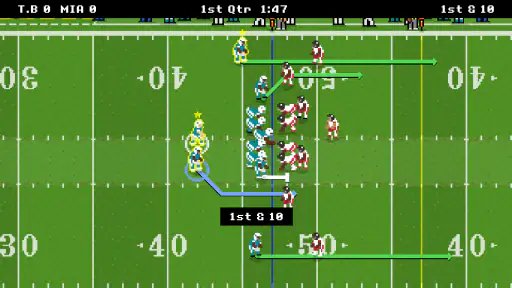
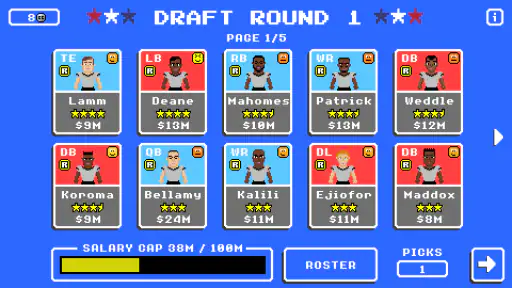
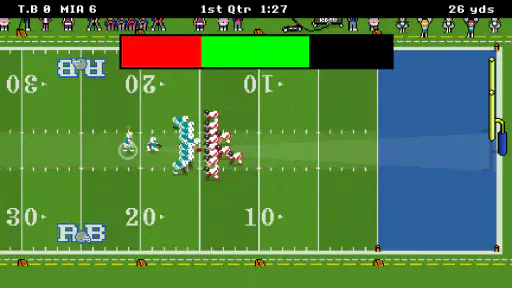
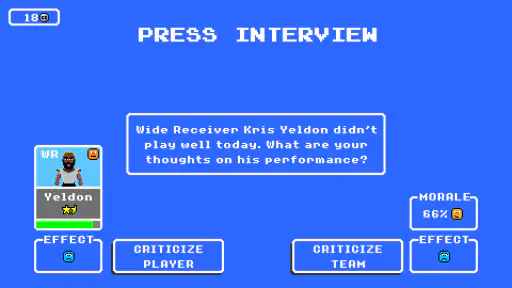
 Analysis by Frivlyz
I like football games most when they let me make a few meaningful decisions without asking for a long session every time I open them. Retro Bowl suits that mood: it combines quick, hands-on plays with the longer task of shaping a team. Its presentation is deliberately old-school, but the appeal isn’t only nostalgia. I found the contrast between simple-looking action and the pressure of choosing well gives each match a clear purpose.
What the free download does—and what it costs
The game is free to download, so you can try its basic appeal without paying up front. It also offers in-app purchases, with listed prices ranging from $0.99 to $29.99 per item. That range is worth noticing before you buy anything: the free entry point and optional purchases are separate parts of the value question, and I wouldn’t treat the higher-priced item as necessary just because it appears in the purchase menu.
In practical terms, I’d start by playing without spending. That gives you a chance to see whether you enjoy the passing and team decisions enough to keep coming back. If you do, you can then judge any purchase against what you actually want from the game rather than paying simply to find out whether its style suits you. The game is rated Everyone, and New Star Games Ltd is the developer.
A small game with a satisfying rhythm
What makes the experience work for me is the change of pace between a play and the decisions around it. On the field, I’m focused on reading the moment and making a pass or move; away from it, I’m thinking about the team as a whole. Those two sides give the game more texture than a simple arcade match, while the retro presentation keeps it from feeling like a complicated sports simulation.
That balance is useful when I want a football game I can approach in short bursts. I don’t need to settle in for a long, realistic match just to get a little action, yet there is a longer-running team goal to return to. The trade-off is that anyone looking for lifelike visuals or the fine-grained detail of a full simulation may find the simplified style too limited. Here, the charm and accessibility depend on not trying to reproduce every part of real football.
The Nostalgic Charm
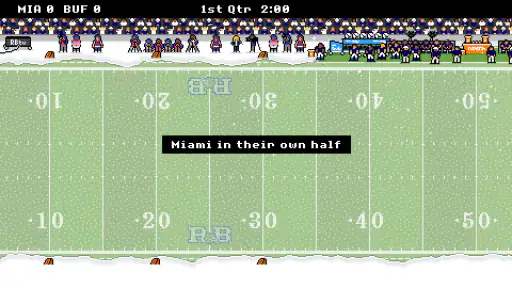
First off, the look and feel of Retro Bowl is a blast from the past. Remember those old-school arcade games with their chunky pixels and simple controls? This game captures that essence perfectly. It’s like someone took the best parts of a 90s football game and made it pocket-sized. The graphics are intentionally retro, which adds to its charm. Who needs hyper-realistic visuals when you can have that nostalgic vibe?
Gameplay That Hooks You
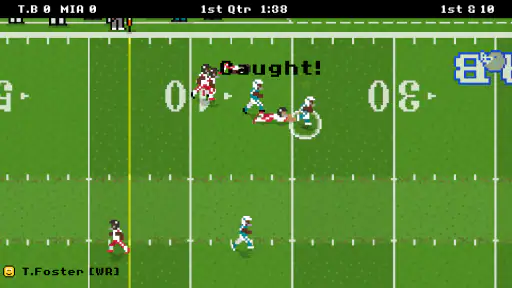
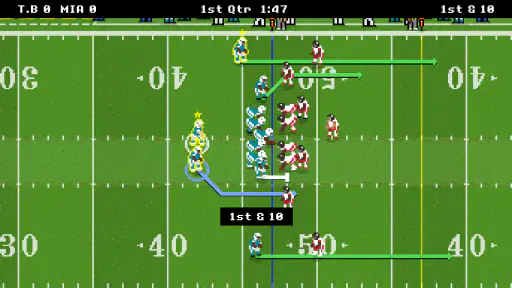
At its core, Retro Bowl is all about managing your team and leading them to victory. You start by taking control of a struggling team, and it’s your job to coach them to glory. The controls are super intuitive, making it easy for anyone to pick up and play. You basically swipe to pass, dodge, and sprint, which sounds simple, but trust me, it can get pretty intense!
Gaming Stories You May Enjoy

Dancing Road Turns Short Breaks Into a Test of Rhythm and Timing

Super Stylist Makes Every Outfit a Test of Taste and Patience

Dominoes on Your Terms: Who Should Play and Who Should Pass

Pokémon GO Makes the Familiar World Feel New

Chess.com Turns Rematches Into Rivalries, but Community Has Its Costs

Archery Battle 3D Review: Sharp Aiming, Unclear Feedback
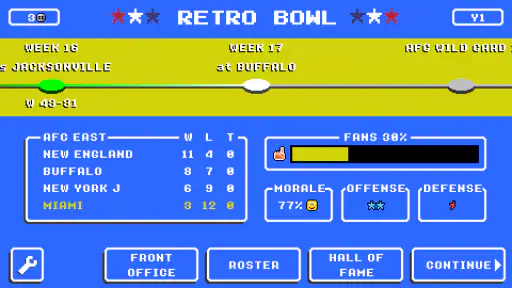
What I love about the gameplay is how it balances strategy with action. You have to make real-time decisions on the field, but you also need to manage your team’s roster, deal with player injuries, and even handle the media. It’s like being a coach, manager, and player all at once. Talk about multitasking!
Making decisions beyond the next play
The management side is where I’d suggest slowing down rather than making every choice on impulse. A roster decision can matter across more than one match, so I try to think about what the team needs as a whole instead of chasing the most exciting individual player. If a preferred player is unavailable, that’s a useful reminder to build a team that can still function when circumstances change. This approach makes the season feel less like a string of isolated wins and more like a set of connected choices.
There’s also a helpful way to think about the game’s two kinds of tension. A pass is a quick judgement call, while roster and coaching choices reward patience. If I’m only in the mood for action, I can focus on the immediate play; when I want a more thoughtful session, I can spend time considering the team. That flexibility is a strength, but it also means someone who wants nothing but quick arcade scoring may find the management layer interrupts the flow.
Customization and Strategy
One of the coolest features is the level of customization available. From designing your team’s logo to choosing their uniforms, you can really make the team your own. And then there's the draft system. Picking the right players and building a balanced team is crucial if you want to win. It’s not just about having star players; you need a solid team strategy.
The game also throws in some random events that keep you on your toes. Maybe your star quarterback gets injured, or you have to make a tough call on a controversial play. These little surprises add an extra layer of depth to the game.
Getting more from a short session
A realistic use for me is opening the game during a quiet break, playing enough to enjoy a few decisions, then leaving the larger team plan for another time. I’d avoid trying to make every roster choice while distracted: the match action is easy to pick up, but the longer-term management is more rewarding when I pay attention. If a decision feels uncertain, I consider whether it helps the whole roster rather than only the next play. That small habit makes the strategy feel more deliberate without turning a casual game into homework.
The same distinction helps when deciding whether this is the right football game. Compared with a more simulation-focused sports title, this one favors readable, quick action and a compact presentation over realism and exhaustive control. Compared with a basic arcade game, it has more reason to return because team management and season goals give matches context. Neither style is automatically better; the right choice depends on whether I want a fast, stylized football experience or a detailed recreation of the sport.
Where the trade-offs become clear
The pixel look is part of the identity, but it will not persuade someone who wants modern presentation. Likewise, the swipe-based action is approachable, yet it offers a narrower kind of control than a simulation built around a fuller set of inputs. I enjoy that restraint because it keeps the core loop clear; a player who wants to direct every movement and tactical detail should look elsewhere.
There’s another trade-off in the mix of action and management. Team decisions create attachment, but they ask for attention beyond the match itself. If I only want a quick football fix with no ongoing responsibility, that layer can feel like extra work. If I like seeing the consequences of choices unfold over time, it is exactly what gives the game staying power. I’d treat the random events as part of that changing context, not as a promise that every match will follow a neat plan.
Who is most likely to enjoy it?
I’d recommend it to someone who likes classic arcade sports games, wants a football game that is easy to start, and enjoys making a few management decisions between bursts of action. It can also suit a newcomer who is curious about football games but would rather learn through simple controls than begin with a dense simulation. The pixel-art style is a plus if you enjoy retro presentation, rather than something you have to tolerate on the way to the gameplay.
I’d be less likely to recommend it to a player whose main reason for downloading a sports game is visual realism, elaborate tactical control, or a direct simulation of a complete real-world match. It may also be a poor fit if you dislike roster planning or prefer every session to be purely action. Knowing that distinction before installing can save disappointment: the game’s appeal comes from its particular blend, not from trying to satisfy every kind of football fan.
How it fits into a mobile library
For a phone or tablet, the short-play structure is one of its practical strengths. I can pick it up when I have a spare moment without needing to commit to a long session, then return later to the broader team challenge. The Android minimum is version 4.4, and the current version is 1.6.28. The game has been available since January 17, 2020, and its following is substantial: it has more than five million installs, with a 4.6 average from around 506,000 ratings.
Those figures suggest that the retro approach has found a wide audience, but they don’t tell me whether it fits a particular player’s taste. I’d use the free download as the practical test: try a few plays, see whether the swipe controls feel comfortable, and notice whether the team-management choices make you curious or impatient. That is a better guide than popularity alone, especially if you usually prefer realistic sports games.
Final Thoughts
In a world where mobile games are often overly complicated or filled with ads, Retro Bowl is a refreshing change. It's straightforward, engaging, and most importantly, a lot of fun. Whether you're a die-hard football fan or just someone looking for a fun way to pass the time, this game is definitely worth checking out.
So, if you're in the mood for some classic football action with a modern twist, give Retro Bowl a try. Who knows, you might just find yourself hooked on its charming simplicity and strategic depth. Game on!
My buy-or-skip verdict
My recommendation is to download it for free if you’re interested in arcade-style football and curious about managing a team. Give the basic experience a fair try before considering an optional purchase; the listed range is broad enough that it makes sense to decide based on your own play rather than assume spending is part of getting started. If the action feels good and you enjoy making decisions about your roster, the game offers a distinctive mix that can earn a place on your phone.
If you want a realistic visual presentation, detailed simulation, or football with no management layer, I’d skip it and choose a game designed around those priorities. For everyone else, the strongest reason to try it is the way it turns a simple play into part of a longer team story. I find that combination more memorable than a quick match alone, and the free entry point makes it easy to decide whether that particular kind of football is for you.
Retro Bowl Pros and Cons
Pros
- Engaging retro graphics and sound
- Simple
- intuitive controls
- Deep franchise management features
- Addictive gameplay experience
- Regular updates and community support
Cons
- Lack of multiplayer mode
- Limited playbook customization
- Some in-app purchases
- Occasional game crashes
- No option for creating custom teams
Frequently Asked Questions
What is Retro Bowl and what makes it unique?
Retro Bowl is a nostalgic sports simulation game that brings back the classic days of American football with an 8-bit style. What sets it apart is its blend of strategy and sports management, where players can engage in both on-field action and off-field team management. Its retro graphics and simple, yet addictive gameplay make it a favorite among fans of vintage games.
Can I play Retro Bowl offline and on what devices is it available?
Yes, Retro Bowl can be played offline, making it perfect for those times when you’re without internet. It is available for both Android and iOS devices, allowing a wide range of users to enjoy its classic gameplay. Whether on a phone or tablet, players can dive into the retro football experience anytime, anywhere.
Are there in-app purchases in Retro Bowl, and how do they affect gameplay?
Retro Bowl does offer in-app purchases, which primarily include the option to unlock additional features or remove ads. These purchases can enhance the gaming experience but are not necessary to enjoy the game itself. Players can still have a complete and satisfying experience without spending extra money, enjoying all the core elements of the game for free.
How does the team management aspect work in Retro Bowl?
In Retro Bowl, team management is an integral part of the game. Players are tasked with managing their team’s roster, hiring and training players, and making strategic decisions to lead their team to victory. This involves balancing budgets, improving facilities, and ensuring player morale, adding a layer of depth that appeals to those who enjoy strategic gameplay.
Is Retro Bowl suitable for all ages and skill levels?
Retro Bowl is designed to be accessible to players of all ages and skill levels. Its intuitive controls and straightforward gameplay make it easy for beginners to pick up, while its depth in strategy and team management offers more seasoned players a challenging and engaging experience. It’s a family-friendly game that can be enjoyed by both young players and adults alike.


