

Raid Rush: Tower Defense TD
- Reviews
- 4.1
- Version
- 1.427
- Installs
- 1,000,000+

Screenshots
 Analysis by Frivlyz
When I judge a free strategy game, I look beyond whether its first few battles are fun. I want to know whether the choices stay interesting, whether progress feels fair, and whether it fits into the small gaps in an ordinary day. Raid Rush: Tower Defense TD caught my attention because it pairs familiar tower-defense decisions with heroes and a sequence of challenges. That gives me more to consider than simply placing a defense and watching a wave pass, though the extra layers also ask for a little patience.
It is a free game from Panteon, rated for Everyone, and the current version is 1.427. The average rating is 4.1 from around 109,000 ratings, with roughly 2,500 written reviews and over one million installs. Those numbers suggest that it has found a sizeable audience, but they are not a substitute for deciding whether its particular rhythm suits you. I would approach it as a strategy game to sample at your own pace, rather than assuming its popularity guarantees that every part will click.
What the purchase details can—and cannot—tell you
The game costs nothing to download, and it offers in-app purchases ranging from $0.49 to $99.99 per item. That is useful context if you are deciding whether to try it, but it does not tell me what each purchase contains, whether any purchase is needed to progress, or how spending affects a particular player’s experience. I would not treat the listed range as proof that the game is either pay-to-win or especially generous. Those conclusions would need details beyond the purchase prices themselves.
My practical advice is to start without spending. Play enough to see whether you enjoy planning defenses and improving heroes, then decide whether a purchase would solve a real frustration or simply speed up something you already like. If you share a device or payment account with a child, it is sensible to check the purchase settings before handing it over. The Everyone age rating makes the game broadly accessible, but it does not remove the need for a household to manage optional spending in a way that works for them.
Gameplay that Keeps You Coming Back
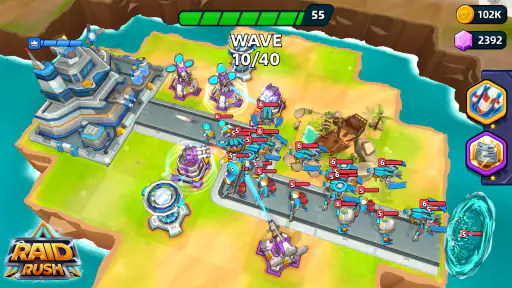
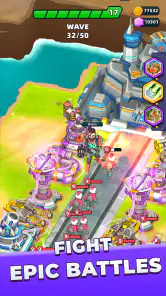
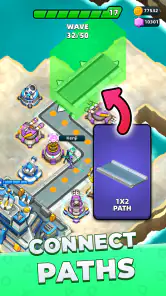
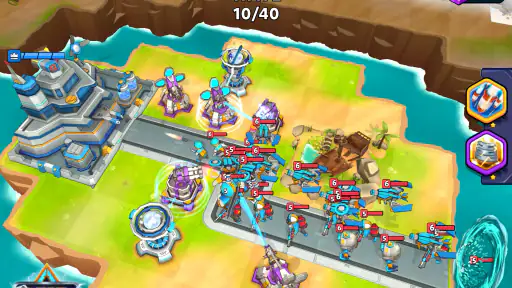
The first thing that stood out to me when I started playing Raid Rush: Tower Defense TD was its engaging gameplay. I mean, who doesn't love a good tower defense game, right? But this one is different. Each level offers a fresh challenge, requiring you to think strategically about where to place your towers and how to upgrade them. The enemies come in waves, and it’s up to you to figure out the best defense strategy to stop them in their tracks.
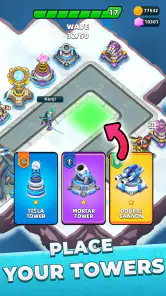
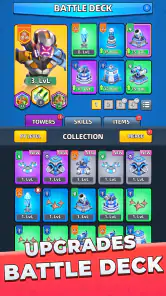
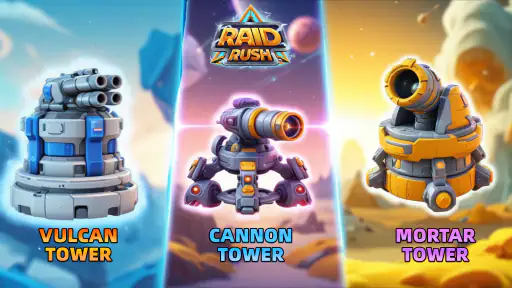
What I found particularly exciting was the variety of towers and heroes available. Each tower has its own unique abilities and strengths, and figuring out how to best utilize them is half the fun. Plus, you can level up your heroes, adding an extra layer of depth to the game. Trust me, once you start leveling up your heroes, it’s hard to stop!
Progress, pressure, and the value of a retry
The satisfying part of a tower-defense battle is often noticing why a plan failed: a placement left a weak approach uncovered, or an upgrade arrived too late to deal with the wave in front of you. I find that useful here as a way to think about progress. When a level becomes troublesome, it is worth changing one decision at a time rather than repeating the same setup and hoping that a small improvement will carry the whole defense. A different tower arrangement or a more deliberate upgrade order can teach you more than a rushed attempt.
Gaming Stories You May Enjoy

Dancing Road Turns Short Breaks Into a Test of Rhythm and Timing

Super Stylist Makes Every Outfit a Test of Taste and Patience

Dominoes on Your Terms: Who Should Play and Who Should Pass

Pokémon GO Makes the Familiar World Feel New

Chess.com Turns Rematches Into Rivalries, but Community Has Its Costs

Archery Battle 3D Review: Sharp Aiming, Unclear Feedback
That makes the game a better fit for someone who enjoys experimenting than for someone who expects every stage to be cleared immediately. A retry can feel like a chance to test a hypothesis, but it can also become frustrating if you prefer steady, predictable progress. I would take a short break when I catch myself tapping through a battle without thinking. Returning with one specific adjustment in mind keeps the strategy meaningful and helps separate a genuine lesson from simple impatience.
For a realistic everyday use, imagine having a few spare minutes while waiting for an appointment. A single attempt can give that gap a clear focus: choose a defense, watch how the wave tests it, and decide what to change next time. I would avoid starting when I have only a moment and need to stop instantly, because an active battle is more engaging when I can follow what is happening. The game is most convenient when I can give it a little attention, not when I am trying to play entirely on autopilot.
Making the strategy work for you
One useful habit is to treat tower placement and tower upgrades as separate questions. If enemies are slipping through a particular approach, changing the layout may be more valuable than investing further in a defense that is simply in the wrong spot. If the layout seems sound but a wave overwhelms it, then upgrading may be the more sensible experiment. This is not a promise that one tactic will solve every stage; it is a way to avoid changing several things at once and losing track of what actually helped.
Heroes add another decision to that process. Since they can be leveled up, I would think about them as part of a longer-term plan rather than expecting a hero improvement to fix every immediate weakness. If you are unsure what to focus on, make one adjustment to a hero or one change to the towers, then pay attention to what feels different in the next attempt. That measured approach is especially useful for players who like strategy but do not want to spend every session rebuilding their entire plan.
Compared with simpler tower-defense games that center almost entirely on tower placement, this one gives you an additional hero-development layer to think about. That can make the planning feel richer, but it also means there is more than one kind of progress competing for your attention. If you prefer a stripped-back puzzle where each stage is mostly about finding the right layout, a more minimal alternative may suit you better. If you enjoy balancing immediate battlefield choices with gradual improvement, this mix is a reason to give it a try.
Visuals and Sounds That Enhance the Experience
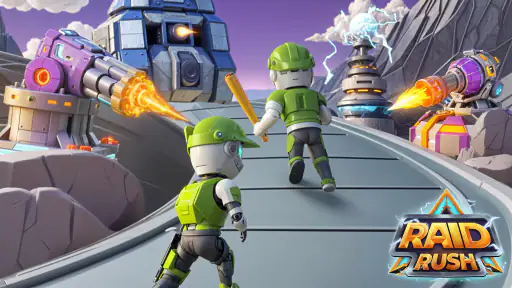
One of the aspects that I really appreciated about this game is its stunning visuals. The artwork is crisp and vibrant, making each level a visual treat. The animations are smooth, and the attention to detail is apparent in every aspect of the game. It's clear that the developers put a lot of love into crafting this game, and it shows.
The sound design also deserves a mention. The music is catchy without being overwhelming, and the sound effects add to the overall immersive experience. Whether it’s the sound of your towers firing or the enemies advancing, the audio complements the gameplay perfectly.
Presentation matters more in a wave-based strategy game than it may first seem. Clear action helps me follow the battle and notice when the defense is under pressure, while the sound gives the fighting some energy instead of making each attempt feel like a quiet checklist. Still, the visual and audio appeal is a complement to the tactical decisions, not a replacement for them. If you usually play with your phone muted, the core question remains whether you enjoy making those decisions; the sound is a welcome extra, not the main reason I would recommend trying it.
Who will enjoy it, and who may prefer another game
I would point this toward players who like to test a plan, learn from a failed defense, and gradually develop heroes alongside their towers. It can also suit someone looking for a focused strategy game to dip into between other activities, provided they have enough time to pay attention to a battle. It is less compelling for anyone who wants a purely passive experience, dislikes retries, or would rather avoid games that include optional purchases altogether.
It is also worth asking what kind of tower defense you enjoy. Some games emphasize quick, uncomplicated rounds; others ask you to carefully optimize a layout and replay until it is right. Raid Rush sits more comfortably with the second appetite because its tower and hero choices invite ongoing adjustment. I would choose a simpler alternative if I wanted almost no progression decisions, and a game with clearly documented competitive rules if ranking fairness were my main concern.
Fairness, spending, and what remains unclear
The purchase range is clear, but the effect of purchases on battle balance is not established by the price information alone. I can say that optional in-app purchases exist; I cannot responsibly promise that spending has no effect, or claim that it is necessary to advance. For a player who cares strongly about a level playing field, that distinction matters. I would try the free experience first and pay attention to whether the game itself gives enough enjoyment without a purchase before deciding if it deserves more of your money.
Likewise, an average rating and a large number of players tell me that many people have engaged with the game, but they do not explain how its difficulty develops for every type of player. Your own experience will depend on whether the levels’ pressure feels like a fair invitation to rethink your strategy or an irritating obstacle. The best test is not to chase a particular rating; it is to notice whether you still want to adjust your approach after a loss.
One practical question is whether it is suitable for a younger player. Its Everyone rating means it is classified for a broad audience, and the strategy focus can appeal across ages. I would still discuss optional purchases with a child and set expectations about retries, especially if frustration tends to turn a game into a demand for immediate progress. Another common question is whether you need to spend to enjoy it: the game is free to start, while the listed purchases show that spending is available, so I would begin free and judge the experience directly rather than assuming either outcome.
Why It's Worth Your Time
Okay, so here’s the deal. If you’re a fan of tower defense games or just looking for something new to sink your teeth into, Raid Rush: Tower Defense TD is definitely worth checking out. It's challenging, visually appealing, and offers plenty of content to keep you entertained for hours on end. Plus, the satisfaction you get from successfully defending your base against a tough wave of enemies is second to none.
Overall, I’d say this game is a must-try for anyone who enjoys strategy games. It's got everything you could want – strategic depth, beautiful graphics, and addictive gameplay. So, if you’re ready to dive into a world of towers and heroes, give Raid Rush: Tower Defense TD a download. Just a heads up though, be prepared to lose track of time!
My more measured recommendation is to try it if the core loop sounds appealing, then decide based on how you feel after a few thoughtful attempts rather than one lucky win or one frustrating loss. The game’s appeal is in working out how its defenses and heroes can support a plan, not simply in collecting progress. I would keep it if that process feels rewarding; I would move on if retries begin to feel like chores or if you want purchase and competitive-balance details to be fully transparent before investing time.
For me, its strongest case is the combination of immediate tactical choices and longer-term hero development, presented in a polished package. Its main caution is that the presence of purchases and the challenge of repeated waves call for a little discernment: start free, play deliberately, and spend only if you can identify a specific benefit you value. That makes it an easy game to sample, but not an automatic fit for every strategy fan. My trust verdict is positive but practical: give it a fair try, keep your expectations grounded, and let the battles—not the popularity figures—decide whether it earns a place on your phone.
Raid Rush: Tower Defense TD Pros and Cons
Pros
- Engaging tower defense strategy.
- Vibrant and detailed graphics.
- Regular updates and new content.
- Smooth and intuitive controls.
- Varied enemy types and challenges.
Cons
- In-app purchases can be pricey.
- Requires constant internet connection.
- Ads can be intrusive at times.
- Steep learning curve for beginners.
- Limited offline play options.
Frequently Asked Questions
What is Raid Rush: Tower Defense TD about?
Raid Rush: Tower Defense TD is a strategic mobile game where players must defend their kingdom from waves of enemies by building and upgrading towers. The game offers various types of towers, each with unique abilities, and challenges players to plan their defenses carefully to prevent attackers from breaching their defenses. It combines strategy, quick thinking, and resource management for an engaging gaming experience.
Is Raid Rush: Tower Defense TD free to play?
Yes, Raid Rush: Tower Defense TD is free to download and play. However, like many free-to-play games, it offers in-app purchases that allow players to buy virtual currency and other items to enhance their gaming experience. These purchases can help speed up progress or unlock exclusive content, but they are not necessary to enjoy the game fully.
What platforms is Raid Rush: Tower Defense TD available on?
Raid Rush: Tower Defense TD is available on both Android and iOS platforms. Players can download the game from the Google Play Store for Android devices and the Apple App Store for iOS devices. It is optimized for a variety of smartphones and tablets, ensuring a smooth gaming experience across different devices.
What kind of in-game purchases are available in Raid Rush: Tower Defense TD?
In Raid Rush: Tower Defense TD, players can purchase various items, such as virtual currency, special power-ups, and exclusive towers, through in-game transactions. These purchases can offer advantages like faster progression, unique abilities, or aesthetic enhancements. While they can enhance the gaming experience, they are entirely optional and not required to progress through the game.
Does Raid Rush: Tower Defense TD require an internet connection to play?
Raid Rush: Tower Defense TD can be played offline, allowing players to enjoy the game without an active internet connection. However, certain features, such as in-app purchases or online leaderboards, require a connection. Playing online also ensures that players have access to the latest updates and content additions, enhancing their overall experience.


