

Puzzles & Survival
- Reviews
- 4.5
- Version
- 7.0.192
- Installs
- 10,000,000+

Screenshots
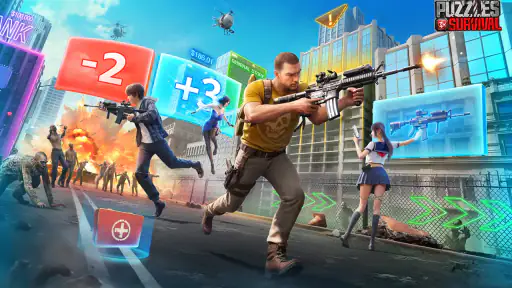
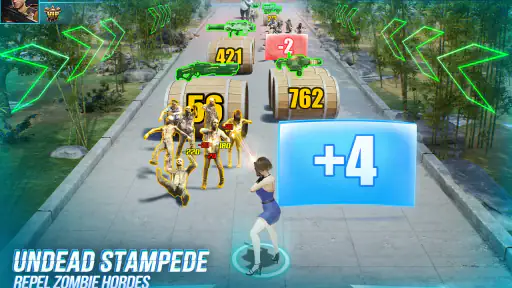
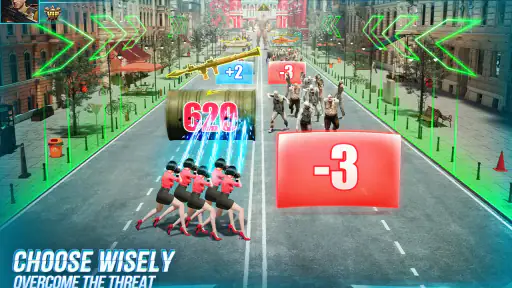
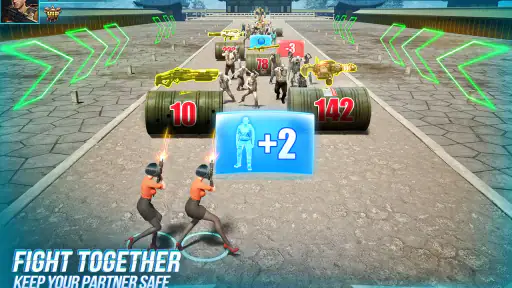
 Analysis by Frivlyz
I tend to get stuck in hybrid puzzle-and-strategy games when a lively match-3 battle turns into a longer routine of managing a base, heroes, and other players. Puzzles & Survival brings those pieces together in a zombie setting, so it suits someone who wants more to do than clear one puzzle after another. The trade-off is that it asks for attention to several connected systems, not just quick matching. I’d approach it as a game to return to regularly rather than a puzzle app for an occasional, self-contained round.
Where the rhythm can get tangled
The first adjustment is understanding that a good board move and a good battle decision are not always the same thing. Matches help power attacks, but the puzzle sits inside a wider strategy game: heroes have abilities, and the sanctuary also needs rebuilding and upgrades. I found it useful to pause before making a move and consider whether I’m trying to deal damage now or set up a more useful turn. That small habit makes the board feel less like a reflex test and more like part of the combat plan.
A second source of friction is the change of pace. Puzzle battles offer immediate feedback, while base development is a longer-term commitment. If you open the game expecting a short match and then find yourself choosing what to improve or how to approach a shared activity, the session can stretch beyond the time you meant to spend. I’d decide in advance whether I’m logging in for a battle or for broader progress, and stop when that task is done rather than treating every available activity as essential.
Make the first sessions easier to read
When I’m learning a game with several systems, I try not to upgrade everything just because the option is visible. Here, I’d first pay attention to how hero abilities affect puzzle combat, then put effort into the characters I actually use. That gives upgrades a purpose and makes it easier to see whether a change helped. If you spread resources across a roster before you know your preferred team, you may end up with improvements that don’t support the way you like to play.
The base is easier to manage if I treat it as a set of priorities rather than a checklist to clear at once. Choose the next useful improvement, make it, and then return to battles; you don’t need to turn every visit into a full management session. This is especially helpful on a busy day: a quick look at your current objective can keep you from wandering through menus without deciding what you came to do.
For a new player, I’d also give the match board a moment before acting. Look at the available matches and think about how they might help your current fight, rather than automatically taking the first obvious option. The board is part of the strategy, but it doesn’t remove the need to pay attention to heroes and the broader state of your sanctuary. The useful skill is switching between those scales without expecting either one to explain the other.
The Puzzle Battles and the Longer Strategy Layer
At its core, Puzzles & Survival combines the addictive nature of match-3 puzzles with strategic gameplay elements. You start off in a post-apocalyptic world overrun by zombies, and your task is to rebuild and defend your sanctuary. The match-3 puzzles serve as your main weapon against the undead, each move crucial in determining the success of your battles.
Gaming Stories You May Enjoy

Dancing Road Turns Short Breaks Into a Test of Rhythm and Timing

Super Stylist Makes Every Outfit a Test of Taste and Patience

Dominoes on Your Terms: Who Should Play and Who Should Pass

Pokémon GO Makes the Familiar World Feel New

Chess.com Turns Rematches Into Rivalries, but Community Has Its Costs

Archery Battle 3D Review: Sharp Aiming, Unclear Feedback
Gameplay That Keeps You Engaged
What I love about this game is how it manages to keep things fresh. The match-3 puzzles are not just a mindless activity; they're intricately tied into the combat mechanics. Every match you make helps you unleash powerful attacks against the zombies. Plus, you get to recruit and upgrade heroes, each with unique abilities that can turn the tide of battle in your favor.
The game also incorporates city-building elements, which I found surprisingly engaging. You’re not just solving puzzles; you’re also responsible for rebuilding and upgrading your base. This dual gameplay keeps things interesting and gives you a sense of purpose beyond just beating levels.
Who will enjoy the mix, and who may not
The strongest fit is someone who likes switching between a tactical board and a persistent base. If you enjoy making a match, seeing it affect combat, and then deciding how to develop a settlement, the combination gives each part a reason to matter. It can also work for players who like discussing plans with others: alliances and player-versus-player battles give the strategy a social side, rather than keeping all progress inside solo puzzle stages.
By contrast, I wouldn’t choose it if I wanted a pure match-3 game with quick, isolated levels and no ongoing management. A straightforward puzzle title is a better match for that mood. Nor is this my first pick for someone who dislikes competition or the expectation of coordinating with other players. The social layer can add motivation, but it also means the experience is not limited to the calm, personal rhythm of solving a board alone.
Compared with a conventional match-3 game, the key difference is that the board is tied to heroes, combat, and base development. Compared with a conventional strategy game, the puzzle battles give moment-to-moment decisions a more hands-on role. That middle ground is the appeal, but it is also the compromise: neither side is as simple as a standalone puzzle, and the wider management can feel like extra work if all you wanted was a battle.
Visuals and Sound
The visuals in Puzzles & Survival are top-notch. The post-apocalyptic theme is beautifully rendered, with detailed environments and character designs. The animations are smooth, making the puzzle-solving experience even more enjoyable. The sound design adds another layer of immersion, with eerie background music and satisfying sound effects that perfectly complement the game's theme.
For a practical everyday routine, I’d use it in two different ways. On a short break, focus on a battle or one clear objective instead of trying to optimize the whole base. During a longer session, take time to review your heroes and sanctuary choices before joining a more involved activity. Separating those modes makes the game easier to fit around daily life and reduces the feeling that every login needs to accomplish everything.
One useful trade-off to keep in mind is that upgrading a hero is not automatically valuable just because the hero has an ability. The improvement matters most when it supports the team you rely on and the kind of battle you are facing. I’d observe which heroes are doing useful work before spending effort on a broad set of characters. That’s a more deliberate approach than chasing every possible upgrade, and it helps preserve a clear sense of progress.
Playing with other people without losing your own pace
No game is complete without a thriving community, and Puzzles & Survival doesn’t disappoint. You can join alliances, participate in events, and even engage in PvP battles. The multiplayer aspect adds a social element that encourages you to strategize and collaborate with other players. It's a great way to make friends and tackle challenges together.
I’d treat alliance participation as a choice about the kind of routine I want, not as a requirement for enjoying every puzzle. If you like comparing approaches and coordinating, the shared side can give your decisions more context. If you prefer playing entirely at your own pace, keep your expectations modest and focus on the parts you can enjoy independently. The important question is whether you want a social strategy game, not simply whether you like matching tiles.
Another sensible habit is to avoid committing to a competitive activity when you only have a moment to spare. Puzzle battles can be easy to start casually, but player-versus-player play and alliance activity involve other people and broader plans. I’d save those for when I can pay attention, and use a brief visit for a personal objective instead. That distinction keeps a quick check-in from becoming a rushed decision that affects a group effort.
Setup checks and recovering a disrupted session
The game is free to download, but it includes optional in-app purchases priced from under a dollar to just under a hundred dollars per item. I’d set a spending boundary before playing, particularly because a game built around continuing development can make optional purchases feel tempting when I want progress to move faster. You can begin without treating a purchase as part of the basic decision to try it; the more important question is whether you enjoy the puzzle, hero, and base loop enough to keep returning.
Before installing, check that your device runs Android 5.0 or later if you’re using Android. The game is developed by 37GAMES, is rated Teen, and its current version is 7.0.192. Those details help with basic compatibility and age suitability, but they don’t tell you how comfortably it will run on a particular device. If something seems wrong after an update or a restart, I’d first close and reopen the game, check that the device has a stable connection, and make sure the app is up to date before assuming the problem is in a battle or account progress.
If a session is interrupted, I’d avoid making repeated purchases or major progression decisions while unsure whether the game has caught up. Reopen it, give it time to settle, then check whether the battle or base state reflects the last action you remember. For a confusing gameplay result, retrace the sequence: which match you made, which hero ability was available, and what happened immediately afterward. That simple check can distinguish a misunderstood combat interaction from a genuine interruption, without guessing at a hidden mechanic.
When a frustrating moment is not a puzzle problem
Not every slowdown or disappointing result means the board is unfair. A poor connection can interrupt a session, and a battle can go badly because the move that looked strongest did not support the hero or combat situation you had in mind. I’d separate technical trouble from strategy trouble: if the game is responding normally, review your move and team choices; if the session itself has stalled, try basic connection and restart checks before changing how you play.
There is also a difference between wanting more progress and needing to spend. Since purchases are available across a wide price range, it is worth deciding whether a purchase solves a problem you actually have or merely shortens a wait you can live with. If the game feels enjoyable only when progress is accelerated, that may be a sign the ongoing management loop is not a good fit for you. I’d rather step away or play at a slower pace than spend to make a game feel like the experience I expected.
How it fits among strategy games
The game has reached more than ten million installs and holds an average rating of 4.5 from around 324,000 ratings, with roughly 30,000 written reviews. Those figures suggest a sizable audience, but they don’t settle the personal question of whether its particular blend suits you. I’d use them as context, then judge the game by the parts that matter in practice: whether the puzzle combat stays engaging, whether managing a sanctuary feels satisfying, and whether the social features match your appetite for cooperation or competition.
Its release was on October 2, 2020, and the current version is 7.0.192. For me, the more useful point than the version number is to approach it as an established game with several layers, not as a tiny puzzle package. Newcomers should give themselves room to learn how battles, heroes, and base choices relate instead of measuring the whole experience by the first few matches. That patience is worthwhile only if you enjoy the central loop; it is not a reason to push through if you already know you want a simpler game.
A practical verdict for deciding whether to play
Overall, Puzzles & Survival is more than just a game; it's an experience that challenges your strategic thinking while keeping you entertained with its engaging puzzles and vibrant community. Whether you’re a fan of strategy games or just looking for something new to play, this game is definitely worth checking out. So, grab your device and get ready to dive into a world where puzzles meet survival in the most exciting way possible!
My recommendation is more specific: try it if the idea of using match-3 moves in combat and then returning to develop a sanctuary sounds enjoyable, and you’re comfortable with a game that can invite regular attention. I’d skip it if I want a clean, finish-a-level-and-leave puzzle session, or if alliance and player-versus-player elements are a turnoff. The game’s appeal is the connection between its moving parts, not any one part on its own.
That makes it a good candidate for a player who likes alternating between immediate decisions and longer-term planning. I’d start with a modest routine, learn how my chosen heroes affect battles, and let the base grow around the way I actually play. If that rhythm feels rewarding, there is plenty to engage with; if it feels like chores between puzzles, a more focused match-3 game will likely be the better choice.
Puzzles & Survival Pros and Cons
Pros
- Engaging storyline blends puzzles and strategy.
- High-quality graphics and sound effects.
- Variety of challenging puzzles.
- Regular updates with new content.
- Multiplayer features enhance gameplay.
Cons
- In-app purchases can be expensive.
- Occasional bugs disrupt gameplay.
- Requires constant internet connection.
- Resource management can be complex.
- Ads can be intrusive at times.
This Game in Other Languages
Frequently Asked Questions
What is Puzzles & Survival about?
Puzzles & Survival is a unique blend of match-3 puzzle gameplay and survival strategy elements. Players must solve intricate puzzles to advance through the game's storyline, which is set in a post-apocalyptic world ravaged by zombies. The game involves building and upgrading bases, recruiting and training heroes, and strategically battling against zombie hordes and rival players.
Is Puzzles & Survival free to play?
Yes, Puzzles & Survival is free to download and play. However, it does offer in-app purchases that can enhance the gaming experience. These purchases include items like resources, special abilities, and cosmetic enhancements. Players can enjoy the game without spending money, but purchasing can provide advantages and speed up progress.
What platforms is Puzzles & Survival available on?
Puzzles & Survival is available on both Android and iOS platforms. Players can download it from the Google Play Store or Apple App Store. The game is optimized for mobile devices, offering an engaging experience with smooth graphics and intuitive controls, making it accessible to a wide audience of mobile gamers.
What are the main features of Puzzles & Survival?
The main features of Puzzles & Survival include engaging match-3 puzzle gameplay combined with strategic base-building and combat elements. Players can recruit and upgrade heroes, participate in alliance battles, and engage in global events. The game offers a variety of missions and challenges, ensuring a diverse and immersive gaming experience for players.
Is an internet connection required to play Puzzles & Survival?
Yes, an internet connection is required to play Puzzles & Survival. This is because the game features online elements such as alliance interactions, global events, and player-versus-player battles. A stable connection ensures that players can fully enjoy these aspects of the game and stay connected with the community.


