

Puzzle Kids: Jigsaw Puzzles
- Reviews
- 4.5
- Version
- Varies with device
- Installs
- 50,000,000+

Screenshots

 Analysis by Frivlyz
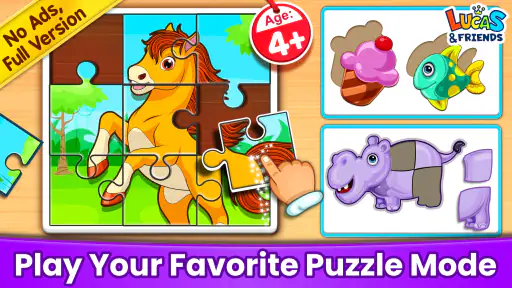
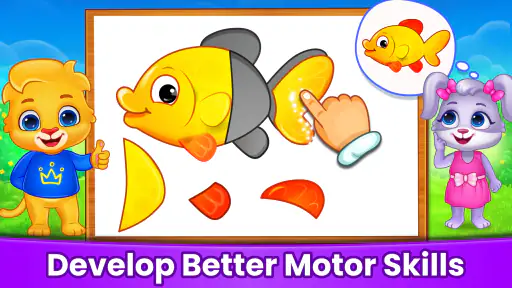
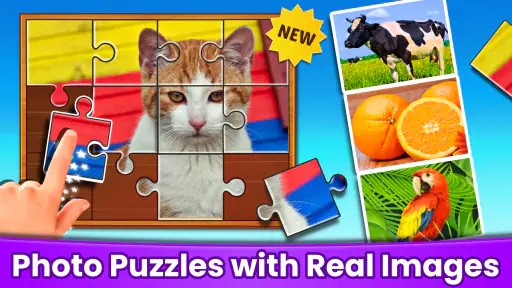
When a child wants to use a phone or tablet, I find it helps to choose something with a clear, hands-on goal rather than an endless stream of clips. Puzzle Kids: Jigsaw Puzzles offers a simple activity: look at a picture, work out where pieces belong, and see the image take shape. That makes it an appealing option for preschoolers and young children who enjoy pictures and sorting, although it is not a substitute for every kind of play or learning.
A picture-led way to get started
The game’s jigsaw format gives children an immediate visual task, which can be easier to understand than menus built around reading. A child can focus on the picture and the pieces instead of needing to follow a long set of instructions. I think that makes it especially approachable for early learners, or for a child who is still getting comfortable with apps and games.
RV AppStudios made this as a free educational game, and its kid-focused presentation is part of the appeal. The age rating is Everyone, so it is intended for a broad audience, but that does not mean every child will find the same puzzle comfortable. A preschooler who is just learning to match shapes may need an adult nearby, while an older child may want more variety or a tougher challenge than a simple jigsaw can provide.
One practical way to make the first session smoother is to sit with your child for a moment and let them explore the screen before expecting them to finish a puzzle. You can point out how a picture relates to its pieces, then step back as they begin making choices. This small handoff gives you a chance to see whether the controls and visual layout make sense to them without turning play into a lesson.
What’s the Buzz About?
So, Puzzle Kids: Jigsaw Puzzles is basically a digital playground for your little ones. Imagine a world where their favorite jigsaw puzzles live on your device. No more lost pieces, folks! The app is designed to help kids develop their cognitive skills. We're talking about improved problem-solving abilities and enhanced hand-eye coordination. Honestly, it’s a win-win for both parents and kids.
Features that Stand Out
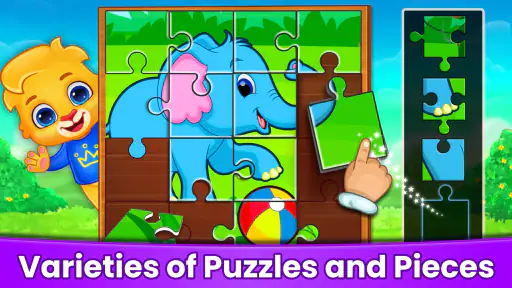
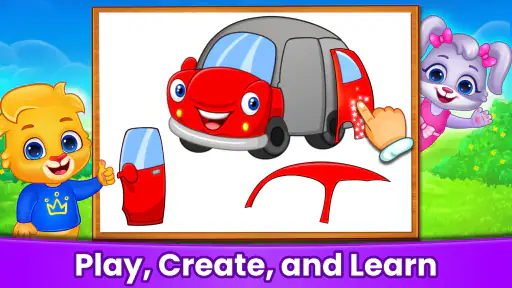
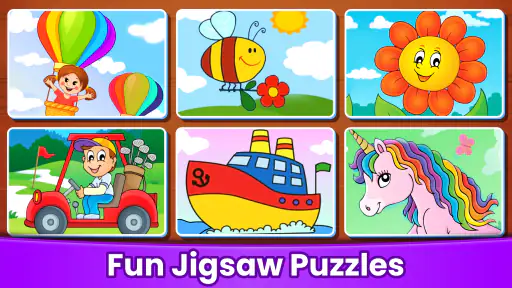
First off, the variety of puzzles is impressive. It has everything from animals to vehicles, ensuring your child remains engaged. The app is super interactive, and the animations are bright and lively. Kids can select their preferred difficulty level, which is a great way to keep them challenged as they grow.
Another thing I love is the user-friendly interface. It’s intuitive enough that your child can navigate through it without constant help. Plus, there's no need to worry about ads popping up every two seconds. The app is designed to be a safe space for kids.
Gaming Stories You May Enjoy

Dancing Road Turns Short Breaks Into a Test of Rhythm and Timing

Super Stylist Makes Every Outfit a Test of Taste and Patience

Dominoes on Your Terms: Who Should Play and Who Should Pass

Pokémon GO Makes the Familiar World Feel New

Chess.com Turns Rematches Into Rivalries, but Community Has Its Costs

Archery Battle 3D Review: Sharp Aiming, Unclear Feedback
Choosing a good moment to play
For a realistic everyday use, I would keep it as a short activity for a quiet stretch at home: perhaps while dinner is being prepared, or during a calm part of a rainy afternoon. A parent can help with the first puzzle, then watch how the child approaches the next one. If they start tapping quickly without looking, that is a useful cue to pause or simplify the activity rather than treating completion as the goal.
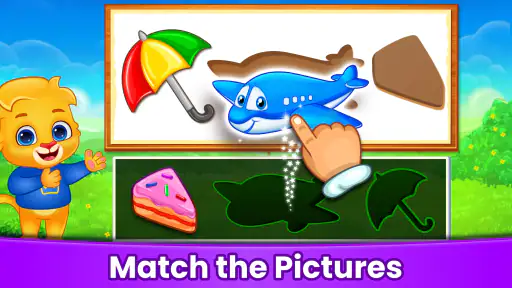
Compared with a physical jigsaw, the digital version avoids pieces getting scattered or mixed up, and it is easy to put away when the device is needed for something else. The trade-off is that a screen does not give the same tactile experience as picking up and turning cardboard pieces. Compared with coloring apps, this asks for more matching and spatial reasoning, while a paper puzzle can be a better choice when the aim is hands-on play away from a screen.
It can also work as a shared activity without requiring an adult to take over. I would let the child choose a picture or difficulty, then offer a small hint only when they are stuck—for example, asking what part of the picture they can recognize. That keeps the child in charge and turns the session into conversation rather than a sequence of corrections. It is a useful approach for siblings or a caregiver and child to take turns, though children who prefer solo play may simply want space to solve at their own pace.
Motor and sensory comfort
Bright animation and sound effects can make a puzzle feel inviting, but they may not suit every child or every setting. A child who is sensitive to lively visuals or sounds may prefer a quieter room, a shorter session, or a different activity. I would pay attention to the child’s response rather than assuming that a cheerful presentation is calming for everyone.
Touchscreen puzzles ask a child to coordinate what they see with where they tap or move a piece. That can be satisfying practice for some, but small or imprecise movements may make the task frustrating for others. If a child struggles, an adult can try a larger device if one is already available, steady it on a table, and let the child work at their own pace. Those are practical adjustments, not a promise that the controls will suit every motor ability.
The app’s difficulty choices are useful because a puzzle that is too demanding can turn a relaxed activity into a test. I would start with the option the child can manage with only occasional help, then increase the challenge when they seem ready. There is no need to push through frustration: pausing, choosing an easier puzzle, or switching to physical pieces can be the better call.
When this is not the right fit
Although the interface feels approachable, a child may still need help choosing a puzzle or recovering from a wrong move. I would not assume that a young child can use any game independently just because it is made for kids. Staying nearby is especially sensible at first, both to help with navigation and to notice whether the child is enjoying the activity.
This is also a focused jigsaw game, not a broad early-learning course. If you want structured lessons in letters, numbers, or reading, a dedicated learning app will likely be a better match. If the priority is screen-free sensory play, physical puzzles, blocks, or drawing are stronger choices. And if your child is already confident with jigsaws, the selected difficulty may matter more than the colorful presentation; it is worth checking whether the available challenge feels substantial enough for them.
Families often wonder whether it can replace a physical puzzle or keep a child busy without supervision. I would treat it as a convenient digital alternative, not a full replacement, and as an activity that may need an adult’s initial guidance. For a child who likes visual matching, that balance can work well; for one who wants to build, handle pieces, or move around, another activity may hold their attention better.
Why Your Kids Will Love It
The fun factor is high with this one. Kids love a good challenge, and this app delivers just that. Each completed puzzle brings a sense of accomplishment, and let's be honest, who doesn’t love a little pat on the back? The sound effects and rewards system keep them coming back for more.
Also, it’s not just about individual play. The app has a lovely feature where parents can join in the fun. It’s a great way to bond with your child while also sneaking in some educational time. You know what they say, "The family that plays together, stays together."
Inclusive verdict
Puzzle Kids is a strong fit for young children who enjoy sorting pictures and can use a touchscreen with a little guidance. Its clear visual task, choice of difficulty, and lively presentation make it approachable for many families, while the mix of challenge and immediate completion can help sustain interest. I would not call that a guarantee of accessibility: children differ in how they see, hear, understand instructions, and control a device, so an adult’s observation matters more than an age label.
The game has been available since June 28, 2017, and it has grown to more than 50 million installs. Its average rating is 4.5 from around 34,000 ratings, with 378 written reviews. Those figures suggest that many people have tried it, but they cannot tell me whether it suits a particular child. My practical recommendation is to try a short, supervised session and judge by the child’s comfort, not by popularity.
It is free, which makes it easy to consider alongside physical jigsaws or other children’s games. I would choose it for a brief, picture-based challenge and choose another activity when a child needs tactile materials, quieter stimulation, or more structured teaching. That distinction is what makes the game most useful: it has a clear place in a family’s routine without needing to be the answer to every screen-time question.
Features that Stand Out
First off, the variety of puzzles is impressive. It has everything from animals to vehicles, ensuring your child remains engaged. The app is super interactive, and the animations are bright and lively. Kids can select their preferred difficulty level, which is a great way to keep them challenged as they grow.
Another thing I love is the user-friendly interface. It’s intuitive enough that your child can navigate through it without constant help. Plus, there's no need to worry about ads popping up every two seconds. The app is designed to be a safe space for kids.
Why Your Kids Will Love It
The fun factor is high with this one. Kids love a good challenge, and this app delivers just that. Each completed puzzle brings a sense of accomplishment, and let's be honest, who doesn’t love a little pat on the back? The sound effects and rewards system keep them coming back for more.
Also, it’s not just about individual play. The app has a lovely feature where parents can join in the fun. It’s a great way to bond with your child while also sneaking in some educational time. You know what they say, "The family that plays together, stays together."
Final Thoughts
All in all, Puzzle Kids: Jigsaw Puzzles is an app that brings value to the table. It’s not just a game; it’s a learning experience wrapped in a fun package. What more could you ask for? So next time you’re on the hunt for a new app for your little one, give this one a spin. Trust me, it’s worth it!
Puzzle Kids: Jigsaw Puzzles Pros and Cons
Pros
- Engaging puzzles suitable for kids.
- Colorful graphics attract children's attention.
- Simple and intuitive interface.
- Improves problem-solving skills.
- Promotes cognitive development.
Cons
- Limited puzzles in the free version.
- Ads can be distracting for children.
- May require in-app purchases.
- Not challenging for older kids.
- Needs internet for some features.
Frequently Asked Questions
What age group is Puzzle Kids: Jigsaw Puzzles suitable for?
Puzzle Kids: Jigsaw Puzzles is designed for young children, typically aged 3 to 8 years old. The app provides colorful and engaging puzzles that are easy enough for toddlers, yet challenging enough to hold the interest of older kids. It's a great tool to help develop cognitive skills and hand-eye coordination in a fun and interactive way.
Are there any in-app purchases or ads in Puzzle Kids: Jigsaw Puzzles?
Puzzle Kids: Jigsaw Puzzles offers a free version with basic features but includes optional in-app purchases to unlock additional content and puzzles. While the free version contains ads, users have the option to remove them through a one-time purchase. This ensures an uninterrupted and enhanced gaming experience for children.
Is Puzzle Kids: Jigsaw Puzzles available offline?
Yes, Puzzle Kids: Jigsaw Puzzles can be played offline. Once downloaded, your child can enjoy solving puzzles without needing an internet connection. This makes it a perfect app for travel or places where internet access may be limited, ensuring continuous entertainment for your little ones.
What types of puzzles are included in Puzzle Kids: Jigsaw Puzzles?
Puzzle Kids: Jigsaw Puzzles includes a variety of themes and categories such as animals, vehicles, and nature. Each puzzle is designed to be visually stimulating and educational, helping children to recognize shapes, patterns, and colors. The app regularly updates with new puzzles to keep the content fresh and engaging.
How does Puzzle Kids: Jigsaw Puzzles support my child’s development?
Puzzle Kids: Jigsaw Puzzles aids in developing various skills in children such as problem-solving, logical thinking, and concentration. By engaging in these puzzles, children also improve their fine motor skills and hand-eye coordination. The app offers a playful learning environment that combines fun with education, making it a valuable digital tool for early childhood development.


