

Prodigy Math: Kids Game
- Reviews
- 4.7
- Version
- 4.8.9
- Installs
- 5,000,000+

Screenshots


 Analysis by Frivlyz
If I were choosing a maths game for a child, I’d first ask whether it makes practice feel inviting without hiding the fact that learning takes effort. Prodigy Math: Kids Game puts maths questions inside a fantasy role-playing adventure, so solving a problem is part of moving through the game rather than a separate worksheet session. That can be a useful change of pace for a child who resists ordinary drills, though it won’t make every topic easy or every learner enthusiastic.
Prodigy Math is a free educational game from Prodigy Education Inc. It has a 4.7 average from around 59,000 ratings, and has been installed over 5 million times. The game is rated Everyone and is available on Android from version 5.0 onward; its current version is 4.8.9. The free-to-start label needs a little context for families: optional in-app purchases are listed from $64.99 to $359.99 per item. Those are substantial amounts, so I’d look carefully at the purchase options and decide on family rules before handing over a device. I can’t infer from those prices what each item includes, whether any particular purchase is necessary, or how the game presents them in play.
What the adventure changes about practice
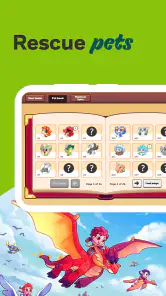
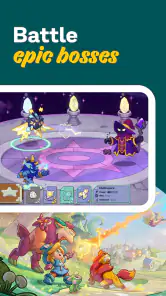
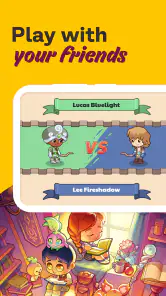
The main appeal is the way the game gives a child a reason to keep answering maths questions. Battles, quests and collectible pets offer an imaginative setting, while the problems remain the learning task at the centre of progress. In my view, that structure is best treated as a motivational wrapper around practice, not as proof that a child has mastered a skill. A child may gladly return for the adventure; an adult still needs to notice whether the maths itself is becoming more comfortable.
A practical way to try it is to keep the first session short and watch what draws the child in. Do they enjoy answering the questions, or mostly want to move through the fantasy elements? That distinction helps you decide whether to use the game as a regular practice option, a change from paper exercises, or simply a brief trial. If a question causes frustration, pausing to talk through the reasoning can be more helpful than encouraging rapid guesses just to continue.
Cost, choice and household boundaries
The free price makes it possible to explore the basic experience without paying up front, but the listed purchase range means I would not describe the game as free of spending considerations. For a child using a shared phone or tablet, I’d agree on a simple rule: ask an adult before making any purchase. I would also check the device’s purchase controls rather than assume a child-facing game will prevent an accidental transaction. That is a general precaution, not a claim about a particular setting in this game.
Those listed prices are high enough that I’d compare them with what your family actually wants from the app before buying anything. If the child is already practising happily in the free experience, there may be no reason to pay. If you’re considering a purchase, first read its exact description in the app and confirm the terms with the account holder. The price range alone doesn’t tell me what a particular item unlocks, so I wouldn’t buy on the assumption that it is required for learning or progress.
Fairness and what I’d check
Because this is a game with battles and rewards, parents may wonder whether spending affects a child’s success against others. The purchase figures by themselves do not establish how paid items interact with gameplay or competition, so I wouldn’t promise that spending has no effect—or claim that it creates an advantage. If competitive fairness matters to your family, look at the in-game descriptions and how the child’s actual play works before deciding whether purchases belong in the experience. The educational value I’d focus on is the child’s effort with the maths, not the rarity or cost of a game item.
Gaming Stories You May Enjoy

Dancing Road Turns Short Breaks Into a Test of Rhythm and Timing

Super Stylist Makes Every Outfit a Test of Taste and Patience

Dominoes on Your Terms: Who Should Play and Who Should Pass

Pokémon GO Makes the Familiar World Feel New

Chess.com Turns Rematches Into Rivalries, but Community Has Its Costs

Archery Battle 3D Review: Sharp Aiming, Unclear Feedback
I’d also keep expectations grounded. A game can make practice more appealing, but it cannot take the place of a teacher’s explanation when a concept is confusing, or tell a parent everything they need to know about a child’s learning from a few sessions. The best use is as one option in a broader routine: listen to how the child explains an answer, notice which kinds of problems slow them down, and bring repeated sticking points into ordinary homework or a conversation with their teacher.
Turning Math into Magic
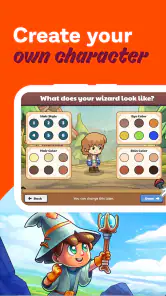
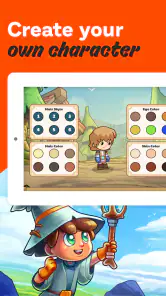
So, let's chat about how Prodigy Math: Kids Game has managed to make math cool. The app is designed like a role-playing game (RPG) where kids create their own avatars and embark on quests to earn rewards and unlock new levels. The best part? They have to solve math problems to succeed. It's like magic—watching kids who normally shy away from math suddenly become math wizards!
Engaging Gameplay
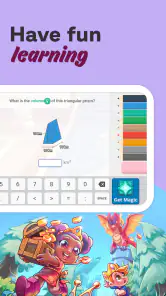
One of the things I love about this app is how it seamlessly integrates educational content with engaging gameplay. Kids don't even feel like they're learning because they're so engrossed in the game. Each time they solve a math problem, they're rewarded with points and prizes that help them in their quest. It's a clever way to motivate kids to keep practicing their math skills without even realizing it.
Adaptive Learning
Another nifty feature of this app is its adaptive learning technology. The game adjusts the difficulty of math problems based on your child's skill level, ensuring that they're always challenged but never overwhelmed. It's like having a personalized tutor in your pocket! Parents can also keep track of their child's progress through a dashboard, which provides insights into their strengths and areas for improvement.
Oh, and did I mention that the app covers math skills from grades 1 through 8? That's a huge range, making it versatile for different age groups. Plus, it's aligned with the curriculum, so you know your child is learning exactly what they need to.
Kid-Friendly and Safe
Safety is a biggie when it comes to kids using apps, and Prodigy Math has got this covered. The app is designed to be kid-friendly, with no ads or in-app purchases that could lead to unexpected charges. Parents can feel safe knowing their kids are in a secure environment while they play and learn.
To wrap it up, Prodigy Math: Kids Game is a brilliant way to make math fun and accessible for kids. It's engaging, educational, and safe—a trifecta that's hard to beat. So if you're looking for an app that will help your child improve their math skills while having a blast, this is definitely worth checking out.
Making it fit a real routine
I’d use the game most deliberately when a child has a little spare time and needs a low-friction way to revisit maths, rather than expecting it to replace a planned lesson. For example, after school, a parent could ask the child to spend a short stretch on a quest, then explain one problem they remember. That small follow-up turns the session into something more informative: you hear whether the answer came from understanding, a lucky choice, or a guess made to get back to the adventure.
It may also work as a bridge for a child who likes games but avoids a workbook. I would not frame it as a reward that must be earned by doing “real” maths, since that can imply the questions in the game don’t count. Instead, I’d set a calm boundary around time and purchases, and treat the questions as practice that can be supplemented with paper when a child needs to show their working. This is especially useful if they can select an answer but struggle to explain why it is correct.
Where it sits beside other learning options
Compared with a conventional maths practice app, Prodigy’s distinctive trade-off is that the fantasy game gives practice a narrative purpose. That may help a child who needs a stronger reason to continue than a list of exercises provides. A straightforward worksheet or focused lesson can be better when the goal is to practise one specific method without distractions, while a teacher or adult is better placed to unpack a misunderstanding in conversation. I see this game as a way to encourage repetition, not as a replacement for those more direct forms of help.
It is also not an ideal match for every child. Someone who becomes absorbed in collecting rewards but rushes through the questions may get less from it than a learner who enjoys the challenge of answering. A child who dislikes fantasy role-playing, or who finds game goals distracting, may prefer a plain practice tool. I’d give the child a chance to try it and judge by their attention to the maths, rather than assuming that an educational label makes the format suitable for everyone.
Useful checks before settling in
Parents often want to know whether they can rely on the game to identify exactly what a child should learn next. I would treat any progress view as one source of clues, not a full assessment: ask the child to explain a problem and compare that explanation with what they are doing in school. If a topic remains difficult, a game session may reveal where confidence drops, but it should not be the only basis for deciding what support is needed.
Another sensible question is whether a family needs to spend money to get educational value. The game is free to start, and the listed optional purchases do not, on their own, show that payment is necessary for practising maths. I’d begin without buying anything, see whether the child returns to the questions and benefits from them, and only consider an item after reading its in-game description. That approach avoids turning a child’s early enthusiasm into pressure to purchase.
Finally, the age rating of Everyone is a useful broad signal, but it is not a substitute for checking whether the particular game experience suits your child. I’d stay nearby for an initial session, especially to see how they respond to the battles, rewards and purchase prompts, if any appear. The game’s current Android requirements also matter for older devices: it needs Android 5.0 or later. Those practical checks are more useful than assuming that one rating or one device specification settles every family’s decision.
My trust verdict
My recommendation is measured: I’d consider Prodigy Math for a child who enjoys game-based motivation and needs a more inviting route into maths practice. I would start with the free experience, keep purchases firmly under adult control, and occasionally ask the child to talk through an answer. For a learner who needs direct instruction, distraction-free drills, or close one-to-one feedback, I’d choose those supports first and use this game only if its style genuinely helps them engage.
The strongest reason to try it is that it gives maths practice a playful setting without making the family pay at the outset. The biggest reason to stay attentive is that game enjoyment and learning progress are not the same thing, while optional purchases carry a notably wide and high listed price range. With realistic expectations and clear spending boundaries, I think it can be a worthwhile addition to a child’s routine—not a magic fix, but a potentially appealing way to make practice easier to begin.
Prodigy Math: Kids Game Pros and Cons
Pros
- Engaging and interactive gameplay.
- Adaptive learning tailored to kids.
- Boosts math confidence and skills.
- Visually appealing design.
- Available on multiple platforms.
Cons
- Requires internet connection.
- In-app purchases can be costly.
- Limited free content.
- Some find it too game-like.
- Parental supervision recommended.
Frequently Asked Questions
What is Prodigy Math: Kids Game and how does it work?
Prodigy Math: Kids Game is an engaging educational app designed to help children improve their math skills through interactive gameplay. The app combines role-playing game elements with math challenges, allowing kids to embark on adventures while solving math problems. As they progress, they earn rewards and unlock new features, keeping the learning experience exciting and motivating. The game adapts to the child's skill level, ensuring personalized learning.
Is Prodigy Math: Kids Game suitable for all age groups?
Prodigy Math: Kids Game is primarily designed for children aged 6 to 14, covering grade levels 1 through 8. It offers a wide range of math topics, from basic arithmetic to more advanced concepts, tailored to suit the educational needs of each age group. The adaptive nature of the game ensures that it adjusts the difficulty level based on the user's proficiency, making it suitable for a broad age range within its target audience.
Does Prodigy Math: Kids Game require an internet connection to play?
Prodigy Math: Kids Game requires an internet connection for most of its functionalities, including gameplay, updates, and accessing new content. However, there are certain features and areas within the game that might be available offline once downloaded. For the best experience, it's recommended to have a stable internet connection to enjoy all the features and keep the game updated with the latest content.
Are there any in-app purchases or subscriptions in Prodigy Math: Kids Game?
Yes, Prodigy Math: Kids Game offers in-app purchases and subscription options to enhance the gaming experience. While the core game is free to play, purchasing a membership unlocks additional features, such as exclusive in-game items, pets, and access to special zones. Parents should be aware of these options and manage in-app purchases accordingly to ensure a balanced and controlled spending environment.
How does Prodigy Math: Kids Game ensure the safety and privacy of children?
Prodigy Math: Kids Game prioritizes the safety and privacy of its young users by implementing robust security measures. The app complies with COPPA (Children's Online Privacy Protection Act) regulations, ensuring that no personal information is collected without parental consent. Additionally, the game provides parents with tools to monitor their child's progress and manage their account settings, promoting a safe and secure online learning environment.


